• Home
  • About Us
  • Toolkit
  • Archives
  • Advertise
  • Privacy Policy

Kids Ain't Cheap

But They Sure Are Worth It

  • Parenting
    • Baby Stuff
    • Books and Reading
      • Aesops Fables
      • Comic Books
    • Education
    • Family Time
    • Green Living
    • Growing Up
    • Healthy Living & Eating
    • Holidays
    • Parenting
    • Random Musings
    • Shopping
    • Stuff to Do
  • Money
  • Product Reviews
    • Books and Magazines
    • Discount Sites
    • Furniture
    • House Keeping
    • Reviews News
    • Toys and Games
  • Contact Us
  • Our Editorial Commitment
  • Search

14 Things We Used to Do at Sleepovers That Kids Today Would Find Bizarre

February 21, 2024 | Leave a Comment

Sleepovers, a staple of childhood and teenage years, have evolved significantly over time. What used to be a night of simple pleasures and quirky traditions now seems almost alien in the digital age. Here are 14 activities from classic sleepovers that today’s tech-savvy generation might find bizarre.

1. Prank Calls

Before caller ID and smartphones, prank calling was a sleepover staple. We would huddle around a landline, dial a random number, and ask silly questions or pretend to be someone else.

The thrill of not getting caught and the shared laughter were the main attractions. These harmless pranks brought an element of suspense to the night. Nowadays, with caller ID and strict regulations, prank calls are a thing of the past.

2. Truth or Dare

Truth or Dare was the go-to game for sleepovers, pushing us out of our comfort zones. It was a mix of revealing secrets and performing dares that often tested our bravery (or silliness).

This game was a way to bond, share laughs, and sometimes embarrass ourselves. The game’s simplicity and the personal interaction it required are often lost in today’s digital entertainment. It was a raw and real way to connect with friends.

3. M.A.S.H. Game
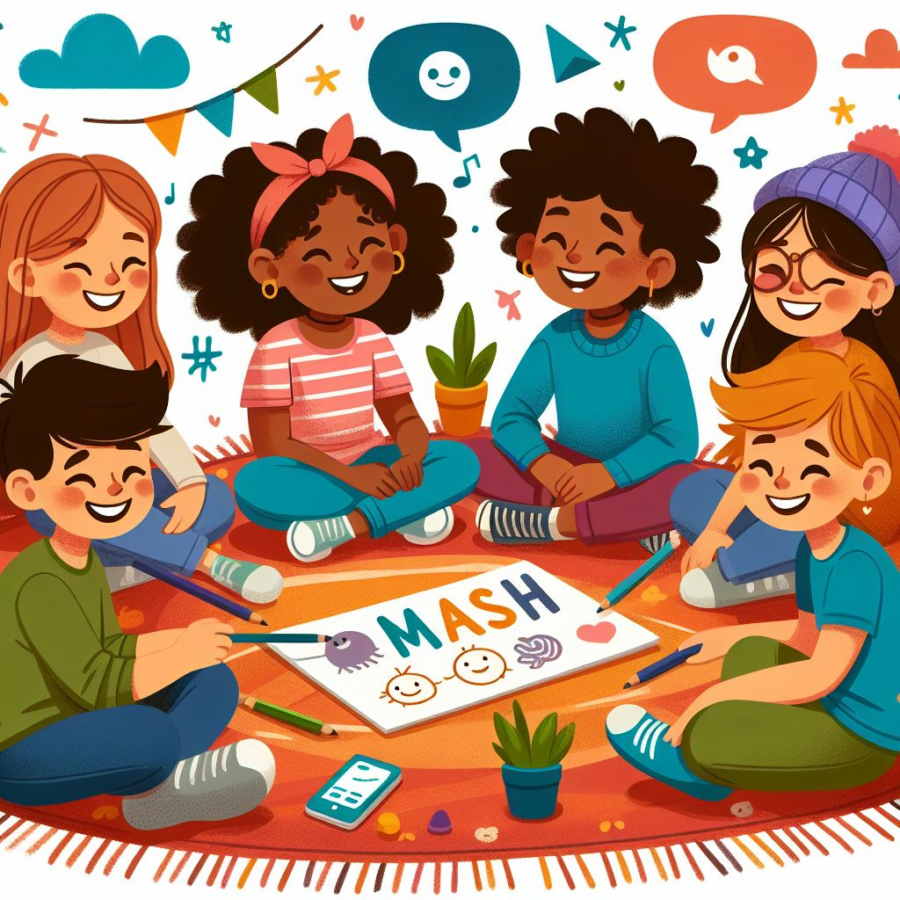
M.A.S.H. (Mansion, Apartment, Shack, House) was a popular game where we predicted our future lives. We would scribble down categories like where we would live, whom we’d marry, and how many kids we’d have.

This game was played with paper and pen, a concept increasingly foreign in the digital age. It was a fun, imaginative way to dream about the future. Today’s kids, with access to sophisticated online games, might find this simplistic game quaint.

4. Watching VHS Tapes

Sleepovers often featured movie marathons with stacks of VHS tapes. We would watch classic films or the latest rentals from Blockbuster. The ritual of rewinding tapes and the frustration of a worn-out VHS are unknown to kids today. These movie nights created a shared experience, very different from today’s individual streaming on personal devices. VHS tapes were a tangible part of our entertainment, something tactile and real.

5. Makeover Sessions

Makeover sessions were a highlight of many sleepovers. Armed with an array of cosmetics, we experimented with looks, often resulting in hilarious outcomes. These sessions were less about vanity and more about bonding and creative expression.

It was a time for personal interaction, a contrast to today’s filtered and edited online self-portrayals. The genuine fun in these makeovers is often missing in the age of online tutorials and beauty influencers.

6. Ghost Stories and Light as a Feather, Stiff as a Board

Telling ghost stories in the dark and playing supernatural games like “Light as a Feather, Stiff as a Board” were sleepover classics.

These activities tapped into our love for the mysterious and the thrill of being scared in a safe environment. The shared fear and excitement bonded us. Today’s kids, accustomed to CGI horrors and jump scares, might find these simple tales and games less thrilling.

7. Listening to CDs and Making Mixtapes

Music was a big part of sleepovers, with CDs constantly playing in the background. We would also spend hours making mixtapes for each other, carefully selecting songs that represented our friendships or current mood.

This tangible form of music sharing is a lost art in the era of digital playlists and streaming services. The personal touch in creating a mixtape made it a cherished item.

8. Reading Magazines

Flipping through stacks of magazines like ‘Seventeen’ or ‘Tiger Beat’ was a common activity. We would read about celebrity gossip, latest fashion trends, and teen advice. These magazines were our window to a larger world, a source of information and inspiration. In today’s world of online content and social media, the allure of printed magazines is fading.

9. Fashion Shows with Old Clothes
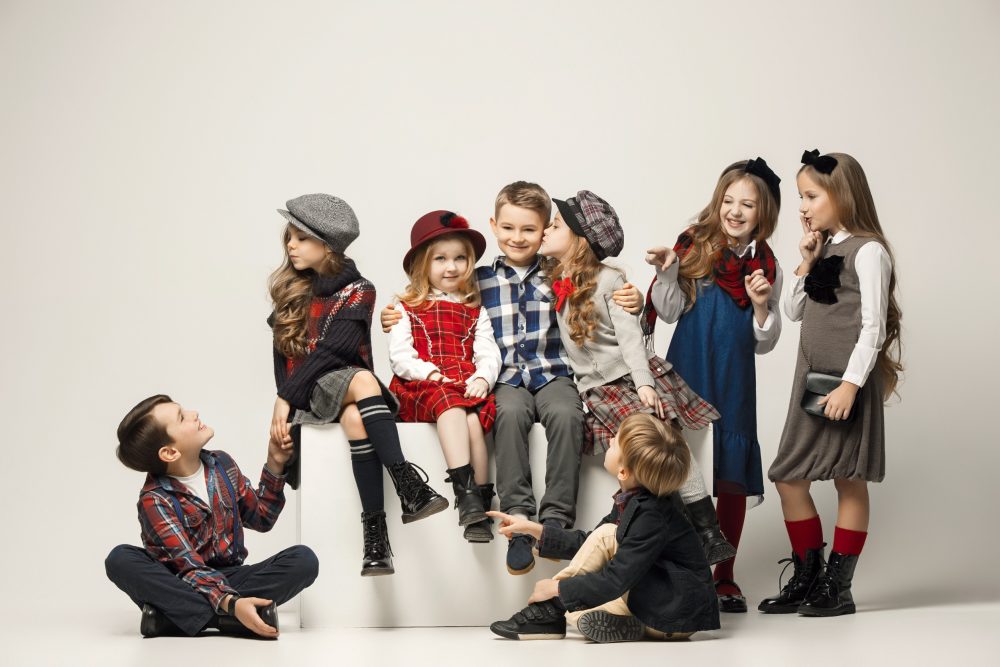
Organizing impromptu fashion shows with old clothes and costumes was a source of endless fun. We would dress up in outrageous outfits and strut around, often staging mock competitions.

This activity encouraged creativity and self-expression, a stark contrast to today’s fashion influencers and highly curated online personas. The innocence and spontaneity of these fashion shows are a fond memory.

10. Passing Notes and Slam Books

Communication at sleepovers often involved passing handwritten notes and filling out slam books. These books, filled with questions and answers, were a way to share thoughts and feelings.

The anticipation of reading someone’s response in a slam book was unique. In the digital era of instant messaging, the charm of handwritten notes is often overlooked.

11. Playing Board Games

Board games were a common sleepover activity, offering hours of interactive fun. From Monopoly to Clue, these games required face-to-face interaction and strategic thinking. They were a way to engage with friends in a shared activity, something that’s less common in today’s online gaming world. The tactile experience of moving pieces on a board is a nostalgic memory.

12. Late Night Heart-to-Heart Talks

One of the most cherished aspects of sleepovers was the late-night heart-to-heart talks. These conversations, often about dreams, fears, and crushes, deepened our friendships. They were authentic and raw, a contrast to the superficial interactions on social media. The value of these face-to-face, deep conversations is something that might be underappreciated today.

13. Exploring the Outdoors

Sleepovers often included outdoor adventures like night games of hide and seek or capture the flag. These games required physical activity and strategy, providing a sense of adventure and freedom. The thrill of playing under the stars is a fond memory, quite different from today’s indoor, screen-focused entertainment.

14. DIY Craft Projects

Engaging in DIY craft projects was another popular sleepover activity. Whether it was friendship bracelets, scrapbooking, or simple art projects, these activities fostered creativity and collaboration. The satisfaction of creating something with our hands is often missing in today’s digital creation tools.

Sleepovers of The Past

Sleepovers of the past were about simple pleasures, personal interaction, and imaginative fun. These activities might seem outdated to today’s generation, but they hold a charm and nostalgia that digital entertainment cannot replicate. They remind us of a time when the joy of friendship was found in the simplest of activities.

Latrice Perez

Latrice is a dedicated professional with a rich background in social work, complemented by an Associate Degree in the field. Her journey has been uniquely shaped by the rewarding experience of being a stay-at-home mom to her two children, aged 13 and 5. This role has not only been a testament to her commitment to family but has also provided her with invaluable life lessons and insights.  As a mother, Latrice has embraced the opportunity to educate her children on essential life skills, with a special focus on financial literacy.


Filed Under: Growing Up Tagged With: Listening to CDs and Making Mixtapes, M.A.S.H. Game, Makeover Sessions, Prank Calls, Sleepovers, Truth or Dare, Watching VHS Tapes

Think You’re Just Average? These 12 Signs Say You Might Have Grown Up Rich!

February 15, 2024 | Leave a Comment

Sometimes, the privileges of a wealthy upbringing can be so ingrained that they seem normal. This article explores 12 signs that might indicate you grew up in an affluent household – signs that go beyond the obvious and delve into the subtler aspects of a rich upbringing.

1. International Travel was a Regular Occurrence

For many, international travel is a dream, but if your childhood included frequent trips abroad, you might have grown up richer than you thought. These vacations weren’t just about leisure; they were educational experiences, exposing you to different cultures and languages.

Your passport was filled with stamps, and you have a collection of memories from around the globe. Your friends marveled at your summer stories from exotic locations. Such experiences, normal for you, are often out of reach for the average family.

2. Private Education Was the Norm

If attending a private school was a given in your family, it’s a sign of a wealthy background. Private education, often with high tuition fees, is a significant indicator of financial privilege. You probably wore a uniform, had small class sizes, and received personalized attention from teachers.

Your school might have had state-of-the-art facilities and offered a wide range of extracurricular activities. Alumni from your school are likely influential figures, and this network has possibly opened doors for you.

3. A Home with Ample Space and Amenities

Growing up in a large home with multiple bedrooms, bathrooms, and perhaps even a swimming pool or a tennis court is a tell-tale sign of wealth. You had your own room, decorated to your liking, and a backyard that was more like a private park.

Your home was in a prestigious neighborhood, known for its safety and affluence. House help, like gardeners and maids, were part of your everyday life. Such a living situation is a luxury that goes unnoticed when it’s all you’ve known.

4. Access to High-End Technology and Gadgets

If the latest technology and gadgets were readily available in your home, it suggests a level of wealth that exceeds the average. You had your own laptop or tablet from a young age and the newest gaming consoles.

Your home was equipped with advanced systems like smart home technology or a high-end home theater. These gadgets were updated regularly without much thought. This access to technology provided you with an early digital literacy that many of your peers lacked.

5. Owning Designer Clothing and Accessories

A wardrobe filled with designer labels is a clear indicator of growing up rich. You had access to high-quality, brand-name clothing from an early age.

Your sports gear and equipment were also top-of-the-line. Shopping for clothes was not about budgeting but about style and preference. You may not have realized it then, but your fashion choices set you apart from your peers.

6. A Calendar Filled with Structured Activities

A childhood filled with structured extracurricular activities like horseback riding, ballet, or music lessons, particularly private ones, suggests a privileged upbringing. These activities were not just hobbies; they were part of your structured development.

They were supplemented with private tutoring or coaching to enhance your skills. Your weekends and after-school hours were carefully planned with these activities. This level of structured enrichment is often financially out of reach for many families.

7. Healthcare Was Never a Concern

If you never had to worry about the cost of healthcare, it’s a sign of financial security. Regular check-ups, dental braces, or any needed medical procedures were taken care of without hesitation.

You had access to top healthcare professionals and facilities. Health insurance and emergency funds were a given in your family. This aspect of life, often a significant concern for many, was a seamless part of your upbringing.

8. Networking with Influential People

Your family’s social circle included influential people, and networking started at a young age for you. You were familiar with attending high-profile events, galas, or charity functions.

These events were opportunities for you to meet leaders in various fields. Your parents’ connections often played a role in your internships or job opportunities. This network, a norm for you, is a luxury that many work years to build.

9. A Higher Education Without Student Loans

The ability to attend college without the burden of student loans is a significant indicator of a wealthy background. Your education was seen as an investment, and the cost was not a limiting factor in choosing a university.

You might have attended a prestigious college, often a family alma mater. The concept of student debt was foreign to you, a reality for many of your peers. This financial freedom allowed you to focus solely on your studies and extracurricular activities.

10. Owning High-Quality Vehicles

Having access to a car during your teenage years, especially a high-end model, is a sign of a privileged upbringing. You might have received a car as a gift for your sweet sixteen or graduation.

This vehicle was not just about transportation; it was a status symbol. Your family owned multiple cars, and they were often luxury or premium brands. This level of automobile ownership is far from the norm for most families.

11. Gourmet Food and Dining Experiences

If your meals regularly included gourmet dishes or dining at fine restaurants, it indicates a lifestyle above the average. You were exposed to a variety of cuisines from a young age.

Eating out was a regular occurrence, not a special occasion. Your palate was sophisticated, and you knew your way around an upscale menu. This culinary lifestyle is a subtle yet clear sign of growing up in affluence.

12. Financial Literacy and Investment Knowledge from a Young Age

Learning about stocks, real estate, and investments as part of your childhood conversations signifies a wealthy background. You were educated about managing finances, savings, and the importance of assets.

You may have received stocks or bonds as gifts. This early financial literacy gave you a head start in understanding and managing wealth. For many, this education comes much later in life, if at all.

A Glimpse of These 12 Signs

These 12 signs offer a glimpse into the often-unnoticed privileges that come with a wealthy upbringing. While these experiences may seem ordinary to those who lived them, they are clear indicators of a financial advantage that shapes one’s perspective and opportunities in life.

Recognizing these signs can lead to a greater understanding of one’s privileged position and foster a more empathetic view towards the diverse financial backgrounds of others.

Tamila McDonald
Tamila McDonald

Tamila McDonald is a U.S. Army veteran with 20 years of service, including five years as a military financial advisor. After retiring from the Army, she spent eight years as an AFCPE-certified personal financial advisor for wounded warriors and their families. Now she writes about personal finance and benefits programs for numerous financial websites.

Filed Under: Growing Up Tagged With: A Home with Ample Space, Access to High-End Technology, Signs Say You Might Have Grown Up Rich

Normal or Not? 8 Clues That Might Change Everything You Thought About Your Childhood

February 7, 2024 | Leave a Comment

As we journey through life, the lens through which we view our childhood experiences often changes. We look back with a mix of nostalgia and insight, piecing together memories that seemed innocent and ordinary at the time. But what if these recollections hold deeper, more complex truths than we initially perceived?

We will dive into the heart of this introspection, revealing eight startling clues that may indicate your childhood wasn’t quite what it seemed. From subtle family dynamics to overlooked emotional signals, we unravel the layers of what many of us consider a ‘normal’ upbringing. Prepare to embark on a journey of self-discovery, as we uncover the hidden truths lurking beneath the surface of our childhood memories.

1. Overemphasis on Appearances

In some families, there is a significant focus on maintaining a perfect image. This could mean hiding family issues, showcasing an ideal life on social media, or prioritizing material possessions over emotional wellbeing. Constant pressure to look and act a certain way, especially in public, can be exhausting and confusing for a child.

If you felt like your family was performing for an audience, this might indicate a dysfunctional undercurrent. Behind closed doors, if things were vastly different, it’s a sign that appearances were more important than reality.

2. Unpredictable Emotional Environment

Did you often feel like you were walking on eggshells at home? An environment where moods and reactions are unpredictable can be a sign of dysfunction.

Were you constantly trying to gauge the mood of a parent or caregiver to avoid conflict? If so, it suggests an unstable emotional atmosphere. This unpredictability can lead to constant anxiety and a feeling of never being able to relax at home. Children in such environments often grow up to be hyper-vigilant adults, always on edge.

3. Excessive Criticism or Expectations

Families that set unrealistically high expectations or are overly critical can leave lasting impacts. If mistakes were met with severe criticism rather than support, it could foster a sense of inadequacy. This environment often leads to children developing perfectionist tendencies, constantly striving for approval. If you felt that nothing you did was ever good enough, it’s a sign of a dysfunctional family dynamic. Remember, constructive support fosters growth, but constant criticism can hinder it.

4. Lack of Emotional Support

A key sign of a dysfunctional family is the absence of emotional support. If expressing feelings was discouraged or met with indifference or ridicule, it’s a significant red flag. Children in such families often learn to suppress their emotions, leading to difficulty in expressing themselves in adulthood. If you felt alone in dealing with your problems or emotions, it suggests a lack of necessary support. Every child deserves a safe space to express themselves without fear of judgment.

5. Inconsistent Discipline or Boundaries

Inconsistent discipline or unclear boundaries can create a confusing environment for a child. If rules changed frequently or punishments were unpredictable, it can lead to a sense of insecurity. On the other hand, overly rigid and strict rules can be equally damaging, creating an oppressive environment. Healthy families have clear, consistent rules and boundaries that are enforced with fairness. Remember, discipline is about teaching, not punishment.

6. Parentification

Parentification involves roles being reversed, where a child takes on the responsibilities of a caregiver. This could be due to a parent’s physical or mental health issues, or their inability to cope with adult responsibilities. If you found yourself caring for siblings or taking on adult tasks at a young age, it’s a sign of dysfunction. While it can lead to maturity and resilience, it can also result in missed childhood experiences and emotional burden.

7. Lack of Privacy or Autonomy

If your family did not respect your privacy or autonomy, it could indicate dysfunction. Overly intrusive parents or guardians who don’t allow personal space or independent decision-making can hinder a child’s development. A healthy family environment fosters independence while providing guidance and support. If you felt like you were under constant surveillance or control, it’s a sign that your family dynamics were skewed.

8. Conditional Love

The foundation of a healthy family is unconditional love. If love and affection in your family seemed contingent on achievements, behavior, or meeting certain expectations, it’s a cause for concern. Conditional love can lead to a lifelong struggle with self-esteem and worthiness. Remember, everyone deserves love and acceptance, no matter what.

Recognizing These Signs

In recognizing these signs, it’s important to understand that it’s not about placing blame, but about gaining awareness of how your childhood has shaped you. If you relate to these signs, consider seeking support or therapy to work through these issues. And remember, it’s never too late to heal and create a life that feels genuinely fulfilling.


Tamila McDonald
Tamila McDonald

Tamila McDonald is a U.S. Army veteran with 20 years of service, including five years as a military financial advisor. After retiring from the Army, she spent eight years as an AFCPE-certified personal financial advisor for wounded warriors and their families. Now she writes about personal finance and benefits programs for numerous financial websites.

Filed Under: Growing Up Tagged With: Childhood, Excessive Criticism or Expectations, Overemphasis on Appearances, Unpredictable Emotional Environment

15 Nostalgic Snacks and Treats We Wish Would Make a Comeback

February 6, 2024 | Leave a Comment

In a world where food trends come and go, there’s something undeniably appealing about the snacks and treats of our past. The mere mention of these nostalgic goodies can transport us back to simpler times. Let’s delves into 15 iconic snacks and treats that have vanished from the shelves but remain in our hearts. We’ll explore why they were so loved, and why they should make a grand return.

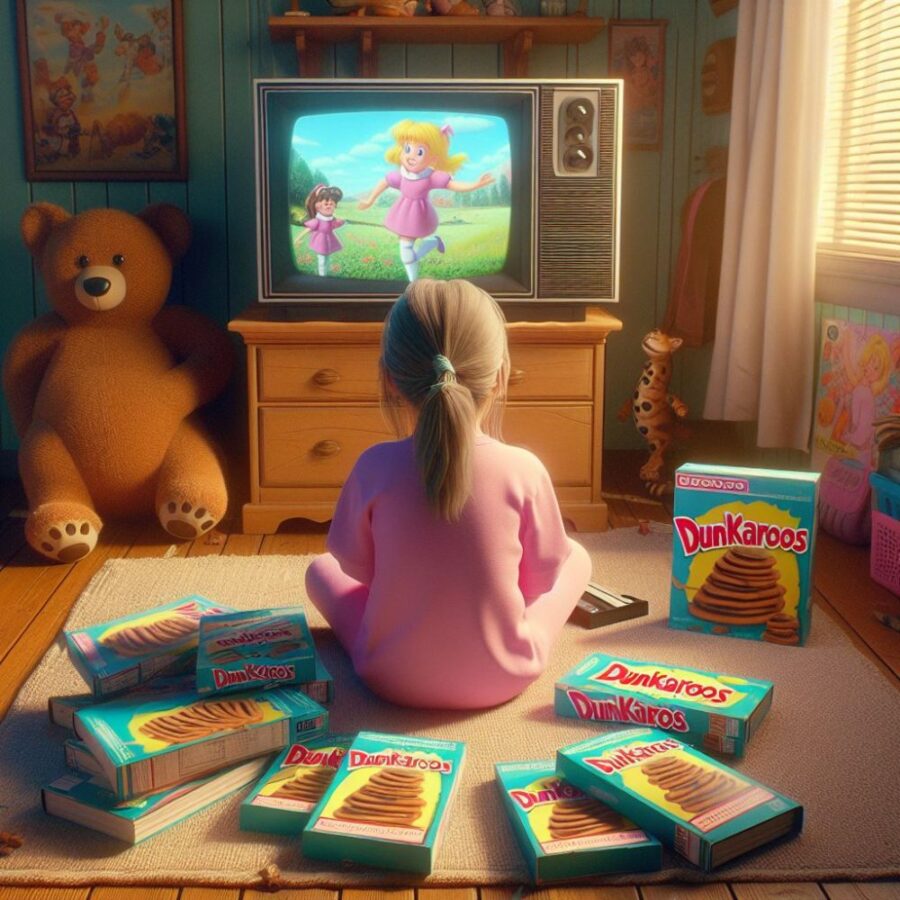
1. Dunkaroos

The 90s were a magical time, and Dunkaroos were the epitome of snack-time joy. These delightful cookie and frosting combos were not only delicious but also fun to eat. The excitement of dunking cookies into creamy frosting made every bite an adventure. With a recent surge in 90s nostalgia, the return of Dunkaroos would be a welcomed treat for both millennials and the new generation.

2. Planters Cheez Balls

Planters Cheez Balls were a crunchy, cheesy delight that left our fingers coated in orange dust. Their perfect round shape and intense cheese flavor made them a hit at any party. Although there have been many attempts to replicate this snack, none have quite captured the unique taste and texture of the original. A comeback would surely be a hit.

3. Altoids Sours

Altoids Sours were the perfect blend of sweet and sour in a tiny, portable tin. These tangy candies were a favorite for freshening breath with a zesty twist. Their disappearance left a void in the candy world that’s yet to be filled. The revival of Altoids Sours would bring back a beloved treat and add some zest to our lives.

4. Oreo O’s Cereal

The breakfast of champions for any kid of the 90s, Oreo O’s cereal was like having dessert for breakfast. The combination of chocolatey, crunchy O’s with that distinct Oreo flavor was a dream come true. With the recent comeback of several retro cereals, Oreo O’s would be a perfect addition to the breakfast club.

5. Butterfinger BB’s

Butterfinger BB’s took the classic Butterfinger bar and transformed it into bite-sized bliss. Their crunchy texture and peanut butter flavor were uniquely satisfying. These little balls of joy were not just a treat but an experience. It’s high time these tiny treasures made a return to our snack line-up.

6. 3D Doritos

3D Doritos were more than just a snack; they were an innovation in the world of chips. Their unique shape and texture created a snacking experience unlike any other. The light, airy, and crunchy feel of 3D Doritos is something fans have been missing and longing for since their disappearance.

7. Wonder Ball

The Wonder Ball was the ultimate surprise treat – a chocolate ball filled with more candy and stickers. The anticipation of discovering what was inside made it a thrilling snack for kids. In an age where unboxing videos are all the rage, the Wonder Ball would fit right in.

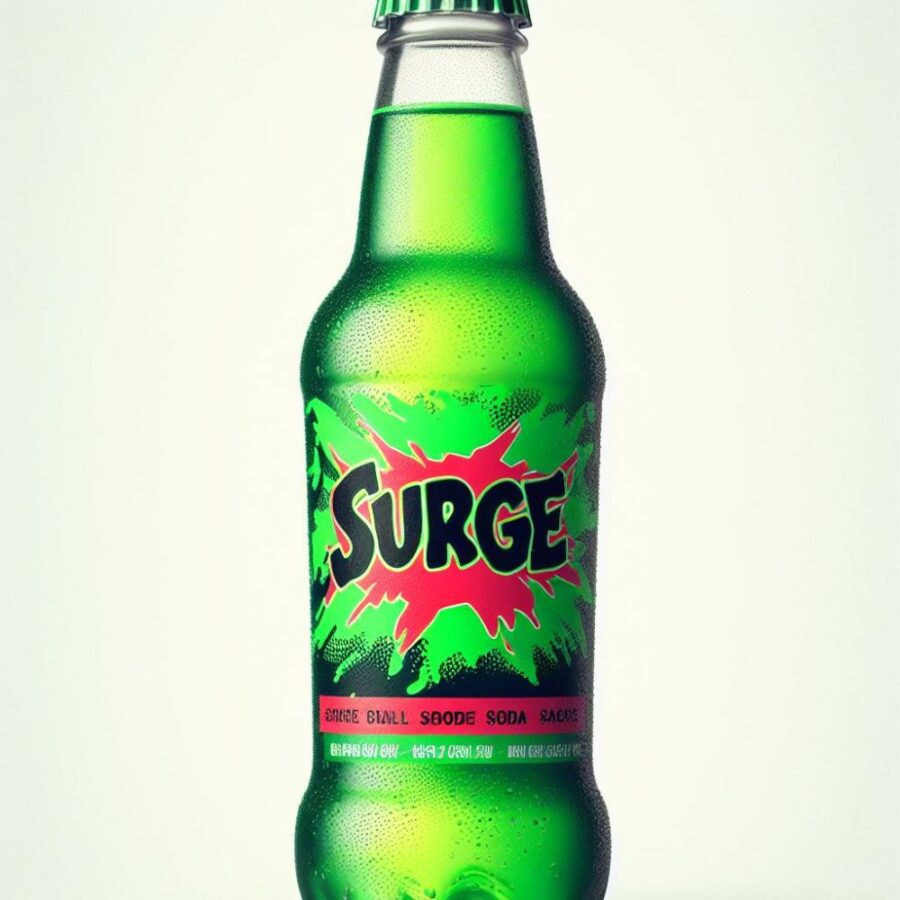
8. Surge

Surge soda was the energy boost of choice for many teens and young adults in the 90s. Its vibrant green color and citrusy flavor made it stand out. With the recent resurgence of retro sodas, Surge would be a nostalgic and refreshing addition to the beverage aisle.

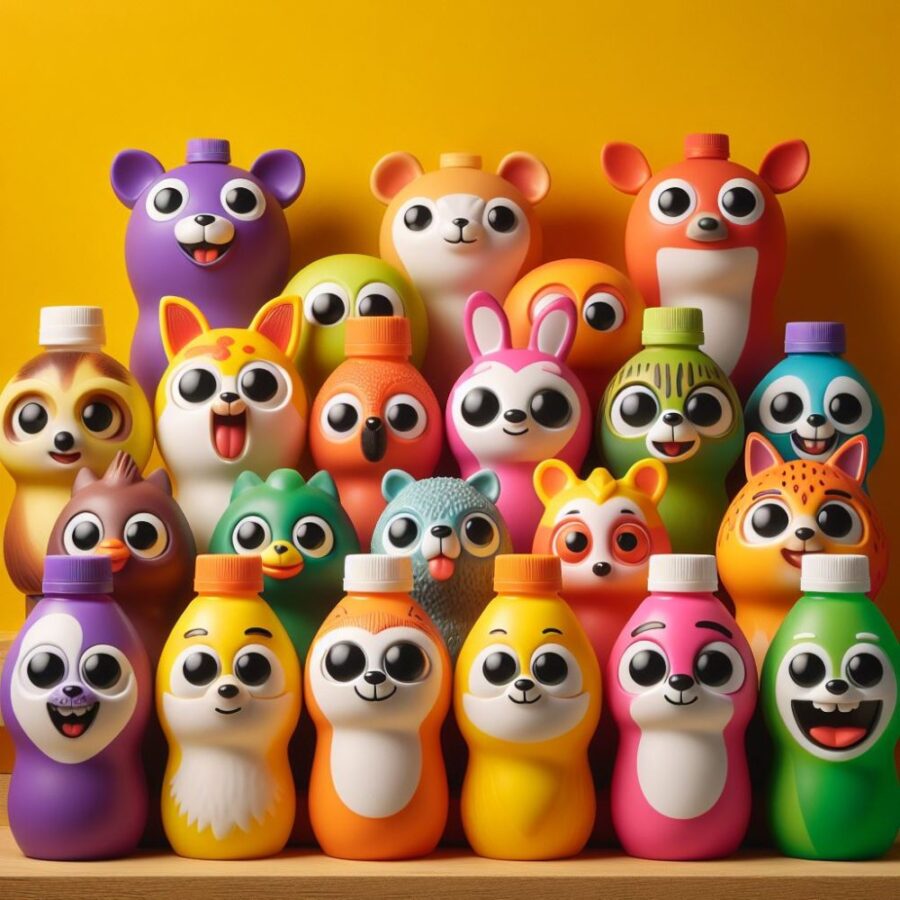
9. Squeezit

Squeezit colored drinks were not just delicious – they were fun! Kids loved squeezing the plastic bottles to get every last drop of the fruity drink. The interactive nature of Squeezit made it more than just a beverage; it was an experience.

10. Shark Bites Fruit Snacks

Shark Bites were more than just fruit snacks; they were a hunt for the elusive white shark in each pack. Their fruity flavor and fun shapes made them a hit among kids. With the current trend of retro revivals, Shark Bites would be a welcome return to the snack world.

11. Crystal Pepsi

Crystal Pepsi stood out for its clear appearance and refreshing taste. It was a novel idea that captured the imagination of soda lovers. With the ongoing trend of transparent and natural-looking foods, Crystal Pepsi’s comeback would be both timely and trendy.

12. P.B. Crisps

P.B. Crisps were a peanut butter lover’s dream come true. These crispy, peanut-shaped snacks filled with creamy peanut butter were addictively delicious. There’s been a continuous demand for their return among snack enthusiasts.

13. Fruitopia

Fruitopia was more than a fruit drink; it was a cultural icon of the 90s. Its variety of flavors and psychedelic packaging captured the essence of the era. In today’s health-conscious world, a revamped, natural version of Fruitopia could find a whole new audience.

14. Magic Middles

Magic Middles cookies offered a delightful surprise with their soft, gooey, chocolatey center. They were the perfect balance of cookie and chocolate, making them an irresistible treat. The return of Magic Middles would certainly be a hit among cookie connoisseurs.

15. Reggie! Bar

Named after baseball legend Reggie Jackson, the Reggie! Bar was a unique blend of caramel, peanuts, and chocolate. It wasn’t just a candy bar; it was a tribute to an American sports hero. With the current interest in sports memorabilia, the Reggie! Bar could make a nostalgic comeback.

Nostalgic Snacks and Treats

These 15 nostalgic snacks and treats represent more than just flavors; they symbolize memories and simpler times. Their comeback would not only satisfy our taste buds but also our hearts.  Share your memories of these classic snacks and join the movement to bring them back! Let’s make nostalgia the trend of today. Share, like, and comment with your favorite snack from the list! #BringBackOurSnacks

Tamila McDonald
Tamila McDonald

Tamila McDonald is a U.S. Army veteran with 20 years of service, including five years as a military financial advisor. After retiring from the Army, she spent eight years as an AFCPE-certified personal financial advisor for wounded warriors and their families. Now she writes about personal finance and benefits programs for numerous financial websites.

Filed Under: Growing Up Tagged With: Altoids Sours, Dunkaroos, nostalgic snacks and treats, Planters Cheez Balls

16 Embarrassing Trends and Phases Everyone Went Through in Middle School

January 31, 2024 | Leave a Comment

Middle school is a time of exploration, identity formation, and, let’s face it, some cringe-worthy trends. From fashion faux pas to social media mishaps, these are the phases that many of us would rather forget but can’t help but laugh at now.

In this stroll down memory lane, we’ll revisit 16 embarrassing trends that almost everyone went through during those formative middle school years. The contrast between these past trends and the current ones, as well as their surprising endurance, makes for an interesting read.

1. Overplucked Eyebrows

There was a time when thin, overplucked eyebrows were all the rage. Countless middle schoolers fell victim to the tweezer, resulting in barely-there brows that seemed like a good idea at the time. Trends now have swung dramatically in the opposite direction, with full, natural brows dominating the beauty scene. The stark contrast between then and now makes this trend a particularly humorous memory. It’s a testament to how beauty standards evolve, often leaving us wondering what we were thinking.

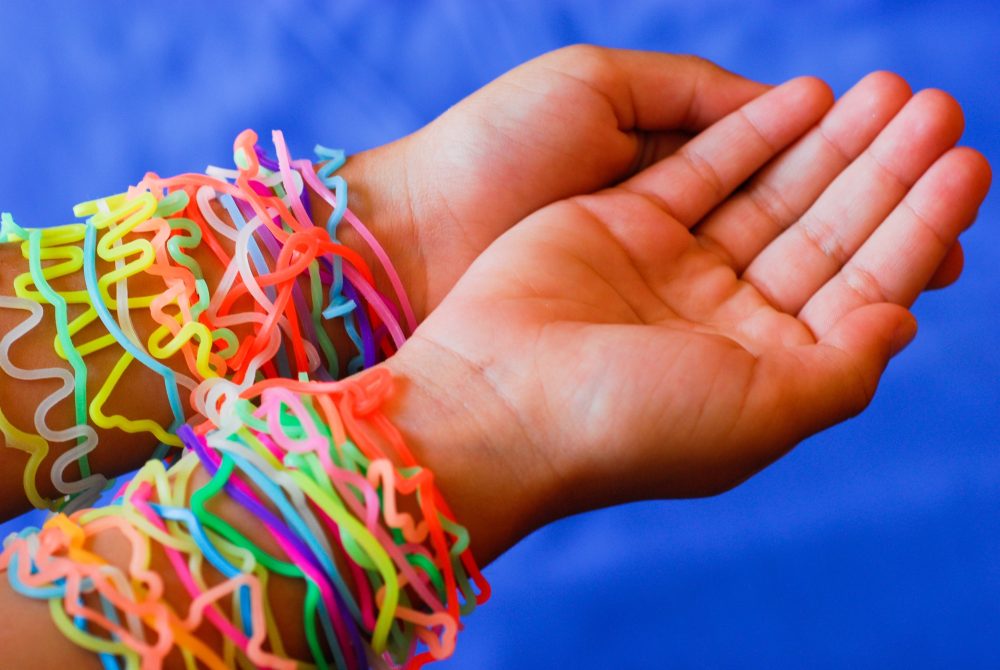
2. Silly Bandz Obsession

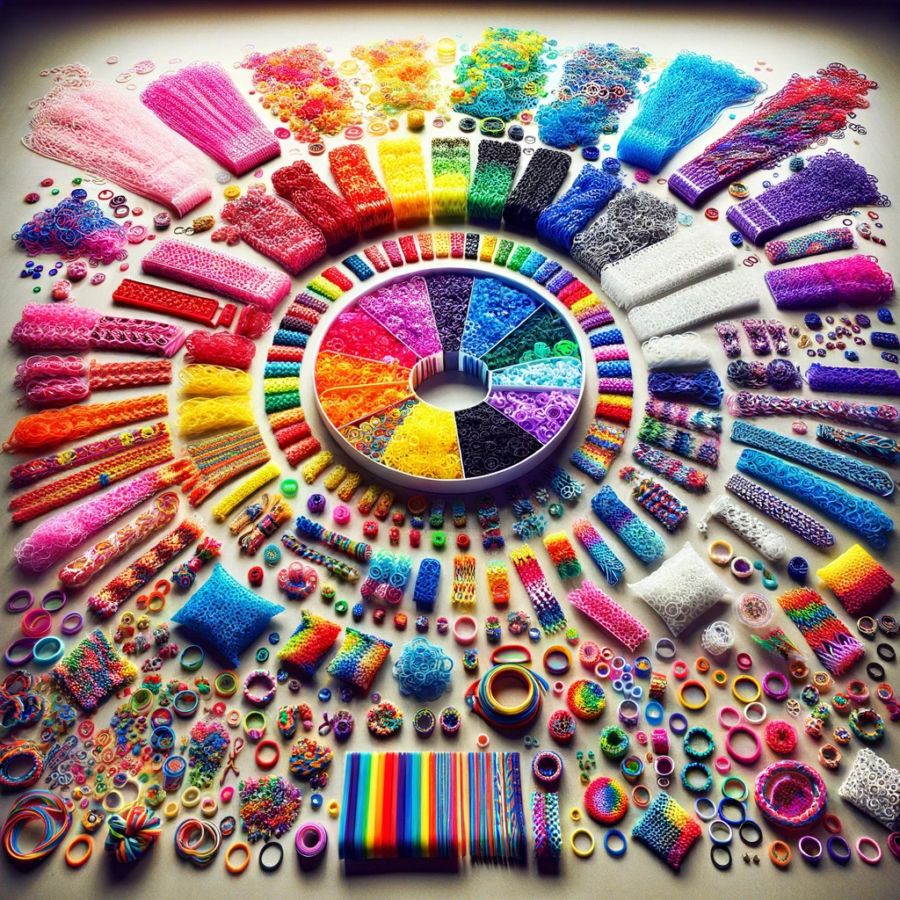
Remember when Silly Bandz were more than just rubber bands, but a full-blown social currency? Middle schoolers collected, traded, and flaunted these colorful bracelets with a fervor that bordered on obsession. The craze was such that schools had to ban them for being a distraction. Today’s trends might lean towards more sophisticated tech gadgets, but the simplicity and innocence of Silly Bandz remain a charming relic of middle school days. It’s a reminder of how quickly fads can come and go.

3. Duck Face Selfies

The duck face selfie was a quintessential part of middle school social media presence. Puckering up for the camera was considered the height of cool, despite how ridiculous it looks in hindsight. Selfie trends today are more about natural expressions and candid shots, making the duck face seem even more outlandish. This trend is a humorous example of how social media can influence and amplify teenage behavior. Looking back, it’s a reminder of the power of trends in shaping our digital identities.

4. Flashy Graphic Tees with Slogans

Graphic tees with loud, often nonsensical slogans were a staple of middle school fashion. These shirts were a way for tweens to express their budding personalities, albeit in a not-so-subtle way. In contrast, current fashion trends favor minimalism and understated designs, making these flashy tees seem like a distant, somewhat embarrassing memory. The evolution from bold statements to refined styles reflects a broader shift in fashion sensibilities. It’s a trend that many are happy to leave in the past.

5. Excessive Hair Gel Use

Spiked, stiff hairstyles held in place with copious amounts of hair gel were a common sight in middle school hallways. This trend, though popular at the time, often resulted in hairstyles that were more comical than cool. Hairstyles now favor a more natural look, making the gel-caked spikes of yesteryear a funny, if not slightly embarrassing, memory. This trend serves as an example of how personal grooming standards can change drastically over time. It’s a reflection of the trial-and-error process of finding one’s style.

6. Neon Everything

Neon colors were the go-to choice for clothing, accessories, and even school supplies. This trend was all about being as bright and attention-grabbing as possible, a stark contrast to the more subdued color palettes popular today. The neon phase was a fun, if not blinding, expression of youthful exuberance. Looking back, it’s a colorful reminder of the fearless fashion choices of middle school. It’s interesting to see how color trends have shifted towards more earthy and pastel tones in recent years.

7. Obsession with Boy Bands

Boy bands dominated the middle school social scene, with posters, albums, and fan merchandise being highly coveted items. This phase often included passionate debates about which band member was the cutest. Compare this with the diverse and eclectic music tastes of today’s youth, and the boy band craze seems almost quaint. It’s a nostalgic look at how music can define a generation and its trends. The shift from boy bands to a more varied music landscape reflects the broadening of cultural horizons.

8. Emo Phase

The emo phase, with its black eyeliner, skinny jeans, and moody music, was a rite of passage for many. This trend was all about expressing angst and emotions, often in an exaggerated way. Today’s youth are more about authentic self-expression and mental health awareness. The emo phase, though often mocked, was an important outlet for many during a confusing time. It’s a trend that speaks to the timeless teenage need to be understood and to belong.

9. Crazy Hair Colors

Experimenting with wild hair colors was a bold statement made by many middle schoolers. From electric blues to fiery reds, these hair choices were a form of self-expression and rebellion. While colorful hair is still in, the approach is more sophisticated and often more temporary. This trend highlights the fun and fearless experimentation that is characteristic of middle school years. It’s a celebration of individuality, even if it was a bit over the top.

10. Wearing Too Much Axe Body Spray

Axe body spray was almost a rite of passage for middle school boys, often used in excessive amounts. The overpowering scent became synonymous with middle school locker rooms and hallways. Today’s grooming products emphasize subtlety and personalization. The Axe phenomenon is a humorous yet poignant reminder of the awkwardness of adolescent grooming habits. It’s a trend that many are glad to have left behind.

11. YOLO Mentality

The phrase “YOLO” (You Only Live Once) became a mantra for impulsive and often questionable decisions. This trend reflected a carefree, sometimes reckless, attitude that is typical of middle school thinking. Trends now lean towards more mindful and considered life choices, even among the youth. YOLO, while an amusing relic of the past, serves as a reminder of the evolving nature of youth culture. It’s a phrase that encapsulates the fearless, if not always wise, spirit of adolescence.

12. Loom Band Craze

Loom bands were yet another crafting craze that swept through middle schools. These tiny rubber bands were woven into bracelets, keychains, and other accessories. While current trends might favor digital creativity, the loom band phase was all about hands-on crafting. It’s a trend that, while somewhat embarrassing in its intensity, highlights the creativity and resourcefulness of middle schoolers. It’s a testament to how trends can spark creativity and community.

13. Planking Everywhere

Planking, the act of lying face down in unusual locations for photos, became a bizarre trend. This practice was often done in the name of humor and social media clout. TikTok challenges are still all the rage, but planking was a precursor to many of these viral phenomena. It’s an amusing example of how social media can drive odd behavior. Planking was a harmless, if not slightly ridiculous, phase that many participated in.

14. Heelys and Roller Shoes

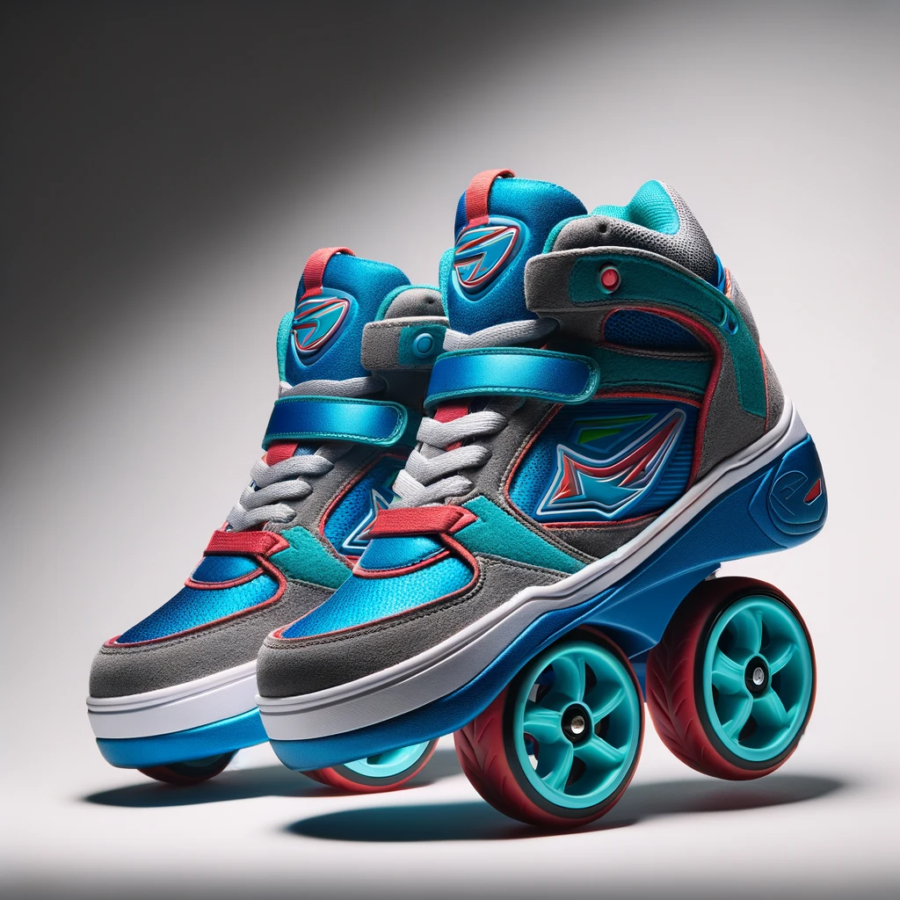
Heelys and other roller shoes were a popular, if not hazardous, trend. Gliding down hallways and sidewalks, middle schoolers embraced this unique blend of footwear and transportation. Newer trends lean towards more practical and less gimmicky shoes. Heelys represent a time of playful innocence and a willingness to embrace the unconventional. It’s a fun memory of a time when footwear was about more than just style.

15. Twilight and Vampire Obsession

The “Twilight” saga sparked a vampire obsession that took over middle school culture. From team Edward vs. team Jacob debates to vampire-themed parties, this trend was inescapable.

Current pop culture trends are more diverse, encompassing a wide range of genres and interests. The vampire craze is a reminder of how a single book or movie series can influence an entire generation. It’s a nostalgic look back at the power of fandom.

16. Virtual Pet Mania

Virtual pets, like Tamagotchis, were a major craze, with students obsessively caring for their digital critters. This trend was the precursor to today’s mobile gaming and app crazes. The shift from simple keychain games to sophisticated mobile gaming reflects the rapid evolution of technology. Virtual pet mania was a charming phase that combined responsibility with fun. It’s a trend that many look back on with fondness, despite the occasional stress of keeping their pet alive.

Looking back!!!

Looking back at these 16 embarrassing trends and phases, it’s clear that middle school is a time of exploration, experimentation, and, yes, a few cringe-worthy moments. From over-the-top fashion choices to quirky social media crazes, are a part of growing up.

They reflect the evolving nature of youth culture and the constant search for identity during adolescence. While we might laugh at these memories now, they are a reminder of the fearless and unapologetic spirit of middle schoolers, always ready to embrace the next big thing, no matter how embarrassing it might seem in hindsight.

Tamila McDonald
Tamila McDonald

Tamila McDonald is a U.S. Army veteran with 20 years of service, including five years as a military financial advisor. After retiring from the Army, she spent eight years as an AFCPE-certified personal financial advisor for wounded warriors and their families. Now she writes about personal finance and benefits programs for numerous financial websites.

Filed Under: Growing Up Tagged With: 2010's Middle schoolers, Duck Face Selfies, Embarrassing Trends and Phases Everyone Went Through in Middle School, Flashy Graphic Tees with Slogans

4 Tips for Taking Care of Your Child’s Overall Well-Being

May 9, 2023 | Leave a Comment

When you have kids, your entire life’s perspective and priorities may change. That’s because you’ll get focused on providing them with the best possible upbringing so as to improve their outlook for the future. If you have this intention but you’re unsure about how exactly you can go about doing this, have a look below. You’ll see four tips that can help you take good care of your child’s overall well-being and give them a chance to thrive in the future.

1. Take Them for Regular Health Wellness Checks

The first thing that you ought to do is to make sure that their health is in perfect shape. You can do this by taking them to a family doctor or pediatric health care provider regularly. If you can do this, a number of issues that might otherwise have a devastating outcome if left unchecked will be easier to handle. One of these is something like juvenile arthritis, which affects almost 300,000 children in the United States. Make sure to follow the doctor’s advice on things like lifestyle changes that they suggest you should make for the better health of your child as well. This can help you keep your child in amazing health.

2. Teach Them About Digital Safety

Another thing that you need to do is to teach your children about taking care of themselves online. The world is going digital at a very fast rate, and this is why you need to make sure that your child is safe from the risks that exist in this sphere of life. Find out the risks they may face and educate your kids about them. Make use of parental control so that you can help protect your child from interacting with people or things that they shouldn’t. This is something you can do for the various social media platforms that exist. Note that 78% of journalists reported that their most valuable social media platform is Twitter. The younger population may have different preferences, so make sure you’re informed about them and you’ll be better able to keep your kids safer online.

3. Put Them in a Great School

Education is an important part of a stable and rewarding life, and this is why you need to make sure that your kids get the best. This may involve looking at different schools and making sure to put your child in one that reflects your beliefs and that can work out well for their learning style and abilities. Enable them to learn effectively by getting them the supplies they need and also keeping them well-fed and in great health. This is important when you consider the fact that 4.6% of children aged between five and 11 years missed 11 or more days of school in the last year as a result of injury or illness.

4. Remember Their Mental Health

Last but definitely not least, it’s important for you to make sure that your child’s mental health is taken care of. That’s because this is one of the things that’s easy to forget about when taking care of your children’s health. All the same, it’s an extremely important thing to take into consideration as it can impact different parts of your child’s life and well-being. Provide open lines of communication for your children so that they can approach you in case they have any issues, and this will work out well.

With these four tips, you have the chance to ensure that your children are well taken care of. They’ll thrive and grow to become productive members of society who can enjoy their lives to the fullest. They’ll also take good care of their children as a result, so it’s a gift that will keep on giving.

Filed Under: Growing Up, Parenting

7 Unexpected Expenses as Your Kids Get Older

October 6, 2022 | Leave a Comment

Unexpected Expenses as Your Kids Get Older

My friend recently had a baby, and she has so much fun dressing him in cute clothing that she buys from Etsy. He has a better wardrobe than most adults! I understand her excitement in decking her baby out in adorable clothing (I did the same thing when I had my first child). However, I know her budget is tight, so I want to tell her, “Save some of that money for unexpected expenses as your kids get older,” but, of course, I don’t say that. Yet, parenthood has taught me that life will always throw you and your kids curve balls, which are often expensive!

Here are some unexpected expenses to plan for as your kids get older:

Larger Vehicle

You may think your current vehicle will suffice, especially if you only have one or two children. However, you may be surprised how quickly your family outgrows the car. We had a Toyota Echo when our first child was born, which I thought would be fine. However, we traveled frequently, and all the gear we had to bring for the baby didn’t fit in an Echo. So, in less than four months, we moved up to a minivan, which we still have 18 years later!

Don’t forget that your kids will likely want to bring friends to different activities, which is another reason you might need a bigger car.

Increased Grocery Bill

Everyone knows the grocery bill will increase when you have kids, but no one is prepared for the tween and teen years. Kids that age are growing rapidly, and they need a lot of food! When my son turned 11, I was shocked at how much he started to eat!

Private School or Homeschool

Public school is a good option for most kids, but some need a different environment, so their parents send them to private school. Or, parents like us might decide that homeschooling is a better option. Unfortunately, you may have planned for your kids to graduate from public school, so you’re unprepared to pay for private school or homeschooling when public school doesn’t work out.

Therapy for a Disability

Unexpected Expenses as Your Kids Get Older

No parent thinks their child will have a disability. I didn’t, yet, I have three kids, and each one has two diagnoses—two with autism, two with dyslexia, two with ADHD. These disabilities have cost us thousands of dollars in therapy that insurance would not cover. Thankfully, the therapy helped and the kids are doing great, but we did not anticipate having to pay for therapy, let alone having to spend so much.

Psychologist

Likewise, many kids, especially during COVID, needed a psychologist’s assistance. While most insurance plans cover psychologist appointments, you will likely have to pay a co-pay. Even if your co-pay is only $20 a session, you’re paying $1,080 over a year if your child goes once a week.

Electronics

Thirty years ago, parents didn’t have to pay a lot for electronics unless it was for a Nintendo or Atari game. Now, kids need laptops for their schoolwork, especially since some of the work (or all of it) may be online. In addition, most teens and tweens have cell phones that you’ll need to pay for.

I bought my youngest two simple Gabb phones, but they still run $50 monthly for two lines. Electronics expenses add up quickly!

High School Fund

A wise parent will start a high school fund when their children are young. Many activities in high school are pricey. Consider saving for

  • Class trips,
  • Homecoming,
  • Prom,
  • Senior pictures,
  • College application fees,
  • ACT or SAT prep and test fees

Final Thoughts

If you have a baby or a toddler, pour yourself into them, but remember, there are many unexpected expenses as your kids get older that you’ll want to save for now. Even though it’s cute to dress babies in adorable clothes, make sure you’re also saving for the future.

Read More

5 States that Offer Empowerment Scholarships for Special Needs Children

How to Afford Raising a Child with Special Needs

Can You Homeschool and Work from Home?

Get The Best Trading Laptop

Melissa Batai
Melissa Batai

Melissa is a writer and virtual assistant. She earned her Master’s from Southern Illinois University, and her Bachelor’s in English from the University of Michigan. When she’s not working, you can find her homeschooling her kids, reading a good book, or cooking. She resides in Arizona where she dislikes the summer heat but loves the natural beauty of the area.

Filed Under: Growing Up, Money and Finances, Parenting Blog at KidsAintCheap Tagged With: Activities, Family Budget, family car, Kids, school, Sports

Simple Ways to Create Memories with Your Kids

September 22, 2022 | Leave a Comment

Ways to Create Memories with Your Kids

Sometimes when your kids are little, every day might seem so LONG. The kids have endless needs you have to meet, and they might fuss, cry, or have tantrums. However, smiling older women look at you in the store and compliment your beautiful family and reminisce about their now-grown children. People tell you, “The days are long, but the years are short.” Yet, while you try to enjoy the days, sometimes you struggle. As your kids grow older (and it happens so quickly!), you realize that the time you have with them is fleeting, and you want to create memories with them. Here are some suggestions to do just that.

Simple Ways to Create Memories with Your Kids

Creating memories with your kids doesn’t have to be expensive. You simply need to spend your undivided time with them.

Actively Watch Their Sports

How often have you gone to kids’ sporting events and seen parents not watching the game but instead giving all of their attention to their smartphones? Put the phone aside and watch your kids. They notice, and they’ll appreciate that you spend time on them, not on the internet.

Have a Dedicated Movie Night

One fun family tradition is to have a dedicated movie time. In our family, we watch a movie on Sunday afternoon. This activity may not seem like much, but your kids will likely enjoy this tradition and remember it fondly when looking back on their childhoods.

Play Board Games

Likewise, you can have a family game night. Or, if you can’t play board games with the family that often, make a habit of playing a board game with your child at least once every two weeks. Your kids will enjoy playing the game and the time you gave them.

Read Aloud to Them

Ways to Create Memories with Your Kids

This family tradition is best started when your kids are young, though you can begin any time they’re in elementary school. When my kids were babies, I started reading aloud to them, and we never stopped. My younger kids are now 13 and 12, and I still read aloud to them every day. I’m sure this is one activity they’ll cherish and hopefully repeat with their children.

Have a Yes Day

Too often, we parents say no because it’s more convenient than saying yes. Challenge yourself to say yes one day and see how different the day will be. “Mom, can we go to the park?” Yes. “Can I bake a cake?” Yes. If the activity the children propose isn’t dangerous or out of your budget, try saying yes and see what happens.

Take Them on Vacation

Finally, if you have the means, take your children on vacation. Getting out of your element and exploring new places leads to family bonding, especially when you reminisce about your adventures years later.

Final Thoughts

Kids grow up too quickly. The older women in the stores are right—the days are long, but the years are short. Cherish the time you have by utilizing simple ways to create memories with your kids. You’ll be glad you did.

Read More

Vacation Before Your Kids No Longer Want to Hang with You

5 Ways We Inspire a Love of Reading in Our Kids

4 Road Trip Tips When Traveling with Tweens

Melissa Batai
Melissa Batai

Melissa is a writer and virtual assistant. She earned her Master’s from Southern Illinois University, and her Bachelor’s in English from the University of Michigan. When she’s not working, you can find her homeschooling her kids, reading a good book, or cooking. She resides in Arizona where she dislikes the summer heat but loves the natural beauty of the area.

Filed Under: Family Time, Growing Up, Parenting, Parenting Blog at KidsAintCheap Tagged With: board games, family vacation, kids in sports, read aloud, spending money, Sports, time with kids, Vacation, yes day

5 Ways We Inspire a Love of Reading in Our Kids

August 14, 2022 | Leave a Comment


Inspire a Love of Learning

As a child, one of my favorite activities was reading. This love of reading and later, writing, helped lead me to major in English in college, become a college English instructor, and learn more about the world than I ever could have without books. Because books enriched my life so heavily, when I had kids, I wanted them to love reading as much as I did. Luckily, most of them do. We inspire a love of reading in our kids using the following methods.

How We Inspire a Love of Reading in Our Kids

To help your kids fall in love with books and reading, you need to immerse them in the reading world.

Read Aloud to Them

From the time our kids were born, we read aloud to them. At first, we started with short board books like Goodnight Moon and The Going to Bed Book. (At this stage, don’t be surprised or annoyed if your child asks you to read the same book over, and over, and over again!) Then we expanded into longer stories until we were reading our kids chapter books when they were in preschool. I continued reading to them all through middle school.

Have a Home Library

To foster a love of reading, surround your kids with books. We always had bookshelves filled with books the kids could look through when they were little and read when they started school.

You don’t have to spend a lot of money to do this. For example, we picked up most of our kids’ books at garage sales for 10 cents or less.

Take Them to Library Activities

The public library is a wonderful resource that we utilize frequently. We started by bringing our kids to the library to pick out their books and to join in on story hour. Because of these early experiences, our kids always associated the library with fun.

Participate in Reading Rewards Programs

In the summer, sign your kids up for reading rewards programs. For example, Pizza Hut has the Book It program. Your public library likely has a reading program, too. Our son was one of the top readers one summer in elementary school, so he got to join the other top readers for a bowling and pizza excursion compliments of the library. He still talks about how much fun that was.

Let Them See You Read

Inspire a Love of Reading

Kids learn best by watching your actions. You can tell them that reading is fun, but if they don’t ever see you reading, you’re not reinforcing that lesson. My kids see me read books and hear me listen to audiobooks in the car. I love to read, and they see me regularly taking time to do so.

Final Thoughts

We inspire a love of reading in our kids, which was one of the best things we could do. Today, they still read for fun and recreation, enjoy learning, and have an exceptional vocabulary.

Read More

The Best Books to Explain Death to Children

Why Our Child Decided to Take a Gap Year

Top 10 Sandra Boynton Books

Melissa Batai
Melissa Batai

Melissa is a writer and virtual assistant. She earned her Master’s from Southern Illinois University, and her Bachelor’s in English from the University of Michigan. When she’s not working, you can find her homeschooling her kids, reading a good book, or cooking. She resides in Arizona where she dislikes the summer heat but loves the natural beauty of the area.

Filed Under: Education, Family Time, Growing Up, Parenting Tagged With: education, read, Reading, reading aloud, reading to kids

3 Mistakes We Made in the College Process

July 14, 2022 | Leave a Comment

Mistakes We Made in the College Process

First children are always the guinea pigs of the family. Parents experiment with them and learn how parenthood works. They understand that once you have children, life doesn’t always go as planned. Our oldest, who recently turned 18, is also our guinea pig when it comes to college. We’ve learned that there are significant mistakes we made in the college process with him. Luckily, we’re learning from these experiences, so hopefully, we’ll be smarter with the college process with our younger two children.

Not Having a Backup Plan

My husband and I have always worked in education. I worked at a community college until I quit after our third child was born, and my husband has worked at two different universities.

We didn’t have money to save for college when our kids were young, but we weren’t concerned because we knew that our children could receive a tuition discount if they went to college where my husband worked. Between that discount and the scholarship our son received, he could have lived at home and gone to college for free.

However, life doesn’t always work out as we plan.

Moving After His Senior Year

My husband had been looking for a job for the past 18 months. He had interviewed and made it to the final rounds for four different jobs. However, none worked out. He applied for one more this past February, and we decided if he didn’t get that one, we’d quit looking until after our oldest finished college.

Luckily, for my husband’s career, he got the job. However, the job required a move across the country. While the job pays much more than his current position, it’s not at a university, so we no longer have a college tuition discount.

In addition, our son hadn’t applied to any of the nearby colleges in the new location because we didn’t know we’d be here. He missed out on the prime time for college admissions and scholarships. Now, he’s stuck applying only 6 to 8 weeks before college begins.

Not Specifying How Much We Would Contribute

Mistakes We Made in the College Process

Some parents tell their children what amount they have to contribute to their college education. Then, the children can use that amount as a basis to help them determine which colleges they will attend based on affordability. We never had that discussion because we didn’t think we had to; our child knew he could get a substantial tuition discount.

Now, we don’t know how much we can afford to pay because we’re moving to a new geographic area of the country and still aren’t sure how much typical monthly expenses will be. That makes determining affordability difficult.

Final Thoughts

The three mistakes we made during the college process have made the experience more difficult for our son than it needed to be. We had a unique set of circumstances that, hopefully, won’t happen to our younger children.

However, we’ve learned from our mistakes and will now be saving for their college tuition and setting a limit for them that we can pay.

Read More

Should Your Child Go to College This Year?

Storyworth: The Most Thoughtful Gift That Can Be Cherished for Years

Why Has Fast Food Become So Expensive

Melissa Batai
Melissa Batai

Melissa is a writer and virtual assistant. She earned her Master’s from Southern Illinois University, and her Bachelor’s in English from the University of Michigan. When she’s not working, you can find her homeschooling her kids, reading a good book, or cooking. She resides in Arizona where she dislikes the summer heat but loves the natural beauty of the area.

Filed Under: Education, Growing Up, Money and Finances Tagged With: college, college education, relocation

StoryWorth: The Most Thoughtful Gift That Can Be Cherished for Years

June 9, 2022 | Leave a Comment

Most Thoughtful Gift

My grandma died almost 20 years ago at the age of 90. I was close to her and thought I had asked her everything I needed to about her life. But as I get older, I realize there are still more things I would like to ask her and more I would have liked to have known about her, especially her younger years before I was born. I wish StoryWorth, the most thoughtful gift, would have been around when she was in her 70s and 80s.

What Is StoryWorth?

StoryWorth is a website that helps you learn about your relatives’ lives. For a $49 fee, you can get one question a week sent to your relative. Your relative answers the question, and StoryWorth compiles all of the answers. Your relative can also add pictures to the stories. After one year, the stories are bound into a hardcover book.

What Questions Are Asked?

StoryWorth has hundreds of questions. When you first pay for the subscription, StoryWorth populates 52 questions automatically. However, you can change out questions by looking through the available questions. This allows you to target specific information you’d like to know. Some potential questions include, “Describe one of your most memorable birthdays,” and “How did you meet your spouse? When did you decide you wanted to marry them?”

The Most Thoughtful Gift’s Stay Power

StoryWorth is an excellent gift for you and your children to learn more about older relatives’ lives. However, this gift is a gift that keeps on giving.

As I get older, I’m spending more time researching my ancestry. I have a great, great, great grandfather, Alonzo, who fought in the Civil War. He kept a journal during that time, but the journal was factual information about the battles he was in and the marches the soldiers took. There was nothing personal. I discovered that Alonzo’s mother typed up a two-page document about her life, which included personal information about Alonzo. That is a cherished document because those relatives now are more than a branch on my family tree. I have a glimpse into how they lived.

Imagine how cherished a StoryWorth book full of memories will be to future generations when they want to know more about the people in their family tree!

Our Experience with StoryWorth

The Most Thoughtful Gift

I bought my mom a subscription to StoryWorth for Mother’s Day. She has answered every prompt with several paragraphs of writing. Although I know the stories behind most of her answers, my kids didn’t. They love learning more about their grandmother’s life, especially when she was younger.

Final Thoughts

StoryWorth is the most thoughtful gift for the recipient, the gift giver, and future generations. The recipient gets to share the stories of her life and relive her memories. The gift-giver learns more about the recipient’s life and create a cherished keepsake. Future generations of family genealogists get a priceless document that will let them deeply learn about the life of one person in their family tree.

Read More

Great Gifts: 6 Unusual Birthday Presents for Kids

The Best (and Worst!) Baby Shower Gifts

10 Inexpensive–but Priceless–Gifts for Mom for Mother’s Day

Melissa Batai
Melissa Batai

Melissa is a writer and virtual assistant. She earned her Master’s from Southern Illinois University, and her Bachelor’s in English from the University of Michigan. When she’s not working, you can find her homeschooling her kids, reading a good book, or cooking. She resides in Arizona where she dislikes the summer heat but loves the natural beauty of the area.

Filed Under: Family Time, Growing Up Tagged With: genealogy, Gifts, grandparents, Mother's Day Gifts

7 Free Activities to Do with Toddlers This Summer

May 19, 2022 | Leave a Comment

Free Activities to Do with Toddlers This Summer

When my kids were toddlers, we tried to do something outside the house every day, especially on the weekend. Staying inside made me stir-crazy, and I wanted the toddlers to burn off some energy outdoors. Summertime was my favorite time because there are so many free activities to do with toddlers.

7 Free Activities to Do with Toddlers

If you don’t want to spend a lot of money keeping your toddler entertained, try these free activities that toddlers love.

Visit Bookstores

Our bookstore had a large wooden train frame and several different toy trains. My son LOVED the train table. He would play for an hour at the table, and he enjoyed watching and interacting with other kids who came to play there. Parents can sit nearby and browse books while their kids play.

If your book store doesn’t have something like this, I still would take the toddlers to a bookstore, sit in a chair, and read them a few board books.

Utilize the Library

The library was one of my and my kids’ favorite places to go because there’s so much for toddlers to do:

Attend Storytime

We were regulars at storytime. Our library had storytime four times a week, and we showed up for many weekly sessions. They even had bilingual story time in Spanish. Afterward, the librarians usually had a craft for the kids to do. These events were a big hit with all three of my kids, and today they are voracious readers, which I attribute partially to all of the storytimes they attended.

Attend Enrichment Events

Likewise, many libraries have enrichment events you can check out. Our library has had magic shows, wild animal presentations, theater presentations, puppet shows, and many more activities. Check out your local library’s calendar and surrounding areas to find these events.

Borrow Busy Bags/Games

Libraries aren’t just for reading! In the kids’ area, many libraries have games and busy bags that their youngest patrons can check out. We always utilized these; my kids loved having new activities to do at home.

Museum Passes

At some libraries, you can check out museum passes, which allow you and your child to get into various museums around town for free! You can utilize these a few times a year to expand the places you have access to for free.

Attend Free Community Events

If you live in a larger city, there may be free community events during the summer. We lived in the Chicago suburbs when my kids were little, and every Saturday, my husband took the kids downtown to an event that featured singing, dancing, and games.

You may also find outdoor concerts, plays, and festivals. Fourth of July parades are usually a hit with the toddler crowd, too.

Swim

Free Activities to Do with Toddlers This Summer
Photo by Kenny Eliason on Unsplash

If you have a lake or public pool nearby, take your kids swimming. It’s never too early to learn to swim, and most toddlers love playing in the water and with the sand on the shore.

Final Thoughts

Entertaining your little one and getting her out and about in the community doesn’t have to cost a lot. These are just a few of the many free activities to do with toddlers this summer.

Read More

Encourage Toddler Play without Breaking the Bank

Interesting Ways to Keep Your Toddler Busy

Cheap, Fun Ways to Stay Cool This Summer

P.s. I found some great DIY playroom ideas on savedbythecents.com, recommend you check them out => here.

Melissa Batai
Melissa Batai

Melissa is a writer and virtual assistant. She earned her Master’s from Southern Illinois University, and her Bachelor’s in English from the University of Michigan. When she’s not working, you can find her homeschooling her kids, reading a good book, or cooking. She resides in Arizona where she dislikes the summer heat but loves the natural beauty of the area.

Filed Under: Family Time, Growing Up, Parenting, Parenting Blog at KidsAintCheap Tagged With: free things to do, Library, Summer Activities, toddlers

« Previous Page
Next Page »
  • Facebook
  • Pinterest
  • RSS
  • Twitter
Best Parenting Blogs

Most Popular

Baby

9 Baby Names That Sound Expensive Even Though Naming Your Baby Is Still Free

Evan Morgan
Baby

The Rise of “Aggressive” Baby Names Is Raising Eyebrows — Here’s What Parents Are Choosing

Evan Morgan
Baby names

Teachers Admit: These 6 Baby Names Create Instant Bias in the Classroom

Latrice Perez
6 Baby Names That Sound Cute Now but Cause Problems Later

6 Baby Names That Sound Cute Now but Cause Problems Later

Brandon Marcus
11 Ways Kids Are Outsmarting Parental Controls 1. Using Alternate Devices One common trick is simply turning to another device. If a child’s main phone or tablet is restricted, they may borrow a sibling’s, friend’s, or even a school laptop. This instantly gives them access to content outside of parental oversight. Parents often focus on one device, forgetting that others in the household can serve as loopholes. Knowing this tactic helps families tighten controls across all electronics. 2. Clearing Browsing Histories Many kids quickly learn that clearing browsing history hides evidence of restricted activity. With just a few clicks, they can erase any trace of websites visited. This makes it harder for parents to notice when rules are being broken. Parents may assume no history means no browsing, but the reality is often the opposite. Kids are outsmarting parental controls by making it seem like nothing happened at all. 3. Using Private Browsing Modes Most browsers offer “incognito” or private browsing features. Kids use this mode to access websites without leaving a record in the history. To parents checking later, everything looks clean and safe. This simple trick is often one of the first ways kids discover how to bypass restrictions. Conversations about private browsing can help close this gap. 4. Guessing or Resetting Passwords Children who are persistent may try to guess passwords to parental control apps or accounts. Others may find ways to reset them through email prompts or security questions. Once inside, they can disable restrictions entirely. Parents may not even realize controls have been altered until much later. Stronger, less predictable passwords can make this more difficult. 5. Using VPNs to Hide Activity Virtual private networks, or VPNs, let kids disguise their online locations. With one downloaded app, they can bypass geographic or parental restrictions. Some children learn about VPNs through friends or even social media. This makes it easy for them to reach content that should be blocked. Parents often underestimate just how simple it is for kids to use these tools. 6. Creating Fake Accounts When parents monitor social media, kids may create hidden accounts. These “finstas” or fake profiles allow them to interact freely without parental oversight. While their main account appears harmless, the secondary one tells a different story. Kids are outsmarting parental controls by playing both sides at once. Checking for duplicate accounts can help parents stay more aware. 7. Exploiting Time Zone Settings Some kids change the time zone on their devices to bypass screen time limits. This trick allows them to gain extra hours of usage undetected. Parents may assume controls are working, but in reality, the child is bending the clock. It’s a clever loophole that highlights just how resourceful kids can be. Monitoring device settings regularly can catch this tactic. 8. Disabling or Uninstalling Apps Parental control apps can be deleted or disabled with surprising ease. Some kids even reinstall them before a parent checks, making it seem like nothing changed. Others may simply restrict permissions to prevent apps from functioning properly. When apps aren’t monitored closely, parents may not notice they’ve been tampered with. This shows the importance of consistent follow-up. 9. Turning to Friends for Access If a child can’t get past restrictions on their own, they may rely on friends. Visiting a friend’s house or borrowing their phone can give them a free pass. Parents often forget that peer environments can override restrictions set at home. This kind of social workaround is especially common with gaming or social media. Open conversations about trust and responsibility are essential. 10. Hiding Apps in Plain Sight Kids sometimes download apps that look innocent but serve as gateways to hidden activity. These apps may disguise themselves as calculators or utilities. In reality, they allow file storage, private messaging, or browser access. Parents glancing at a home screen may overlook them entirely. Learning to recognize these disguised apps can help parents stay informed. 11. Outpacing Parents’ Tech Knowledge Finally, kids often know more about devices than their parents do. Whether through YouTube tutorials, TikTok hacks, or peer groups, they quickly learn advanced workarounds. This knowledge gap means controls can be bypassed before parents even realize the loophole exists. Staying informed and continually learning about new technology is the best defense. Kids are outsmarting parental controls because they adapt faster than most adults. The Real Solution Lies Beyond Restrictions While controls and filters are important, no system is perfect. Kids will always find creative ways around barriers, making communication the strongest safeguard. Setting clear expectations, building trust, and having ongoing conversations about online behavior matter more than apps alone. Parents who combine technology with open dialogue create a safer digital environment. The goal isn’t to win a battle of wits but to build a relationship that keeps kids both safe and honest. Do you think kids are outsmarting parental controls faster than parents can keep up? Share your experiences in the comments below. What to Read Next... 6 Parenting Tech Shortcuts That Can Expose Your Child to Strangers How Much Screen Time Is Too Much—Legally Speaking? Is Your Child’s School Quietly Tracking Their Location Without Your Consent? How Much Screen Time Is Quietly Reshaping Childhood Behavior? Why Some Parents Are Being Investigated Over Homeschooling Records

11 Ways Kids Are Outsmarting Parental Controls

Catherine Reed

All content on Kids Ain’t Cheap is for entertainment purposes only. By reading this blog, you agree that Kids Ain’t Cheap is not responsible for any actions taken after reading this blog. For the full disclaimer, see our privacy policy.

Please note that Kids Ain’t Cheap has financial relationships with some of the merchants mentioned here. Kids Ain’t Cheap is funded by banner advertising, commission sales and search optimization consulting.

Copyright © 2006–2026 | District Media | All Rights Reserved | Privacy Policy

Copyright © 2026 Runway Pro Theme by Viva la Violette