
• Home
  • About Us
  • Toolkit
  • Archives
  • Advertise
  • Privacy Policy

Kids Ain't Cheap

But They Sure Are Worth It

  • Parenting
    • Baby Stuff
    • Books and Reading
      • Aesops Fables
      • Comic Books
    • Education
    • Family Time
    • Green Living
    • Growing Up
    • Healthy Living & Eating
    • Holidays
    • Parenting
    • Random Musings
    • Shopping
    • Stuff to Do
  • Money
  • Product Reviews
    • Books and Magazines
    • Discount Sites
    • Furniture
    • House Keeping
    • Reviews News
    • Toys and Games
  • Contact Us
  • Our Editorial Commitment
  • Search

Schools Can Limit These 4 Special Ed Services

July 6, 2026 | Leave a Comment

Student And Teacher
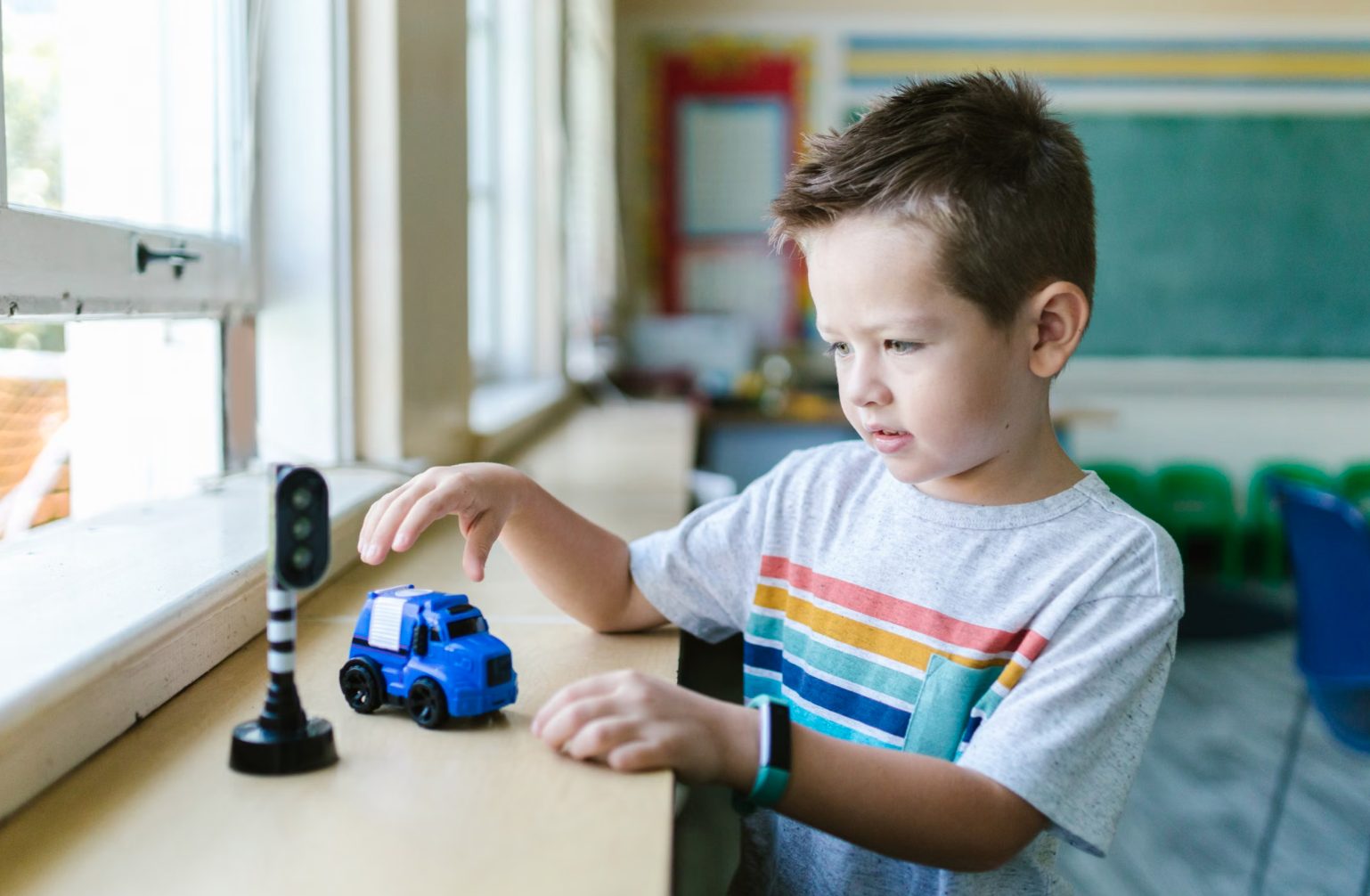
An annual IEP review may result in changes to services such as speech therapy, occupational therapy, classroom aides, or specialized instruction when a student’s documented needs change. (Pexels).

Parents are often surprised to learn that not every special education service lasts forever. While the Individuals with Disabilities Education Act (IDEA) guarantees eligible students a free appropriate public education, it does not guarantee every service will remain unchanged year after year. Instead, schools are required to provide services that are appropriate for a student’s current educational needs, as determined by the Individualized Education Program (IEP) team. Understanding when services can legally be reduced or discontinued helps families advocate effectively while avoiding unnecessary conflict.

1. Speech and Language Therapy Can Be Reduced

Speech therapy is one of the most common special education services, but it is not automatically provided throughout a student’s school career. If evaluations and classroom performance show a child has met communication goals or can participate successfully without the same level of support, the IEP team may recommend reducing therapy sessions. For example, a student who once needed weekly articulation therapy may only require monthly monitoring after making significant progress. Parents have the right to review evaluation data, ask questions, and disagree if they believe the proposed change does not accurately reflect their child’s needs. Decisions should always be based on current assessments rather than budget concerns or staffing shortages.

2. Occupational Therapy May Change Over Time

Occupational therapy helps students develop skills needed for classroom success, including handwriting, fine motor coordination, sensory regulation, and self-care tasks. As students gain independence, schools may recommend fewer therapy sessions or consultative services instead of direct instruction. A child who can now write legibly, organize school materials, and complete classroom activities independently may no longer require the same level of intervention. These decisions should be supported by documented progress, teacher observations, and updated evaluations. If parents believe important skills are still developing, they can request additional discussion or an independent educational evaluation under IDEA procedures.

3. One-on-One Classroom Aides Are Not Permanent

Many families assume that once a student receives a dedicated paraprofessional, that support cannot be removed. In reality, one-on-one aides are intended to meet specific educational needs rather than serve as permanent accommodations. If a student demonstrates greater independence, improved behavior, or increased academic success, the IEP team may gradually reduce adult support to encourage self-reliance. For example, an aide may transition from providing full-day assistance to supporting only during math or transitions between classes. Schools should carefully monitor the student’s progress throughout this process to ensure educational performance does not decline.

4. Specialized Instruction Can Be Adjusted

Students receiving specialized instruction in resource rooms or separate classrooms may eventually spend more time in general education settings. IDEA emphasizes educating students in the least restrictive environment whenever appropriate, meaning schools should increase inclusion when a student can succeed with fewer specialized supports. A student who consistently meets grade-level expectations with accommodations may transition to fewer resource periods over time. However, specialized instruction should never be removed simply to free classroom space or reduce costs. Every decision must reflect the student’s documented educational needs and measurable progress.

Knowing Your Rights Makes All the Difference

Families sometimes worry that any reduction in services means their child is losing legal protections, but that is not necessarily true. Federal law requires IEP teams to make individualized decisions using evaluations, progress monitoring, classroom data, and input from parents and educators. More than 8 million students receive services under IDEA nationwide, making annual reviews and service adjustments a normal part of the special education process. Parents who disagree with proposed changes can request additional evaluations, mediation, or due process if necessary. Staying informed and participating actively in IEP meetings remains one of the most effective ways to ensure children receive appropriate support.

The Bottom Line for Families

Special education services are designed to evolve as children grow, learn, and develop new skills. While schools can legally reduce or discontinue certain services, they cannot do so without evidence showing the changes are appropriate for the student’s educational needs. Families should review evaluation reports carefully, ask questions during IEP meetings, and keep records of their child’s progress throughout the school year. A collaborative approach often leads to the best outcomes for both students and schools.

Have you ever experienced an IEP meeting where services were reduced or changed? Share your experience or advice in the comments to help other families navigate the process.

What to Read Next

The Code Words Schools Use When Denying Services

Does Your Child Qualify for Summer Special Education Services?

Parents Are Learning About Extended School Year Services Too Late

Evan Morgan

Evan Morgan has been a full-time freelance writer and editor for 10+ years. When not working, he enjoys catching the latest true crime documentary or getting lost in a good book.

Filed Under: Education Tagged With: disability rights, education, IDEA, IEP, occupational therapy, Parents, Schools, special education, special education services, speech therapy

5 Signs Your Child’s School Is Struggling With Special Ed Compliance

July 1, 2026 | Leave a Comment

Kid In School
Parents who recognize early warning signs of special education compliance issues can work with schools to ensure students receive the services and support outlined in their IEPs. (Pexels).

Parents trust schools to provide every child with the support they need to succeed, especially students with disabilities. While most educators work hard to meet those expectations, some schools struggle to keep up with special education compliance requirements. These challenges can affect everything from classroom accommodations to communication with families, creating unnecessary stress for students and parents alike. Recognizing the warning signs early can help families advocate for their child before small issues turn into bigger problems.

1. IEP Meetings Feel Rushed or Lack Meaningful Discussion

A well-run Individualized Education Program (IEP) meeting should involve thoughtful collaboration between educators, specialists, and parents. If meetings consistently feel rushed or decisions appear to be made before parents even arrive, it may signal deeper compliance concerns. Parents should have opportunities to ask questions, suggest goals, and discuss accommodations based on their child’s progress. For example, if reading support is removed without reviewing recent assessment data, that decision deserves closer examination. Schools following strong special education compliance practices document decisions carefully and encourage meaningful parent participation throughout the process.

2. Services Listed in the IEP Are Frequently Missed

An IEP is more than a planning document because it represents legally required educational services. If speech therapy, occupational therapy, counseling, or specialized instruction are repeatedly canceled without make-up sessions, students may fall behind academically and socially. Occasional scheduling conflicts happen, but recurring missed services should never become the norm. Parents can help by keeping a simple log of missed sessions and asking for written explanations when patterns emerge. Consistently delivering promised services remains one of the clearest indicators of effective special education compliance.

3. Communication With Families Is Limited or Unclear

Parents should never feel left in the dark about their child’s progress or challenges. Schools that communicate only during annual meetings or after serious problems arise may not be building the collaborative relationships encouraged under federal law. Strong communication includes regular progress updates, prompt responses to questions, and clear explanations of evaluations or proposed changes. Imagine a student suddenly struggling with math accommodations while parents hear nothing until report cards arrive months later. Open communication strengthens trust and helps everyone work together to support student success.

4. Discipline Becomes the First Response Instead of Support

Students with disabilities sometimes display behaviors connected to their disability, making appropriate interventions essential. When schools rely heavily on suspensions or repeated disciplinary actions without reviewing whether additional supports are needed, parents should pay close attention. National research continues to show that students with disabilities experience disciplinary removals at disproportionately higher rates, making careful oversight especially important. Schools committed to special education compliance typically examine behavioral supports, conduct required reviews when appropriate, and adjust services before relying on exclusionary discipline whenever possible.

5. Evaluations and Eligibility Decisions Face Repeated Delays

Federal timelines exist because delays can significantly affect a child’s education. If evaluations take far longer than expected, eligibility meetings are repeatedly postponed, or requests for testing seem to disappear without explanation, families should ask for written updates. Early intervention often leads to stronger long-term academic outcomes, making timely evaluations especially important. A child struggling with reading for an entire school year while waiting for an assessment may miss valuable opportunities for targeted instruction. Schools with strong special education compliance systems track deadlines carefully and communicate openly whenever unexpected circumstances arise.

Protecting Your Child Starts With Staying Informed

Parents do not need to become legal experts to recognize when something feels wrong. Keeping organized records, requesting information in writing, and maintaining respectful communication with school staff can often resolve concerns before they escalate. Most educators genuinely want to help students succeed, but limited staffing, heavy workloads, and administrative challenges can sometimes affect compliance. Knowing the warning signs empowers families to ask informed questions while keeping the focus where it belongs—on providing every child with the education they deserve.

Have you ever noticed any of these signs at your child’s school, or have you had a positive experience advocating for special education services? Share your thoughts and experiences in the comments because your story may help another family navigate a similar situation.

What to Read Next

Special Ed Transportation: When Families End Up Paying for Busing

When the District Says No: How to Escalate a Special Ed Complaint

Why More Districts Are Contracting Out Special Ed Support

Evan Morgan

Evan Morgan has been a full-time freelance writer and editor for 10+ years. When not working, he enjoys catching the latest true crime documentary or getting lost in a good book.

Filed Under: Parenting Tagged With: child development, disability rights, education, family advocacy, IEP, Parenting, Schools, special education, special education compliance

The “Unteachable” Label: How Some Students Are Quietly Flagged

June 22, 2026 | Leave a Comment

Kid In School
A student’s classroom behavior often tells only part of the story. Early assumptions can shape expectations, making support and understanding more important than labels. (Pexels).

Every school has students who seem to receive more warnings, more hallway conversations, or more skeptical looks than their classmates. Sometimes it happens after repeated behavioral challenges, but other times it begins with a single difficult year or a misunderstanding that quietly follows a child from classroom to classroom. While no school officially labels a student as “unteachable,” many educators and parents acknowledge that informal reputations can shape expectations long before a report card does. Those early impressions matter because research shows that teacher expectations and disciplinary patterns can influence student confidence, classroom participation, and long-term academic success.

How the “Unteachable” Label Can Quietly Take Hold

The unteachable label rarely appears in official records, yet it can develop through informal conversations, cumulative behavior notes, or assumptions shared among staff members. A student who frequently interrupts class, struggles with emotional regulation, or falls behind academically may gradually become viewed through a negative lens instead of a supportive one. Once expectations change, even positive behavior may receive less recognition than similar actions from classmates. Educational researchers have long warned that expectations can influence student performance through what psychologists call the “Pygmalion Effect,” where higher expectations often lead to stronger outcomes. That does not mean teachers intentionally give up on students, but it highlights how powerful first impressions can become.

Behavior Is Often a Signal, Not the Whole Story

Many challenging behaviors have underlying causes that are easy to overlook during a busy school day. Anxiety, learning disabilities, ADHD, trauma, family stress, or sleep problems can all affect how a child behaves in class without being immediately obvious. A student who appears defiant may actually be overwhelmed by work they cannot yet understand or embarrassed about reading aloud. Research on exclusionary discipline continues to show that removing students from learning environments rarely addresses those root causes and may actually worsen academic outcomes. The most effective schools increasingly focus on identifying why behaviors occur before deciding how to respond.

Small Decisions Can Create Lasting Consequences

Being sent out of class occasionally may seem minor, but repeated exclusions can slowly disconnect students from learning and their peers. Recent education research has drawn attention to informal classroom removals that often go undocumented, making them difficult for schools to monitor or address fairly. Students who miss instruction repeatedly can develop larger academic gaps, leading to even more frustration and behavior challenges. This cycle can leave families feeling as though their child has already been judged before receiving meaningful support. Breaking that pattern requires schools to recognize when discipline begins replacing intervention.

What Effective Schools Are Doing Differently

Many schools are moving toward restorative practices, Positive Behavioral Interventions and Supports (PBIS), and stronger social-emotional learning programs. These approaches encourage educators to understand the reason behind behavior while maintaining clear expectations and classroom safety. Teachers still hold students accountable, but they also create opportunities to rebuild trust and teach replacement skills instead of relying solely on punishment. Studies have found that schools implementing evidence-based alternatives often reduce suspensions while improving school climate and student engagement. Success depends on consistent training, adequate staffing, and collaboration between teachers, counselors, and families.

Parents and Teachers Share the Same Goal

Most teachers enter education because they genuinely want students to succeed, and most parents simply want their children to feel safe, respected, and capable of learning. Open communication can prevent misunderstandings before they become lasting reputations. Parents who ask specific questions about classroom challenges, learning needs, and available support services often build stronger partnerships with educators. Likewise, teachers who share strengths alongside concerns help families see a more complete picture of their child. When everyone works from the assumption that growth is possible, students benefit the most.

The Bigger Lesson We Should Remember

No child should be defined by their hardest semester, toughest behavior, or worst day at school. The unteachable label becomes dangerous when it limits opportunities instead of encouraging solutions. Every student deserves adults who remain curious enough to ask what is driving the behavior rather than assuming they already know the answer. Building supportive classrooms does not mean lowering expectations—it means providing the right tools for students to meet them. If we want schools to help every child succeed, we must ensure that labels never become louder than potential.

Have you seen a student overcome unfair expectations, or do you believe schools need better ways to support struggling children? Share your thoughts in the comments and join the conversation.

What to Read Next

Illinois Parents Say School Behavior Policies Are Disproportionately Impacting Autistic Kids

SUN Bucks 2026: How Families of Special Needs Students Can Claim Summer EBT Grocery Benefits

New York Parents Warn About Rising Transportation Issues for Special Needs Students

Evan Morgan

Evan Morgan has been a full-time freelance writer and editor for 10+ years. When not working, he enjoys catching the latest true crime documentary or getting lost in a good book.

Filed Under: Education Tagged With: child development, classroom behavior, education, education policy, Learning, Parenting, school discipline, Schools, students, teachers, unteachable label

Teachers Say Mainstreaming Is Straining Classrooms

June 20, 2026 | Leave a Comment

Teacher And Student
A teacher works with students in an inclusive classroom, highlighting the growing need for specialized support, smaller class sizes, and additional staff to make mainstreaming successful. (Pexels).

Teachers across the United States are raising concerns that mainstreaming in classrooms is becoming increasingly difficult to manage without additional support, funding, and specialized staff. While educating students with disabilities alongside their peers remains an important goal, many educators say the current reality often falls short of the vision. Instead of questioning inclusion itself, teachers are pointing to overcrowded classrooms, staffing shortages, and growing behavioral and academic challenges that make it harder to meet every student’s needs. As schools continue expanding inclusive practices, the debate has shifted from whether mainstreaming matters to whether schools have the resources to make it successful.

Why More Teachers Are Speaking Out

Mainstreaming in classrooms has become standard practice in many school districts, with most students receiving special education services spending a significant portion of their day in general education settings. Supporters say inclusive classrooms promote stronger social skills, improve peer relationships, and reduce stigma for students with disabilities. However, many teachers argue that inclusion only works when schools provide adequate support staff, co-teachers, and specialized training. Recent education research has also questioned whether academic outcomes consistently improve without those supports, adding new complexity to the conversation. Rather than opposing inclusion, many educators say they want policymakers to focus on building the infrastructure needed for success.

Classroom Demands Continue to Grow

A typical classroom today may include students working at several different academic levels, along with children who require individualized accommodations, behavioral interventions, or speech and occupational services. Teachers often balance lesson planning, classroom management, and documentation while trying to ensure every student remains engaged. For example, one teacher may spend several minutes helping a student experiencing sensory overload while simultaneously keeping twenty-five other students focused on a math lesson. Those interruptions are understandable and necessary, but they also illustrate why teachers frequently report feeling overwhelmed. As student needs become more diverse, the demands on classroom educators continue to increase.

Research Highlights Both Benefits and Challenges

Research on mainstreaming in classrooms presents a more nuanced picture than many headlines suggest. Some studies have found meaningful social and emotional benefits for students learning alongside their peers, while recent reviews question whether academic gains are as clear when specialized instruction is limited. A major review published in 2025 concluded that decades of research have not definitively settled which educational setting consistently produces the strongest academic outcomes for every student. Experts increasingly agree that successful inclusion depends less on placement alone and more on providing intensive interventions, collaboration, and individualized support. That distinction is becoming central to today’s discussion about improving special education services.

Resources Often Determine Success

Teachers consistently say the biggest issue is not mainstreaming in classrooms itself but the shortage of resources that accompany it. Many districts continue struggling to hire special education teachers, classroom aides, school psychologists, and behavioral specialists, leaving general education teachers to shoulder additional responsibilities. Large class sizes can also make individualized instruction significantly more difficult, particularly when several students require intensive support at the same time. Schools that invest in co-teaching models, ongoing professional development, and smaller student-to-teacher ratios often report stronger outcomes for both general and special education students. These examples suggest that successful inclusion depends heavily on adequate staffing rather than policy alone.

The Real Conversation Schools Need to Have

Parents sometimes worry that acknowledging classroom challenges means opposing inclusion, but that is not necessarily the case. Most educators support providing students with disabilities access to their peers whenever appropriate, while also recognizing that every child learns differently. The goal is to ensure each student receives instruction in an environment where they can make meaningful academic and social progress. Honest conversations about staffing shortages, teacher burnout, and individualized learning plans can strengthen inclusive education rather than weaken it. Addressing those issues may help schools deliver the quality education every student deserves.

Looking Beyond the Debate

The discussion surrounding mainstreaming in classrooms is unlikely to disappear anytime soon because it touches students, families, teachers, and entire school communities. The growing consensus among many education experts is that inclusion succeeds when schools invest in people, training, and evidence-based supports instead of relying on classroom placement alone. Teachers are not asking schools to abandon inclusion; they are asking for the tools needed to make it work effectively for every learner. As enrollment and student needs continue evolving, those investments may become more important than ever.

What do you think schools should prioritize to make inclusive education more successful? Share your thoughts in the comments and join the conversation.

What to Read Next

Teachers Admit These Classroom Changes Are Hurting Neurodivergent Students

5 Red Flags Teachers Look for in Children With Learning Disabilities

7 Things Your Child’s Teacher is Legally Required to Report to the State

Evan Morgan

Evan Morgan has been a full-time freelance writer and editor for 10+ years. When not working, he enjoys catching the latest true crime documentary or getting lost in a good book.

Filed Under: Education Tagged With: classroom management, education, inclusive education, K-12 education, mainstreaming in classrooms, Schools, special education, student learning, teacher shortage, teachers

Considerations Before Moving

March 5, 2011 | Leave a Comment

Uhaul truck for movingOk, so it has been a while since I last posted and there is good reason for this.  See, I’ve decided fairly recently, to move to a new house.  Let me go over this decision with a little more detail.

It started about a year ago. I’ve always liked the area where my brother lives, which is about 15km away from the capitol city. It is a nice neighborhood with good, smaller schools, all the amenities you need, it is secure, quite picturesque in some areas, and quite secure as well.

So, I’ve been thinking about ways to be able to move there because of all the things I mentioned above but there were considerations I needed to go through first. Very important considerations for a single mom of two kids.

1. Cost

Much as I loved my brother’s area, it was definitely more expensive than where I am currently living.  It would take an additional 20k to move there.  It would mean an additional amount for commute expense, an additional amount for rent, and for water.  In dollars, that would mean an additional $466 a month.  That is not easy to do since that amount is a little higher than entry level salaries for a lot of jobs here.  I had to figure out how to make an extra 20k on top of the salary I get from my full time job.

2. Schools

My kids already have a school where we are now. It is just a preschool but, since my kids are only preschool age, it give me time to look around and budget for a big kids school.  Schools in my brother’s area were more expensive and were fewer in choice but the chances of getting a school with a good reputation for good education is easier. Public schooling in my country generally is not so great.  there are a handful of public schools that are considered very good so you can imagine what you need to do to get a spot there.  Ironic huh?  So, if you want to give your kids a good chance at making it in the future, you have to spend for schooling.

Those were the top considerations for moving to another area, specifically that area where my brother stays.  Needless to say, I suspended that thought and set it aside, thinking that I would not need to go back to it for another year or so at the least.

Well, turns out my parents were looking to move as well and decided to look in that same area.  Since it would suit all parties involved, we decided to join forces.  Because of that, we were able to come up with a good enough budget to sustain a household.

So, important things to think about when scouting for a change of address (as I have come to know and understand it from my experience):

1. cost of commute and utilities- some areas, being farther away from the business district, cost more to get out of and back to at the end of the day.  For the same reason, proximity to the capitol city, some utilities may cost more or less.  So there has to be room in the budget for these considerations.

2. cost of schooling- this is important if you have kids.  There is no use in moving to a place where you can afford the standard of living but not the schooling.

3. cost of food and shelter-  this has to be considered because it is part of budgeting your cost of living.

All three points are not ranked in order of importance because I think they are all equally essential.  Of course, I am currently in the process of moving so there are many things I am sure to learn as I go along.

I am interested to know what your considerations are if you think about making a move.  Are they any different from mine?

I will do my best to track this journey and to note the budget considerations as I go along.

What things do you consider before moving?

Brian
Brian

Brian is the founder of Kids Ain’t Cheap and is now sharing his journey through parenthood.

 
Email • Google + • Facebook • Twitter

Filed Under: Home and Living, Money and Finances, Random Musings Tagged With: Considerations, Cost of Living, Moving, Schools

  • Facebook
  • Pinterest
  • RSS
  • Twitter

Basic Principles Of Good Parenting

Here some basic principles for good parenting:

  1. What You Do Matters: Your kids are watching you. So, be purposeful about what you want to accomplish.
  2. You Can’t be Too Loving: Don’t replace love with material possessions, lowered expectations or leniency.
  3. Be Involved Your Kids Life: Arrange your priorities to focus on what your kid’s needs. Be there mentally and physically.
  4. Adapt Your Parenting: Children grow quickly, so keep pace with your child’s development.
  5. Establish and Set Rules: The rules you set for children will establish the rules they set for themselves later.  Avoid harsh discipline and be consistent.
  6. Explain Your Decisions: What is obvious to you may not be evident to your child. They don’t have the experience you do.
  7. Be Respectful To Your Child: How you treat your child is how they will treat others.  Be polite, respectful and make an effort to pay attention.
Best Parenting Blogs

Most Popular

Baby

9 Baby Names That Sound Expensive Even Though Naming Your Baby Is Still Free

Evan Morgan
Baby

The Rise of “Aggressive” Baby Names Is Raising Eyebrows — Here’s What Parents Are Choosing

Evan Morgan
Baby names

Teachers Admit: These 6 Baby Names Create Instant Bias in the Classroom

Latrice Perez
6 Baby Names That Sound Cute Now but Cause Problems Later

6 Baby Names That Sound Cute Now but Cause Problems Later

Brandon Marcus
11 Ways Kids Are Outsmarting Parental Controls 1. Using Alternate Devices One common trick is simply turning to another device. If a child’s main phone or tablet is restricted, they may borrow a sibling’s, friend’s, or even a school laptop. This instantly gives them access to content outside of parental oversight. Parents often focus on one device, forgetting that others in the household can serve as loopholes. Knowing this tactic helps families tighten controls across all electronics. 2. Clearing Browsing Histories Many kids quickly learn that clearing browsing history hides evidence of restricted activity. With just a few clicks, they can erase any trace of websites visited. This makes it harder for parents to notice when rules are being broken. Parents may assume no history means no browsing, but the reality is often the opposite. Kids are outsmarting parental controls by making it seem like nothing happened at all. 3. Using Private Browsing Modes Most browsers offer “incognito” or private browsing features. Kids use this mode to access websites without leaving a record in the history. To parents checking later, everything looks clean and safe. This simple trick is often one of the first ways kids discover how to bypass restrictions. Conversations about private browsing can help close this gap. 4. Guessing or Resetting Passwords Children who are persistent may try to guess passwords to parental control apps or accounts. Others may find ways to reset them through email prompts or security questions. Once inside, they can disable restrictions entirely. Parents may not even realize controls have been altered until much later. Stronger, less predictable passwords can make this more difficult. 5. Using VPNs to Hide Activity Virtual private networks, or VPNs, let kids disguise their online locations. With one downloaded app, they can bypass geographic or parental restrictions. Some children learn about VPNs through friends or even social media. This makes it easy for them to reach content that should be blocked. Parents often underestimate just how simple it is for kids to use these tools. 6. Creating Fake Accounts When parents monitor social media, kids may create hidden accounts. These “finstas” or fake profiles allow them to interact freely without parental oversight. While their main account appears harmless, the secondary one tells a different story. Kids are outsmarting parental controls by playing both sides at once. Checking for duplicate accounts can help parents stay more aware. 7. Exploiting Time Zone Settings Some kids change the time zone on their devices to bypass screen time limits. This trick allows them to gain extra hours of usage undetected. Parents may assume controls are working, but in reality, the child is bending the clock. It’s a clever loophole that highlights just how resourceful kids can be. Monitoring device settings regularly can catch this tactic. 8. Disabling or Uninstalling Apps Parental control apps can be deleted or disabled with surprising ease. Some kids even reinstall them before a parent checks, making it seem like nothing changed. Others may simply restrict permissions to prevent apps from functioning properly. When apps aren’t monitored closely, parents may not notice they’ve been tampered with. This shows the importance of consistent follow-up. 9. Turning to Friends for Access If a child can’t get past restrictions on their own, they may rely on friends. Visiting a friend’s house or borrowing their phone can give them a free pass. Parents often forget that peer environments can override restrictions set at home. This kind of social workaround is especially common with gaming or social media. Open conversations about trust and responsibility are essential. 10. Hiding Apps in Plain Sight Kids sometimes download apps that look innocent but serve as gateways to hidden activity. These apps may disguise themselves as calculators or utilities. In reality, they allow file storage, private messaging, or browser access. Parents glancing at a home screen may overlook them entirely. Learning to recognize these disguised apps can help parents stay informed. 11. Outpacing Parents’ Tech Knowledge Finally, kids often know more about devices than their parents do. Whether through YouTube tutorials, TikTok hacks, or peer groups, they quickly learn advanced workarounds. This knowledge gap means controls can be bypassed before parents even realize the loophole exists. Staying informed and continually learning about new technology is the best defense. Kids are outsmarting parental controls because they adapt faster than most adults. The Real Solution Lies Beyond Restrictions While controls and filters are important, no system is perfect. Kids will always find creative ways around barriers, making communication the strongest safeguard. Setting clear expectations, building trust, and having ongoing conversations about online behavior matter more than apps alone. Parents who combine technology with open dialogue create a safer digital environment. The goal isn’t to win a battle of wits but to build a relationship that keeps kids both safe and honest. Do you think kids are outsmarting parental controls faster than parents can keep up? Share your experiences in the comments below. What to Read Next... 6 Parenting Tech Shortcuts That Can Expose Your Child to Strangers How Much Screen Time Is Too Much—Legally Speaking? Is Your Child’s School Quietly Tracking Their Location Without Your Consent? How Much Screen Time Is Quietly Reshaping Childhood Behavior? Why Some Parents Are Being Investigated Over Homeschooling Records

11 Ways Kids Are Outsmarting Parental Controls

Catherine Reed

All content on Kids Ain’t Cheap is for entertainment purposes only. By reading this blog, you agree that Kids Ain’t Cheap is not responsible for any actions taken after reading this blog. For the full disclaimer, see our privacy policy.

Please note that Kids Ain’t Cheap has financial relationships with some of the merchants mentioned here. Kids Ain’t Cheap is funded by banner advertising, commission sales and search optimization consulting.

Copyright © 2006–2026 | District Media | All Rights Reserved | Privacy Policy

Copyright © 2026 Runway Pro Theme by Viva la Violette