• Home
  • About Us
  • Toolkit
  • Archives
  • Advertise
  • Privacy Policy

Kids Ain't Cheap

But They Sure Are Worth It

  • Parenting
    • Baby Stuff
    • Books and Reading
      • Aesops Fables
      • Comic Books
    • Education
    • Family Time
    • Green Living
    • Growing Up
    • Healthy Living & Eating
    • Holidays
    • Parenting
    • Random Musings
    • Shopping
    • Stuff to Do
  • Money
  • Product Reviews
    • Books and Magazines
    • Discount Sites
    • Furniture
    • House Keeping
    • Reviews News
    • Toys and Games
  • Contact Us
  • Our Editorial Commitment
  • Search

Massachusetts Has the Priciest Summer Camps in America

June 15, 2026 | Leave a Comment

Kids Camping
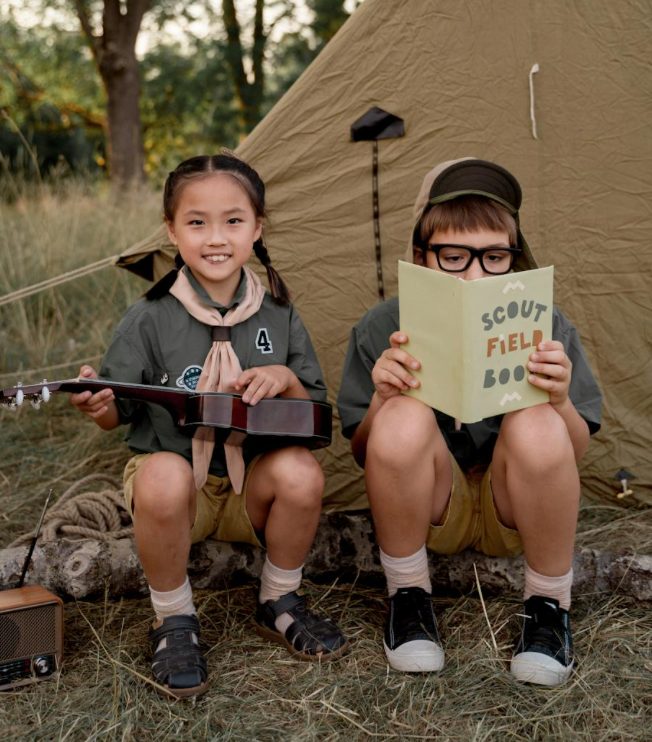
Massachusetts summer camps rank among the most expensive in the nation, with some overnight programs costing more than $16,000 per season. Families are increasingly seeking discounts, scholarships, and affordable alternatives. (Pexels).

For many families, summer camp is more than just a seasonal activity. It provides childcare, social development, outdoor experiences, and opportunities for children to learn new skills. However, parents shopping for camps this year may experience sticker shock, especially in Massachusetts. Recent camp pricing data and tuition rates from programs across the state show that Massachusetts summer camps rank among the most expensive in the nation, with some overnight camps charging more than $16,000 for a full season and many day camps exceeding $400 to $900 per week. As costs continue to rise, families are increasingly weighing whether the benefits justify the price.

Why Massachusetts Summer Camps Cost So Much

Massachusetts summer camps command premium prices for several reasons. The state has a high overall cost of living, which directly impacts staffing, insurance, transportation, food, and facility expenses. Many camps also operate on expansive properties with specialized programs such as sailing, horseback riding, STEM education, theater, and leadership development. These offerings require trained instructors and extensive equipment, adding to operational costs. While the price tags may seem steep, camp operators argue that these programs deliver experiences that go far beyond basic childcare.

Overnight Camps Are Driving the Price Surge

Some of the highest tuition rates in the country can be found at overnight camps in Massachusetts. Several well-known camps now charge between $13,000 and $16,600 for a full summer session lasting seven to eight weeks. That translates to roughly $1,800 to $2,100 per week, significantly above national averages for overnight programs. According to industry estimates, the average overnight camp in the United States typically costs between $1,000 and $2,000 per week, placing many Massachusetts camps at the very top of the pricing spectrum. For families with multiple children, these costs can quickly rival a year of college tuition at some public universities.

Day Camps Are Becoming a Major Budget Item

Even families choosing day programs are seeing higher costs. Across Massachusetts, many traditional day camps charge between $450 and $900 per week, while specialty programs focused on sports, technology, or creative arts often cost even more. Additional expenses such as transportation, extended care, equipment fees, and field trips can push the total much higher than the advertised rate. For working parents who need eight to ten weeks of coverage during summer break, camp expenses can easily exceed several thousand dollars. This reality has led many families to begin budgeting for summer camp months in advance.

What Parents Get for the Money

Despite the high costs, many families continue to enroll their children in Massachusetts summer camps because of the perceived value. Camps often provide structured schedules, small group activities, swimming lessons, outdoor recreation, leadership training, and opportunities to build friendships. Parents frequently view camp as an investment in personal growth rather than simply a childcare solution. Children gain independence, confidence, and social skills that can be difficult to replicate through screen-based activities at home. For many families, those benefits make the expense easier to justify, even during periods of economic uncertainty.

Ways Families Can Reduce Summer Camp Expenses

Fortunately, paying full tuition is not the only option. Many Massachusetts summer camps offer early registration discounts, sibling discounts, payment plans, and financial aid programs. Organizations such as local YMCAs and community recreation departments often provide more affordable alternatives while still delivering enriching experiences. Some camps also partner with charitable organizations to offer scholarships for qualifying families. Parents who begin researching camps during the winter months generally have more opportunities to secure lower rates and financial assistance than those who wait until spring or summer.

The Real Question Parents Are Asking

As camp prices continue climbing, many parents are asking where the tipping point lies. While few would argue against the value of meaningful summer experiences, families must balance those benefits against housing costs, groceries, childcare, and other household expenses. Massachusetts summer camps remain highly sought after because they offer quality programming and strong reputations, but affordability is becoming an increasingly important concern. Industry experts suggest that camps may need to expand scholarship programs and flexible payment options to remain accessible to a broader range of families. Otherwise, some households may be forced to seek lower-cost alternatives.

A Summer Investment Worth Evaluating

Massachusetts summer camps continue to set the pace for premium camp experiences, but they also set the standard for premium pricing. Families considering camp this year should compare programs carefully, ask about hidden fees, and explore financial assistance opportunities before making a decision. The right camp can create lifelong memories, build confidence, and help children develop valuable life skills. However, finding the best fit often requires balancing quality, affordability, and family priorities.

Do you think the benefits of summer camp justify these rising costs, or have prices gone too far? Share your thoughts and experiences in the comments below.

What to Read Next

Day Camp vs. Overnight: The $1,600 Tax Mistake

5 Questions Parents Should Ask Before Enrolling a Child With Autism in Camp

Parents Are Shocked by the Cost of Special Needs Summer Camps in 2026

Evan Morgan

Evan Morgan has been a full-time freelance writer and editor for 10+ years. When not working, he enjoys catching the latest true crime documentary or getting lost in a good book.

Filed Under: Lifestyle Tagged With: childcare expenses, day camps, education, Family Budgeting, Family Finance, Massachusetts summer camps, overnight camps, Parenting, Summer Activities, summer camp costs

5 Free Summer Camps In The U.S.: Here’s How You Qualify

May 24, 2026 | Leave a Comment

Kids Camping
There are free summer camp options available for kids this year if you qualify – Pexels

Finding affordable summer activities can feel impossible when some camps charge hundreds or even thousands of dollars per week. The good news is that several free summer camps in the U.S. still offer life-changing experiences without the hefty price tag. From STEM adventures to leadership training and outdoor programs, these opportunities can help kids and teens build skills, friendships, and confidence. The key is knowing where to apply, who qualifies, and how early families should act.

1. National Youth Science Camp: For High-Achieving STEM Students

The National Youth Science Camp is one of the most competitive free summer camps in America for students passionate about science, technology, engineering, and math. The program covers lodging, meals, and educational activities for selected students. To qualify, applicants typically must be high school students or recent graduates with strong academic achievement, leadership experience, and demonstrated interest in STEM fields. Organizers look for students who show curiosity beyond classroom grades, such as science competitions, robotics clubs, or research projects. The program continues to emphasize academic excellence and commitment to STEAM careers.

2. Salvation Army Summer Camps: For Families Seeking Low-Cost or Free Options

Many families overlook the nationwide network of Salvation Army camps offering free or heavily subsidized summer experiences. These camps often include swimming, hiking, sports, arts, music, and team-building activities. Eligibility commonly focuses on children from lower-income households, though exact requirements vary by location. Parents usually apply through local branches, and some programs accept childcare subsidies or scholarship applications. For a working parent juggling childcare costs, this can mean access to a safe, supervised summer program without draining the family budget.

3. Camp Rising Sun: A Leadership Camp With Full Scholarships

Camp Rising Sun has built a reputation as one of the most respected free summer camps for teens interested in leadership and global citizenship. This full-scholarship program brings together students from diverse backgrounds to collaborate on leadership projects, cultural exchange, and community-focused learning. Qualification is generally merit-based, with organizers looking for teenagers who demonstrate maturity, leadership potential, and strong character rather than perfect test scores. A student leading a volunteer initiative, mentoring classmates, or creating a community project could stand out during the application process. Because spaces are limited, early applications and thoughtful essays matter.

4. YMCA Camp Scholarships: Free Summer Camps Through Financial Aid

The YMCA operates camps across the country, and many locations provide financial assistance that can reduce costs dramatically or make camp completely free for eligible families. Programs often include outdoor recreation, STEM activities, sports, arts, and social development. Qualification usually depends on household income, family circumstances, or demonstrated financial need. Parents sometimes assume they earn too much to qualify, but many YMCA locations encourage families to apply anyway because assistance guidelines vary. In practical terms, a family facing temporary unemployment, rising childcare expenses, or unexpected bills may still be eligible for support.

5. Scholarship-Based Community Summer Camps: Hidden Free Opportunities

Across the U.S., local organizations, nonprofits, and community programs quietly fund free summer camps through scholarship programs. Some counties and nonprofit networks provide full tuition coverage for eligible children, particularly families meeting income guidelines. These programs may focus on academics, arts, athletics, leadership, or enrichment activities. Qualification often requires proof of residency, income verification, age eligibility, or early registration deadlines. Families who only search major national camps may miss valuable hometown opportunities hiding in community listings and scholarship directories.

The Real Secret To Getting Into Free Summer Camps

The biggest mistake families make is waiting too long to apply for free summer camps. Many programs open applications months before summer, and scholarship funding or available spots can disappear quickly. Parents should prepare documents early, including school information, recommendation letters, financial paperwork, or activity records depending on the camp’s requirements. Students applying to leadership or academic programs should spend time crafting thoughtful essays that highlight real experiences and authentic goals.

Which of these free summer camps would you consider applying for, and what qualities do you think should matter most in selecting students? Share your thoughts in the comments.

What to Read Next

The Viral Free Summer Camp Link That’s Actually a Phishing Trap

5 Cheap Summer Camp Alternatives That Kids Actually Love

8 Hidden Fees in Children’s Camps That Parents Overlook

Evan Morgan

Evan Morgan has been a full-time freelance writer and editor for 10+ years. When not working, he enjoys catching the latest true crime documentary or getting lost in a good book.

Filed Under: Education Tagged With: family savings, free summer camps, leadership camps, Parenting, scholarships, STEM camps, Summer Activities, summer camps USA, summer programs for kids, teen programs

5 Cheap Summer Camp Alternatives That Kids Actually Love

April 1, 2026 | Leave a Comment

cheap summer camp alternatives
Image source: shutterstock.com

Finding affordable childcare during the summer months feels like a second mortgage for most families. You likely stare at registration fees and wonder how a simple day of crafts costs several hundred dollars. High prices are not a reflection of your parenting or your budget skills. Instead, a predatory system of seasonal markups has turned basic supervised play into a luxury commodity. Fortunately, families are reclaiming their summers by stepping outside the traditional camp industrial complex. These cheap summer camp alternatives provide better engagement without draining your savings account before the school year even begins.

1. Neighborhood Co-Op Trading

Parents often overlook the collective power of their own social circles. By forming a childcare swap, you eliminate the need for expensive professional counselors entirely. One parent manages a group of four children for a single day while others work. Consequently, everyone receives four days of free care in exchange for one day of hosting. This model fosters deep local friendships and keeps kids in a familiar, safe environment. Surprisingly, children often prefer the relaxed pace of a backyard over the rigid scheduling of a corporate camp facility.

2. Junior Library Apprenticeships

Local libraries have evolved far beyond quiet reading rooms and dusty shelves. Many branches now offer structured volunteer programs designed specifically for middle school students. These positions offer a sense of responsibility that paid camps rarely provide to younger participants. Your child learns organizational skills and digital literacy while assisting with community events. Since these programs are public services, they typically cost nothing to join. On the other hand, the value of professional exposure is truly immeasurable for a developing mind.

3. DIY Specialized Skill Intensives

Commercial camps often charge a premium for niche activities like coding or filmmaking. You can replicate these experiences at home using free online curriculum and low-cost supplies. Set a specific theme for the week and let your child lead the discovery process. This approach allows for a personalized pace that prevents the burnout common in overcrowded summer programs. Furthermore, the focus remains on genuine interest rather than just passing time until pickup. Kids find immense satisfaction in mastering a complex skill through their own initiative.

4. Community Center Micro-Clinics

Municipal recreation departments frequently host short-duration workshops that fly under the radar. These micro-clinics focus on specific sports or arts for just a few hours a day. By stitching these sessions together, you create a customized schedule that fits your specific needs. The overhead for these programs stays low because they utilize existing public infrastructure. Therefore, you pay for the instruction rather than the marketing and administrative bloat of private franchises. Check your city website early to snag these limited spots.

5. Teen-Led Adventure Pods

Responsible local teenagers often seek summer income but lack the resources to start a formal business. Hiring a high schooler to lead a small group of neighborhood kids on local outings is a brilliant compromise. These pods can visit public parks, splash pads, or nature trails for a fraction of camp tuition. You provide a job for a local youth while giving your kids a cool older mentor to look up to. Additionally, the small group size ensures every child receives individual attention and stays safe during excursions.

The Real Cost of Summer Fun

Breaking away from the traditional camp model requires a shift in perspective. You are not depriving your children by avoiding the most expensive options on the market. Instead, you are teaching them that community and creativity are more valuable than a branded t-shirt. These cheap summer camp alternatives offer a path to a stress-free season for everyone involved. Investing your time into these systems pays dividends in both your bank account and your family’s happiness. Learn about childcare subsidies and check developmental standards to ensure your plan meets every need.

What do you think is the biggest barrier to trying an alternative summer program this year? Please leave a comment and let me know your thoughts.

What to Read Next…

  • Why 2026 Tax Refunds Won’t Cover the Cost of Summer Camp This Year
  • 7 Summer Habits That Can Lead to Sickness Fast
  • 10 Foods That Spoil Faster Than You Think in Summer
Latrice Perez

Latrice is a dedicated professional with a rich background in social work, complemented by an Associate Degree in the field. Her journey has been uniquely shaped by the rewarding experience of being a stay-at-home mom to her two children, aged 13 and 5. This role has not only been a testament to her commitment to family but has also provided her with invaluable life lessons and insights.  As a mother, Latrice has embraced the opportunity to educate her children on essential life skills, with a special focus on financial literacy.

Filed Under: Summer Camp Tagged With: budget parenting, cheap summer camp alternatives, childcare hacks, frugal living, parenting tips, Summer Activities, Summer Camp

7 Best Outdoor Activities for Kids

June 25, 2025 | Leave a Comment

7 Best Outdoor Activities for Kids
123rf.com

Getting kids outside is one of the easiest ways to boost their mood, burn off energy, and sneak in a little learning without them even realizing it. In a world filled with screens and schedules, outdoor activities for kids offer the perfect break from routine. Whether your child loves digging in the dirt, running around with friends, or just lying in the grass watching clouds, nature provides the ideal backdrop for fun. These activities aren’t just about staying busy—they help build creativity, resilience, and a strong connection to the world around them. If you’re looking to keep boredom at bay while encouraging healthy habits, these seven ideas are sure to deliver.

1. Backyard Obstacle Courses

Creating a backyard obstacle course is one of the most engaging outdoor activities for kids. Use whatever you have—hula hoops, cones, sticks, jump ropes, or even pool noodles—to set up a mini challenge zone. Let your child run, crawl, jump, and zigzag through their very own course. You can even make it a timed competition or a family relay. It’s great for physical development and keeps things fun and fresh every time you rearrange it.

2. Nature Scavenger Hunts

A nature scavenger hunt turns a simple walk into an exciting adventure. Make a list of things for your child to find—like a pinecone, a yellow flower, something round, or a bird feather. You can even include textures or sounds to enhance the sensory experience. Outdoor activities for kids like this one encourage observation and mindfulness, and they make great use of local parks or trails. Bonus: you can turn it into a photo scavenger hunt if your child enjoys using a camera.

3. Sidewalk Chalk Creations

Sidewalk chalk is a low-cost, high-impact way to spend time outside. From hopscotch and creative drawings to obstacle courses and giant board games, the possibilities are endless. Let your kids fill the driveway with their art, or challenge them to draw themed scenes like a zoo, a beach, or outer space. This is one of the best outdoor activities for kids because it fosters creativity and gives them a chance to express themselves in a big, bold way. And when the rain comes, the canvas resets.

4. Water Play and Sprinkler Games

When it’s hot out, water play is a must. Whether you set up a sprinkler, fill a kiddie pool, or hand out sponges and buckets, kids can splash and stay cool while burning off energy. Create simple games like “water balloon toss” or “fill the bucket” races using cups. Outdoor activities for kids that involve water are not only refreshing but also perfect for sensory play. Just remember to keep towels handy and expect a few soaked socks.

5. Gardening Together

Gardening is a calming, rewarding activity that teaches kids patience and responsibility. Let them plant seeds in containers or dig their own patch in the yard to grow vegetables, flowers, or herbs. They’ll love watching their plants sprout and grow, and it gives them a hands-on connection to the food they eat and the environment. Outdoor activities for kids like gardening help build life skills and foster an appreciation for nature. Don’t worry about perfection—messy gardening is part of the fun.

6. Nature-Inspired Crafts

Take the outdoors one step further with nature-based crafting. Collect leaves, rocks, sticks, or petals and turn them into art. Your child can make leaf rubbings, painted rocks, or collages using the treasures they find outside. These outdoor activities for kids bring creativity and nature together, making the most of time spent in the fresh air. It also helps your child see everyday things in a whole new way.

7. Old-Fashioned Playground Games

You don’t need fancy equipment to have a great time outdoors. Classic playground games like tag, Red Light Green Light, hide-and-seek, or freeze dance are still huge hits. These games encourage teamwork, build coordination, and get hearts pumping. Outdoor activities for kids don’t have to be complex to be meaningful—sometimes, the simplest ones bring the biggest smiles. The best part is they’re easy to adapt for different ages and group sizes.

Outdoor Play That Leaves a Lasting Impact

The best outdoor activities for kids aren’t just about keeping them entertained—they’re about giving them the space to explore, create, and grow. Whether it’s a chalk masterpiece, a messy garden, or a joyful dash through the sprinkler, each outdoor moment helps shape a curious, confident, and healthy child. So go ahead, open the door, and watch the magic happen right in your own backyard.

What are your kids’ favorite outdoor activities? Share your best ideas or fun backyard stories in the comments!

Read More:

Summer Fun Without the Sunburn: Indoor Activities Kids Love

7 Summer Activities That Are Surprisingly Dangerous for Kids

Catherine Reed
Catherine Reed

Catherine is a tech-savvy writer who has focused on the personal finance space for more than eight years. She has a Bachelor’s in Information Technology and enjoys showcasing how tech can simplify everyday personal finance tasks like budgeting, spending tracking, and planning for the future. Additionally, she’s explored the ins and outs of the world of side hustles and loves to share what she’s learned along the way. When she’s not working, you can find her relaxing at home in the Pacific Northwest with her two cats or enjoying a cup of coffee at her neighborhood cafe.

Filed Under: Parenting Tagged With: active kids, backyard fun, family time, nature play, outdoor activities for kids, parenting tips, screen-free play, Summer Activities

Signs Your Kid Is Ready for Swim Lessons

May 30, 2025 | Leave a Comment

Signs Your Kid Is Ready for Swim Lessons

Water play is one of childhood’s greatest joys—but it also comes with serious safety concerns. Whether it’s pool parties, beach trips, or backyard sprinklers, knowing your child has basic water survival skills can offer tremendous peace of mind. But when should swim lessons actually begin? If you’re wondering whether your little one is ready to trade floaties for formal instruction, it might be time to look for key developmental and emotional indicators. These signs your kid is ready for swim lessons can help you make a confident, informed decision before diving in.

1. They’re Comfortable Around Water

One of the clearest signs your kid is ready for swim lessons is a natural comfort around water. If your child enjoys splashing in the tub, playing in shallow pools, or dipping their toes in lakes or oceans, they’ve already taken the first step. Comfort doesn’t mean fearlessness—but a willingness to engage with water signals readiness to build skills in a more structured environment. If they’re curious instead of panicked when near water, it’s a green light to consider swim instruction. Confidence is the foundation swim lessons build on, so comfort matters.

2. They Can Follow Simple Instructions

Swim lessons often involve listening, waiting, and repeating basic tasks—so kids who can follow simple instructions tend to benefit the most. Whether it’s “kick your legs,” “hold the wall,” or “wait your turn,” the ability to process and respond to directions is key. This is especially important in group settings, where safety depends on children respecting pool rules and instructor guidance. If your child is showing signs of cooperation and basic self-control, it’s one of the clearest signs your kid is ready for swim lessons. Even short attention spans are manageable if your child responds well to guidance.

3. They’ve Outgrown Their Floaties

Many kids start out in water with floatation aids, but eventually show signs of wanting more freedom. If your child starts ditching the arm floaties or life jacket (with supervision, of course), it could mean they’re craving more independence and confidence in the water. This is one of those signs your kid is ready for swim lessons that often goes unnoticed. Wanting to swim “like a big kid” is a great motivator for learning real skills and techniques. Swim lessons provide a safe transition from floaties to functional swimming.

4. They’re Asking to Learn

Some kids are vocal about what they want—and if your child starts asking how to swim, float, or dive, take the hint. Curiosity and enthusiasm are powerful motivators when it comes to learning new skills. Kids who express interest in swimming are usually more focused and engaged during lessons. This early buy-in helps them progress faster and build confidence in the water. So if your little one keeps saying, “I want to swim like them!” it’s one of the most obvious signs your kid is ready for swim lessons.

5. They Can Separate from You Without Anxiety

For many kids, swim lessons are one of their first experiences being taught by someone other than a parent. If your child is comfortable separating from you for short periods—whether at preschool, daycare, or playdates—they’re likely emotionally ready for swim class. This doesn’t mean they won’t cling a little at first, but they’ll bounce back quickly with encouragement. Children with separation anxiety may need a slower transition or parent-child lessons to ease into the process. Either way, emotional readiness is one of the most important signs your kid is ready for swim lessons.

6. They Have Basic Motor Skills

Swim lessons don’t require athleticism, but they do involve coordination, strength, and movement control. Kids who can walk, jump, and move their arms and legs with intention tend to adapt well to swimming movements. If your child can balance, climb, or imitate actions like reaching or kicking, they’ll have an easier time picking up swim basics. These physical milestones often align with the cognitive and emotional growth needed for lessons. Watching how your child moves on land can be a clue to how they’ll adapt in water.

7. They’re Between 3 and 6 Years Old

While some programs accept infants and toddlers, most swim instructors recommend starting formal lessons between ages 3 and 6, with age 4 being a commonly recommended target. At this stage, kids typically have the attention span, motor control, and communication skills needed to benefit from structured instruction. They’re also beginning to understand cause and effect, which helps them learn safety rules. Of course, every child is different—some may be ready sooner, while others need more time. But this age range is often when the signs your kid is ready for swim lessons become crystal clear.

When It’s Time to Take the Plunge

Choosing the right time to start swim lessons isn’t about pressure—it’s about preparation. The signs your kid is ready for swim lessons are usually small but significant: comfort in water, the ability to follow directions, emotional independence, and a spark of curiosity. Swimming is a life skill that boosts confidence, builds safety awareness, and opens the door to years of fun. When your child shows you they’re ready, lean in and take the leap.

What signs helped you decide it was time for swim lessons? Share your experience and advice in the comments—we’d love to hear from you!

Read More:

Signs Your Toddler Might Actually Be Ready to Potty Train

Preparing for Preschool: This Is How to Get Your Child Ready

Catherine Reed
Catherine Reed

Catherine is a tech-savvy writer who has focused on the personal finance space for more than eight years. She has a Bachelor’s in Information Technology and enjoys showcasing how tech can simplify everyday personal finance tasks like budgeting, spending tracking, and planning for the future. Additionally, she’s explored the ins and outs of the world of side hustles and loves to share what she’s learned along the way. When she’s not working, you can find her relaxing at home in the Pacific Northwest with her two cats or enjoying a cup of coffee at her neighborhood cafe.

Filed Under: Parenting Tagged With: child development, kids and swimming, learning to swim, parenting tips, raising kids, Summer Activities, swim lessons, toddler milestones, water safety

7 Summer Activities That Are Surprisingly Dangerous for Kids

May 29, 2025 | Leave a Comment

7 Summer Activities That Are Surprisingly Dangerous for Kids

Summer is a time for outdoor adventures, beach days, and endless play—but not every activity is as harmless as it seems. While kids are soaking up the sun and making memories, some common summer pastimes come with risks that can catch parents off guard. Whether it’s a favorite playground fixture or a staple of backyard fun, certain warm-weather traditions have hidden hazards. Knowing what to watch for helps families enjoy the season without trips to the ER. Here are seven summer activities that are surprisingly dangerous for kids—and what you can do to keep them safe.

1. Trampoline Fun That Ends in Tears

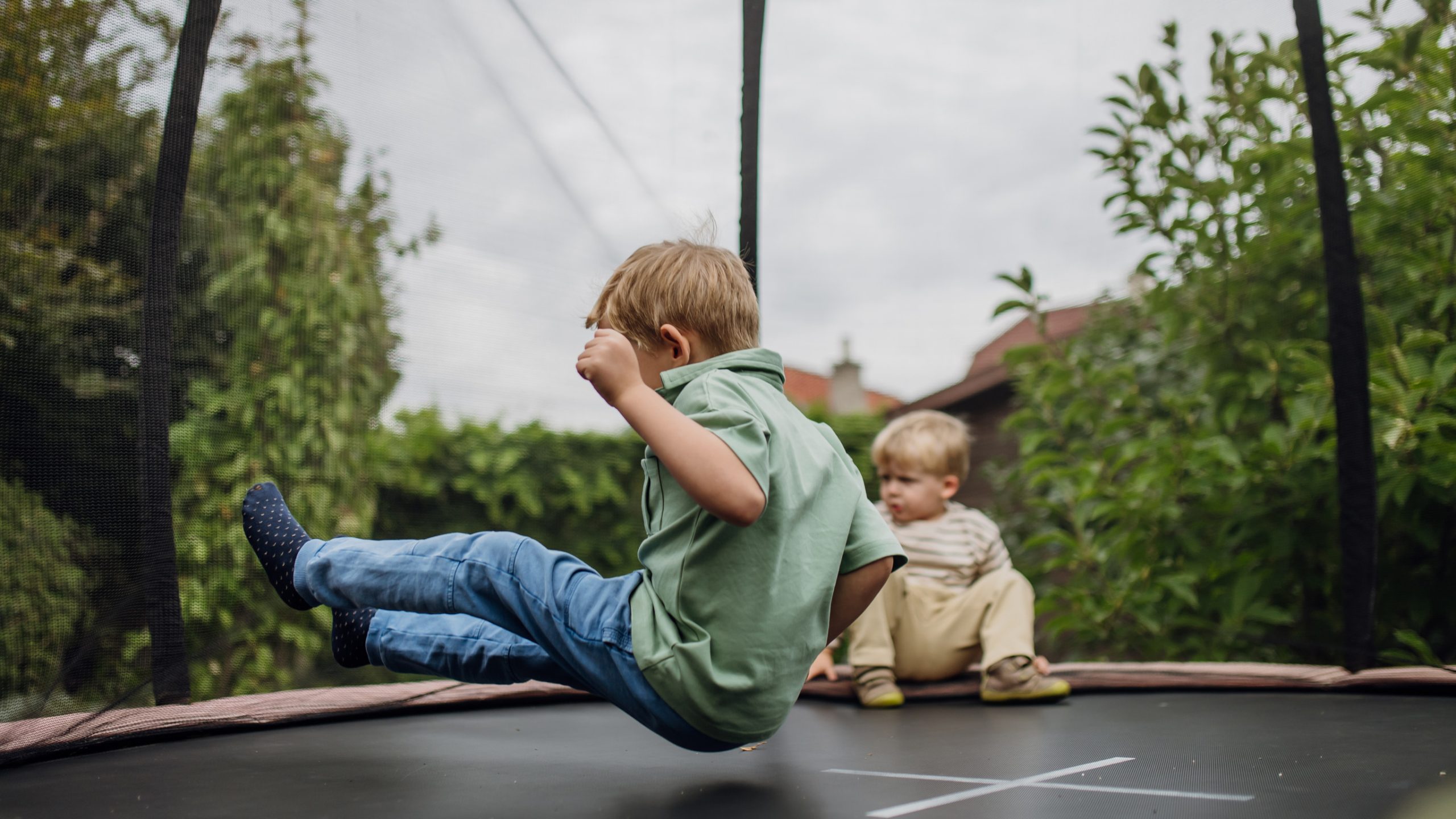
Trampolines might seem like the ultimate backyard thrill, but they’re one of the top culprits for summertime injuries. Broken bones, sprains, and concussions are common, especially when multiple kids jump at once. Even with nets and pads, the risk of falling off or landing awkwardly is high. Many accidents happen when kids perform flips or try to bounce too high without supervision. While they’re fun in theory, trampolines are consistently listed as dangerous for kids by pediatric associations.

2. Slip-and-Slides That Seem Harmless

That long, soapy stretch of plastic looks like good old-fashioned fun—until someone gets whiplash. Slip-and-slides may feel nostalgic, but they can be extremely dangerous for kids, especially older ones or teens. Sudden stops, collisions, or hitting the hard ground underneath can lead to neck and spine injuries. What’s more, most are designed for smaller children, but older siblings often want to join in, increasing the risk. Even on soft lawns, a slip-and-slide can turn into a trip to urgent care if not used with caution.

3. Inflatable Bounce Houses That Don’t Stay Put

Bounce houses are staples at birthday parties and summer festivals, but when not properly secured, they can become airborne in windy conditions. In addition to the risk of flying away, bounce houses can overcrowd easily, causing collisions or crushing injuries. Many parents assume that having a few kids inside is safe, but one wrong landing can result in a twisted ankle or worse. Setup matters, too—improperly anchored bounce houses are dangerous for kids and everyone nearby. Supervision and safety checks should always be non-negotiable.

4. Playground Slides on Hot Days

Metal and plastic playground equipment can become scorching hot under the summer sun, sometimes reaching temperatures capable of causing second-degree burns. Slides, monkey bars, and climbing structures that seem inviting can quickly become hazardous without shade or routine touch-tests. Kids often run up barefoot or in shorts, increasing their risk of injury. Parents should check surfaces before letting kids play and avoid playgrounds during peak heat hours. Just because it’s built for kids doesn’t mean it’s always safe.

5. Backyard Fireworks and Sparklers

They look innocent—tiny sparklers, small fountains, and backyard poppers—but fireworks of any kind are dangerous for kids. Sparklers burn at over 1,000 degrees Fahrenheit and cause thousands of injuries every year, often to young children. Even under supervision, it’s easy for kids to trip, drop them, or get startled by sudden bursts. Many parents let their guard down with these smaller fireworks, but serious burns and eye injuries are all too common. The safest choice is to leave fireworks to the pros and enjoy from a distance.

6. Open Water Swimming Without Life Jackets

Lakes, rivers, and oceans are summer favorites, but they come with unpredictable currents, drop-offs, and murky visibility. Unlike swimming pools, natural bodies of water are harder to gauge for depth and safety, even if your child is a strong swimmer. Without life jackets, kids are at risk of drowning, especially if they tire quickly or panic. Many tragic accidents happen just a few feet from shore. Proper flotation devices and adult supervision are absolutely essential near open water, even for older kids.

7. Unattended Time in the Car

It may sound like common sense, but many parents still underestimate how fast a car can heat up in the sun. Running into the store “just for a minute” or thinking cracked windows will help can turn deadly in a shockingly short time. Children’s bodies heat up faster than adults’, and heatstroke can begin within minutes—even on milder days. Every summer, preventable tragedies remind us how dangerous this scenario is for kids. Never leave a child unattended in a vehicle, no matter how brief the errand may seem.

Awareness Turns Risk into Prevention

The good news is that most of these hazards are preventable with the right information and precautions. Summer doesn’t have to be scary—but it does require vigilance. By understanding what’s truly dangerous for kids, you can enjoy the season with fewer risks and more peace of mind. Safety doesn’t mean saying “no” to fun. It means choosing fun that doesn’t end with stitches, burns, or broken bones.

Have you ever been surprised by how risky a “normal” summer activity turned out to be? Share your story or tips in the comments!

Read More:

The Silent Danger Lurking in Your Child’s Daily Routine

“Stranger Danger” Isn’t Enough Anymore: What Kids Really Need to Know

Catherine Reed
Catherine Reed

Catherine is a tech-savvy writer who has focused on the personal finance space for more than eight years. She has a Bachelor’s in Information Technology and enjoys showcasing how tech can simplify everyday personal finance tasks like budgeting, spending tracking, and planning for the future. Additionally, she’s explored the ins and outs of the world of side hustles and loves to share what she’s learned along the way. When she’s not working, you can find her relaxing at home in the Pacific Northwest with her two cats or enjoying a cup of coffee at her neighborhood cafe.

Filed Under: Safety Tagged With: child injuries, child supervision, dangerous for kids, kids and heat, Outdoor Play, parenting tips, Summer Activities, summer hazards, summer safety

7 Free Summer Activities We’ve Enjoyed This Year

July 13, 2023 | Leave a Comment

Beautiful, empty beach

Now that our kids are teens, they are less satisfied with having a low-spend summer, unfortunately. While we have spent money doing fun things with their friends, we try to even out the spending with activities that cost nothing (or close to nothing). We have a list of free summer activities we’ve enjoyed this year and plan to continue next summer.

7 Free Summer Activities We’ve Enjoyed This Year

We find our free summer activities through Facebook and Google searches. Sometimes friends will also tell us about free events.

Shakespeare in the Park

A local park hosts two different Shakespeare plays. Each play runs for three weeks and is free. Bring your lawn chair or a blanket and enjoy the play. We went to watch Measure for Measure last week, and in a few weeks, we’ll return to watch Romeo and Juliet.

Patrons ranged from young children to retirees. People brought snacks, and one older couple even enjoyed the wine they brought while watching the play.

Kids Bowl Free

Okay, this one isn’t completely free. My kids can bowl for free through the Kids Bowl Free program, but I paid $16 for them to get bowling shoe passes. Our total expenditure was $32, and so far, we’ve bowled six times, with many more bowling days in our future before summer ends.

If we bowl ten times before the end of summer, each trip for two games of bowling for two kids plus shoes for each will cost us $3.20 per visit, which makes this a cheap outing.

Niagara Falls

Since Niagara Falls is in our backyard, we visited the sights. Seeing the Falls was free; we only had to pay $5 for parking.

Park Days

My kids meet with some friends at the park to chat, play, create chalk drawings, etc. We’ve done this at least four times this summer. My kids are happy anytime they can meet their friends to hang out and talk.

Art Gallery

Our local art gallery had a free day when they reopened after significant renovations. We met up with friends and spent a few hours touring the new gallery. I’m not going to lie; we stopped at some paintings, trying to figure out the images! But other paintings were gorgeous, and we saw quite a few by artists like Picasso, Rembrandt, and Kahlo.

Beach Days

We’ve had several beach days with other families with teens. The kids swim, metal detect, and bury themselves in the sand. They enjoy their time at the beach and hanging out with friends. We, parents, love that it’s a free, memorable summer activity.

Home Movie Nights

One family in our group enjoys hosting events. Their favorite activity is having everyone over to watch a movie they project onto their garage. People come a few hours before dusk, talk, hang out, and roast marshmallows. Then, we all watch the movie together at sunset.

Final Thoughts

Entertaining teens is more expensive than entertaining younger children. However, we’ve found many free summer activities to enjoy this summer, which helps offset the price of the expensive activities that the kids want to do.

Read More

7 Free Activities to Do with Toddlers This Summer

Should Your Teen File a Tax Return for a Summer Job?

Cheap, Fun Ways to Stay Cool This Summer

Melissa Batai
Melissa Batai

Melissa is a writer and virtual assistant. She earned her Master’s from Southern Illinois University, and her Bachelor’s in English from the University of Michigan. When she’s not working, you can find her homeschooling her kids, reading a good book, or cooking. She resides in Arizona where she dislikes the summer heat but loves the natural beauty of the area.

Filed Under: Frugal living Tagged With: free activities, Summer Activities, Summertime Fun, teens

7 Free Activities to Do with Toddlers This Summer

May 19, 2022 | Leave a Comment

Free Activities to Do with Toddlers This Summer

When my kids were toddlers, we tried to do something outside the house every day, especially on the weekend. Staying inside made me stir-crazy, and I wanted the toddlers to burn off some energy outdoors. Summertime was my favorite time because there are so many free activities to do with toddlers.

7 Free Activities to Do with Toddlers

If you don’t want to spend a lot of money keeping your toddler entertained, try these free activities that toddlers love.

Visit Bookstores

Our bookstore had a large wooden train frame and several different toy trains. My son LOVED the train table. He would play for an hour at the table, and he enjoyed watching and interacting with other kids who came to play there. Parents can sit nearby and browse books while their kids play.

If your book store doesn’t have something like this, I still would take the toddlers to a bookstore, sit in a chair, and read them a few board books.

Utilize the Library

The library was one of my and my kids’ favorite places to go because there’s so much for toddlers to do:

Attend Storytime

We were regulars at storytime. Our library had storytime four times a week, and we showed up for many weekly sessions. They even had bilingual story time in Spanish. Afterward, the librarians usually had a craft for the kids to do. These events were a big hit with all three of my kids, and today they are voracious readers, which I attribute partially to all of the storytimes they attended.

Attend Enrichment Events

Likewise, many libraries have enrichment events you can check out. Our library has had magic shows, wild animal presentations, theater presentations, puppet shows, and many more activities. Check out your local library’s calendar and surrounding areas to find these events.

Borrow Busy Bags/Games

Libraries aren’t just for reading! In the kids’ area, many libraries have games and busy bags that their youngest patrons can check out. We always utilized these; my kids loved having new activities to do at home.

Museum Passes

At some libraries, you can check out museum passes, which allow you and your child to get into various museums around town for free! You can utilize these a few times a year to expand the places you have access to for free.

Attend Free Community Events

If you live in a larger city, there may be free community events during the summer. We lived in the Chicago suburbs when my kids were little, and every Saturday, my husband took the kids downtown to an event that featured singing, dancing, and games.

You may also find outdoor concerts, plays, and festivals. Fourth of July parades are usually a hit with the toddler crowd, too.

Swim

Free Activities to Do with Toddlers This Summer
Photo by Kenny Eliason on Unsplash

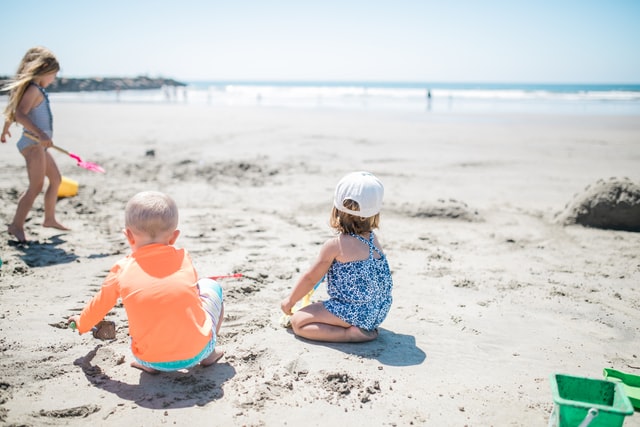
If you have a lake or public pool nearby, take your kids swimming. It’s never too early to learn to swim, and most toddlers love playing in the water and with the sand on the shore.

Final Thoughts

Entertaining your little one and getting her out and about in the community doesn’t have to cost a lot. These are just a few of the many free activities to do with toddlers this summer.

Read More

Encourage Toddler Play without Breaking the Bank

Interesting Ways to Keep Your Toddler Busy

Cheap, Fun Ways to Stay Cool This Summer

P.s. I found some great DIY playroom ideas on savedbythecents.com, recommend you check them out => here.

Melissa Batai
Melissa Batai

Melissa is a writer and virtual assistant. She earned her Master’s from Southern Illinois University, and her Bachelor’s in English from the University of Michigan. When she’s not working, you can find her homeschooling her kids, reading a good book, or cooking. She resides in Arizona where she dislikes the summer heat but loves the natural beauty of the area.

Filed Under: Family Time, Growing Up, Parenting, Parenting Blog at KidsAintCheap Tagged With: free things to do, Library, Summer Activities, toddlers

Cheap, Fun Ways To Stay Cool This Summer

June 17, 2021 | Leave a Comment

Cheap Fun Ways to Stay Cool This Summer

After a long, cold winter, most of us embrace the warmer summer temperatures. . .until the weather becomes uncomfortably hot. We’re in Arizona and going through a heat wave; the daily highs will be 114 to 115 degrees for the next week. However, just because it’s hot doesn’t mean you and your kids have to be confined to the house all day. There are many cheap, fun ways to stay cool this summer.

Outdoor Activities

Play in the Water

Slap some sunscreen on and break out the sprinkler! My girls are 11 and 12, and they still love to run through the sprinkler and cool down.

If your kids are too young for a sprinkler opt for a kiddie pool or water table. When our kids were little, they could play for hours splashing water and throwing stuff in the water of their small stand-up water table. This is cheap, easy entertainment while still enjoying the summer.

You could also take the kids to the local community pool. Once a week my husband takes the kids to our community pool to cool off for a few hours.

Enjoy the Shade

Trust me, I know, some days even shade doesn’t cut it, but for the other days, plan a day of shaded activities only. One fun idea is to build a fort outside with sheets to play in! You’re protected from sun yet burning off some energy while enjoying fresh air.

Eat Some Cool Treats

Experiment with fun, cool healthy treats. Freeze smoothies into popsicles, eat some frozen fruit or jazz up water with frozen fruit for added flavor. Making homemade ice cream and experimenting with flavors is another option.

Indoor Activities

Walk Inside

If you need the A/C, try getting exercise at the same time. Super hot summer days are a great excuse to go to the mall…for a walk. Malls are air-conditioned and have wide halls that make a great walking path. If a true shopping trip isn’t in the budget, go to the mall and maybe grab a small treat like an ice cream at the food court. As long as your child knows the stipulations for the trip to the mall, whining should be limited when they can’t get the t-shirt/teddy bear/cell phone that they need.

Go to the Summer Movies

Every summer, theaters around the country offer discounted movie tickets for kids and their parents. Often, you can buy tickets for as little as $1. True, you don’t get to choose which movie you see at that price; you have to see the movie that the theater company designates. However, who can argue with a cheap movie and two hours of air conditioning while you watch?

Go Bowling

Fun Cheap Ways to Stay Cool This Summer
Photo by Todd Diemer on Unsplash

Likewise, bowling alleys also offer discounted bowling rates for kids. While this activity is fun, it’s probably the least frugal activity on the list because the price of renting bowling shoes can add up quickly. If your kids have their own bowling shoes, then this activity becomes much cheaper.

Final Thoughts

Hot summer days don’t mean all fun has to be zapped. While it is more difficult, it isn’t impossible to find cheap fun ways to stay cool this summer.

What are your favorite ways to stay cool this summer?

Read More

12 Free or Cheap Things to Do with Kids This Summer

How to Eat Well in the Summer

Cleaning Poop and Other Jobs Your Kid Can Do This Summer to Earn Money

Melissa Batai
Melissa Batai

Melissa is a writer and virtual assistant. She earned her Master’s from Southern Illinois University, and her Bachelor’s in English from the University of Michigan. When she’s not working, you can find her homeschooling her kids, reading a good book, or cooking. She resides in Arizona where she dislikes the summer heat but loves the natural beauty of the area.

Filed Under: Stuff to Do Tagged With: Cool, Stay Cool, Summer, Summer Activities, Summer Treats, Water Fun

Free and Cheap Things to do This Summer

May 22, 2019 | Leave a Comment

cheap things to do this summer

Day camps are a summer staple, but sometimes our household needs more.  I found myself low on finances for one year, and I couldn’t even plan for a summer vacation. I had to do some quick digging around for free and nearly free things my kids could do so that they had some fun experiences without breaking the bank. Here are some free and cheap things to do this summer with the kids. [Read more…]

Filed Under: Family Time Tagged With: Summer Activities

Frugal Summer Fun For Your Toddler

June 4, 2014 | Leave a Comment

frugal summer activities for kidsIt’s hard to believe that June is here!

The weather is finally starting to warm up (the cold weather was dragging on forever here) and we’re venturing outside. This is the first summer that my daughter could really ”do anything”. She was born in June so last year, being only one, was just learning how to walk and explore.

This year, a full-fledged active two year old, requires strategic planning to keep her entertained. The good thing is that she’s only two so doesn’t really know how or what is out there unless we expose her to it. The bad thing is that she is very busy and requires me to be as creative as I can be to keep her entertained all summer.

After pursing the internet and talking to my mom and teacher friends, I have come up with a list of fun fugal outdoor activities for your toddler:

  • Painting with water. We did this the other day and it’s as easy as it seems. Bucket of plain water and a paintbrush! We painted the driveway and fence. This literally entertained her for over an hour and 100% mess-free!
  • Chalk/bubbles. Another favorite and cost less than $1.
  • Explore your neighbourhood. I like taking walks with kiddo before it gets too hot in the summer mornings. It’s usually not too busy traffic-wise and I can let her out of the stroller to just run ahead of me a little to burn off some energy herself.
  • Parks and playgrounds. When we’re on our walks we will often stop at a local playground to run around. Bonus if there are other kids present for her to play with otherwise mom is getting an added workout playing too 🙂
  • DIY Sandbox or dirtbox. Little fact: Kids love to dig and play in dirt. We plan on buying a cheap kiddy pool (less than $10) and filling it with either sand or dirt. We can hide a few toys within the sand/dirt and let them dig it out. I went to the local dollar store and purchased some little shovels and a toy dump truck for her to play with in said box.
  • Beach days. Great idea of you’re close to one!
  • Picnics. There’s something so fun about eating outside. You don’t even have to go anywhere, you’re own backyard will do. It’s the change in routine that will have them entertained.
  • Treasure hunt. Take objects (ideally kids toys) and hide them outside having them find them based on description such as ”eye spy something that is red”.
  • Garden. Kids love helping. Something like a garden is something they can help with (maybe something as simple as buying them a tiny watering can sort of thing). Have them help pick out flowers and I’m sure the first thing out of their mouths every morning will be ”flowers!”. They will love the added responsibility to help keeping it alive.

Keeping little ones entertained can be exhausting for parents. It’s so easy to run out of ideas especially with very active toddlers. I hope there are a few new ideas for you and your little one. Bring on warm weather!

What other frugal summer fun ideas can you think of?

Catherine
Catherine

Catherine is a first time momma to a rambunctious toddler. When she isn’t soaking up all that motherhood has to offer, you can find her blogging over at Plunged in Debt where she chronicles her and her husbands journey out of debt. You can also follow her on Twitter.

plungedindebt.com

Filed Under: Family Time, Money and Finances, Stuff to Do, Uncategorized Tagged With: Frugal, Kids, Summer Activities

  • Facebook
  • Pinterest
  • RSS
  • Twitter

Basic Principles Of Good Parenting

Here some basic principles for good parenting:

  1. What You Do Matters: Your kids are watching you. So, be purposeful about what you want to accomplish.
  2. You Can’t be Too Loving: Don’t replace love with material possessions, lowered expectations or leniency.
  3. Be Involved Your Kids Life: Arrange your priorities to focus on what your kid’s needs. Be there mentally and physically.
  4. Adapt Your Parenting: Children grow quickly, so keep pace with your child’s development.
  5. Establish and Set Rules: The rules you set for children will establish the rules they set for themselves later.  Avoid harsh discipline and be consistent.
  6. Explain Your Decisions: What is obvious to you may not be evident to your child. They don’t have the experience you do.
  7. Be Respectful To Your Child: How you treat your child is how they will treat others.  Be polite, respectful and make an effort to pay attention.
Best Parenting Blogs

Most Popular

Baby names

Teachers Admit: These 6 Baby Names Create Instant Bias in the Classroom

Latrice Perez
6 Baby Names That Sound Cute Now but Cause Problems Later

6 Baby Names That Sound Cute Now but Cause Problems Later

Brandon Marcus
11 Ways Kids Are Outsmarting Parental Controls 1. Using Alternate Devices One common trick is simply turning to another device. If a child’s main phone or tablet is restricted, they may borrow a sibling’s, friend’s, or even a school laptop. This instantly gives them access to content outside of parental oversight. Parents often focus on one device, forgetting that others in the household can serve as loopholes. Knowing this tactic helps families tighten controls across all electronics. 2. Clearing Browsing Histories Many kids quickly learn that clearing browsing history hides evidence of restricted activity. With just a few clicks, they can erase any trace of websites visited. This makes it harder for parents to notice when rules are being broken. Parents may assume no history means no browsing, but the reality is often the opposite. Kids are outsmarting parental controls by making it seem like nothing happened at all. 3. Using Private Browsing Modes Most browsers offer “incognito” or private browsing features. Kids use this mode to access websites without leaving a record in the history. To parents checking later, everything looks clean and safe. This simple trick is often one of the first ways kids discover how to bypass restrictions. Conversations about private browsing can help close this gap. 4. Guessing or Resetting Passwords Children who are persistent may try to guess passwords to parental control apps or accounts. Others may find ways to reset them through email prompts or security questions. Once inside, they can disable restrictions entirely. Parents may not even realize controls have been altered until much later. Stronger, less predictable passwords can make this more difficult. 5. Using VPNs to Hide Activity Virtual private networks, or VPNs, let kids disguise their online locations. With one downloaded app, they can bypass geographic or parental restrictions. Some children learn about VPNs through friends or even social media. This makes it easy for them to reach content that should be blocked. Parents often underestimate just how simple it is for kids to use these tools. 6. Creating Fake Accounts When parents monitor social media, kids may create hidden accounts. These “finstas” or fake profiles allow them to interact freely without parental oversight. While their main account appears harmless, the secondary one tells a different story. Kids are outsmarting parental controls by playing both sides at once. Checking for duplicate accounts can help parents stay more aware. 7. Exploiting Time Zone Settings Some kids change the time zone on their devices to bypass screen time limits. This trick allows them to gain extra hours of usage undetected. Parents may assume controls are working, but in reality, the child is bending the clock. It’s a clever loophole that highlights just how resourceful kids can be. Monitoring device settings regularly can catch this tactic. 8. Disabling or Uninstalling Apps Parental control apps can be deleted or disabled with surprising ease. Some kids even reinstall them before a parent checks, making it seem like nothing changed. Others may simply restrict permissions to prevent apps from functioning properly. When apps aren’t monitored closely, parents may not notice they’ve been tampered with. This shows the importance of consistent follow-up. 9. Turning to Friends for Access If a child can’t get past restrictions on their own, they may rely on friends. Visiting a friend’s house or borrowing their phone can give them a free pass. Parents often forget that peer environments can override restrictions set at home. This kind of social workaround is especially common with gaming or social media. Open conversations about trust and responsibility are essential. 10. Hiding Apps in Plain Sight Kids sometimes download apps that look innocent but serve as gateways to hidden activity. These apps may disguise themselves as calculators or utilities. In reality, they allow file storage, private messaging, or browser access. Parents glancing at a home screen may overlook them entirely. Learning to recognize these disguised apps can help parents stay informed. 11. Outpacing Parents’ Tech Knowledge Finally, kids often know more about devices than their parents do. Whether through YouTube tutorials, TikTok hacks, or peer groups, they quickly learn advanced workarounds. This knowledge gap means controls can be bypassed before parents even realize the loophole exists. Staying informed and continually learning about new technology is the best defense. Kids are outsmarting parental controls because they adapt faster than most adults. The Real Solution Lies Beyond Restrictions While controls and filters are important, no system is perfect. Kids will always find creative ways around barriers, making communication the strongest safeguard. Setting clear expectations, building trust, and having ongoing conversations about online behavior matter more than apps alone. Parents who combine technology with open dialogue create a safer digital environment. The goal isn’t to win a battle of wits but to build a relationship that keeps kids both safe and honest. Do you think kids are outsmarting parental controls faster than parents can keep up? Share your experiences in the comments below. What to Read Next... 6 Parenting Tech Shortcuts That Can Expose Your Child to Strangers How Much Screen Time Is Too Much—Legally Speaking? Is Your Child’s School Quietly Tracking Their Location Without Your Consent? How Much Screen Time Is Quietly Reshaping Childhood Behavior? Why Some Parents Are Being Investigated Over Homeschooling Records

11 Ways Kids Are Outsmarting Parental Controls

Catherine Reed

10 Children’s Games From the ’60s That Need to Make a Comeback

Samantha
Smiling grandfather holding a happy baby indoors.

Why Grandparents Shouldn’t Babysit Their Grandkids Every Week – The Unspoken Issue

Samantha

All content on Kids Ain’t Cheap is for entertainment purposes only. By reading this blog, you agree that Kids Ain’t Cheap is not responsible for any actions taken after reading this blog. For the full disclaimer, see our privacy policy.

Please note that Kids Ain’t Cheap has financial relationships with some of the merchants mentioned here. Kids Ain’t Cheap is funded by banner advertising, commission sales and search optimization consulting.

Copyright © 2006–2026 | District Media | All Rights Reserved | Privacy Policy

Copyright © 2026 Runway Pro Theme by Viva la Violette