• Home
  • About Us
  • Toolkit
  • Archives
  • Advertise
  • Privacy Policy

Kids Ain't Cheap

But They Sure Are Worth It

  • Parenting
    • Baby Stuff
    • Books and Reading
      • Aesops Fables
      • Comic Books
    • Education
    • Family Time
    • Green Living
    • Growing Up
    • Healthy Living & Eating
    • Holidays
    • Parenting
    • Random Musings
    • Shopping
    • Stuff to Do
  • Money
  • Product Reviews
    • Books and Magazines
    • Discount Sites
    • Furniture
    • House Keeping
    • Reviews News
    • Toys and Games
  • Contact Us
  • Our Editorial Commitment
  • Search

6 Popular Kids’ Snacks That Were Just Banned in Other Countries

January 8, 2026 | Leave a Comment

6 Popular Kids’ Snacks That Were Just Banned in Other Countries
Image source: shutterstock.com

If the pantry looks like a mini snack aisle, it’s worth knowing that some products (or U.S. versions of them) don’t meet rules in other places. In several countries, bans and restrictions focus on specific additives, colors, or safety risks that show up in brightly packaged treats. That doesn’t automatically make every item “dangerous,” but it does explain why parents overseas sometimes see different ingredient standards on the same kinds of foods. Here are six real examples, plus what those decisions can teach families shopping at home.

1. Skittles

Skittles became a headline example among popular kids’ snacks because the European Union banned titanium dioxide as a food additive in 2022, which meant products using it couldn’t be sold there in the same formulation. That matters because titanium dioxide had been used in candy for color/opacity, and it’s one of the additives that triggered “this can’t be sold here” rules. In the U.S., Mars later removed titanium dioxide from Skittles, but older packages may still show it while inventory works through stores. This is a good reminder that “same brand” doesn’t always mean “same ingredients” across countries. When a candy’s look is the selling point, it’s often the color additives that run into the strictest rules first.

2. Jelly Mini-Cup Candies (Konjac “Mini Jelly” Cups)

Mini jelly cups made with konjac have been banned in the EU because of choking concerns, especially for children. The issue isn’t “sugar vs. no sugar,” but the gel texture and shape that can lodge in the throat. These popular kids’ snacks products are often marketed in bright fruit flavors that look child-friendly, which is part of why they draw extra attention from regulators. If these cups show up in international markets or online listings, the same product type may be legal in one place and banned in another. For a similar “sweet and fruity” vibe without the mini-cup risk, shelf-stable fruit leathers or dried fruit are easier to portion and pack.

3. Peeps Marshmallow Chicks (Certain Pink or Purple Varieties)

Some Peeps colors have used Red Dye No. 3 (erythrosine), and that dye has been restricted in the EU for decades. In the EU, erythrosine has been authorized only for very limited uses (not as a general candy color), which means many products using it would need reformulation to be sold there. That’s why a treat can feel “normal” in one country but functionally off-limits in another. Even in the U.S., Red 3 is being phased out under the FDA’s 2025 ban timetable, which is pushing more companies to switch colors. When marshmallow snacks are on the list, it’s usually the dye doing the heavy lifting, not the marshmallow itself.

4. Brach’s Conversation Hearts and Brach’s Candy Corn

Brach’s Conversation Hearts and Brach’s Candy Corn are examples of popular kids’ snacks that has shown up in reporting about Red Dye No. 3 in U.S. foods. Because Red 3 has long been restricted in the EU, products relying on it don’t translate cleanly into overseas shelves without ingredient changes. That doesn’t mean every heart or candy-corn piece everywhere uses it, but it shows how a single dye can decide whether a product crosses borders. If a family tries to reduce dye exposure, this is one of those “read the color line” moments on the ingredient list. A simple swap is choosing a chocolate-based seasonal candy, since many mini chocolate bars don’t rely on bright synthetic colors for their look.

5. Dubble Bubble Original Twist Bubble Gum

Dubble Bubble Original bubble gum has ingredient lists that include FD&C Red 3 on some product packaging and retailer ingredient pages. That matters because Red 3 restrictions differ widely, and the EU’s limits make “brightly colored candy gum” a common reformulation target. Gum is a classic lunchbox add-on, but the colorants are often doing more than the flavor when it comes to regulatory attention. If a family wants gum without the same dye concerns, uncolored mint gums or “white” bubble gums are usually easier to find. This is also a good moment to check serving size, because it’s easy for gum to turn into multiple pieces a day without anyone noticing.

6. Pez Candy Refills

Pez is another of the popular kids’ snacks that has been cited by consumer advocates as showing up in Red 3 discussions alongside other brightly colored sweets. Because countries regulate dyes differently, a candy that’s easy to buy in one place may need a different recipe to be sold elsewhere. That’s why the “banned overseas” conversation often boils down to a tiny line on the label where certified colors are listed. If a family keeps novelty candies around, treating them like an occasional treat instead of a daily habit is the simplest risk-reducer.
For a similar “fun factor,” sticker treats, novelty toothpicks, or small toys can replace the dispenser habit without becoming a food routine.

What Parents Can Learn From These Snack Bans

International bans don’t mean a pantry has to be purged overnight, but they do show how much rules can differ depending on additives and safety concerns. When popular kids’ snacks are the issue, the deciding factor is often colorants or a specific ingredient that other countries restrict more tightly. A practical habit is checking the ingredient list for certified colors and noticing when a product is “bright” mainly because of dyes. Another smart move is buying single servings first, because reformulations (or “new versions”) can taste different than the snack a family remembers. Over time, swapping in less brightly colored options a few days a week can reduce additive exposure without turning snacks into a daily battle.

Which of these popular kids’ snacks bans surprised families the most, and what swaps have actually worked without causing snack-time drama?

What to Read Next…

Ways to Make After-School Snacks That Are Cheap, Nutritious and Kid-Approved

7 Popular Lunch Snacks That Were Quietly Recalled

Silent Danger: 8 Common Foods That Are Choking Hazards For Young Children

Stop Buying This: 6 Food Items That We Think Are Healthy but Are Bad for Our Children

7 Lunch Foods That Make Kids a Target for Teasing

Catherine Reed
Catherine Reed

Catherine is a tech-savvy writer who has focused on the personal finance space for more than eight years. She has a Bachelor’s in Information Technology and enjoys showcasing how tech can simplify everyday personal finance tasks like budgeting, spending tracking, and planning for the future. Additionally, she’s explored the ins and outs of the world of side hustles and loves to share what she’s learned along the way. When she’s not working, you can find her relaxing at home in the Pacific Northwest with her two cats or enjoying a cup of coffee at her neighborhood cafe.

Filed Under: Healthy Living & Eating Tagged With: children’s nutrition, food safety, healthy eating, international bans, kids snacks, parenting tips, school lunches

Indoor Fitness Hacks for Kids When Snow and Ice Cancel Outside Plans

December 31, 2025 | Leave a Comment

Indoor Fitness Hacks for Kids When Snow and Ice Cancel Outside Plans
Image source: shutterstock.com

When the driveway is a skating rink and the playground is buried, kids still have the same energy they’d normally burn outside—maybe more. That’s when the house starts feeling smaller by the minute, and every couch cushion becomes a launchpad. The good news is you don’t need pricey equipment, a big basement, or a Pinterest-perfect routine to get everyone moving. A few simple indoor fitness hacks can turn a “stuck inside” day into a reset for bodies and moods. Here are easy, low-cost ways to help kids move, sweat, and laugh without wrecking your home.

1. Create A “Hallway Olympics” With Safe, Simple Events

Pick a clear stretch of hallway or living room space and set two rules: no running near breakables and shoes stay off. Then set up events like “speed walking relay,” “crab-walk race,” or “bear crawl to the finish line.” Use painter’s tape or a scarf to mark start and finish lines, and let kids take turns being the “announcer.” Keep rounds short so they stay fun, and rotate events before anyone gets bored. These indoor fitness hacks work because they feel like play, but they still burn energy fast.

2. Try The “Clean-Up Cardio” Game That Multitasks

Write quick chores on slips of paper, like “put five toys away,” “wipe the table,” or “match three socks.” Then pair each chore with a movement burst, like ten jumping jacks, five squats, or a 20-second dance break. Kids draw a slip, do the task, then do the movement, and they earn a point or a sticker if you want to track it. You can keep it light and silly without turning it into a power struggle. This is one of the best indoor fitness hacks because your house gets cleaner while kids stay active.

3. Set Up A DIY Obstacle Course Using What You Already Have

Grab couch pillows, a laundry basket, a couple chairs, and a roll of tape, then build a course in five minutes. Kids can jump over a “lava pillow,” crawl under a chair bridge, and toss a soft ball into a basket to finish. Let them redesign the course once or twice so they feel ownership and don’t lose interest. If you’re short on space, make it a single loop they can run one at a time. Obstacle courses are classic indoor fitness hacks because they mix strength, balance, and coordination without feeling like exercise.

4. Use “Movement Menus” So Kids Can Choose Their Workout

Kids push back when they feel forced, but they lean in when they get to pick. Make a simple menu with options like “dance,” “yoga,” “animal moves,” “stretching,” and “strength,” then let them choose two. Keep each choice short, like five minutes, so the whole thing doesn’t feel endless. If you have multiple kids, each kid gets one pick, and you alternate. Indoor fitness hacks work better when kids feel like partners instead of passengers.

5. Turn Commercial Breaks Into Mini Workout Challenges

If kids are watching something while stuck inside, you can still build movement into the day. During every break, do a quick challenge: plank for 20 seconds, march in place, or do a silly “freeze dance” round. If you don’t want to link it to screens, you can do the same idea with a timer that goes off every 15 minutes. Keep it short so it feels doable and doesn’t derail the day. This is one of those indoor fitness hacks that sneaks movement into the routine without a big setup.

6. Make A “Stuffed Animal Boot Camp” That Feels Like Storytime

Pick a few stuffed animals and assign them roles, like “Coach Bear” or “Captain Bunny.” Kids do moves to “train” the animals: hop like a rabbit, stomp like a dinosaur, or stretch like a cat. You can add a simple story, like training for a winter rescue mission or a superhero academy. This works especially well for younger kids who love pretend play more than “exercise.” Indoor fitness hacks like this keep the mood playful, which is half the battle on long indoor days.

7. Use Balloon Games for Low-Impact, High-Fun Movement

A balloon is cheap, safe, and surprisingly exhausting when you try to keep it from touching the floor. Play “balloon volleyball” over a string, “keep it up” with a countdown, or “balloon tennis” with paper plate paddles. You can add rules like “only use elbows” or “must spin once before hitting” to make it harder. Because balloons move slowly, kids can play without slamming into furniture as much. Balloon games are underrated indoor fitness hacks because they build coordination and keep kids moving without chaos.

8. Do A Short Family “Workout Playlist” Instead of a Full Workout

You don’t need a 30-minute routine to change the energy in your house. Pick three songs and make it a mini playlist that happens once or twice a day. Song one is dancing, song two is strength moves like squats or wall sits, and song three is stretching or slow movement to calm down. Kids love routines that repeat because they know what’s coming. This is one of the simplest indoor fitness hacks, and it often improves behavior for the next hour.

The Snow-Day Movement Plan That Keeps Everyone Sane

When you’re trapped inside, the goal isn’t perfect fitness—it’s getting enough movement to help kids regulate their bodies and moods. Choose one high-energy option like obstacle courses, one steady option like balloon games, and one calm-down option like stretching or yoga. Keep sessions short and repeatable so you can do them without dread. Rotate the activities so kids stay interested, but don’t overcomplicate it with too many rules. If you lean on a handful of indoor fitness hacks, snow and ice won’t ruin your day, and your home will feel a lot more peaceful.

What’s your go-to “stuck inside” activity that burns the most energy without causing the most chaos?

What to Read Next…

How to Build a Family Emergency Fun Jar for Unexpected Winter Activities

Winter Craft Materials You Probably Already Have and Kids Will Love

8 Exercises You Can Do With Your Child for Fun and Fitness

Ways to Reuse Holiday Wrapping Materials to Save on Crafts with Kids

How to Turn Snow Days Into Learning Days That Don’t Cost a Cent

Catherine Reed
Catherine Reed

Catherine is a tech-savvy writer who has focused on the personal finance space for more than eight years. She has a Bachelor’s in Information Technology and enjoys showcasing how tech can simplify everyday personal finance tasks like budgeting, spending tracking, and planning for the future. Additionally, she’s explored the ins and outs of the world of side hustles and loves to share what she’s learned along the way. When she’s not working, you can find her relaxing at home in the Pacific Northwest with her two cats or enjoying a cup of coffee at her neighborhood cafe.

Filed Under: Healthy Living & Eating Tagged With: budget parenting, family routines, gross motor play, indoor activities for kids, kids fitness, screen-free activities, snow day activities, winter parenting

Why Meal-Planning During the Holidays Can Save You More Than Just Money

December 31, 2025 | Leave a Comment

Why Meal-Planning During the Holidays Can Save You More Than Just Money
Image source: shutterstock.com

The holidays have a sneaky way of turning food into a full-time job: extra grocery runs, last-minute takeout, mystery leftovers, and a sink that never empties. When you’re juggling school events, family visits, and end-of-year chaos, it’s easy to spend more than you meant to—and feel more stressed than you expected. That’s why meal-planning during the holidays isn’t just a budget move, it’s a sanity move. A simple plan can protect your time, your energy, and your patience in ways that go way beyond your grocery total. Here are the biggest “hidden savings” you get when you plan your meals with the season in mind.

1. It Cuts Down the Panic Decisions That Lead to Takeout

Holiday schedules change fast, and that’s exactly when expensive food choices happen. A plan gives you a default option for nights when everything runs late and everyone is cranky. When you already know what’s for dinner, you don’t have to negotiate with hungry kids while staring into the fridge. You also avoid the “We’ll just grab something” trap that turns into multiple restaurant stops in a week. Meal-planning during the holidays makes dinner feel automatic, which is a big deal when your brain is already maxed out.

2. It Saves Time in the Store and Reduces Extra Trips

Every extra store run costs more than money, because it eats time, gas, and patience. When you shop without a plan, you’ll forget something, then you’ll go back, then you’ll grab extra stuff “since you’re there.” A focused list helps you move faster and ignore the tempting seasonal displays that practically beg you to impulse-buy. It also makes online ordering or curbside pickup easier, because you’re not trying to invent meals while you click. Meal-planning during the holidays turns shopping into one clean errand instead of a repeating loop.

3. It Lowers Your Mental Load When Everything Else Is Loud

Holiday planning isn’t just presents and parties, it’s calendars, school spirit days, travel details, and a thousand tiny decisions. Deciding what to cook every day adds one more decision that you don’t need. A plan gives you fewer daily choices, which means fewer chances to feel overwhelmed. It also helps you delegate, because another adult (or even an older kid) can follow a simple dinner plan without asking you 12 questions. Meal-planning during the holidays frees up mental space for the stuff that actually matters to your family.

4. It Keeps Leftovers From Becoming a Sad, Forgotten Science Project

Holiday leftovers can be amazing, but only if they have a purpose. Without a plan, leftovers turn into random containers that get pushed to the back until you feel guilty and toss them. With a plan, you can assign leftovers to specific meals, like “turkey soup night” or “taco bowls with leftover ham.” You can also plan one “clean-out dinner” where everyone chooses from what’s already cooked, which magically clears the fridge. Meal-planning during the holidays helps you actually use what you already paid for.

5. It Helps You Control Sugar and Snacks Without Being the Food Police

Between parties, cookie swaps, and treats from school, kids can end up snacking nonstop. A meal plan creates steady meals and predictable snack options, which reduces constant grazing. When dinner is balanced and on time, kids are less likely to melt down and demand junk. You can still enjoy holiday foods, but you’ll be doing it intentionally instead of spiraling into “we’re all just eating random stuff.” Meal-planning during the holidays supports better routines without making you feel strict or joyless.

6. It Makes Hosting Easier Because You’re Not Doing Everything at Once

If you’re hosting, food prep can take over the entire day if you don’t spread it out. A plan helps you pick meals that work with your hosting schedule, like slow cooker dinners on busy days or make-ahead breakfasts when guests are staying over. It also lets you batch prep items that support multiple meals, like roasted veggies or cooked rice. When you know what’s coming, you can start earlier and do less in the frantic final hour. Meal-planning during the holidays helps hosting feel manageable instead of like a marathon you didn’t train for.

7. It Protects Your Budget From “Holiday Food Creep”

Holiday food creep is real: one fancy cheese here, a specialty dessert there, an extra appetizer “just in case.” Those add-ons feel small, but they stack up fast when you’re shopping multiple times. A plan gives you guardrails, because you decide ahead of time which splurges matter and which ones don’t. You can also build in lower-cost meals after bigger events, like soup, pasta, or breakfast-for-dinner. Meal-planning during the holidays makes your spending feel intentional, not accidental.

8. It Builds a Rhythm for Kids When Everything Feels Different

Kids do better when something stays predictable, even when the season gets exciting and chaotic. A meal plan gives them anchors: a known dinner time, a familiar meal theme, and fewer surprises. This is especially helpful when sleep schedules get weird and emotions run high. Even picky eaters tend to cooperate more when meals aren’t a daily experiment. Meal-planning during the holidays creates comfort through routine, which can make the whole house feel calmer.

A Holiday Meal Plan That Saves Your Sanity, Too

The best holiday meal plan doesn’t have to be fancy, it just has to exist. Choose a few reliable meals, plan for leftovers on purpose, and build in one or two easy nights for when schedules explode. Keep a short list of “default dinners” so you’re not reinventing the wheel when you’re tired. Decide your holiday splurges ahead of time, then let the plan protect the rest of your budget and energy. When you lean into meal-planning during the holidays, you’re not just saving money—you’re saving time, stress, and a whole lot of end-of-day frustration.

What’s the hardest part of holiday meal planning for your family—busy schedules, picky eaters, or sticking to a grocery budget?

What to Read Next…

The Art of Sneaking Veggies Into Meals (And Loving It)

10 Cheap Dinners Your Kids Will Actually Eat Without Complaining

Why Your Family Could Be Spending More on Food This December — and What to Do

Ways to Make After-School Snacks That Are Cheap, Nutritious and Kid-Approved

Food Hacks to Turn Leftovers Into Kids’ Lunches That Beat Store Prices

Catherine Reed
Catherine Reed

Catherine is a tech-savvy writer who has focused on the personal finance space for more than eight years. She has a Bachelor’s in Information Technology and enjoys showcasing how tech can simplify everyday personal finance tasks like budgeting, spending tracking, and planning for the future. Additionally, she’s explored the ins and outs of the world of side hustles and loves to share what she’s learned along the way. When she’s not working, you can find her relaxing at home in the Pacific Northwest with her two cats or enjoying a cup of coffee at her neighborhood cafe.

Filed Under: Healthy Living & Eating Tagged With: busy family routines, Family Meals, grocery savings, holiday budgeting, holiday stress management, Meal Planning, parenting tips, reducing food waste

Ways to Make After-School Snacks That Are Cheap, Nutritious and Kid-Approved

December 8, 2025 | Leave a Comment

Ways to Make After-School Snacks That Are Cheap, Nutritious and Kid-Approved
Image source: shutterstock.com

When kids burst through the door after school, they’re usually hungry, tired, and on the verge of raiding anything they can find in the pantry. You want to offer something that fills them up, fuels their brains, and still fits your grocery budget. The good news is you don’t need fancy ingredients or Pinterest-perfect recipes to make that happen. With a little planning, you can turn everyday staples into after-school snacks that are cheap, nutritious, and genuinely exciting for your kids.

1. Plan Cheap Snacks Ahead of Time

The easiest way to keep snacks affordable is to plan them the same way you plan dinners. Take five minutes on the weekend to write a short list of after-school snacks you’ll rotate through for the week. Then check what you already have at home and build your grocery list around those ideas instead of impulse buys. When you know you’re making yogurt parfaits, popcorn, and sliced veggies with dip, you can watch for sales on those specific ingredients. Planning ahead also helps you portion snacks before kids walk in, which prevents them from turning an afternoon bite into a full extra meal.

2. Use Pantry Staples for Big Impact

You don’t need specialty snack foods when simple pantry staples can do the job. Peanut butter on apple slices, bananas rolled in crushed cereal, or baked tortilla chips with salsa all feel fun without costing much. Keep a small list of go-to after-school snacks that rely on things you almost always have on hand, like oats, rice cakes, canned beans, or frozen fruit. Buying store brands instead of name brands for these basics can shave several dollars off each grocery trip. Over time, that saved money adds up while your kids still get snacks that feel satisfying and special.

3. Turn After-School Snacks into DIY Snack Bars

Kids love anything they can customize, and snack bars are an easy way to use up odds and ends from your kitchen. Set out small bowls with crackers, cheese cubes, sliced veggies, hummus, and fruit so kids can build their own mini plates. For a sweeter option, offer plain yogurt with toppings like granola, raisins, and a few chocolate chips, letting them assemble their own after-school snacks in a bowl or cup. You stay in control of portions and ingredients, but they feel like they’re getting a special treat. Rotating different toppings each week keeps things interesting without requiring you to buy completely new foods every time.

4. Sneak in Extra Fruits and Veggies

After school is a great time to boost your child’s fruit and veggie intake, especially if dinner sometimes feels rushed. Pair sliced carrots, cucumbers, or bell peppers with a favorite dip like ranch or hummus to make them more appealing. You can also blend spinach into smoothies, bake shredded zucchini into mini muffins, or serve apple slices with cinnamon and a bit of peanut butter. When you think of after-school snacks as a chance to add color to the plate, it becomes easier to offer produce instead of packaged sweets. Over time, these small choices add up to better nutrition without a big increase in your grocery bill.

5. Repurpose Leftovers in Creative Ways

Leftovers from last night’s dinner can easily become today’s snack if you reframe how you serve them. Half a grilled cheese sandwich can be cut into fun shapes, pasta can be served cold as a quick salad, and leftover chicken can turn into quesadillas. These mini meals are usually more filling than a granola bar and cost you nothing extra because the food is already cooked. When you look at leftover sides or proteins as ready-made after-school snacks, you’ll find far fewer mystery containers getting tossed at the end of the week. Kids get variety, you waste less food, and your grocery budget stretches a little further without much extra effort.

Snack Routines That Work for Your Wallet and Your Kids

At the end of the day, the best snack routine is the one that keeps your kids fed, happy, and energized without blowing up your budget. By planning a few simple ideas, relying on pantry staples, and using up leftovers, you create a system that practically runs itself. Kids learn that after-school snacks can be fun and tasty without always coming from a box or drive-thru bag. You’ll feel better knowing you’re offering balanced options most days, even if the occasional treat sneaks in. Over time, these small, consistent habits teach kids to see food as fuel, comfort, and connection, all while helping your family spend less.

What’s your favorite cheap, kid-approved after-school snack idea that always disappears first at your house?

What to Read Next…

10 Snacks That Are Making Your Kids Overweight and Unhealthy

The Truth About “Organic”: 8 Common Kid Snacks With Dangerous Allergens

7 “Secret Snacks” Moms Hide (And Where We Keep Them)

8 Snacks That Kids Love and Doctors Hate

Snack Attack: Healthy Toddler Foods for Grazing Kids

Catherine Reed
Catherine Reed

Catherine is a tech-savvy writer who has focused on the personal finance space for more than eight years. She has a Bachelor’s in Information Technology and enjoys showcasing how tech can simplify everyday personal finance tasks like budgeting, spending tracking, and planning for the future. Additionally, she’s explored the ins and outs of the world of side hustles and loves to share what she’s learned along the way. When she’s not working, you can find her relaxing at home in the Pacific Northwest with her two cats or enjoying a cup of coffee at her neighborhood cafe.

Filed Under: Healthy Living & Eating Tagged With: after-school snacks, cheap snacks, Family Budgeting, grocery savings, healthy snacks for kids, kid-friendly snacks, Meal Planning, school-age kids

Food Hacks to Turn Leftovers Into Kids’ Lunches That Beat Store Prices

December 5, 2025 | Leave a Comment

Food Hacks to Turn Leftovers Into Kids’ Lunches That Beat Store Prices
Image source: shutterstock.com

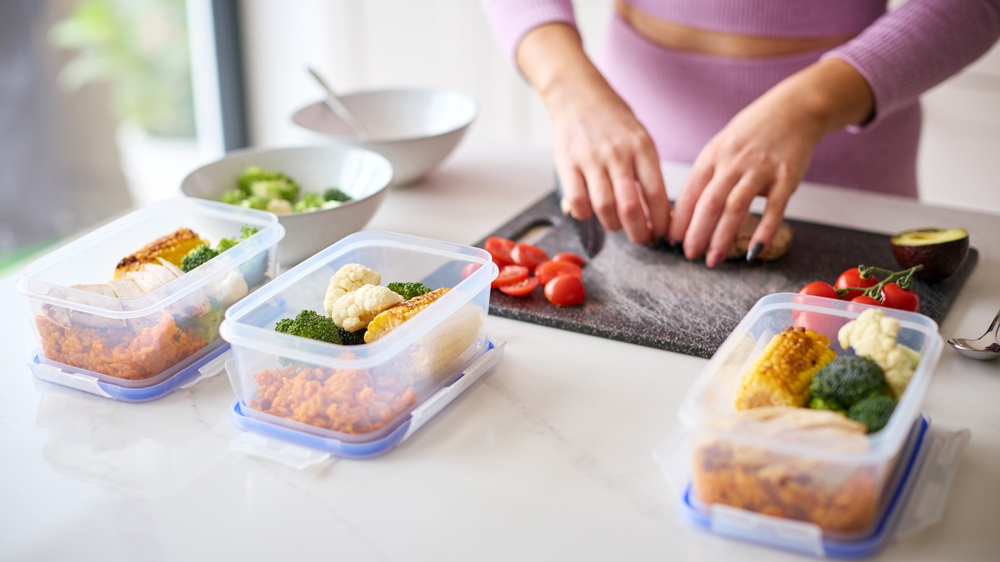
Every parent knows the struggle of packing school meals that are both budget-friendly and appealing enough that they actually get eaten. Pre-packaged snacks and lunch kits might look convenient, but their prices add up fast—and they’re often less nutritious than homemade options. The truth is, with just a little creativity, the leftovers from last night’s dinner can become tomorrow’s delicious, low-cost meal. Transforming what’s already in your fridge into easy kids’ lunches not only cuts food waste but also keeps your grocery budget under control. Here’s how to make every bite go further without your kids realizing they’re eating leftovers.

1. Repurpose Dinner Staples Into Creative Kids’ Lunches

That half-pan of baked chicken or pasta doesn’t have to sit forgotten in the fridge. Turn baked chicken into a simple wrap with shredded lettuce, cheese, and a drizzle of ranch, or chop it into a kid-sized quesadilla. Leftover pasta can become a cold pasta salad mixed with a spoonful of mayo or Italian dressing, which feels like a totally new dish. Even roasted veggies can find new life when tucked into a grilled cheese or folded into an omelet muffin. When you frame it as a “mini version” of last night’s meal, kids get excited instead of bored.

2. Use Leftover Rice and Grains for Easy Bento-Box Wins

Leftover rice, quinoa, or couscous might seem boring, but they’re the base of some of the best kids’ lunches. Mix them with small bits of leftover meat, corn, or beans for a DIY “lunch bowl” that’s both filling and colorful. You can pack it in a divided container and add fruit, yogurt, or a granola bar on the side for a balanced meal. A splash of soy sauce or teriyaki instantly turns plain rice into something kids find familiar and tasty. Bonus: these grain-based meals hold up well at room temperature, so you don’t need to worry about reheating.

3. Turn Leftover Veggies Into Hidden-Ingredient Favorites

Getting kids to eat their vegetables is always easier when they don’t realize they’re doing it. Puree leftover roasted carrots, squash, or cauliflower into a smooth pasta sauce, or blend spinach into a fruit smoothie with banana and yogurt. You can even bake small veggie muffins with grated zucchini or sweet potato for a portable lunchbox treat. Leftover mashed potatoes make amazing pancake-style patties when fried lightly in a pan and served with ketchup or applesauce. These sneaky additions make your kids’ lunches healthier while helping you stretch your grocery money further.

4. Rework Leftover Proteins Into Snackable Meals

Kids love meals they can pick up and eat without much fuss, so leftovers that can be transformed into finger foods are gold. Cut leftover meatloaf or turkey burgers into cubes for “protein bites,” or make mini sandwiches using dinner rolls or slider buns. Cold slices of roast beef or ham can become roll-ups with cheese and a thin layer of mustard. You can even make a simple homemade version of a store lunch kit by combining protein cubes, crackers, and fruit slices in reusable containers. These bite-sized options feel special and keep kids full longer than sugary packaged snacks.

5. Reinvent Leftover Breakfasts Into Midday Energy Boosters

Breakfast leftovers often get ignored, but they can make perfect kids’ lunches with a little twist. Pancakes or waffles from the weekend can become almond butter and banana sandwiches. Scrambled eggs can fill tortillas for mini breakfast burritos that hold up well in a lunchbox. Even leftover oatmeal can be transformed into baked oatmeal cups or bars when mixed with an egg, a little milk, and fruit. These quick transformations save you time and prevent waste while giving kids something new to look forward to. Best of all, they cost pennies compared to store-bought alternatives.

6. Use Freezer-Friendly Tricks to Stay Ahead

Not every leftover will last until the next school day, so freezing in small portions can help you build a stash of ready-made kids’ lunches. Freeze pasta, soups, or burritos in silicone molds or small containers so you can grab and thaw them overnight. Label each container with what’s inside and the date, and aim to rotate through them each week. You can also freeze muffins, mini pizzas, and wraps for easy variety. Planning ahead with frozen leftovers keeps you from resorting to overpriced convenience foods when mornings get hectic.

Stretch Every Dollar Without Skimping on Fun

Turning leftovers into new meals doesn’t mean sacrificing flavor or excitement. When you mix creativity with practicality, you not only save money but also show your kids how fun resourceful eating can be. Encourage them to help choose how their next meal gets reinvented—kids who have a say in lunch ideas are far more likely to finish what’s packed. With these simple food hacks, every bit of dinner can have a second life, giving you extra room in your budget for the things that matter most. The next time you’re tempted by store-bought lunches, remember that the best options might already be waiting in your fridge.

What’s your favorite way to reinvent leftovers into a lunch your kids actually love—any genius tricks worth sharing in the comments?

What to Read Next…

8 Reasons Your Kids Prefer School Lunches to What You Pack

7 Lunch Foods That Make Kids a Target for Teasing

6 Lunchbox Ingredients That Can Trigger Allergies Without Warning

7 Popular Lunch Snacks That Were Quietly Recalled

14 Retro Foods That Are Great for Lunch Boxes

Catherine Reed
Catherine Reed

Catherine is a tech-savvy writer who has focused on the personal finance space for more than eight years. She has a Bachelor’s in Information Technology and enjoys showcasing how tech can simplify everyday personal finance tasks like budgeting, spending tracking, and planning for the future. Additionally, she’s explored the ins and outs of the world of side hustles and loves to share what she’s learned along the way. When she’s not working, you can find her relaxing at home in the Pacific Northwest with her two cats or enjoying a cup of coffee at her neighborhood cafe.

Filed Under: Healthy Living & Eating Tagged With: budget-friendly cooking, Family Budgeting, food hacks, frugal meal ideas, kids’ lunches, leftover recipes, meal prep for kids, school lunch tips

7 Family Outings That Sound Fun—Until Someone Ends Up in the ER

November 12, 2025 | Leave a Comment

7 Family Outings That Sound Fun—Until Someone Ends Up in the ER
Image source: shutterstock.com

Family time is supposed to be full of laughter, bonding, and unforgettable memories, but not all adventures go as planned. What starts as a simple picnic, park day, or beach trip can quickly turn into a nightmare when accidents happen. From dehydration to unexpected injuries, even the most innocent activities can carry hidden risks. The good news is that with a little foresight and preparation, families can still enjoy these moments without adding a hospital visit to the itinerary. Here are seven common family outings that sound like a blast—until safety takes a backseat.

1. The Backyard Trampoline Party

Trampolines are a childhood favorite, but doctors consistently rank them among the top causes of ER visits. Sprains, fractures, and head injuries happen when multiple kids jump at once or attempt flips. Safety nets help, but supervision is the real game-changer when it comes to safer family outings. Parents should set rules like one jumper at a time and no somersaults without training. Choosing level ground and checking for rust or broken springs can also prevent serious injuries before they happen.

2. The Classic Beach Day

A trip to the beach sounds relaxing until sunburn, jellyfish stings, or rip currents turn it into chaos. Kids can easily wander too far, get dehydrated, or be caught in unpredictable tides. Lifeguards recommend keeping children within arm’s reach and setting up a shaded base to avoid heat exhaustion. Always reapply sunscreen every two hours and pack plenty of water and snacks to maintain energy. Simple precautions make these family outings both safe and fun without unwanted surprises.

3. The Playground Picnic

Playgrounds are designed for fun, but falls from slides or swings remain a major cause of childhood injuries. Hot metal slides in the summer can even cause burns without parents realizing it. Before letting kids loose, check the equipment’s temperature, stability, and surface material underneath. Encourage kids to play one at a time on high structures to reduce pushing or collisions. Turning the outing into a supervised picnic with plenty of hydration breaks can make the day smoother and safer.

4. The Amusement Park Adventure

Few family outings are as exciting as a trip to an amusement park, but rides and crowds can create hidden hazards. Motion sickness, dehydration, and lost children are all common emergencies. Parents should review ride height and health restrictions before waiting in line and plan frequent rest stops. Hydration and sunscreen are must-haves when spending hours in the sun. Assigning a meeting spot in case anyone gets separated gives families extra peace of mind.

5. The Hiking Trail Excursion

A family hike offers exercise and bonding, but terrain, wildlife, and heat can turn it risky. Even short hikes can lead to sprained ankles, insect bites, or getting lost if families stray from marked trails. Always bring a map, first aid kit, and enough water for everyone—especially in hot weather. Sturdy shoes and lightweight clothing make a big difference for comfort and safety. Nature can be unpredictable, so preparation is what separates adventure from accident.

6. The Petting Zoo Experience

Petting zoos teach kids about animals, but they can also expose them to germs, allergies, and bites. Not all animals like being touched, and sudden movements can startle them. Parents should remind children to stay calm, pet gently, and always wash hands afterward. Hand sanitizer is good, but running water and soap are better after any animal contact. These family outings can still be educational and fun when handled with hygiene and respect in mind.

7. The Backyard Bonfire Night

Gathering around a fire for s’mores sounds cozy until sparks or smoke cause injuries. Burns, inhalation, or tripping near the firepit are common accidents, especially with excited kids nearby. Always keep a bucket of water or sand within reach and make sure chairs are placed a safe distance away. Children should never be left unattended near open flames, even for a moment. A few clear rules and constant supervision can keep your family outings full of warmth instead of worry.

Turning Risky Moments Into Safe Memories

Accidents don’t have to define family fun. With a bit of preparation and awareness, every trip, hike, or backyard celebration can stay joyful and injury-free. The key is planning for safety without losing spontaneity—pack the essentials, set expectations, and stay engaged. Family outings are meant to bring everyone closer, and a few smart habits can make sure they do just that. When safety is part of the plan, the best memories come home unscathed.

Have you ever had a family outing that took an unexpected turn? Share your story and lessons learned in the comments below!

What to Read Next…

The Family Road Trip Playbook: Secrets to Smiles on Every Mile

Family Vacation Ideas on a Budget: 8 Destinations That Are Big on Fun, Small on Cost

The Secrets to Stress-Free Travel: 12 Tips for a Seamless Vacation

Bored No More: The 7 Best Travel Games for Endless Fun on the Go

Should You Wait to Travel Internationally Until Your Kids Are Older?

Catherine Reed
Catherine Reed

Catherine is a tech-savvy writer who has focused on the personal finance space for more than eight years. She has a Bachelor’s in Information Technology and enjoys showcasing how tech can simplify everyday personal finance tasks like budgeting, spending tracking, and planning for the future. Additionally, she’s explored the ins and outs of the world of side hustles and loves to share what she’s learned along the way. When she’s not working, you can find her relaxing at home in the Pacific Northwest with her two cats or enjoying a cup of coffee at her neighborhood cafe.

Filed Under: Healthy Living & Eating Tagged With: accident prevention, child health, family outings, family safety, kids activities, outdoor safety, parenting advice, parenting tips

6 Unspoken Rules Pediatricians Wish More Parents Followed

November 8, 2025 | Leave a Comment

6 Unspoken Rules Pediatricians Wish More Parents Followed
Image source: shutterstock.com

Every parent wants to do what’s best for their child, but sometimes even the most well-meaning families overlook simple courtesies or practices that make pediatric visits smoother and more productive. There are unspoken rules pediatricians quietly hope parents will follow, not to make their lives easier, but to ensure every child receives the best care possible. From arriving prepared to respecting time boundaries, small actions can have a big impact on how effectively your child’s health is managed. Here are six unspoken rules pediatricians wish every parent knew before their next visit.

1. Be Honest About Symptoms and Habits

One of the most important unspoken rules pediatricians emphasize is honesty. Some parents hesitate to admit when their child skips doses, eats too many snacks, or isn’t getting enough sleep. However, your pediatrician can only help if they have an accurate picture of your child’s routine and symptoms. Withholding details or glossing over concerns can lead to incorrect assumptions or delayed diagnoses. Being completely transparent allows your doctor to tailor care plans and provide realistic, judgment-free guidance.

2. Respect Appointment Time Limits

Every parent wants their child’s visit to feel personal, but another unspoken rule pediatricians hope families recognize is respecting the scheduled time frame. Appointments are typically structured for a set duration, and when one runs long, it pushes back the entire day’s schedule. Arriving on time, preparing your questions beforehand, and focusing on the most pressing issues ensure you get quality answers without unnecessary stress. If you have additional concerns, many offices welcome scheduling follow-up calls or visits. This approach helps everyone—parents, staff, and other families—stay on track.

3. Avoid Bringing a Sick Sibling Along

It’s understandable that childcare can be challenging, but bringing a contagious sibling to a pediatric appointment is one of the unspoken rules pediatricians wish more parents respected. Waiting rooms are already filled with vulnerable infants and children whose immune systems are still developing. Exposing others to illness—even unintentionally—can cause real harm. When possible, arrange care for sick siblings or call ahead to see if special accommodations can be made. Taking small precautions like this helps protect every child who comes through the clinic doors.

4. Follow Through on Medical Advice

Pediatricians often spend extra time creating personalized care plans, yet one of the unspoken rules pediatricians mention most often is the importance of following through. Whether it’s giving medication as directed, scheduling lab tests, or monitoring developmental milestones, consistency matters. Parents who only partially follow instructions can unintentionally delay recovery or confuse the treatment process. If something doesn’t make sense or feels unmanageable, it’s better to ask questions than to ignore recommendations silently. Doctors appreciate when parents communicate challenges honestly—it helps them adapt the plan for success.

5. Keep Non-Urgent Questions for Office Hours

Another of the unspoken rules that pediatricians hope parents adopt involves setting clear communication boundaries. Many families use text messages, online portals, or after-hours calls to address questions that can wait until business hours. While emergencies always deserve immediate attention, asking about mild rashes or feeding tips at 10 p.m. can overwhelm an already stretched healthcare team. Saving non-urgent inquiries for regular hours ensures staff can respond thoughtfully and efficiently. It also allows doctors to dedicate their emergency time to patients who truly need urgent care.

6. Trust the Expertise You Sought Out

Finally, one of the most significant unspoken rules pediatricians wish parents understood is trust. The internet has made information more accessible, but it has also flooded parents with conflicting advice. When families second-guess every recommendation or demand specific treatments from online sources, it can hinder progress and create unnecessary tension. Pediatricians want collaborative relationships built on mutual respect and open communication. Trusting your child’s doctor doesn’t mean never asking questions—it means recognizing that their training and experience are centered on your child’s well-being.

Building a Partnership for Better Care

Pediatric visits are more effective when parents and doctors work as a team. Understanding these unspoken rules that pediatricians wish parents would follow helps foster mutual respect and smoother communication. By being transparent, respectful of time, and mindful of how actions affect others, families contribute to a calmer and more efficient healthcare experience. Every small effort—whether it’s arriving prepared or following advice diligently—adds up to better outcomes for your child’s growth and health. The best care happens when both sides see each other as partners in the same goal: a healthy, happy child.

Which of these unspoken rules resonates most with you? Share your thoughts or experiences in the comments below.

What to Read Next…

  • 6 Questions Pediatricians Wish Parents Would Actually Ask
  • Why Are Pediatric ER Visits Rising for First-Time Parents?
  • 10 Pediatric Visits That Leave Parents With Unexpected Bills
  • Pediatrician Secrets: 8 Dangers Your Pediatrician Won’t Discuss
  • What Are Pediatricians Quietly Saying About Parental Guilt?
Catherine Reed
Catherine Reed

Catherine is a tech-savvy writer who has focused on the personal finance space for more than eight years. She has a Bachelor’s in Information Technology and enjoys showcasing how tech can simplify everyday personal finance tasks like budgeting, spending tracking, and planning for the future. Additionally, she’s explored the ins and outs of the world of side hustles and loves to share what she’s learned along the way. When she’s not working, you can find her relaxing at home in the Pacific Northwest with her two cats or enjoying a cup of coffee at her neighborhood cafe.

Filed Under: Healthy Living & Eating Tagged With: child health, doctor visits, family wellness, parenting tips, pediatric advice, pediatric care

6 Questions Pediatricians Wish Parents Would Actually Ask

October 26, 2025 | Leave a Comment

6 Questions Pediatricians Wish Parents Would Actually Ask
Image source: shutterstock.com

Parents often arrive at the pediatrician’s office with a list of concerns, from rashes to runny noses. But in the rush of a short appointment, many don’t think to ask the questions that could have the biggest impact on their child’s long-term health and development. Pediatricians often wish parents would focus less on temporary issues and more on overall well-being—physical, emotional, and social. Asking the right things can lead to more meaningful conversations and better outcomes for your child. Here are six questions pediatricians wish parents would actually ask and why they matter.

1. How Can I Support My Child’s Mental Health?

In today’s world, one of the most important questions pediatricians wish parents would actually ask is about mental health. Many parents assume their child’s mood swings or stress are just “phases,” but early intervention can prevent bigger challenges later. Pediatricians can help identify whether a child’s anxiety, sadness, or behavior changes signal deeper issues. They can also recommend counselors, coping techniques, or lifestyle changes that promote emotional stability. Making mental health part of regular checkups ensures kids receive the same proactive care for their minds as they do for their bodies.

2. Is My Child Getting Enough Sleep for Their Age?

Another crucial but often overlooked question is about sleep. Many parents underestimate how much rest their child truly needs, especially once homework, sports, and screen time enter the mix. Asking about sleep patterns allows pediatricians to assess whether fatigue, irritability, or poor focus might stem from rest deprivation. They can share specific recommendations on bedtime routines, ideal hours of rest by age, and screen-free wind-down strategies. Good sleep isn’t just about avoiding crankiness—it’s essential for memory, immune health, and growth.

3. What Are the Best Ways to Encourage Healthy Eating Habits?

Diet questions come up often, but they’re usually focused on weight or picky eating rather than long-term nutrition. One of the top questions pediatricians wish parents would actually ask is how to build sustainable eating habits. Pediatricians can guide parents on portion sizes, meal balance, and how to make fruits and vegetables more appealing. They can also identify whether supplements or allergy testing might be necessary. Encouraging kids to enjoy nutritious foods early on can prevent health issues like diabetes, obesity, and nutrient deficiencies later in life.

4. How Much Screen Time Is Too Much?

Technology has become an unavoidable part of childhood, but many parents aren’t sure where to draw the line. Pediatricians often wish parents would ask about screen limits instead of waiting until problems arise. Too much time online can affect sleep quality, attention span, and even emotional development. Asking this question helps parents set realistic boundaries based on a child’s age and activities. A pediatrician can suggest healthy alternatives, such as outdoor play or family reading time, that promote balance without completely cutting out digital devices.

5. What Should I Know About My Child’s Social Development?

Social growth plays a huge role in overall well-being, yet it’s often overlooked during medical visits. Among the questions pediatricians wish parents would actually ask, this one helps uncover issues with confidence, peer relationships, and communication skills. Pediatricians can provide insight into what’s typical at each stage and when to be concerned about isolation or bullying. They can also share strategies for supporting friendships and empathy at home. Understanding social milestones gives parents tools to help their children build resilience and emotional intelligence.

6. Are There Any Preventive Health Steps I’m Overlooking?

Between busy schedules and information overload, it’s easy for parents to miss small but important preventive care details. This includes things like dental referrals, eye exams, and developmental screenings. Asking about preventive steps helps ensure your child’s care is truly comprehensive, not just reactive. It also gives pediatricians a chance to review lifestyle habits like exercise, hydration, and safety precautions. This single question can uncover potential issues before they become bigger problems, saving both stress and money in the long run.

Turning Checkups Into Conversations That Matter

Pediatric visits don’t have to be limited to height, weight, and vaccines. The questions pediatricians wish parents would actually ask are about creating a full picture of a child’s health—body, mind, and social world included. When parents take the initiative to ask deeper questions, they open the door to meaningful guidance that goes beyond standard care. These discussions also build trust, helping kids see their doctor as a safe, supportive resource. Ultimately, the best care happens when curiosity and communication meet in the exam room.

Which of these questions do you think parents overlook most during checkups? Share your thoughts and experiences in the comments below!

What to Read Next…

  • 10 Pediatric Visits That Leave Parents With Unexpected Bills
  • Why Are Pediatric ER Visits Rising for First-Time Parents?
  • Pediatrician Secrets: 8 Dangers Your Pediatrician Won’t Discuss
  • 8 Health Fads Parents Are Pushing on Their Kids Without Science
  • 10 Children’s Medications That Were Recently Recalled
Catherine Reed
Catherine Reed

Catherine is a tech-savvy writer who has focused on the personal finance space for more than eight years. She has a Bachelor’s in Information Technology and enjoys showcasing how tech can simplify everyday personal finance tasks like budgeting, spending tracking, and planning for the future. Additionally, she’s explored the ins and outs of the world of side hustles and loves to share what she’s learned along the way. When she’s not working, you can find her relaxing at home in the Pacific Northwest with her two cats or enjoying a cup of coffee at her neighborhood cafe.

Filed Under: Healthy Living & Eating Tagged With: child development, child health, family wellness, parenting advice, parenting tips, pediatric care, preventive care

8 Health Fads Parents Are Pushing on Their Kids Without Science

October 24, 2025 | Leave a Comment

8 Health Fads Parents Are Pushing on Their Kids Without Science
Image source: shutterstock.com

In an age where every scroll reveals a new “miracle” routine or superfood, even well-meaning parents can get caught up in wellness trends that sound healthy but lack scientific backing. Kids often become the testing ground for these ideas, from trendy supplements to strict food rules. The problem is that what works—or seems to work—for adults doesn’t always translate to a growing child’s needs. Before following the latest craze, it’s worth taking a closer look at the most popular health fads parents are pushing and whether they actually make sense for kids.

1. Cutting Out Entire Food Groups

One of the most common health fads parents are pushing involves eliminating entire food groups, such as dairy, gluten, or carbs. While there are legitimate reasons for these exclusions—like allergies or celiac disease—many parents adopt them based on social media trends rather than medical advice. Growing children need a wide range of nutrients for development, and cutting out foods without guidance can cause deficiencies. For example, removing dairy might reduce calcium intake, while skipping carbs can impact energy levels. A pediatrician or registered dietitian can help determine whether a restriction is necessary before making big changes.

2. Putting Kids on Keto or Low-Carb Diets

The ketogenic diet gained massive popularity for weight loss among adults, but some parents are now applying it to their children. This is one of the more concerning health fads parents are pushing because kids need carbohydrates to fuel growth and brain development. Restricting carbs can lead to fatigue, irritability, and nutrient imbalances in children. Unless prescribed for specific medical conditions like epilepsy, these diets are not recommended for young kids. Balanced meals with whole grains, fruits, and vegetables are far more beneficial than extreme carb cutting.

3. Overloading on “Immunity Boosting” Supplements

Parents naturally want to keep their kids healthy, especially during cold and flu season, but the rush toward daily vitamins, herbal gummies, and “immune shots” has gone overboard. Many of these supplements are unregulated, unproven, and sometimes unnecessary if the child already eats a balanced diet. Too much of certain vitamins—like A or D—can even be toxic in high doses. The immune system isn’t something you can turbocharge with powders and pills. A nutritious diet, regular sleep, and physical activity remain the true cornerstones of a strong immune defense.

4. Forcing “Sugar-Free” Everything

Avoiding excessive sugar is wise, but the obsession with sugar-free foods has become another of the health fads parents are pushing without realizing the downsides. Many sugar substitutes can upset children’s digestion or teach them to crave hyper-sweet flavors. Some sugar-free snacks even contain artificial additives that raise other health questions. Natural sugar from fruit or small treats in moderation is not harmful. Teaching balance instead of strict avoidance creates healthier lifelong habits.

5. Juicing and Smoothie Replacements

Juicing might seem like a quick way to sneak in fruits and vegetables, but it often removes fiber and concentrates sugar. Parents drawn to this health fad may unknowingly give their kids calorie-dense drinks that spike energy and then crash it later. Smoothies can be nutritious if they include protein and fiber, but replacing meals with them is not ideal for children’s growth. Whole fruits and veggies provide texture, nutrients, and satiety that drinks can’t match. It’s better to serve smoothies as snacks rather than meal substitutes.

6. Using Detox Teas or Cleanses

Cleanses and detox teas have no solid scientific basis for improving health, yet they remain one of the most persistent health fads parents are pushing online. These products often promise to “flush out toxins” or “reset the body,” but the liver and kidneys already perform those functions naturally. Giving detox products to kids can lead to dehydration, diarrhea, and electrolyte imbalances. No reputable pediatric health organization recommends them for children. The safest “detox” is simply drinking water and eating real food.

7. Emphasizing Protein Shakes Over Real Food

With the rise of fitness culture, some parents think more protein automatically means better health. Kids are being handed protein bars or shakes designed for adults, which can throw off their nutrient balance. Children typically get enough protein from regular meals that include dairy, eggs, lean meats, beans, or nuts. Overloading on supplemental protein can strain their kidneys and reduce appetite for other food groups. Unless a pediatrician suggests it, there’s no need for shakes to replace real food.

8. Labeling Natural Remedies as “Better Than Medicine”

While natural remedies like honey for coughs or ginger tea can help mild symptoms, they shouldn’t replace proven medical treatments. One of the most problematic health fads parents are pushing is the belief that natural automatically means safer or more effective. Some herbal remedies can interact with medications or be harmful in large doses. Relying on them for serious illnesses can delay proper care and worsen outcomes. Parents should always consult healthcare professionals before trying new remedies, no matter how “organic” they sound.

Raising Healthy Kids with Common Sense

Health trends can be tempting, especially when they promise to make parenting feel more proactive or “clean.” But children’s needs are unique, and their growing bodies depend on evidence-based nutrition, not viral wellness ideas. Parents can best support their kids by focusing on balanced meals, movement, and medical guidance instead of fads. Health doesn’t come from trends—it comes from consistency, moderation, and a little common sense.

Have you noticed any health fads parents are pushing on their kids in your community? Which ones concern you the most? Share your thoughts in the comments below!

What to Read Next…

10 Snacks That Are Making Your Kids Overweight and Unhealthy

Don’t Ignore This: 7 Health Symptoms That Demand Immediate Attention In Kids

The “Harmless” Habit: 7 Health Habits Shortening Childhood For Many

Are You Missing It? 7 Health Warnings Your Child’s Behavior Gives You

Mental Health Crisis: 4 Critical Questions About Your Child’s Mental Health

Catherine Reed
Catherine Reed

Catherine is a tech-savvy writer who has focused on the personal finance space for more than eight years. She has a Bachelor’s in Information Technology and enjoys showcasing how tech can simplify everyday personal finance tasks like budgeting, spending tracking, and planning for the future. Additionally, she’s explored the ins and outs of the world of side hustles and loves to share what she’s learned along the way. When she’s not working, you can find her relaxing at home in the Pacific Northwest with her two cats or enjoying a cup of coffee at her neighborhood cafe.

Filed Under: Healthy Living & Eating Tagged With: child health, childhood development, family health, health myths, kids nutrition, nutrition, Parenting, parenting advice, wellness trends

6 Ways Shared Tablets Are Quietly Harming Your Child’s Sleep

October 18, 2025 | Leave a Comment

6 Ways Shared Tablets Are Quietly Harming Your Child’s Sleep
Image source: shutterstock.com

As screens become a bigger part of family life, many parents assume that sharing one device among siblings is a smart way to limit screen time. Yet, research increasingly shows that shared tablets can disrupt healthy sleep habits more than parents realize. From blue light exposure to digital competition before bedtime, these seemingly innocent habits can leave kids overtired, cranky, and less able to focus during the day. Understanding the hidden ways shared tablets affect sleep can help families set better boundaries—and create calmer nights.

1. Blue Light Exposure from Shared Tablets Delays Sleep Onset

Blue light from shared tablets suppresses melatonin, the hormone that helps children feel sleepy. When kids take turns using a tablet before bed, the light exposure is often extended far beyond what’s healthy for young eyes and developing brains. Even short bursts of screen use close to bedtime can shift their circadian rhythm, making it harder to fall asleep naturally. The problem compounds when siblings pass the tablet around, keeping screens lit longer in shared spaces like bedrooms or living rooms. Reducing or eliminating screen time an hour before bed can significantly improve how quickly children drift off.

2. Sibling Screen Sharing Increases Nighttime Stimulation

When multiple children share tablets, screen time often becomes competitive instead of relaxing. Kids may argue over whose turn it is, watch stimulating videos, or play interactive games that raise excitement levels right before bed. This mental stimulation keeps their brains alert long after the screens are turned off. For children, the shift from high-energy activity to quiet rest is difficult to make quickly. A calmer nighttime routine that replaces shared tablets with books or soothing music can help them transition more smoothly into sleep.

3. Inconsistent Bedtime Schedules Disrupt Sleep Patterns

Shared tablets often cause bedtime delays because one child’s turn bleeds into another’s. What begins as a simple schedule can quickly lead to inconsistent bedtimes, particularly in households where kids of different ages share one device. These irregular sleep times confuse the body’s internal clock, leading to restless nights and groggy mornings. Over time, inconsistent patterns can make it harder for children to get the deep, restorative sleep their growing bodies need. Parents can help by setting clear, consistent tablet cutoffs aligned with each child’s bedtime.

4. Shared Tablets Encourage Late-Night Sneaking

Many parents underestimate how tempting shared tablets can be once the lights go out. When one sibling keeps the device in their room, others might sneak in to use it late at night—especially if the tablet is loaded with games or videos. This hidden screen time not only steals precious sleep hours but can also create conflicts and secrecy between siblings. The glow of the screen, even at low brightness, signals the brain to stay awake longer. Keeping shared tablets in a common charging station overnight helps avoid these bedtime battles and preserves trust among siblings.

5. Shared Tablets Disrupt Bedroom Environments

Bedrooms should be associated with sleep, not scrolling. When shared tablets enter the space, they introduce distractions that make it harder for children to unwind. Notifications, game sounds, and the habit of checking devices can all interfere with the brain’s ability to relax. For households where siblings share a room, one child’s activity can easily disturb another’s ability to rest. Moving shared tablets out of the bedroom completely reinforces healthy sleep cues and helps kids separate tech time from rest time.

6. Shared Tablets Reduce Parent Oversight and Routine

It might seem like sharing a single device simplifies monitoring, but it often has the opposite effect. When multiple kids use shared tablets, parents may lose track of how long each child spends online or what content they’re viewing. Without consistent oversight, children can easily exceed recommended screen limits—especially in the evening. The lack of a defined routine can make bedtime more chaotic and unpredictable. Setting family rules about when, where, and how shared tablets can be used ensures more structure and better rest for everyone.

Reclaiming Restful Nights in a Screen-Filled World

Parents don’t need to eliminate shared tablets entirely to protect their children’s sleep—they just need mindful boundaries. Limiting evening screen use, keeping devices out of bedrooms, and establishing consistent bedtime routines can make a world of difference. By reclaiming nighttime as a screen-free zone, families encourage healthier sleep habits and stronger connections away from digital distractions. A well-rested child is happier, more focused, and better prepared to take on each day with energy and calm.

How do you manage your child’s screen time before bed? Share your favorite strategies for keeping tech out of the nighttime routine in the comments below!

What to Read Next…

  • Do Family Screen Time Rules Invite Emotional Manipulation?
  • 7 Reasons “Screen Time” Studies Are Misleading Parents
  • How Much Screen Time Is Too Much—Legally Speaking?
  • When “Screen-Free” Weekends Become Emotional Landmines
  • The Screen Trap: 9 Social Media Trends Kids Are Doing That Experts Warn About
Catherine Reed
Catherine Reed

Catherine is a tech-savvy writer who has focused on the personal finance space for more than eight years. She has a Bachelor’s in Information Technology and enjoys showcasing how tech can simplify everyday personal finance tasks like budgeting, spending tracking, and planning for the future. Additionally, she’s explored the ins and outs of the world of side hustles and loves to share what she’s learned along the way. When she’s not working, you can find her relaxing at home in the Pacific Northwest with her two cats or enjoying a cup of coffee at her neighborhood cafe.

Filed Under: Healthy Living & Eating Tagged With: child sleep, family technology, healthy routines, kids and tablets, parenting tips, Screen Time, sleep hygiene

10 Snacks That Are Making Your Kids Overweight and Unhealthy

October 14, 2025 | Leave a Comment

unhealthy snacks for kids
Image Source: Shutterstock

Kids love snacks—and let’s be honest, parents love the convenience. But not every grab-and-go option is doing your child’s body any favors. Some of the most popular “kid-friendly” snacks are packed with added sugar, artificial ingredients, and unhealthy fats, contributing to weight gain, energy crashes, and long-term health concerns. It’s not about banning snacks altogether but becoming more mindful of what’s really fueling your child’s day. If you’ve been tossing these common items in the lunchbox without a second thought, it may be time to reevaluate what snack time looks like.

1. Flavored Yogurts

Yogurt might seem like a healthy snack, but many flavored varieties are loaded with added sugar. Some single-serving containers contain more sugar than a doughnut, especially those marketed toward kids with bright packaging and candy mix-ins. While yogurt offers calcium and probiotics, those benefits are often overshadowed by the sugar overload. Kids who regularly consume sugary yogurts may face increased cravings and unwanted weight gain. A better option is plain Greek yogurt sweetened with a drizzle of honey or fresh fruit.

What to eat instead: Try some plain yogurt with natural sweeteners like fruit or applesauce. You can also opt for alternative dairy-free options like coconut or soy yogurt. 

2. Granola Bars

Granola bars sound like a wholesome choice, but most are little more than candy bars in disguise. Many store-bought versions are packed with corn syrup, chocolate chips, and artificial flavors. These snacks provide quick calories but lack the fiber and protein needed to keep kids full. The result? More snacking and less balanced eating throughout the day. Look for bars with whole food ingredients or consider making your own at home.

What to eat instead: Sub granola bars for fresh fruits and vegetables, cheese sticks, or crackers with toppings like hummus or peanut butter. 

3. Fruit Snacks

Despite the word “fruit” in the name, fruit snacks are typically made from processed sugars, gelatin, and dyes—not real fruit. These chewy treats offer almost no nutritional value and can contribute to both weight gain and dental problems. Kids often eat multiple packs without realizing how many calories and grams of sugar they’re consuming. Dried fruit can be a better option, but even that should be given in moderation. Real, fresh fruit will always be the best snack choice.

What to eat instead: The best option is always to opt for fresh fruit, but you can also make your own fruit snacks that are typically much healthier than store-bought. 

4. Juice Boxes

Juice may come from fruit, but the concentrated sugars in juice boxes can rival those of soda. Most lack the fiber of whole fruit and spike blood sugar quickly, leaving kids hungry again soon after. Drinking calories instead of eating them can also contribute to weight gain, especially when paired with other sugary snacks. Water or milk is a healthier beverage option at snack time. If you do serve juice, dilute it with water to reduce the sugar content.

What to eat instead: Healthier drink options include fruit-infused water, milk or plant-based milk, coconut water, smoothies, or yogurt drinks. If you decide to give your child juice, you can also dilute it with water to make it a bit healthier. 

5. Cheese Crackers

They’re salty, crunchy, and easy to love—but cheese-flavored crackers often contain refined flour, artificial colors, and very little actual cheese. These snacks offer minimal protein or fiber and are easy to overeat by the handful. Many kids munch on them mindlessly, racking up calories without ever feeling full. While occasional crackers are fine, they shouldn’t be an everyday go-to. Pair whole grain options with real cheese for a more balanced bite.

What to eat instead: Most kids like the “crunch” of cheese crackers. Some good alternatives are veggie sticks with hummus, popcorn, and roasted chickpeas. 

6. Packaged Muffins

Mini muffins and bakery-style treats might seem like a fun snack, but they’re often sugar bombs in disguise. Many are made with white flour, hydrogenated oils, and sweeteners that push their calorie count sky high. Despite their small size, these snacks provide little nutrition and lead to energy crashes. Some contain as much sugar as a cupcake—without the frosting. Homemade muffins with oats and fruit can be a smarter alternative.

What to eat instead: Try making your own homemade muffins with whole grains and less sugar. Homemade is always a bit healthier. 

7. Potato Chips

It’s no surprise that potato chips made the list. High in sodium, fat, and empty calories, they’re one of the least satisfying snacks for growing bodies. Chips don’t offer any fiber or protein, so they leave kids feeling hungry again soon after eating. Regularly snacking on chips can quickly lead to excess calorie intake and poor eating habits. Swap them out for air-popped popcorn or baked veggie chips when cravings strike.

What to eat instead: Encourage your child to eat “crunchy” healthy foods like cucumbers and carrot sticks. Popcorn, baked sweet potato chips, and apple chips are also good swaps. 

8. Frozen Snack Foods

Pizza bites, bagel dogs, and mini sliders are freezer staples in many households, but they’re far from healthy. These snacks are often made with refined grains, preservatives, and unhealthy fats. They’re calorie-dense without being nutrient-dense, meaning kids eat a lot but gain very little in terms of health benefits. Heating them up is easy, but so is roasting some sweet potato fries or prepping turkey roll-ups. Convenience doesn’t have to come at a cost to your child’s health.

What to eat instead: Fresh foods are always best. Always try to encourage your child to opt for fresh fruits, vegetables, and some of the other healthier options discussed above. However, an occasional pizza bite won’t hurt! 

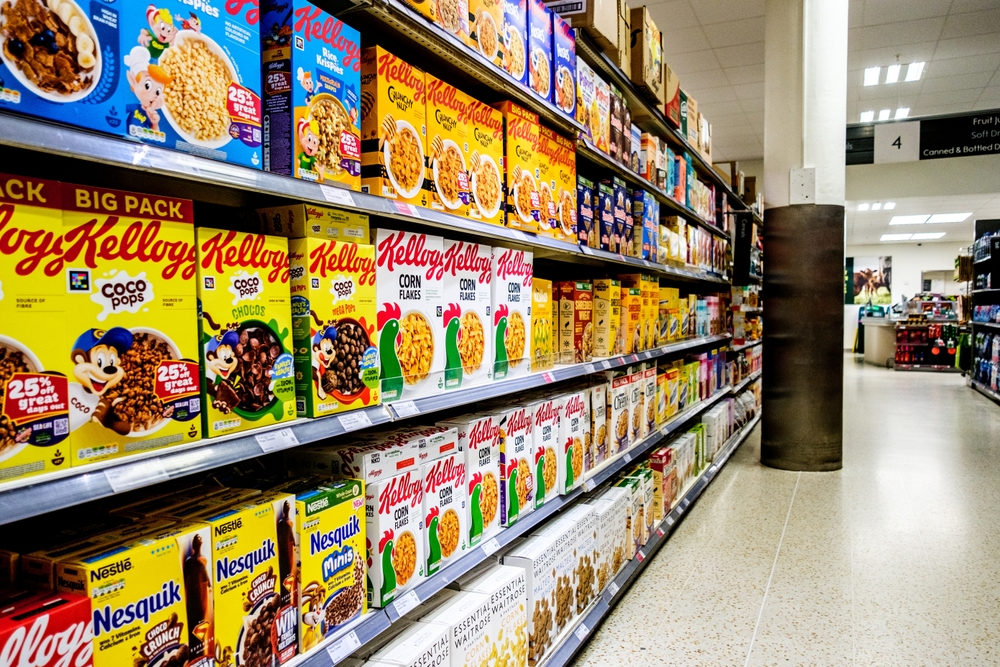
9. Sugary Breakfast Cereals as Snacks

Many parents offer breakfast cereal as a snack because it’s quick and portable. But sugary cereals marketed to kids often have more sugar than dessert and almost no fiber or protein. Eating cereal dry doesn’t make it any healthier—it just makes it easier to eat more. Over time, these small bowls of cereal contribute to blood sugar spikes and increased cravings. Choose whole grain cereals with low sugar if cereal is on the menu.

What to eat instead: Look for brands that have less sugar. Magic Spoon cereals are a good swap. Cheerios also offers some good fruit and veggie blend cereals that are lower in sugar. 

10. Sweetened Applesauce Cups

While applesauce may sound healthy, many pre-packaged versions are sweetened with extra sugar or high-fructose corn syrup. This turns a simple fruit-based snack into a dessert-level sugar bomb. Even the “natural” versions can be overly processed and stripped of nutrients. Whole apples contain fiber and help regulate blood sugar in a way applesauce doesn’t. When in doubt, stick to fruit in its original form.

What to eat instead: Unsweetened applesauce is always optimal or… even better, the whole apple! 

Don’t Panic, Just Get Pickier About Snacks

No parent gets it perfect every time, and snacks are bound to include convenience items now and then. But by becoming more aware of what your kids are actually eating between meals, you can help them build better lifelong habits. Healthy snacks don’t have to be boring—they just need to be thoughtful. Reading labels, swapping out processed items, and choosing whole foods more often can make a big difference. After all, it’s not just about weight—it’s about energy, focus, and feeling their best every day.

What go-to snack have you cut from your kid’s routine? Or what healthy swap worked better than you expected? Share your snack wins in the comments!

What to Read Next 

  • Eat More, Weigh Less: 15 Foods That Are Perfect for Snacking
  • Food Choking Hazards: What Parents Should Watch Out For
  • 7 Popular Lunch Snacks That Were Quietly Recalled
  • The Truth About “Organic”: 8 Common Kid Snacks With Dangerous Allergens
  • Beyond The Brand: 8 Common Kid Snacks With Dangerous Allergens
Catherine Reed
Catherine Reed

Catherine is a tech-savvy writer who has focused on the personal finance space for more than eight years. She has a Bachelor’s in Information Technology and enjoys showcasing how tech can simplify everyday personal finance tasks like budgeting, spending tracking, and planning for the future. Additionally, she’s explored the ins and outs of the world of side hustles and loves to share what she’s learned along the way. When she’s not working, you can find her relaxing at home in the Pacific Northwest with her two cats or enjoying a cup of coffee at her neighborhood cafe.

Filed Under: Healthy Living & Eating Tagged With: Childhood Obesity, healthy eating, kids nutrition, mindful eating, parenting tips, snack alternatives, unhealthy snacks

7 Baby Items That Are Collecting More Bacteria Than a Toilet Seat

October 4, 2025 | Leave a Comment

7 Baby Items That Are Collecting More Bacteria Than a Toilet Seat
Image source: 123rf.com

Parents work tirelessly to keep their little ones safe, but some of the most common baby gear is far dirtier than it looks. Studies have shown that many everyday baby items that are collecting more bacteria than a toilet seat can harbor germs, allergens, and harmful microbes that spread quickly. The problem isn’t always neglect—it’s that these items are used so often and cleaned less frequently than they should be. Knowing where bacteria build up the most can help parents take simple steps to protect their child’s health.

1. Pacifiers Trap Germs Easily

Pacifiers spend a lot of time on the floor, in diaper bags, and, of course, in a baby’s mouth. Because of their constant contact with saliva, pacifiers become prime breeding grounds for bacteria if not cleaned regularly. Some parents may rinse them off quickly, but that doesn’t kill the bacteria clinging to the small cracks and crevices. Over time, this buildup can expose babies to unnecessary germs. It’s no surprise that pacifiers are one of the baby items that are collecting more bacteria than a toilet seat.

2. Sippy Cups With Hidden Crevices

Sippy cups seem convenient, but their spouts and valves can trap leftover milk and juice. When these liquids sit, they quickly turn into breeding grounds for bacteria and even mold. Many parents don’t realize how difficult it is to fully sanitize every hidden part of a sippy cup. If not disassembled and washed thoroughly, they can expose children to harmful microbes daily. These cups easily rank among baby items that are collecting more bacteria than a toilet seat.

3. Plush Toys That Rarely Get Washed

Stuffed animals and soft toys are a source of comfort, but they’re also magnets for dirt, drool, and bacteria. Babies carry them everywhere, from the living room floor to outdoor play areas. Unfortunately, plush toys don’t always get cleaned as often as clothing or blankets. When not machine-washed regularly, they can harbor dust mites, allergens, and harmful germs. These seemingly innocent toys are baby items that are collecting more bacteria than a toilet seat.

4. Changing Pads With Frequent Contact

Changing pads are used multiple times a day and often come into direct contact with bodily fluids. Even with disposable liners, bacteria can seep into the seams and fabric if not disinfected consistently. Wiping them down quickly may not be enough to kill stubborn germs. Over time, this leads to a buildup of harmful bacteria in the very spot where parents think their babies are safest. That’s why changing pads join the list of baby items that are collecting more bacteria than a toilet seat.

5. High Chair Trays That Catch Everything

High chairs make mealtime easier, but the trays quickly become one of the dirtiest spots in the house. Between spilled food, sticky hands, and sneezes, the surface collects bacteria faster than parents can clean it. If trays aren’t thoroughly scrubbed after every meal, microbes can linger and multiply. Even dishwasher-safe trays need proper sanitization to truly eliminate germs. As a result, high chairs are baby items that are collecting more bacteria than a toilet seat.

6. Stroller Handles That Go Everywhere

Parents take strollers through grocery stores, sidewalks, playgrounds, and crowded public places. Along the way, the handles are touched by countless hands and exposed to environmental germs. Yet, stroller handles rarely get disinfected as often as they should. Babies sometimes chew on straps or touch the handles, spreading those germs further. This makes strollers another one of the baby items that are collecting more bacteria than a toilet seat.

7. Car Seats With Hidden Messes

Car seats are essential for safety, but they’re notoriously hard to clean thoroughly. Crumbs, spills, and sticky hands all contribute to bacteria hiding in the cracks and padding. Since many parents don’t disassemble and sanitize their car seats regularly, these germs can linger for weeks or months. Babies often snack or nap in car seats, increasing exposure to hidden bacteria. This is why car seats are baby items that are collecting more bacteria than a toilet seat.

Protecting Babies With Smarter Cleaning Habits

Parents can’t eliminate germs completely, but being aware of baby items that are collecting more bacteria than a toilet seat helps them take action. Simple habits like disinfecting pacifiers daily, washing plush toys weekly, and scrubbing high chair trays after every use can make a big difference. Strollers and car seats should be wiped down regularly, and sippy cups need full disassembly for thorough cleaning. By staying ahead of bacteria, families can keep their little ones healthier and reduce unnecessary exposure. Being proactive with cleaning isn’t just about tidiness—it’s about safeguarding a child’s well-being.

Which of these baby items surprised you the most? Share your cleaning tips and tricks in the comments below.

What to Read Next…

  • The Hidden Truth: 8 Common Cleaning Products Toxic For Kids
  • 6 Baby Items Hospitals Don’t Provide Anymore—But Parents Think They Do
  • 8 Items Daycares Often Ban Without Explaining Why
  • 6 Baby Products Pulled from Shelves But Still in Homes
  • Shocking Reality: 10 Popular Baby Items With Carcinogens
Catherine Reed
Catherine Reed

Catherine is a tech-savvy writer who has focused on the personal finance space for more than eight years. She has a Bachelor’s in Information Technology and enjoys showcasing how tech can simplify everyday personal finance tasks like budgeting, spending tracking, and planning for the future. Additionally, she’s explored the ins and outs of the world of side hustles and loves to share what she’s learned along the way. When she’s not working, you can find her relaxing at home in the Pacific Northwest with her two cats or enjoying a cup of coffee at her neighborhood cafe.

Filed Under: Healthy Living & Eating Tagged With: baby care, baby gear cleaning, baby hygiene, childcare safety, family health, parenting costs, parenting tips

Next Page »
  • Facebook
  • Pinterest
  • RSS
  • Twitter
Best Parenting Blogs

Most Popular

Baby

10 Baby Names That Were Once Considered “Grandparent Names” but Feel Cool Again

Evan Morgan
Baby

9 Baby Names Inspired by Fall Without Naming Your Child Autumn

Evan Morgan
Baby

9 Baby Names That Sound Expensive Even Though Naming Your Baby Is Still Free

Evan Morgan
Baby names

Teachers Admit: These 6 Baby Names Create Instant Bias in the Classroom

Latrice Perez
6 Baby Names That Sound Cute Now but Cause Problems Later

6 Baby Names That Sound Cute Now but Cause Problems Later

Brandon Marcus

All content on Kids Ain’t Cheap is for entertainment purposes only. By reading this blog, you agree that Kids Ain’t Cheap is not responsible for any actions taken after reading this blog. For the full disclaimer, see our privacy policy.

Please note that Kids Ain’t Cheap has financial relationships with some of the merchants mentioned here. Kids Ain’t Cheap is funded by banner advertising, commission sales and search optimization consulting.

Copyright © 2006–2026 | District Media | All Rights Reserved | Privacy Policy

Copyright © 2026 Runway Pro Theme by Viva la Violette