• Home
  • About Us
  • Toolkit
  • Archives
  • Advertise
  • Privacy Policy

Kids Ain't Cheap

But They Sure Are Worth It

  • Parenting
    • Baby Stuff
    • Books and Reading
      • Aesops Fables
      • Comic Books
    • Education
    • Family Time
    • Green Living
    • Growing Up
    • Healthy Living & Eating
    • Holidays
    • Parenting
    • Random Musings
    • Shopping
    • Stuff to Do
  • Money
  • Product Reviews
    • Books and Magazines
    • Discount Sites
    • Furniture
    • House Keeping
    • Reviews News
    • Toys and Games
  • Contact Us
  • Our Editorial Commitment
  • Search

Back-to-School Peer Pressure Isn’t Just Affecting Kids—It’s Costing Parents Money

September 12, 2026 | Leave a Comment

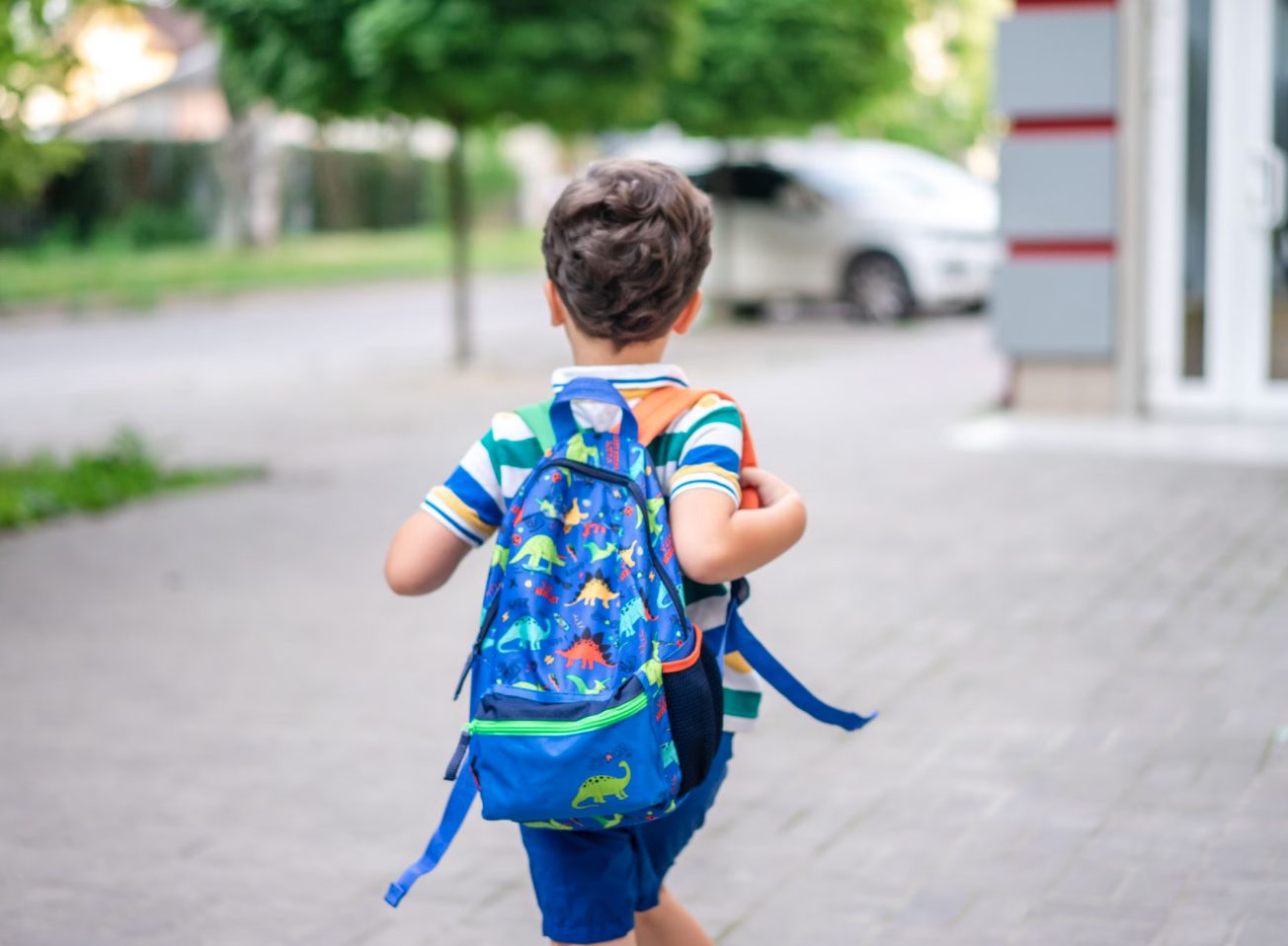
Boy Going To School
</strong> Back-to-school peer pressure can turn ordinary supplies, clothing and shoes into costly brand-driven purchases. Setting a firm family budget before shopping can help parents control spending while still giving kids some choice. (Pexels).

The $30 backpack works perfectly well, but your child wants the $80 one because “everyone has it.” The basic sneakers fit, but suddenly a particular brand feels essential before the first day of school. Then come the trendy water bottle, name-brand hoodie and accessories showing up repeatedly on social media. Parents may remember what it felt like to desperately want something because other kids had it. The difference is that they’re now standing on the expensive side of that conversation.

Back-to-school peer pressure isn’t only affecting children. New 2026 surveys suggest parents themselves feel pressure to keep up, while children’s preferences can substantially influence what ultimately lands in the shopping cart. That matters when families are already spending hundreds of dollars per child to prepare for another school year—and some parents say they’re willing to take on debt to help their children fit in.

Kids Have Considerable Influence Over What Parents Buy

Children aren’t simply receiving whatever Mom or Dad chooses anymore. PwC’s 2026 back-to-school survey found that 61% of parents plan to let their children add items directly to online shopping carts. Deloitte found an even broader influence: 59% of surveyed parents said their children often entice them to spend more on back-to-school purchases. And many kids aren’t asking vaguely for “new shoes.”

Deloitte found 45% of parents said their child has a specific must-have back-to-school item, while 57% said their child influences them to splurge on that item. A child asking for one $40 upgrade may not wreck the budget. But upgrading the backpack, shoes, clothes, lunch gear and electronics because specific versions feel socially important can turn an ordinary shopping list into hundreds of dollars of additional spending.

Some Parents Would Actually Go Into Debt to Help Kids Fit In

The strongest evidence that peer pressure has financial consequences comes from NerdWallet’s 2026 back-to-school survey. It found that 43% of parents would be willing to go into debt for back-to-school items that help their child fit in. Another 45% said they would consider debt to pay for extracurricular activities their child wants.

At the same time, 19% of back-to-school shoppers expect to incur credit-card debt from their school shopping this year. That creates a difficult emotional calculation for parents. Saying no to an $80 pair of sneakers because the family can’t comfortably afford them is financially straightforward, but it can feel considerably harder when a child says they’re worried about being teased or excluded because everyone else wears that brand.

Parents don’t have to dismiss those concerns to recognize that credit-card interest can turn an already expensive item into an even more expensive one.

Parents Feel Their Own Version of Peer Pressure

Children aren’t the only ones comparing themselves with people around them. NerdWallet found that 21% of 2026 back-to-school shoppers feel pressure to keep up with what other parents are spending.

It’s easy to see how that happens. One family posts first-day pictures featuring new outfits and premium backpacks; another mentions buying a new laptop; someone else signs their child up for an expensive activity. Suddenly, what your own family planned to spend can start feeling inadequate.

But another parent’s shopping cart tells you almost nothing about that household’s finances. You don’t know whether those purchases came from surplus income, months of saving, a grandparent’s gift, a credit card that won’t be paid off this month, or money pulled away from another priority. Comparing purchases without knowing the financial circumstances behind them can encourage a family to imitate spending it can’t comfortably afford.

Social Media Can Turn a Want Into a “Need”

Today’s back-to-school trends don’t begin and end in the school hallway. Children can encounter the same shoes, clothing, beauty products, backpacks and accessories through influencers, short-form videos, group chats and targeted advertising long before classes begin. Repeated exposure can make an optional product start to feel like something everyone owns.

That’s why one useful question isn’t simply, “Why do you want this?” Ask, “Where did you hear about it?”

If the answer is TikTok, YouTube, an influencer or a friend, talk about what specifically makes that version better. Is it more durable? More comfortable? Does it have a useful feature? Or is most of the appeal coming from the logo and the people seen using it?

The goal isn’t to ridicule trends. It’s to help children distinguish genuine product value from the social value they’re assigning to a brand.

Decide Where You’re Willing to Splurge Before You Shop

Not every trendy purchase needs an automatic no. In fact, deliberately choosing one splurge can be much easier on a budget than making a dozen smaller exceptions while shopping.

Suppose you’ve budgeted $500 for one child’s back-to-school purchases. You might decide beforehand that $100 is available for discretionary upgrades while the remaining $400 covers actual necessities. If your child chooses $90 branded sneakers when a $50 alternative is available, count the extra $40 against that discretionary amount. They now have $60 left for other upgrades.

That turns “No, because I said so” into a visible financial trade-off: you can have this, but choosing it means giving up something else.

Only 36% of back-to-school shoppers told NerdWallet they planned to set a firm budget this year, making that kind of advance planning especially worthwhile.

The Bigger Back-to-School Budget Is Already Under Pressure

Parents are making these decisions during an expensive shopping season. Deloitte’s 2026 Back-to-School Survey estimates K-12 parents will spend an average of $557 per student, with total spending reaching approximately $30.4 billion. PwC’s differently structured survey puts expected household spending at $922, illustrating why figures from different studies shouldn’t be treated as directly comparable.

More revealing than either headline number is what families say they’re doing with their budgets.

Deloitte found parents plan to spend 22% more on clothing and accessories while cutting technology spending 16%. Half of surveyed parents also said they plan to cut spending elsewhere—including categories such as dining out and entertainment—to make room for back-to-school expenses. That means a back-to-school splurge doesn’t necessarily exist in isolation. For some households, spending an extra $100 on trendy clothes may mean $100 less available somewhere else.

Try the “Upgrade Difference” Rule

One practical way to handle expensive brand requests is to separate what the family needs to provide from what the child wants to upgrade.

Imagine your child needs sneakers and you’re comfortable spending $60 for a good-quality pair. They want a particular $110 pair instead. The family could pay the planned $60 while the remaining $50 comes from the child’s allowance, savings, birthday money or discretionary back-to-school budget. The same approach can work with backpacks, headphones, jackets and other items where a perfectly functional version costs substantially less than the requested brand.

It doesn’t work for every household or every age, but it teaches an important principle: wanting the premium version doesn’t necessarily mean someone else has to absorb the premium price.

Don’t Let “Fitting In” Become a Recurring Credit-Card Bill

There are situations where spending a little more may genuinely matter to a child.

A parent might reasonably decide that one particular pair of shoes or first-day outfit will give a nervous middle-schooler some extra confidence. Household budgeting doesn’t require automatically choosing the cheapest possible option every time. The financial problem begins when fear of a child being left out repeatedly overrides what the household can afford.

Kids’ preferences are already powerful: Deloitte found that nearly six in 10 parents say their children often entice them to spend more. Meanwhile, 57% of surveyed parents expect economic conditions to worsen over the next six months, and 24% are concerned about making upcoming payments.

A useful boundary might therefore be: we can splurge on something important to you, but we’re not borrowing money to imitate somebody else’s shopping cart.

Your Family’s Budget Doesn’t Have to Match Anyone Else’s

Back-to-school peer pressure is real, and telling a child “brands don’t matter” may not make their social concerns disappear. Parents can acknowledge that fitting in matters to children while still explaining that every household has financial limits. Decide what you can comfortably spend, identify where you’re willing to splurge, and make trade-offs visible when a child wants an upgrade. Most importantly, don’t use another family’s purchases as evidence of what your own family should be able to afford. The backpack eventually wears out, the trendy water bottle gets replaced, and today’s must-have sneakers eventually become too small. Debt taken on to purchase them can last considerably longer.

What’s the back-to-school item you’ve felt the most pressure to buy so your child could fit in—and did you ultimately buy it? Share your experience in the comments.

What to Read Next

Some Parents Are Spending Nearly $1,000 Getting One Child Back to School

Why “Back to School” Shopping Feels Like a Mortgage Payment Now

5 Smart Ways to Save on Back to School Supplies

Evan Morgan

Evan Morgan has been a full-time freelance writer and editor for 10+ years. When not working, he enjoys catching the latest true crime documentary or getting lost in a good book.


Filed Under: Parenting Tagged With: Back To School Shopping, back-to-school peer pressure, budgeting, family finances, kids and money, Parenting, personal finance, Saving Money, school expenses, Social Media

8 Things Parents Can Buy Once Instead of Replacing Every School Year

September 11, 2026 | Leave a Comment

Lunchboxes
Choosing durable backpacks, lunch boxes, water bottles, and other reusable school gear can reduce repeat purchases. A smarter upfront buy may last through several school years. (Pexels).

Back-to-school shopping can feel like an annual subscription parents never signed up for. Folders split, lunch boxes disappear, and backpacks look exhausted by spring. But some durable school supplies can survive several grades when families choose sturdy materials and practical designs. Spending more upfront can reduce repeat purchases, waste, and the August scramble.

1. A Well-Made Backpack

A sturdy backpack is one of the easiest durable school supplies to justify because it gets used almost daily. Look for reinforced seams, strong zippers, a padded back, and two wide, adjustable straps instead of a short-lived character trend. Consumer Reports recommends a pack that is sturdy but lightweight and no wider than the child’s body. A simple design may age better as a child’s tastes change. Before buying, check locker rules and make sure the loaded bag remains comfortable.

2. A Stainless-Steel Water Bottle

A quality stainless-steel bottle can last for years if it is washed regularly and replacement lids are available. Insulated models resist everyday bumps while keeping drinks cold for hours. Choose a size your child can comfortably carry, because an oversized bottle adds unnecessary backpack weight. A wide mouth simplifies cleaning, while a simple lid means fewer tiny parts to lose. Label it clearly, since the biggest threat to a long-lasting bottle may be the lost-and-found bin.

3. A Durable Lunch Box

Cheap lunch bags often fail at the zipper, lining, or seams, making a durable lunch box a smarter purchase. Good Housekeeping’s testing considers durability, cleaning, seal quality, weight, and temperature performance. For perishables, insulation matters too; one tested freezable bag kept contents below 40°F for 5.5 hours. Stainless-steel containers can last well, although they are heavier and may not suit younger children. Pick a style your child can open independently and clean it promptly.

4. A Reusable Bento Container

Reusable bento containers replace the yearly parade of sandwich bags and flimsy disposable tubs. Models with removable dividers can adapt as appetites change, making them practical durable school supplies. Stainless steel offers toughness, while quality plastic may be lighter for younger students. Before buying, check whether seals, latches, and replacement parts are sold separately. A $30 container lasting several school years can make more sense than repeatedly buying disposable packaging.

5. A Basic Scientific Calculator

Once math classes require a calculator, parents can often buy one dependable model instead of replacing bargain versions. Check the school or teacher’s approved list first, because permitted functions vary by course and exam. Choose a recognizable model with a protective case and readily available batteries. Write the student’s name inside the case rather than permanently decorating the calculator. If a younger sibling can eventually inherit it, the cost per school year falls further.

6. A Sturdy Pencil Case

A washable zippered pencil case can outlast plastic school boxes that crack when dropped or overstuffed. Look for durable fabric, a substantial zipper, and enough space for supplies your child actually carries. Avoid oversized cases that invite children to haul unnecessary markers, scissors, and pens. A neutral pattern can remain appealing longer than a design tied to one character or trend. Among durable school supplies, this small purchase can quietly eliminate an annual replacement.

7. A Reliable Pair Of Headphones

Many schools use laptops or tablets for lessons, testing, and videos, so dependable headphones can become a multi-year tool. Over-ear models with a sturdy headband and replaceable cable, when available, may be easier to maintain than ultra-cheap pairs. For younger children, fit and comfortable volume levels matter more than flashy features. Confirm whether the school device uses a 3.5mm jack, USB-C, or another connection before buying. Store headphones in a protective pouch so cords and hinges are not crushed under books.

8. A Quality Geometry And Measuring Set

Rulers, protractors, compasses, and triangles do not become obsolete when the school calendar changes. A compact set made from sturdy materials can last through multiple math courses if every piece returns to its case. Choose easy-to-read markings and a compass that locks firmly rather than slipping during use. This is another place where buying durable school supplies once can beat replacing broken bargain pieces every September. Check the teacher’s list first, however, because some classes specify particular tools or measurement units.

Make The School List Work Harder

Buying for longevity does not mean purchasing the most expensive version of everything. It means identifying high-use items, choosing durable school supplies with replaceable parts, and skipping features children will quickly outgrow. Inspect last year’s gear before shopping, because a wash, new lid, or replacement zipper pull may be all an item needs. Over several grades, those decisions can reduce household spending and clutter.

Which school item does your family keep replacing, and what would convince you to buy a longer-lasting version instead? Share your experience in the comments.

What to Read Next

Why “Back to School” Shopping Feels Like a Mortgage Payment Now

Sensory-Friendly School Supplies: What Helps and What Can Be Skipped

Teachers Beg Parents: Stop Buying These 7 Expensive School Supplies

Evan Morgan

Evan Morgan has been a full-time freelance writer and editor for 10+ years. When not working, he enjoys catching the latest true crime documentary or getting lost in a good book.

Filed Under: Parenting Tagged With: Back To School Shopping, durable school supplies, Family Budget, Kids, Parenting, Saving Money, school shopping, school supplies

Your Child May Not Need Everything Teachers Ask for on Day One

September 10, 2026 | Leave a Comment

Students
Before filling the shopping cart, parents can check which school supplies their child already owns and ask teachers which items are truly needed on day one. Buying essentials first and filling gaps later can help reduce unnecessary back-to-school spending. (Pexels).

The school supply list says three boxes of tissues, four dry-erase markers, two specialty folders, headphones, disinfecting wipes and a particular brand of colored pencils. Does your child really need every one of those items sitting in their backpack on the first morning?

Not necessarily.

In fact, nearly half of back-to-school shoppers are already taking a more gradual approach in 2026. The National Retail Federation found that 47% plan to buy only what’s essential for the beginning of the school year and replenish supplies as needed. That strategy makes sense when families with children in elementary through high school expect to spend an average of $863.86 on back-to-school purchases this year. Before treating the teacher’s list like a one-trip shopping mandate, figure out what your child actually needs now, what you already own and what can safely wait.

Start With a 15-Minute Supply Hunt at Home

The cheapest school supply is usually the one you’ve already paid for.

Before shopping, empty last year’s backpack and check desks, junk drawers, closets and craft supplies for scissors, rulers, pencil boxes, folders, unopened notebook paper, glue sticks, and other reusable items. A half-used package of pencils doesn’t become worthless because a new school year begins, and sturdy supplies such as scissors and rulers can often last for several grades.

Then compare what you find with the new list and cross items off before opening a retailer’s website. This matters because the National Retail Federation estimates K-12 families will spend an average of $146.45 specifically on school supplies in 2026. Saving $20 or $30 by reusing what you own may not sound dramatic, but that’s money available for the expenses that inevitably appear after school begins.

Ask Which Supplies Are Actually Needed Right Away

A supply appearing on a teacher’s list doesn’t always mean your child will use it during the first week. Consumer Reports specifically recommends asking teachers which items students need immediately and purchasing the rest later. That can be particularly useful when a list includes specialty notebooks, binders, art materials, backup supplies, or items intended for later units.

A quick email can settle the question: “We’re getting supplies together. Which items are essential for the first week, and is anything on the list okay to purchase later?” This isn’t about challenging a teacher over a $2 notebook. It’s about avoiding a cart full of “just in case” purchases when several of those items might sit untouched for months.

Back-to-School Shopping Is Already an $864 Expense for Many Families

School supplies are only one piece of the back-to-school bill. NRF’s 2026 survey found K-12 households plan to spend an average of $863.86 overall, including $293.11 on electronics, $250.29 on clothing and accessories, $174.01 on shoes, and $146.45 on school supplies. Across the country, NRF expects K-12 back-to-school spending to reach a record $43.3 billion this year.

Deloitte’s 2026 Back-to-School Survey uses different categories and methodology but reaches a similar conclusion about household caution. Parents surveyed expect to spend $557 per child, while 57% say they expect economic conditions to worsen over the next six months. Virtually everyone is looking for ways to stretch those dollars: Deloitte found most shoppers use at least one cost-saving tactic, while 31% use four or more.

Put Every Supply Into One of Four Categories

Instead of looking at the list as one giant shopping assignment, grab a pen and mark every item with one of four labels.

  • DAY ONE: Pencils, notebooks, or other supplies the teacher confirms your child needs immediately.
  • ALREADY OWN: Scissors, rulers, pencil cases, headphones, or other items from previous years that remain usable.
  • BUY LATER: Extra notebooks, replacement pencils, backup markers and supplies that won’t be needed immediately.
  • ASK FIRST: Anything unusually expensive, highly specific, or unclear.

That simple exercise creates an actual purchasing plan instead of allowing a long list to dictate how much you spend in one afternoon.

Waiting Can Give You More Time to Find a Deal

Buying later isn’t only about avoiding unnecessary purchases. It can also give you more time to compare prices. NRF found that among 2026 shoppers who hadn’t yet purchased at least half of their back-to-school items, 46% were waiting for the best deals before finishing their shopping. Another 23% said they were spreading purchases out specifically to manage their budgets.

Retailers don’t stop selling pencils and notebooks when the first bell rings, either. If a teacher says your child won’t need a particular binder until October, there may be little benefit in rushing out to buy it at whatever price you encounter today. Keeping a digital photo of the supply list on your phone also makes it easy to watch for sales while you’re already shopping.

Don’t Use This Strategy for Everything

There is an important line between strategic waiting and sending a child to school unprepared. If a teacher says students need headphones for classroom technology on the first day, that’s not something to postpone simply because you’re hoping for a sale. The same applies to required writing materials, calculators, art supplies, or organizational tools students need to participate in lessons.

Families struggling to afford required supplies should also ask the school what assistance is available rather than quietly sending a child without what they need. Some schools, districts, parent organizations, charities, and community programs provide donated supplies or other back-to-school assistance, and asking early may provide more options than waiting until a child is already missing materials.

Save Part of the Budget for What Comes Next

One reason not to exhaust the school budget before classes begin is that the supply list rarely represents the last expense of the year. Sports registration, club dues, field trips, school pictures, replacement water bottles, project materials, uniforms, and activity equipment can all appear after the initial shopping trip. Even ordinary growth can wreck a carefully planned budget when the shoes purchased in August suddenly don’t fit several months later.

Consider setting aside part of your back-to-school budget as a “school-year reserve” instead of spending every available dollar before day one. For example, a family with a $600 back-to-school budget might intentionally hold $75 or $100 back for later expenses. If nothing unexpected happens, that money remains yours rather than becoming another package of markers sitting unopened in a closet.

Prepared Doesn’t Have to Mean Brand-New

There’s a psychological side to back-to-school shopping that’s easy to overlook: a new school year can make everything feel as though it should be new. But your child’s education isn’t improved because last year’s perfectly functional scissors were replaced with an identical pair.

Start with what the teacher says is genuinely necessary, reuse durable supplies that still work and delay purchases that aren’t immediately needed. That’s essentially what millions of other families are already planning to do, with 47% of NRF respondents saying they’ll purchase the essentials first and replenish supplies later. The goal isn’t to spend as little as humanly possible. It’s to make sure the money you do spend goes toward things your child will actually use.

What’s the strangest or most expensive item you’ve ever seen on a school supply list? Share it in the comments.

What to Read Next

Some Parents Are Spending Nearly $1,000 Getting One Child Back to School

Sensory-Friendly School Supplies: What Helps and What Can Be Skipped

Teachers Beg Parents: Stop Buying These 7 Expensive School Supplies

Evan Morgan

Evan Morgan has been a full-time freelance writer and editor for 10+ years. When not working, he enjoys catching the latest true crime documentary or getting lost in a good book.

Filed Under: Parenting Tagged With: Back to School, Back To School Shopping, education, Family Budget, Parenting, Saving Money, school supplies, school supply list, students, teachers

7 School Purchases That Are Usually Cheaper After Classes Begin

September 9, 2026 | Leave a Comment

Stack Of Notebooks
Waiting until classes begin can help families avoid unnecessary school purchases and take advantage of later-season deals. Clothing, supplies, dorm accessories and some technology may be worth postponing. (Pexels).

Back-to-school shopping can feel like a race to buy everything before the first bell, but rushing may cost families more than necessary. In 2026, families with K-12 students expect to spend an average of $863.86 on school-related purchases, according to the National Retail Federation. Nearly half of shoppers who had not finished buying their supplies in early July said they were waiting for better deals. That makes patience a practical strategy for finding back-to-school savings, especially on items students do not need immediately. If your child can get through the first few weeks with the essentials, these seven purchases may be worth postponing.

1. Fall Clothing And Accessories

Buying an entire fall wardrobe before classes begin can mean paying when seasonal demand is strongest. Consumer Reports has previously recommended holding off on much of the fall apparel shopping because retailers may cut prices in September. Waiting also lets kids see what they actually enjoy wearing once their school routine begins. A practical compromise is buying a few first-week outfits, then filling wardrobe gaps as promotions appear. This approach creates back-to-school savings while reducing the risk of buying clothes that remain untouched in the closet.

2. Backpacks And Lunch Bags

A backpack is essential if your child does not already have a usable one, but replacing a perfectly functional bag before school starts is another matter. Retailers devote considerable shelf space to backpacks and lunch bags during peak shopping season, and leftover seasonal merchandise can become more attractive when stores need that space for fall inventory. Waiting also gives students time to determine whether they need extra compartments, laptop protection or a larger lunch bag. Keep using last year’s gear for several weeks if it remains comfortable and structurally sound. Just don’t delay if worn straps, broken zippers or poor fit make the existing backpack impractical.

3. Extra Notebooks, Binders And Folders

Those giant stacks of notebooks and folders look useful in August, but students may not need nearly as many as parents expect. The NRF reports that 47% of 2026 shoppers plan to buy only essentials initially and replenish supplies throughout the year. That strategy can prevent waste when teachers have specific requirements for binder sizes, notebook types or folder colors. Buy what’s explicitly listed, then watch for clearance prices on extras after the initial rush. Small purchases add up, making basic supplies an easy place to find back-to-school savings.

4. Dorm Room Decorations

College students can easily overspend trying to create a picture-perfect dorm before they have spent a single night there. Waiting a week or two reveals what actually fits, what a roommate already brought and which decorative items are genuinely wanted. That matters because 2026 back-to-college spending is expected to reach a record $103.5 billion, with shoppers budgeting an average of $194 for dorm or apartment furnishings. Consumer Reports also notes that back-to-school sales on dorm essentials can continue through the season rather than disappearing immediately. Start with bedding and necessities, then add rugs, organizers, lamps or decorative storage when you know the room’s real needs.

5. Shoes For The Entire Semester

Children need properly fitting shoes, but buying several pairs before school begins may unnecessarily lock families into August prices and sizes. Growing children can change sizes surprisingly quickly, while teenagers may reconsider which styles they want after seeing what works with their school routine. Instead of purchasing athletic shoes, casual shoes and backups simultaneously, consider buying the essential pair first. In 2026, K-12 families expect to spend an average of $174.01 on shoes, so avoiding even one unnecessary pair can protect the household budget. Spreading purchases across the semester also creates more opportunities for back-to-school savings.

6. Printers And Nonessential Tech

Electronics consume a major share of school budgets, but not every device must be purchased before classes begin. The NRF says K-12 shoppers expect to spend an average of $293.11 on electronics in 2026, while some schools provide devices directly to students. Waiting can reveal whether a student truly needs a home printer, tablet, headphones or another accessory. Consumer Reports says technology discounts can fluctuate throughout the back-to-school period, and later seasonal sales can provide additional opportunities. Before spending hundreds of dollars, check the school’s technology requirements and confirm what equipment is already provided.

7. Backup Supplies For Later In The Year

Families often buy extra pencils, markers, paper and classroom supplies because they assume everything will eventually be needed. Stocking up makes sense when the price is exceptionally low, but otherwise those extras can tie up money and create clutter. Once classes begin, parents have a clearer picture of which supplies their children use quickly and which barely leave the backpack. Keep a short replenishment list and compare unit prices instead of assuming a large multipack automatically offers the best value. This targeted approach can produce back-to-school savings without sacrificing anything a student genuinely needs.

Patience Can Be Part Of Your School Shopping Strategy

The goal isn’t to postpone every purchase, because students should start school with the essentials their teachers require. Instead, separate immediate needs from items that can comfortably wait several weeks. Current shopping behavior supports that strategy: NRF found that shoppers had completed only 44% of their lists on average by early August 2026, showing that plenty of families were still purchasing as classes approached. Delaying selected purchases can help families compare prices, understand actual classroom needs and avoid paying for things children never use.

Which school purchase have you learned to wait on, and where have you found your best bargains? Share your experience in the comments.

What to Read Next

8 School Expenses That Can Hit Families After the First Day

7 Back-to-School Expenses Parents Forget to Budget for Until September

Youth Sports Cost Families $1,016 a Year on Average — 8 Expenses New Parents Don’t Expect

Evan Morgan

Evan Morgan has been a full-time freelance writer and editor for 10+ years. When not working, he enjoys catching the latest true crime documentary or getting lost in a good book.
Filed Under: Personal Finance Tagged With: Back To School Shopping, back-to-school savings, Family Budget, Money Saving Tips, Parenting, school shopping, school supplies, student expenses

Some Parents Are Spending Nearly $1,000 Getting One Child Back to School

September 8, 2026 | Leave a Comment

One Thousand Dollars
From new clothes and shoes to backpacks, supplies, and electronics, getting one child ready for school can quickly become a major household expense. Some one-child families may see their total back-to-school bill approach $1,000. (Pexels).

Back-to-school shopping used to mean pencils, notebooks, a backpack, and maybe a new pair of sneakers. In 2026, however, a complete shopping trip can easily include clothing, electronics, sports equipment, lunch gear, and other expenses that push the bill toward four figures. PwC reports that U.S. families expect average back-to-school spending of $922 this year, while families in some regions expect to spend even more. For a household preparing just one child for school, that kind of budget can effectively mean spending nearly $1,000 on one student. It is a reminder that the real cost of returning to school now stretches far beyond the traditional classroom supply list.

Back-To-School Spending Is Approaching Four Figures

PwC’s 2026 consumer poll found that families expect to spend an average of $922 during the back-to-school season, and 47% expect to spend more than last year. That figure is a household average, not a universal per-child cost, so families with multiple students should not assume they will spend $922 on every child. Still, regional figures show how easily a family’s total can cross $1,000: PwC data reported by Axios puts expected spending at $1,076 in the Northeast, $960 in the West, $954 in the Midwest, and $832 in the South. For a one-child household, replacing clothes, shoes, a backpack, headphones, and perhaps a laptop can make a four-figure bill realistic. The size of the final tab depends heavily on what a child already owns and what the school actually requires.

Other Surveys Show Why The Numbers Vary

Not every 2026 survey produces a figure close to $1,000, which is important context for parents worried that they are somehow underspending. Deloitte estimates average back-to-school spending at $557 per K-12 student, while JLL puts planned spending at $489 per child, up 11.7% from its previous survey. KPMG, using another methodology and set of purchasing categories, estimates $252 per child, demonstrating how dramatically survey definitions can change the headline number. Deloitte also found that parents plan to spend 22% more on clothing and accessories but 16% less on technology this year. Taken together, the surveys suggest there is no single “correct” back-to-school budget because families, grade levels, shopping lists, and survey methodologies differ.

Kids Are Having More Influence Over The Cart

One reason back-to-school spending can creep upward is that children increasingly participate in buying decisions. PwC found that 61% of parents plan to allow their children to add products directly to online shopping carts, while nearly one-third say their children ask for name-brand or trend-driven products. A basic backpack may satisfy the school’s requirements, for example, while a child may prefer a fashionable version promoted on social media that costs considerably more. Parents can acknowledge those preferences without treating every requested upgrade as essential. Before shopping, separating the list into “required,” “replace if needed,” and “want” categories can prevent a few impulse purchases from blowing up the budget.

A $1,000 Bill Does Not Have To Be Inevitable

Parents who want to control back-to-school spending should start at home before opening a shopping app or visiting a store. Check last year’s backpack, calculator, headphones, binders, sports gear, and clothing to determine what can realistically survive another semester. Deloitte found that most shoppers are using at least one cost-saving tactic, while 31% qualify as “hyper-value seekers” who use four or more savings strategies. Another practical strategy is to purchase true necessities first and wait on uncertain items until teachers clarify what students will actually use. Saving even $15 across six purchases leaves $90 available for an unexpected fee, replacement pair of shoes, or classroom request later in the semester.

Protect The Household Budget From School-Year Pressure

A high back-to-school spending total becomes a bigger problem when families use debt they cannot comfortably repay. Before agreeing to expensive shoes, upgraded electronics, or multiple new outfits, parents can set a firm dollar limit and explain which purchases must fit inside it. Consider a family with $600 available: spending $400 on essentials first leaves $200 that can be divided among clothing upgrades, preferred brands, or later school expenses. Parents should also remember that extracurricular fees, field trips, yearbooks, uniforms, and replacement supplies may arrive after the first-day shopping is finished. Leaving some money unspent in August or September can therefore be more useful than exhausting the entire school budget before classes begin.

The Most Useful Number Is Your Own

The headline that some families are approaching $1,000 in back-to-school spending may sound alarming, but national averages should be treated as reference points rather than spending targets. A parent who reuses a laptop and backpack could spend hundreds less than someone outfitting a child who has outgrown nearly everything. The smartest budget begins with the school’s actual requirements, the items already at home, and what the household can afford without sacrificing more important bills. With several 2026 surveys showing families carefully balancing prices and priorities, shopping strategically is becoming as important as shopping early.

Has getting one child ready for school ever pushed your family close to $1,000, and which expense surprised you most? Share your experience in the comments.

What to Read Next

8 Ways Kids Can Quietly Blow the Family Budget Once School Starts

8 School Expenses That Can Hit Families After the First Day

September Is Becoming a Second Back-to-School Shopping Season

Evan Morgan

Evan Morgan has been a full-time freelance writer and editor for 10+ years. When not working, he enjoys catching the latest true crime documentary or getting lost in a good book.
Filed Under: Personal Finance Tagged With: Back To School Shopping, back-to-school spending, Family Budget, household expenses, Parenting, Saving Money, school shopping, school supplies

September Is Becoming a Second Back-to-School Shopping Season

September 6, 2026 | Leave a Comment

Back To School
For many families, back-to-school spending does not end when classes begin. September brings another round of purchases as students discover the supplies, clothing and extras they actually need. (Pexels).

Back-to-school shopping used to feel like a July-and-August sprint, but for many families, the spending does not stop when the first bell rings. Once students actually enter classrooms, parents can discover that the original supply list was only a starting point, with teachers requesting additional materials, clothing needs becoming clearer and extracurricular expenses arriving. That is helping turn September back-to-school shopping into what feels like a second purchasing season. In 2026, families are also being more deliberate about when they buy because household budgets remain under pressure. Instead of purchasing everything before school begins, many parents are waiting to see what their children genuinely need.

Families Are Buying Closer To The First Day

The timing of back-to-school purchases has shifted noticeably in 2026. Deloitte found that only 48% of planned K-12 back-to-school spending was expected to occur by the end of July, down from 61% in 2025, while another 31% was expected in early August. The National Retail Federation also reported that 47% of shoppers planned to buy only essentials for the start of school and replenish supplies as necessary during the year. That behavior creates a natural opening for September back-to-school shopping once families know which notebooks, clothes, electronics or classroom items are truly necessary. For budget-conscious parents, postponing uncertain purchases can prevent money from being wasted on items that never leave the backpack.

The Real School List Often Appears After Classes Begin

A supply list downloaded in July cannot always predict what an individual teacher will request once classes are underway. A middle school student might discover that one teacher requires a specific binder, another wants headphones and an extracurricular activity calls for separate clothing or equipment. Credit Karma’s 2026 research found that 52% of parents spent more than $250 on additional school-related requests or expenses after school had begun during the previous school year. That helps explain why September back-to-school shopping can feel less optional than parents initially expected. Families can prepare by reserving part of their school budget instead of spending every available dollar before the first day.

Higher Prices Are Encouraging More Selective Shopping

Economic pressure is another reason families are stretching purchases over a longer period. Deloitte estimates 2026 K-12 spending at roughly $30.4 billion, or $557 per student among surveyed parents, while inflation-adjusted planned spending fell 6% from the previous year. Its research also found that 71% of parents would switch brands when their preferred option was too expensive and 60% planned to shop at more affordable retailers. NerdWallet similarly found that 62% of back-to-school shoppers planned to seek sales in 2026, compared with 52% in 2025. Waiting until September can therefore be a budgeting strategy rather than evidence that a family simply forgot something.

September Purchases Can Quickly Become A Debt Problem

The danger is treating September back-to-school shopping as a second opportunity to splurge rather than an extension of the original budget. Credit Karma found that 57% of surveyed parents entered the 2026 back-to-school season carrying credit card debt, while 45% planned to take on debt to cover school shopping. Social pressure can make matters worse, particularly when children request trendy clothes, shoes or accessories after seeing what classmates are wearing. Parents can reduce that pressure by separating required purchases from wants and setting a firm dollar amount for September expenses. A $40 classroom requirement deserves different consideration from a $150 pair of sneakers requested mainly because friends have them.

A September Shopping Fund Can Prevent Surprises

One practical approach is to deliberately hold back 10% to 20% of the family’s planned school-shopping budget until classes have been underway for several weeks. A family budgeting $600, for example, could reserve $60 to $120 for unexpected supplies, replacement clothing, club fees or other legitimate needs. Before buying, parents should also check what is already at home, compare prices and ask whether an item is required immediately. KPMG reported that nearly 80% of parents expecting increased back-to-school spending in 2026 attributed it to higher prices for the same essentials and technology rather than simply purchasing more products. A dedicated reserve makes September back-to-school shopping easier to absorb without automatically reaching for a credit card.

The School Shopping Season No Longer Ends In August

For many households, the smarter way to view back-to-school spending is as a process rather than one enormous shopping trip. September back-to-school shopping gives families an opportunity to fill genuine gaps after students have tested their clothes, supplies and technology in real classrooms. Waiting can also help parents distinguish necessities from products that merely looked important during the excitement of preseason shopping. The key is planning for the second wave before it arrives so additional purchases do not undermine groceries, bills, emergency savings or other household priorities.

Has your family found that the real back-to-school shopping begins after classes start, and what unexpected expense surprised you most this year? Share your experience in the comments.

What to Read Next

Why “Back to School” Shopping Feels Like a Mortgage Payment Now

5 Ideas For Back To School Photos

5 Smart Ways to Save on Back to School Supplies

Evan Morgan

Evan Morgan has been a full-time freelance writer and editor for 10+ years. When not working, he enjoys catching the latest true crime documentary or getting lost in a good book.
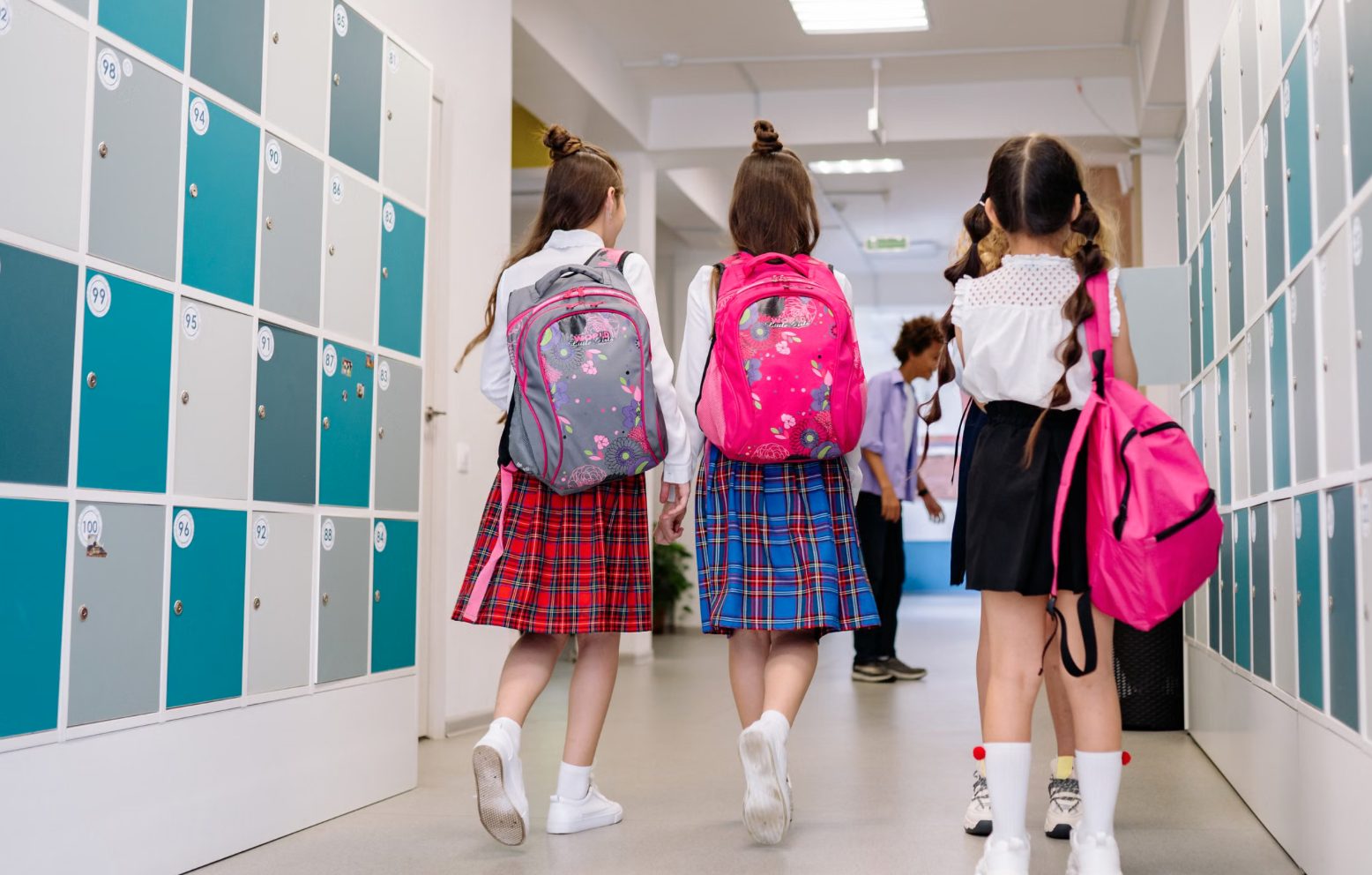
Filed Under: Parenting Tagged With: Back To School Shopping, back-to-school costs, Family Budget, Parenting, personal finance, Saving Money, school expenses, school supplies, September shopping

Your Kid’s Backpack May Say More About Your Budget Than You Think

September 5, 2026 | Leave a Comment

Young Girl Wearing Backpack
A child choosing a backpack can put durability, trends, peer pressure, and the family budget into one purchasing decision. Setting a spending limit before shopping can help parents balance wants with practical needs. (Pexels).

A backpack may look like just another school supply, but the one hanging from your child’s shoulders can reveal plenty about how your family approaches money. From a $25 basic bag to a trendy $100-plus brand-name option, parents are balancing durability, social pressure, personal style, and household finances. That balancing act matters in 2026, when families are still watching everyday expenses while trying to give their children a confident start at school. Your back-to-school budget can quickly get tested when a practical purchase becomes something your child sees as part of their identity. Understanding what is driving the choice can help parents spend more intentionally without making kids feel embarrassed about money.

The Backpack Has Become More Than A School Supply

For many children, backpacks function as accessories as much as tools for carrying books, laptops, and lunch. A 2026 PwC survey found that children’s preferences influence 58% of parents’ back-to-school purchasing decisions, while 61% of parents plan to let their children add products directly to online shopping carts. That means a child asking for a particular backpack may have encountered it through classmates, social media, influencers, or online shopping before mentioning it at home. Parents can consequently find themselves choosing between a functional bag and one carrying a brand name their child believes matters socially. The challenge is recognizing that those feelings can be genuine without allowing them to dictate the entire back-to-school budget.

Families Are Already Spending Hundreds Per Child

Back-to-school shopping represents a meaningful expense even before backpacks enter the conversation. Deloitte’s 2026 survey found that K-12 parents expect to spend an average of $557 per child, with total spending estimated at $30.4 billion. NerdWallet, using a different survey and definition of back-to-school shoppers, found an estimated average spend of $611, illustrating how totals can vary depending on which families and expenses are counted. For a household with three school-age children, even Deloitte’s figure would translate to more than $1,600 if spending followed the survey average. A $90 backpack may therefore seem manageable by itself but feel very different once shoes, clothes, notebooks, activity fees, and other necessities hit the same back-to-school budget.

A Higher Price Does Not Automatically Mean Overspending

Buying an expensive backpack is not necessarily a sign that a family is careless with money. A parent might spend $80 on a sturdy bag expecting it to last three school years rather than buying a $30 replacement every August. Consumer Reports recommends considering construction, comfort, size, wide padded shoulder straps, and useful safety features when selecting a school backpack, rather than judging one solely by appearance. In that situation, paying more upfront could make financial sense if the backpack genuinely holds up to daily use. The important distinction is whether you are paying for useful quality and durability or simply paying a premium because a particular logo is popular this semester.

Social Pressure Can Quietly Stretch The Budget

Parents are not imagining the pressure surrounding trendy school gear. A 2026 K12 survey of more than 1,000 American parents reported that trends are moving quickly and that social media exposure is influencing what children want for school. That can create a difficult moment when your child insists that “everyone has one” while you are trying to keep the back-to-school budget intact. Instead of immediately saying yes or dismissing the request, ask what specifically makes that backpack important and compare it with less expensive alternatives together. Giving children a voice while maintaining a firm spending limit teaches them that preferences matter, but every preference has to coexist with financial reality.

Set A Backpack Budget Before You Shop

One of the easiest ways to avoid an emotional purchase is to decide what you can afford before entering a store or opening a shopping app. For example, tell your child that the family will contribute up to $50 toward a backpack, then let them compare options within that amount. If an older child wants an $85 version, you might discuss whether they can use birthday money or earnings to cover the $35 difference, assuming that approach fits your family’s rules. This turns shopping into a practical lesson about trade-offs instead of a confrontation over what the household can or cannot afford. It also protects your back-to-school budget from the gradual “just one more thing” spending that can make an ordinary shopping trip unexpectedly expensive.

Let The Backpack Start A Bigger Money Conversation

Your child’s backpack does not prove whether your family is wealthy, struggling, frugal, or extravagant, and parents should be cautious about judging other households based on brands alone. What it can do is open a surprisingly useful conversation about needs, wants, quality, peer pressure, and the limits of a back-to-school budget. Parents do not have to disclose every detail of household finances to explain that money spent in one category leaves less available somewhere else. Helping children understand that trade-off may be more valuable than either automatically buying the trendy bag or rejecting it without discussion.

When your child asks for an expensive backpack, do you see an unnecessary splurge, a worthwhile investment, or an opportunity to teach them about money? Share your approach in the comments.

What to Read Next

7 Things Parents Should Stop Buying New Every School Year

Are ;Leash Backpacks for Toddlers a Safety Necessity or Overkill?

Why “Back to School” Shopping Feels Like a Mortgage Payment Now

Evan Morgan

Evan Morgan has been a full-time freelance writer and editor for 10+ years. When not working, he enjoys catching the latest true crime documentary or getting lost in a good book.
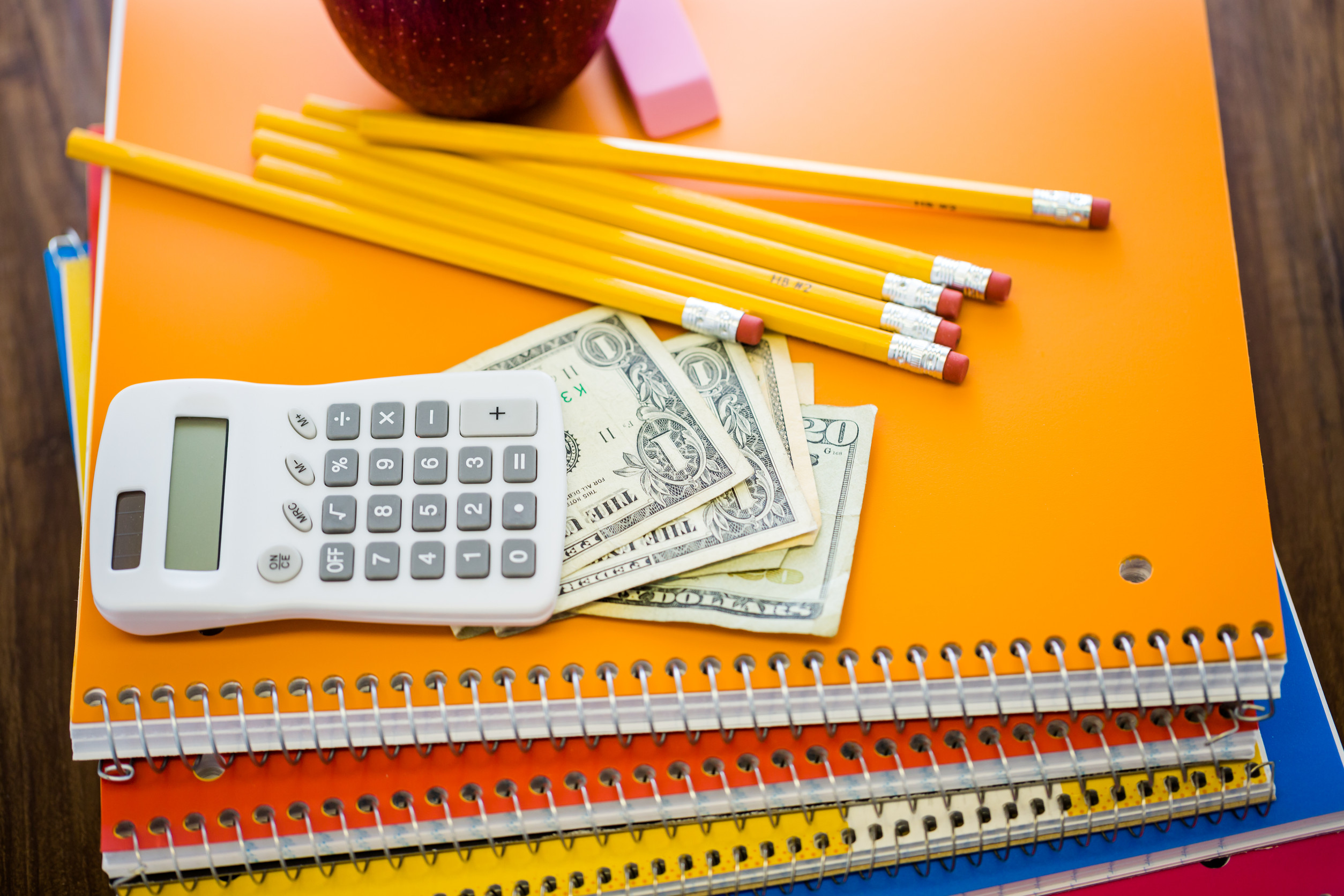
Filed Under: Parenting Tagged With: Back To School Shopping, back-to-school budget, backpacks, budgeting, family finances, kids and money, Parenting, Saving Money, school shopping

7 Things Parents Should Stop Buying New Every School Year

September 3, 2026 | Leave a Comment

Students With Backpacks
Before back-to-school shopping, parents can inspect backpacks, lunch containers, clothing and school supplies they already own. Reusing functional items can help families cut unnecessary expenses. (Pexels).

Back-to-school shopping can make even a careful parent feel like their wallet has sprung a leak. In 2026, families with K-12 students are expected to spend an average of $863.86 on clothing, shoes, school supplies, and electronics, according to the National Retail Federation. But a new school year does not automatically mean everything your child owns needs to be replaced. Before filling your cart, take inventory of what still works and consider making “buy new only when necessary” your new back-to-school rule.

1. Backpacks

A sturdy backpack can often survive several school years, particularly if the zippers, straps, and seams are still in good condition. Before buying a replacement, empty last year’s bag, wash or wipe it according to its care instructions, and inspect the high-stress areas for damage. If your child complains that the backpack looks old, remember that appearance alone does not make it unusable. A backpack that comfortably holds school supplies and fits properly can continue doing its job for another year. Reusing it can also teach children that “new” and “necessary” are not the same thing.

2. Lunch Boxes And Reusable Containers

Parents do not necessarily need to replace lunch boxes and reusable food containers every August simply because a new school year begins. If the lunch bag can be thoroughly cleaned and the containers remain intact, there may be plenty of life left in them. Check for cracked plastic, broken seals, damaged insulation or lingering odors that cleaning cannot remove before deciding. The same principle applies to reusable water bottles, which can be kept when they remain safe, functional, and easy to clean. Reusing these everyday items can reduce both shopping costs and household waste.

3. Binders And Folders

Binders are another classic example of something parents may replace unnecessarily. If a binder still closes securely, holds paper properly, and has functioning rings, it may only need a quick cleaning before returning to school. Folders can also be reused when they are not torn, excessively bent or covered with old information that could cause confusion. Instead of buying a complete new set, let your child identify which supplies are genuinely worn out. This small inventory can turn last year’s leftovers into instant savings.

4. Basic School Supplies

Pens, pencils, rulers, scissors, pencil cases, and other basic supplies do not magically expire when summer vacation begins. The Environmental Protection Agency recommends checking existing school materials before shopping because many supplies can be reused or recycled. A quick household “school supply sweep” might uncover unopened notebooks, several perfectly good pencils, and enough folders to eliminate part of the shopping list. Even small savings matter when you are buying for multiple children, especially as some school supplies have become more expensive. Forbes Advisor recently reported increases in items including notebooks, index cards, notebook paper, and scissors.

5. Clothes That Still Fit

A new grade level does not require an entirely new wardrobe if last year’s clothes still fit and remain wearable. Start by pulling everything from closets and drawers, then separate items into keep, repair, donate, and replace piles. A child who needs three new shirts does not necessarily need ten, particularly when clean, comfortable clothes already exist at home. This approach also creates an opportunity to buy better-quality replacement pieces rather than rushing into a large shopping spree. If children have outgrown clothing, donating usable pieces or passing them to younger siblings can extend their value instead of sending them straight to the trash.

6. Shoes That Aren’t Worn Out

Shoes deserve a little more scrutiny than shirts because worn soles, poor fit, or damaged support can affect comfort and safety. However, if last year’s shoes still fit properly, have adequate tread, and show no significant structural damage, there may be no reason to replace them simply because school is starting. Have your child try them on with the socks they normally wear and check for tightness around the toes and heel. Children can grow quickly, so this is one category where replacing an item because it no longer fits is completely reasonable. The goal is not to avoid spending money at all, but to spend it where the need is real.

7. Electronics That Still Work

A new school year can create pressure to upgrade headphones, tablets, calculators, or computers, but functioning technology does not automatically become obsolete in September. First, check the school’s actual requirements and whether the device your child already owns meets them. If the battery, software, storage, and physical condition remain adequate, an upgrade may simply be an expensive want rather than a school necessity. This matters because electronics are one of the biggest K-12 back-to-school spending categories, with the NRF estimating $293.11 per shopper in 2026. Spending that money only when an actual need exists can leave more room in the family budget for unavoidable expenses.

Make “Use What You Have” The New Back-To-School Habit

The smartest back-to-school shopping strategy may be surprisingly simple: shop your home before shopping the store. NerdWallet’s 2026 survey found that 62% of back-to-school shoppers planned to shop sales, while 21% planned to seek free school supplies and 19% planned to buy at least some clothing secondhand. Reusing what you already own does not mean your child has to miss out; it means distinguishing between something that needs replacing and something that merely feels new. Before buying, make three lists: what you already have, what needs replacing and what can wait until later.

Which school item do you plan to reuse this year, and what money-saving strategy has worked best for your family? Share your thoughts in the comments.

What to Read Next

The $20 School Fundraiser Question: How Many Times Are Parents Expected to Say Yes?

Why “Back to School” Shopping Feels Like a Mortgage Payment Now

5 Ideas For Back To School Photos

Evan Morgan

Evan Morgan has been a full-time freelance writer and editor for 10+ years. When not working, he enjoys catching the latest true crime documentary or getting lost in a good book.

Filed Under: Parenting Tagged With: Back To School Shopping, back-to-school tips, budgeting, family finances, frugal living, Parenting, parenting tips, Saving Money, school supplies

Here’s Why School Supplies Continue to Cost More and More Every Year

May 28, 2025 | Leave a Comment

Heres Why School Supplies Continue to Cost More and More Every Year

Every year, parents brace for the back-to-school season—not just for the new routines, but for the rising cost of everything from pencils to backpacks. What used to be a quick \$20 run to the store has ballooned into a triple-digit shopping spree for many families. The truth is, school supplies continue to cost more every year, and it’s not just inflation. A mix of economic shifts, changing classroom expectations, and marketing trends has turned basic supplies into big business. If you’ve been wondering why your back-to-school bill keeps growing, here’s what’s really driving the increase.

1. Inflation Hits Every Industry—Including Education

One of the most obvious reasons school supplies continue to cost more is general inflation. Just like groceries, gas, and rent, the price of manufacturing and distributing goods is going up. Companies that produce notebooks, markers, and glue sticks are passing those higher costs on to consumers. Shipping delays and rising labor costs only add to the problem. While inflation affects everything, parents feel it sharply during back-to-school season when multiple purchases stack up quickly.

2. Teachers Rely More on Parent-Supplied Materials

School budgets are tighter than ever, and many teachers are forced to ask families to supply more of what classrooms used to provide. From cleaning wipes to paper towels to printer paper, school supply lists have expanded beyond the basics. As schools shift more responsibility onto parents, the demand—and cost—goes up. It’s not uncommon for parents to purchase classroom materials that serve 20 students, not just their own child. The more that’s added to the list, the more school supplies continue to cost more.

3. Trendy and Branded Items Drive Prices Higher

That sparkly pencil pouch with a popular cartoon character? It costs significantly more than the generic version. Retailers know how to market to kids, and children often influence purchasing decisions. While basic supplies haven’t changed much in function, branding and design can double or triple the price. When kids beg for trending items and parents want to avoid a meltdown, budgets can quickly balloon. Even simple items like folders and lunchboxes are often more about style than substance.

4. Supply Chain Disruptions Are Still Rippling Through

Global supply chain issues that started during the pandemic haven’t fully recovered. Shortages of materials like plastic and paper, combined with slowdowns at shipping ports, have driven up prices for everyday goods. School supplies continue to cost more in part because it’s harder and more expensive to produce and transport them. When fewer items are available, prices naturally climb due to higher demand. These disruptions are often invisible to consumers but deeply impact what ends up on shelves.

5. More Tech Means More Expenses

Today’s school supply lists often include earbuds, USB drives, or even tablets, especially in districts that expect students to engage in digital learning. As classrooms become more tech-focused, the financial burden shifts to families to provide those tools. Tech accessories aren’t just more expensive—they often need to be replaced more frequently. As schools integrate more online learning, traditional supply lists grow to include items that stretch the budget even further. This digital shift is a key reason school supplies continue to cost more year after year.

6. Bulk Buying Isn’t Always the Best Deal

Buying in bulk seems like a smart money-saving move, but it can backfire. Some teachers request very specific brands or types of items, meaning that value packs go unused or aren’t acceptable. Additionally, warehouse stores often carry larger quantities than needed, which may cost more upfront even if the per-item price is lower. It’s not uncommon for families to overbuy, leading to waste rather than savings. Even when trying to save, many parents end up spending more than planned.

7. Uniform Policies and Dress Codes Add Up

While not technically “supplies,” clothing expenses tied to school are often included in families’ back-to-school budgeting. Many schools have strict dress codes or uniform requirements, forcing parents to purchase specific styles or brands. These items can be surprisingly pricey, especially if you have to buy multiple outfits, shoes, or accessories. When combined with traditional supplies, these expenses help explain why school supplies continue to cost more each year. It’s a hidden cost that often gets overlooked in average price estimates.

8. More Grade Levels, More Specialized Needs

As kids grow, so do their school supply needs. Older students may require scientific calculators, graph paper, art supplies, or more advanced writing tools. These specialty items often come with higher price tags and aren’t reusable year to year. Parents of multiple children in different grades feel this impact even more. It’s not just the quantity of supplies—it’s the complexity that causes school supplies to continue to cost more as students move through the system.

Why the Back-to-School Budget Feels Heavier Every Year

What once felt like a manageable seasonal task has turned into a full-blown financial event. From inflation to branded trends to shifting school policies, there’s no single reason school supplies continue to cost more—it’s the combined weight of many small changes over time. While some of these factors are out of your hands, being a savvy shopper, avoiding brand traps, and coordinating with teachers can help lighten the load. When families and schools work together, it’s easier to keep costs in check and focus on what really matters: giving kids the tools they need to learn and succeed.

Have you noticed your back-to-school costs rising? What tips have helped you manage the growing expense? Share your thoughts in the comments!

Read More:

12 Reasons Why Your Kids are Behind Academically

10 Surprising Facts About How Much School Uniforms Really Cost

Catherine Reed
Catherine Reed

Catherine is a tech-savvy writer who has focused on the personal finance space for more than eight years. She has a Bachelor’s in Information Technology and enjoys showcasing how tech can simplify everyday personal finance tasks like budgeting, spending tracking, and planning for the future. Additionally, she’s explored the ins and outs of the world of side hustles and loves to share what she’s learned along the way. When she’s not working, you can find her relaxing at home in the Pacific Northwest with her two cats or enjoying a cup of coffee at her neighborhood cafe.

Filed Under: Finances Tagged With: Back To School Shopping, education costs, family finances, parenting expenses, rising prices, school budgeting, school supply costs, student supplies

Saving Money With Back to School Shopping

August 13, 2013 | 4 Comments

back to schoolI can’t believe we’re already nearing the end of the summer. This past week the flyers were delivered and jam-packed full with back to school shopping deals. I feel like we were just talking about Easter! Time goes too fast.

When it comes to grade school, back to school is a time of year when pressure is put on parents. Kids need to go to school and they will require some new items for their pending academic year but it doesn’t have to be as expensive as your children will have you believe. Kids have a funny way of making it seem like they couldn’t possibly succeed without ‘x’ item and guess what? As parents, we will occasionally get duped by our kids. We will inevitably purchase an item we didn’t have to, sometimes because we’re suckers and believe them and sometimes because we just love them. Back to school shopping can be very expensive but there are a few ways to save!


Budget

This isn’t exactly about saving money per se, but if you know your child will be needing new supplies every year, budget for it! Determine how much money will be spent on each child and budget the amount equally over the year so you’re not faced with a huge bill come school shopping time. This should include any supplies, clothes and gadgets they will need. Once you’ve set a budget shopping will be a lot less stressful, especially if you’re able to set ground rules with kids in advance.


Wait for Sales

The normal price for a pack of looseleaf paper at my local Walmart is $1.79/pack, this week it is on sale for $0.15. Needless to say if I was shopping for my child I would be buying enough paper to last the next 10 years at that price.

In many places, there are also tax free days for back to school shopping, which can at least give you a little break on the taxes you pay on your school supplies.


Reuse

When I was in elementary school I needed a new backpack every year. I’d find a flaw in my current one just so mom could buy me a snazzy new one. Eventually she caught on and bought me a good quality backpack with the stipulation that I took care of it and it was to be the last one she ever bought me. Fair enough. That bag ended up lasting me all the way through university, money well spent.

Same thing goes with things like sneakers ad clothes, unless your child is growing a legitimately doesn’t fit in their current size, or their shoes are really falling apart they don’t need a new pair just because it’s the start of a new year. Though I respect wanting a new outfit or two for the new year it doesn’t have to be a full wardrobe overhaul.


Share What Can Be Shared

If you have more than one child to shop for, and there are items that can be shared, capitalize on this. Each child does not need their own computer. Trust me, I know they will have a very elaborate explanation as to why they do, but unless you have a household of five plus children all in school, one computer for the children will suffice.

Back to school is a stressful time for families with the drastic change in routines, shopping for supplies shouldn’t be!

How do you save on back to school shopping for your kids?

Catherine
Catherine

Catherine is a first time momma to a rambunctious toddler. When she isn’t soaking up all that motherhood has to offer, you can find her blogging over at Plunged in Debt where she chronicles her and her husbands journey out of debt. You can also follow her on Twitter.

plungedindebt.com

Filed Under: Shopping Tagged With: Back To School Shopping, children, Saving Money, school

  • Facebook
  • Pinterest
  • RSS
  • Twitter

Basic Principles Of Good Parenting

Here some basic principles for good parenting:

  1. What You Do Matters: Your kids are watching you. So, be purposeful about what you want to accomplish.
  2. You Can’t be Too Loving: Don’t replace love with material possessions, lowered expectations or leniency.
  3. Be Involved Your Kids Life: Arrange your priorities to focus on what your kid’s needs. Be there mentally and physically.
  4. Adapt Your Parenting: Children grow quickly, so keep pace with your child’s development.
  5. Establish and Set Rules: The rules you set for children will establish the rules they set for themselves later.  Avoid harsh discipline and be consistent.
  6. Explain Your Decisions: What is obvious to you may not be evident to your child. They don’t have the experience you do.
  7. Be Respectful To Your Child: How you treat your child is how they will treat others.  Be polite, respectful and make an effort to pay attention.
Best Parenting Blogs

Most Popular

Baby

9 Baby Names That Sound Expensive Even Though Naming Your Baby Is Still Free

Evan Morgan
Baby

The Rise of “Aggressive” Baby Names Is Raising Eyebrows — Here’s What Parents Are Choosing

Evan Morgan
Baby names

Teachers Admit: These 6 Baby Names Create Instant Bias in the Classroom

Latrice Perez
6 Baby Names That Sound Cute Now but Cause Problems Later

6 Baby Names That Sound Cute Now but Cause Problems Later

Brandon Marcus
11 Ways Kids Are Outsmarting Parental Controls 1. Using Alternate Devices One common trick is simply turning to another device. If a child’s main phone or tablet is restricted, they may borrow a sibling’s, friend’s, or even a school laptop. This instantly gives them access to content outside of parental oversight. Parents often focus on one device, forgetting that others in the household can serve as loopholes. Knowing this tactic helps families tighten controls across all electronics. 2. Clearing Browsing Histories Many kids quickly learn that clearing browsing history hides evidence of restricted activity. With just a few clicks, they can erase any trace of websites visited. This makes it harder for parents to notice when rules are being broken. Parents may assume no history means no browsing, but the reality is often the opposite. Kids are outsmarting parental controls by making it seem like nothing happened at all. 3. Using Private Browsing Modes Most browsers offer “incognito” or private browsing features. Kids use this mode to access websites without leaving a record in the history. To parents checking later, everything looks clean and safe. This simple trick is often one of the first ways kids discover how to bypass restrictions. Conversations about private browsing can help close this gap. 4. Guessing or Resetting Passwords Children who are persistent may try to guess passwords to parental control apps or accounts. Others may find ways to reset them through email prompts or security questions. Once inside, they can disable restrictions entirely. Parents may not even realize controls have been altered until much later. Stronger, less predictable passwords can make this more difficult. 5. Using VPNs to Hide Activity Virtual private networks, or VPNs, let kids disguise their online locations. With one downloaded app, they can bypass geographic or parental restrictions. Some children learn about VPNs through friends or even social media. This makes it easy for them to reach content that should be blocked. Parents often underestimate just how simple it is for kids to use these tools. 6. Creating Fake Accounts When parents monitor social media, kids may create hidden accounts. These “finstas” or fake profiles allow them to interact freely without parental oversight. While their main account appears harmless, the secondary one tells a different story. Kids are outsmarting parental controls by playing both sides at once. Checking for duplicate accounts can help parents stay more aware. 7. Exploiting Time Zone Settings Some kids change the time zone on their devices to bypass screen time limits. This trick allows them to gain extra hours of usage undetected. Parents may assume controls are working, but in reality, the child is bending the clock. It’s a clever loophole that highlights just how resourceful kids can be. Monitoring device settings regularly can catch this tactic. 8. Disabling or Uninstalling Apps Parental control apps can be deleted or disabled with surprising ease. Some kids even reinstall them before a parent checks, making it seem like nothing changed. Others may simply restrict permissions to prevent apps from functioning properly. When apps aren’t monitored closely, parents may not notice they’ve been tampered with. This shows the importance of consistent follow-up. 9. Turning to Friends for Access If a child can’t get past restrictions on their own, they may rely on friends. Visiting a friend’s house or borrowing their phone can give them a free pass. Parents often forget that peer environments can override restrictions set at home. This kind of social workaround is especially common with gaming or social media. Open conversations about trust and responsibility are essential. 10. Hiding Apps in Plain Sight Kids sometimes download apps that look innocent but serve as gateways to hidden activity. These apps may disguise themselves as calculators or utilities. In reality, they allow file storage, private messaging, or browser access. Parents glancing at a home screen may overlook them entirely. Learning to recognize these disguised apps can help parents stay informed. 11. Outpacing Parents’ Tech Knowledge Finally, kids often know more about devices than their parents do. Whether through YouTube tutorials, TikTok hacks, or peer groups, they quickly learn advanced workarounds. This knowledge gap means controls can be bypassed before parents even realize the loophole exists. Staying informed and continually learning about new technology is the best defense. Kids are outsmarting parental controls because they adapt faster than most adults. The Real Solution Lies Beyond Restrictions While controls and filters are important, no system is perfect. Kids will always find creative ways around barriers, making communication the strongest safeguard. Setting clear expectations, building trust, and having ongoing conversations about online behavior matter more than apps alone. Parents who combine technology with open dialogue create a safer digital environment. The goal isn’t to win a battle of wits but to build a relationship that keeps kids both safe and honest. Do you think kids are outsmarting parental controls faster than parents can keep up? Share your experiences in the comments below. What to Read Next... 6 Parenting Tech Shortcuts That Can Expose Your Child to Strangers How Much Screen Time Is Too Much—Legally Speaking? Is Your Child’s School Quietly Tracking Their Location Without Your Consent? How Much Screen Time Is Quietly Reshaping Childhood Behavior? Why Some Parents Are Being Investigated Over Homeschooling Records

11 Ways Kids Are Outsmarting Parental Controls

Catherine Reed

All content on Kids Ain’t Cheap is for entertainment purposes only. By reading this blog, you agree that Kids Ain’t Cheap is not responsible for any actions taken after reading this blog. For the full disclaimer, see our privacy policy.

Please note that Kids Ain’t Cheap has financial relationships with some of the merchants mentioned here. Kids Ain’t Cheap is funded by banner advertising, commission sales and search optimization consulting.

Copyright © 2006–2026 | District Media | All Rights Reserved | Privacy Policy

Copyright © 2026 Runway Pro Theme by Viva la Violette