• Home
  • About Us
  • Toolkit
  • Archives
  • Advertise
  • Privacy Policy

Kids Ain't Cheap

But They Sure Are Worth It

  • Parenting
    • Baby Stuff
    • Books and Reading
      • Aesops Fables
      • Comic Books
    • Education
    • Family Time
    • Green Living
    • Growing Up
    • Healthy Living & Eating
    • Holidays
    • Parenting
    • Random Musings
    • Shopping
    • Stuff to Do
  • Money
  • Product Reviews
    • Books and Magazines
    • Discount Sites
    • Furniture
    • House Keeping
    • Reviews News
    • Toys and Games
  • Contact Us
  • Our Editorial Commitment
  • Search

How Utah Families Are Rethinking Summer Screen Time

June 13, 2026 | Leave a Comment

Young Girl On Tablet
A young girl uses a tablet during summer break as many Utah families rethink screen habits and seek a healthier balance between technology, outdoor activities, and family time. (Pexels).

Summer break used to mean kids spending long days outside, but many Utah parents are finding that screens now compete for much of their children’s attention. As smartphones, tablets, gaming systems, and streaming services become increasingly accessible, families across the state are taking a fresh look at how technology fits into summer routines. Rather than banning devices entirely, many parents are focusing on creating healthier habits that balance entertainment, education, and real-world experiences. The conversation around Utah summer screen time has shifted from simply counting hours to encouraging meaningful activities that support children’s physical and emotional well-being.

Families Are Focusing on Balance Instead of Strict Limits

Many Utah parents are moving away from rigid screen-time rules and adopting more flexible strategies that fit their family’s lifestyle. Experts increasingly emphasize that the quality of screen use often matters as much as the total amount of time spent online. The American Academy of Pediatrics encourages families to create personalized media plans that prioritize sleep, physical activity, and family interactions rather than relying solely on fixed hourly limits. Guidance also stresses that screen habits should reflect each child’s age, maturity level, and daily responsibilities. This approach has helped many families reduce conflicts while promoting healthier technology use.

Outdoor Activities Are Making a Comeback

Utah’s abundant outdoor recreation opportunities are giving families practical alternatives to excessive device use. Parents are increasingly encouraging hiking, biking, swimming, and visits to local parks as ways to fill summer days. In communities from Salt Lake City to St. George, organized youth sports and outdoor camps continue to attract strong participation during school breaks. Many families report that when children are actively engaged in outdoor activities, requests for additional screen time naturally decline. These experiences also help children develop social skills, independence, and confidence that screens cannot fully replicate.

Parents Are Creating Technology Agreements

A growing number of households are introducing family technology agreements before summer begins. These plans often establish screen-free zones such as dining tables, bedrooms, and family outings. Some parents require chores, reading, or outdoor play before recreational screen use is allowed each day. Family media plans that clearly outline expectations for both parents and children are becoming increasingly popular. Establishing rules in advance can reduce daily negotiations and help children understand that technology is a privilege rather than a default activity.

Concerns About Mental Health Are Driving Change

Mental health concerns are one of the biggest reasons families are rethinking summer screen time. Parents increasingly worry about social media exposure, disrupted sleep patterns, and the impact of excessive screen use on emotional well-being. Research continues to link heavy digital consumption with challenges related to sleep quality, anxiety, and depression among some young people. Experts note that healthy habits such as exercise, face-to-face interaction, and consistent sleep routines remain essential during summer months. As a result, many Utah parents are prioritizing activities that support overall wellness while still allowing reasonable access to technology.

Educational and Productive Screen Use Still Has Value

Most parents recognize that not all screen time is created equal. Educational apps, virtual learning programs, creative projects, and communication with friends and relatives can provide meaningful benefits. Children’s overall screen time has remained relatively stable, but the ways they use digital media continue to evolve. Many families now distinguish between passive entertainment and productive digital activities when setting summer expectations. This balanced perspective helps children learn responsible technology habits that can serve them well throughout their lives.

The Bigger Lesson Behind Summer Technology Choices

Utah families are discovering that the goal is not to eliminate screens but to use them more intentionally. Successful families are focusing on creating routines that protect sleep, encourage physical activity, and leave room for meaningful family experiences. Personalized media plans, outdoor recreation, and open communication are helping parents navigate technology without constant battles. As summer continues, many households are finding that a balanced approach produces better results than strict bans or unlimited access. The evolving conversation around summer screen time reflects a broader effort to help children thrive in a digital world while still enjoying the simple experiences that make summer memorable.

What changes, if any, has your family made to manage screen time during summer break? Have you found any creative ways to encourage more outdoor play and family interaction? Share your experience in the comments and join the conversation. Your insights may help other parents create healthier technology habits at home. We’d love to hear your perspective.

What to Read Next

Experts Say Summer Screen Time Can Spiral Faster Than Parents Realize

Occupational Therapists Say Screen Overload Is Affecting Younger Kids Faster

Screen Time Isn’t Causing Autism — But It Can Cause Autism-Like Delays

Evan Morgan

Evan Morgan has been a full-time freelance writer and editor for 10+ years. When not working, he enjoys catching the latest true crime documentary or getting lost in a good book.

Filed Under: Parenting Tagged With: child development, digital wellness, family activities, family media plan, healthy habits, kids and technology, parenting advice, parenting tips, screen time management, summer break, Utah families, Utah summer screen time

7 Summer Programs That Fill Up Before Most Parents Even Start Looking

June 5, 2026 | Leave a Comment

Kids At Camp
Popular summer programs such as STEM camps, sports camps, and leadership academies often reach capacity months before summer begins. Parents who register early typically have the widest selection of opportunities. Pexels.

Finding the right summer program for your child can feel like a race against the clock. Many parents assume they have until spring to start researching, only to discover that some of the most popular options have already filled up. From STEM academies to specialty sports camps, demand continues to rise as families look for programs that combine fun, learning, and skill development. Knowing which summer programs tend to sell out first can help parents avoid waitlists and secure opportunities that align with their child’s interests and future goals. For families planning ahead, understanding the landscape of summer programs can make all the difference.

1. STEM and Coding Camps

STEM-focused summer programs are among the fastest to fill because they combine hands-on learning with skills that many parents view as essential for the future. Popular camps now offer robotics, coding, artificial intelligence, engineering, and game design experiences for students as young as elementary school age. Programs such as iD Tech, university-sponsored STEM academies, and local coding camps often have limited class sizes to ensure personalized instruction. Many locations report strong demand as families seek opportunities that build problem-solving and technology skills. Waiting until late spring can leave parents with few options or none at all.

2. University-Based Academic Programs

University summer programs attract students who want to explore subjects ranging from science and engineering to creative writing and business. These summer programs often provide access to college campuses, faculty mentors, and advanced learning experiences that are not available during the school year. For middle and high school students, participation can also help them explore future academic interests. Many universities cap enrollment to maintain quality instruction and hands-on engagement. As a result, parents frequently find that registration opens months before summer begins and fills quickly.

3. Museum and Science Center Camps

Science museums have become major destinations for educational summer programs that blend discovery with entertainment. Programs often include themes such as paleontology, robotics, coding, engineering challenges, and space exploration. Children benefit from access to exhibits, laboratories, and specialized instructors that create memorable learning experiences. These camps are especially attractive because they provide educational enrichment without feeling like school. Early registration is often recommended because many sessions reach capacity well before summer starts.

4. Competitive Sports Camps

Sports-focused summer programs remain a top choice for families with active children. Camps centered on basketball, soccer, baseball, swimming, and other sports often feature professional coaching, skill development, and team-building activities. For young athletes hoping to improve performance before the next season, these programs can offer a significant advantage. Parents frequently underestimate how quickly the most respected sports camps fill, particularly those associated with professional teams or elite trainers. Limited coach-to-player ratios mean available spots can disappear surprisingly fast.

5. Traditional Day Camps

Traditional day camps continue to be among the most sought-after summer programs because they provide a balanced mix of recreation, learning, and social development. Activities often include arts and crafts, sports, swimming, outdoor adventures, and team challenges. Organizations such as the YMCA have expanded offerings to include STEM projects, creative arts, and leadership development opportunities. These camps appeal to working parents because they typically provide full-day schedules and structured supervision. High demand and affordable pricing often contribute to early registration surges.

6. Specialized Arts and Creative Camps

Creative children often thrive in summer programs focused on music, theater, filmmaking, visual arts, dance, or animation. These programs allow students to explore their talents while working alongside peers who share similar interests. Many camps culminate in performances, exhibitions, or portfolio projects that showcase participants’ achievements. Because instructors are often industry professionals or experienced educators, enrollment is usually limited. Parents who wait too long may find that the most reputable arts programs already have lengthy waitlists.

7. Leadership and Career Exploration Programs

Leadership-focused summer programs have grown in popularity as parents seek opportunities that prepare children for future academic and professional success. These camps often include public speaking, teamwork, entrepreneurship, community service, and career exploration activities. Some programs even introduce students to fields such as healthcare, engineering, or business through hands-on projects and mentorship. For older students, these experiences can strengthen confidence while helping them identify long-term interests. Since many leadership camps intentionally maintain small cohorts, spaces often disappear shortly after registration opens.

The Early Planning Advantage Every Parent Should Know

The biggest mistake many families make is assuming all summer programs remain available until a few weeks before school ends. In reality, the most popular options often begin accepting registrations months in advance and can reach capacity long before summer arrives. Parents who create a short list of preferred programs early and monitor registration dates significantly improve their chances of securing a spot. Even if plans change later, having a reservation can provide flexibility and peace of mind.

Which type of summer programs would be the best fit for your child this year, and have you ever missed out on a camp because registration filled too quickly? Share your experience in the comments and join the conversation.

What to Read Next

5 Free Summer Camps In The U.S.: Here’s How You Qualify

5 Summer Camps That You Should NEVER Allow Your Children to Attend

Parents Say Summer Is Financially Brutal for Families With Special Needs Children

Evan Morgan

Evan Morgan has been a full-time freelance writer and editor for 10+ years. When not working, he enjoys catching the latest true crime documentary or getting lost in a good book.

Filed Under: Parenting Tagged With: child development, education, family activities, kids activities, Parenting, parenting tips, sports camps, STEM camps, summer camps, summer learning, summer programs, youth programs

Ways to Make a Simple Hot Chocolate Bar at Home That Would Cost a Fortune Elsewhere

December 16, 2025 | Leave a Comment

Ways to Make a Simple Hot Chocolate Bar at Home That Would Cost a Fortune Elsewhere
Image source: shutterstock.com

When your kids spot a fancy hot cocoa station at a café or winter festival, the prices can add up faster than the marshmallows disappear. The good news is you can recreate the same magic at home with a hot chocolate bar that feels special without wrecking your budget. With a little planning, some creative shortcuts, and smart shopping, you can turn an ordinary afternoon into a cozy memory-making event. Best of all, you control the costs, the ingredients, and the vibe, so your family gets all the fun without the “How did we spend that much?” moment later.

1. Plan Your Budget-Friendly Menu

Before you buy anything, decide what you actually want to serve instead of grabbing every cute item you see. Start with one main drink option, like classic cocoa made from mix or a simple homemade recipe, and build from there. Think about a few toppings you know your kids will actually use instead of a huge spread that goes to waste. Planning ahead lets you price out ingredients and decide where the hot chocolate bar can borrow from what you already have at home. With a clear menu, you’ll avoid impulse buys and keep the whole setup fun and affordable.

2. Shop Your Pantry Before the Store

Many of the “fancy” toppings you see at high-end hot cocoa bars already live in your kitchen. Check your pantry and fridge for sprinkles, mini marshmallows, chocolate chips, cinnamon, or leftover holiday candy that can be chopped and repurposed. Crush up cookies, graham crackers, or candy canes to create topping bowls that look impressive without costing extra. Even simple items like whipped cream and flavored syrups might already be on hand from other recipes. When you start with what you own, the only things you may need to buy are the real gaps in your hot chocolate bar plan.

3. Set Up a Festive Self-Serve Station

You don’t need brand-new décor to make your setup feel special for kids. Use a tray, cutting board, or even a cleared-off section of the counter as your mini drink station. Add a tablecloth, scarf, or piece of wrapping paper as a base to make it look pulled together. Label toppings with small sticky notes or scrap cardstock so kids can easily see what’s what. A small string of lights or a few seasonal decorations you already own can turn the self-serve area into the cozy centerpiece of the afternoon.

4. Add Toppings That Feel Fancy for Less

Cafés often charge premium prices for toppings that are surprisingly simple. Mini marshmallows, a drizzle of chocolate or caramel sauce, and a sprinkle of cinnamon or cocoa powder instantly make cups feel “gourmet.” You can offer just three or four toppings and still have a spread that looks exciting to kids. Buy store brands for sauces and marshmallows to keep costs down while still delivering the fun. When kids see their creations piled high, they’ll never guess your “fancy” toppings cost a fraction of what a shop would charge.

5. Turn Your Hot Chocolate Bar Into an Activity

Instead of just serving drinks, turn the hot chocolate bar into a mini family event. Let kids help arrange the toppings, place the spoons, and decide where each bowl goes so they feel like junior party planners. You can set up a “topping challenge” where each person builds a themed drink, like “Snow Day Sundae” or “Peppermint Dream.” Take quick photos of everyone’s creations before they start sipping to capture the moment without any extra spending. When the whole experience feels like a game, the value comes from laughter and connection more than from what’s in each cup.

6. Savor Big Memories on a Small Budget

A café version of this experience might mean paying per cup, per topping, and possibly per kid, but your home setup will stretch much further. Leftover toppings can be used again for movie nights, baking projects, or next weekend’s treat. Kids remember the feeling of being included, making choices, and showing off their creations far more than they remember where the cocoa came from. You get to enjoy the glow of giving them something special without stressing about the bill. With a little creativity, your simple setup proves you don’t need pricey outings to enjoy rich, cozy family memories.

What fun toppings or tricks would you add to your own hot chocolate bar at home to keep it special and affordable?

What to Read Next…

How to Turn Snowy Park Trips Into Free Family Bonding Moments

7 Things Kids Remember Most About Their Parents (It’s Not What You Think)

Winter Craft Materials You Probably Already Have and Kids Will Love

6 Holiday Family Movie Night Ideas That Will Make Your Winter Extra Cozy

Budget-Friendly Family Road Trips That Are Still Fun When It’s Cold Outside

Catherine Reed
Catherine Reed

Catherine is a tech-savvy writer who has focused on the personal finance space for more than eight years. She has a Bachelor’s in Information Technology and enjoys showcasing how tech can simplify everyday personal finance tasks like budgeting, spending tracking, and planning for the future. Additionally, she’s explored the ins and outs of the world of side hustles and loves to share what she’s learned along the way. When she’s not working, you can find her relaxing at home in the Pacific Northwest with her two cats or enjoying a cup of coffee at her neighborhood cafe.

Filed Under: Family Time Tagged With: budget-friendly treats, family activities, frugal fun, holiday traditions, hot chocolate, kids party ideas, winter ideas

DIY Gifts Kids Can Make That Cost Less Than a Movie Ticket

December 8, 2025 | Leave a Comment

DIY Gifts Kids Can Make That Cost Less Than a Movie Ticket
Image source: shutterstock.com

When you’re trying to stretch your budget, birthday parties, teacher appreciation weeks, and holidays can sneak up fast. Store-bought presents add up quickly, especially if you have more than one child or several events in the same month. The good news is that meaningful, memorable presents don’t need to come from the mall. With a few low-cost supplies and a little time, you can help your child create thoughtful gifts kids can proudly make and give. You’ll save money, teach valuable skills, and show your child that generosity doesn’t have to be expensive.

Why DIY Gifts Are Perfect When Money Is Tight

DIY projects turn gift-giving into an activity instead of just another expense on your to-do list. Instead of swiping your card, you’re spending time together and building your child’s confidence. Most projects use supplies you already have or can grab for just a few dollars at a discount or dollar store. You can choose gifts kids can adapt for any occasion, from holidays to “just because” surprises. Best of all, these gifts feel personal, not generic, which makes them extra special to the people who receive them.

1. Coupon Books Full of Time and Help

Homemade coupon books are an easy hit with grandparents, parents, and siblings. All you need is paper, crayons or markers, and maybe some ribbon or string to hold the pages together. Help your child brainstorm coupon ideas like “one movie night,” “help with the garden,” or “one extra-long hug.” These are gifts kids can create in minutes that turn into experiences instead of more clutter. Encourage your child to decorate each coupon so the book feels playful and one-of-a-kind.

2. Decorated Picture Frames They’ll Be Proud to Give

Inexpensive plain frames can transform into keepsakes with a little creativity. You can often find basic frames at thrift stores or dollar stores for less than a movie ticket. Set out supplies like craft paint, stickers, buttons, or washi tape and let your child design a frame that fits the person they’re giving it to. To keep costs down even more, print a favorite photo at home or through a low-cost photo kiosk. These become gifts kids can personalize in endless ways, and they’ll light up any desk, fridge, or nightstand.

3. Storytime Vouchers and Other Gifts Kids Can Give

If money is extra tight, focus on projects that cost almost nothing but still feel special. Help your child make “storytime vouchers” promising to read a favorite book with a younger sibling, cousin, or neighbor. They can tuck the vouchers into a homemade card or simple envelope decorated with doodles and stickers. You can also create a mini “game night” kit with handwritten instructions for a board game you already own. These thoughtful ideas show that gifts kids can give don’t have to come from a store to feel meaningful.

4. No-Sew Fleece Scarves for Cozy Hugs

No-sew fleece scarves look impressive but are incredibly simple for kids to make. Look for fleece remnants or sale pieces at craft stores; a half yard is often enough for a child-sized scarf and still costs less than a movie ticket. Your child can cut the fleece into a long strip and add fringe to the ends by cutting short slits and gently tugging the pieces. They can personalize the scarf with fabric markers or small iron-on patches if your budget allows. These scarves become cozy, wearable hugs that keep loved ones warm and remind them of your child’s effort.

5. Simple Bath Salts and Sugar Scrubs in Jars

Bath salts and sugar scrubs feel like spa treats but are very budget-friendly to make. For bath salts, you can mix Epsom salt with a small amount of baking soda and a drop or two of essential oil if you already have some on hand. For sugar scrub, combine white sugar with a neutral oil like olive or coconut until it feels like wet sand. Let your child spoon the mixture into clean recycled jars, then decorate them with homemade labels and ribbons. These are relaxing, pampering gifts kids can assemble quickly, and they’re perfect for caregivers, teachers, and older relatives.

6. Snack Baskets Made from Pantry Favorites

Food gifts are always popular, and you can build them using items you already planned to buy. Have your child gather a few budget-friendly favorites like popcorn packets, hot cocoa mix, tea bags, or small bags of pretzels. Arrange them in a reused basket, a decorated shoebox, or even a paper lunch bag dressed up with drawings and stickers. Your child can add a handwritten note like “Movie Night in a Bag” or “Cozy Snack Kit” to finish it off. Snack bundles are practical gifts kids can help assemble while you talk about comparison-shopping and unit prices in the grocery aisle.

Turning DIY Into a Family Giving Tradition

When you lean into homemade presents, you’re not just saving money; you’re building values. Kids learn that thoughtfulness, time, and creativity matter more than how much something costs. They also see that planning ahead lets your family make generous choices, even on a tight budget. Over time, you can create a tradition where your child expects to brainstorm gifts kids can make instead of heading straight for the toy aisle. That mindset will serve them well as future teens and adults who understand both generosity and smart spending.

Which DIY gift ideas has your child loved most, and what low-cost creations would you add to this list? Share your favorites in the comments so other parents can try them too.

What to Read Next…

Homemade Gifts Made Easy: 8 Fun Projects for Kids to Create and Give

These Christmas Countdown Calendars Are So Cute, You’ll Want to Start Counting Down Right Now!

Stock-Up Items to Buy Right After Christmas That Will Last Through Winter

How to Turn Kids’ Post-Holiday Blues Into an Opportunity for Connection

New Year’s Resolutions for Families That Focus on Savings and Togetherness

Catherine Reed
Catherine Reed

Catherine is a tech-savvy writer who has focused on the personal finance space for more than eight years. She has a Bachelor’s in Information Technology and enjoys showcasing how tech can simplify everyday personal finance tasks like budgeting, spending tracking, and planning for the future. Additionally, she’s explored the ins and outs of the world of side hustles and loves to share what she’s learned along the way. When she’s not working, you can find her relaxing at home in the Pacific Northwest with her two cats or enjoying a cup of coffee at her neighborhood cafe.

Filed Under: holidays Tagged With: birthday gifts, budget parenting, DIY gifts, family activities, frugal living, holiday gifts, kid-friendly projects, Kids Crafts, Saving Money

7 “Trustfall” Games That Parents Didn’t Realize Break Bones

November 27, 2025 | Leave a Comment

7 “Trustfall” Games That Parents Didn’t Realize Break Bones
Image source: shutterstock.com

Many families love playful activities that build confidence, teamwork, and connection, but some of these trustfall games are far riskier than they appear. Parents often introduce or allow these games believing they teach trust or boost bravery, not realizing that kids lack the strength, coordination, and judgment to stay safe during the falls, flips, and lifts involved. What starts as a quick moment of fun can turn into an urgent-care visit when a child falls in the wrong direction or a sibling misjudges their ability to catch them. These accidents happen fast, and parents are usually shocked to learn how common serious injuries are from games that seem harmless. Knowing which activities carry hidden hazards can keep playtime fun without putting kids at risk.

1. The Classic Backward Fall Into Someone’s Arms

This familiar activity is often the first thing people imagine when they hear about trustfall games, but it can be surprisingly dangerous for kids. Children frequently lean too far or fall too fast, catching their partners off guard. Most kids also lack the strength to support someone else’s full body weight. Even a slight misalignment can lead to head injuries or broken wrists when the fall goes sideways. Practicing this with young children creates a situation where no one is equipped to prevent injury.

2. Jumping Off Furniture Into Waiting Arms

Many siblings turn this into a dare or a game, assuming someone will catch them every time. These trustfall games become riskier when kids jump from heights they cannot judge accurately. A missed catch or a slip on landing can cause broken ankles, sprains, or even spinal injuries. Young children often feel invincible and jump before anyone is actually ready. Parents often underestimate how fast these moments happen and how hard the impact can be.

3. Letting Kids Lean Forward from a Chair into Someone’s Hands

This version of trust fall games feels gentle at first, but chairs are unstable and kids lean quickly. If the catcher reacts even a second too late, the child can fall face first onto hardwood floors. Nose injuries, chipped teeth, and concussions are common outcomes when this goes wrong. Kids also tend to wiggle or giggle, which throws off their balance. The unpredictability makes this activity unsafe, even with older children.

4. Piggyback Drops That Rely on Kids Catching Themselves

Some families play variations where a child falls off a piggyback ride and expects the other person to catch them. These trustfall games require coordination and timing kids simply do not have. The fall distance is high enough to cause broken collarbones or arm fractures when kids try to brace themselves. Older siblings may think they can slow the fall but often lose balance. These moments lead to hard landings on tile, concrete, or uneven grass.

5. Blanket Tosses That Send Kids Airborne

Parents sometimes reenact the childhood memory of tossing kids lightly in blankets or strong sheets. These trustfall games go wrong when the blanket slips or one person loses their grip. Kids can fly sideways and hit the ground headfirst. Even small height gains create dangerous falls because children cannot control their landing. What feels thrilling to kids creates unnecessary risk for serious injuries.

6. Swinging a Child Between Two Adults

Many families hold a child by the hands and arms and swing them for fun, trusting that both adults will maintain grip. These trustfall games put tremendous strain on the child’s elbows and shoulders. Kids can slip out of hands easily, especially if palms are sweaty or someone stumbles. When children fall during this motion, the landing force is amplified by momentum. This can result in broken bones or nursemaid’s elbow, a painful joint injury common in younger children.

7. Trust Leaps From Playground Structures

Kids sometimes do their own version of trustfall games by jumping from playground equipment and expecting someone below to catch them. Parents usually assume kids know not to jump from high places, but risk taking increases when children feel excited or competitive. Falls from even moderate heights can cause fractures or concussions. The ground beneath playground structures is often uneven, which makes missteps more dangerous. Clear rules and supervision are essential to keep these leaps from turning into emergencies.

Safer Ways to Build Trust and Connection

Parents can still nurture bravery, cooperation, and trust without resorting to risky trustfall games. Activities like guided balancing, cooperative puzzles, low height obstacle courses, and gentle partner stretches create connection without the dangers of falling or lifting. Choosing games that focus on teamwork rather than physical risk lets kids build confidence while staying safe. These alternatives offer the reassurance parents want without the possibility of serious injury. When families choose mindful activities, playtime becomes both fun and safe for everyone involved.

Have you ever seen a trustfall moment go wrong, or found safer ways to build teamwork at home? Share your stories in the comments.

What to Read Next…

7 Sports That Are Increasing Injury Rates in Kids Under 10

Toddler Falls: 5 Home Areas Where Toddlers Get Hurt Most (Are Yours Safe?)

Playground Dangers: 8 Pieces of Playground Equipment That Could Seriously Injure Your Child

10 Reasons Your Child’s Sleep Habits Might Be Hurting Their Brain

7 Reasons Kids Are Getting Hurt in After-School Programs

Catherine Reed
Catherine Reed

Catherine is a tech-savvy writer who has focused on the personal finance space for more than eight years. She has a Bachelor’s in Information Technology and enjoys showcasing how tech can simplify everyday personal finance tasks like budgeting, spending tracking, and planning for the future. Additionally, she’s explored the ins and outs of the world of side hustles and loves to share what she’s learned along the way. When she’s not working, you can find her relaxing at home in the Pacific Northwest with her two cats or enjoying a cup of coffee at her neighborhood cafe.

Filed Under: Safety Tagged With: child safety, family activities, injury prevention, parenting tips, risky play, safe playtime, trustfall games

8 Things Your Child Can Learn From Visiting Art Galleries and Museums

May 25, 2025 | Leave a Comment

8 Things Your Child Can Learn From Visiting Art Galleries and Museums

Parents looking for engaging, low-tech ways to support their child’s development don’t have to look far—museums and galleries offer more than just a quiet afternoon. Visiting art galleries and museums can open a child’s mind to new ways of thinking, seeing, and feeling. Whether it’s a historical exhibit or a collection of abstract paintings, these spaces provide rich opportunities for learning far beyond the classroom. They encourage curiosity, spark creativity, and introduce kids to new cultures, ideas, and emotions. Best of all, they create moments that stick with your child long after the trip is over.

1. Creative Thinking Takes Many Forms

Art galleries, in particular, encourage kids to think outside the box. Whether they’re looking at a sculpture made from recycled materials or a surrealist painting, they learn that creativity has no single formula. Visiting art galleries and museums helps them realize that thinking differently isn’t wrong—it’s powerful. When they see how artists use color, shape, and story to express big ideas, it teaches them that their own ideas are valuable too. Creative thinking spills over into schoolwork, problem-solving, and even playtime.

2. History Feels Real, Not Just Textbook

Museums have a special way of bringing history to life. Instead of reading about the past, kids can walk through replicas of ancient homes, see artifacts from long ago, and visualize historical events in a tangible way. Visiting art galleries and museums gives context to timelines and historical figures, helping kids understand how the world has changed over time. Seeing these items in person adds emotion and detail that textbooks often can’t. History becomes more than facts—it becomes a story they can connect with.

3. Emotional Intelligence Gets a Boost

Looking at art and cultural exhibits allows kids to explore feelings in a safe space. They may feel joy, confusion, sadness, or inspiration—all from one afternoon in a gallery. Helping them reflect on these emotions builds empathy and emotional intelligence. Ask your child how a painting makes them feel or what they think the artist was trying to say. These simple questions can lead to meaningful conversations about emotions and perspectives.

4. Attention to Detail Is Rewarded

Some museum exhibits require close observation, whether it’s reading an artifact’s backstory or spotting tiny brushstrokes in a painting. These quiet moments of focused attention sharpen your child’s ability to notice the small things. Visiting art galleries and museums encourages them to slow down, look closer, and appreciate subtle details. That kind of patience and focus benefits them in schoolwork and everyday life. It also teaches the value of looking deeper before jumping to conclusions.

5. Cultural Awareness Expands Their Worldview

Museums often feature exhibits from around the world, giving kids the chance to learn about cultures far different from their own. From Indigenous art to ancient African pottery to traditional Japanese prints, the range is eye-opening. This kind of exposure helps kids grow into more open-minded, respectful individuals. Visiting art galleries and museums shows them that the world is wide, and that every culture has stories worth telling. These experiences plant the seeds of global citizenship.

6. Inspiration Strikes in Unexpected Ways

Sometimes a single visit can change a child’s entire view of what’s possible. A natural history exhibit might inspire a future scientist, while a budding artist might be captivated by bold contemporary paintings. Visiting art galleries and museums can ignite passions your child didn’t even know they had. Encourage them to sketch something they saw or write about their favorite exhibit. You never know what spark might turn into a lifelong interest.

7. Visual Learning Gets a Major Boost

Not every child learns best through reading or lectures. For visual learners, especially, museums and galleries are goldmines of information. Diagrams, photographs, timelines, and displays all make complex ideas easier to understand. Visiting art galleries and museums helps kids absorb information in a way that sticks. They get to see, touch (in some cases), and experience learning with their whole bodies, not just their brains.

8. Curiosity Becomes a Habit

Museums naturally invite questions: “What is that?” “Why did they do it that way?” “How old is this?” Encouraging kids to ask these questions helps develop critical thinking and a love of learning. If your child walks out of the museum with more questions than they had going in, that’s a success. Visiting art galleries and museums reminds them that knowledge isn’t something to memorize—it’s something to explore. Curiosity leads to deeper learning and a hunger to know more about the world.

When Learning Feels Like an Adventure

Taking your child to museums and galleries isn’t just an educational outing—it’s an invitation to explore the world with wonder. From creativity to culture, from history to emotional insight, there’s so much more happening in these spaces than meets the eye. Visiting art galleries and museums gives kids a chance to grow in quiet but powerful ways. You’re not just filling their weekend—you’re shaping the way they think, feel, and see the world.

Have you taken your child to a museum or gallery that made a lasting impression? Tell us about it in the comments!

Read More:

The Best Money Lessons Kids Learn From Chores

7 Critical Life Skills Most Parents Never Teach Their Children

Catherine Reed
Catherine Reed

Catherine is a tech-savvy writer who has focused on the personal finance space for more than eight years. She has a Bachelor’s in Information Technology and enjoys showcasing how tech can simplify everyday personal finance tasks like budgeting, spending tracking, and planning for the future. Additionally, she’s explored the ins and outs of the world of side hustles and loves to share what she’s learned along the way. When she’s not working, you can find her relaxing at home in the Pacific Northwest with her two cats or enjoying a cup of coffee at her neighborhood cafe.

Filed Under: Education Tagged With: art galleries for kids, child learning, creative learning, cultural awareness, educational outings, family activities, museum visits, parenting tips

How to Make Family Bonding a Priority in Your Busy Schedule

January 8, 2025 | Leave a Comment

How to Make Family Bonding a Priority in Your Busy Schedule
Image Source: Pexels

In the hectic rush of daily life, it can be difficult to find time for family bonding. Because everyone is busy with school, work, and extracurriculars, you have to be intentional about scheduling family activities. Creating shared calendars and reprioritizing your schedules can help you carve out quality time to spend together. Here are six tips to help you foster connection with your kids and make time for family bonding.

6 Ways to Prioritize Family Bonding 

Create a Shared Calendar 

Have one family calendar so you never miss an important event
Image Source: Pexels

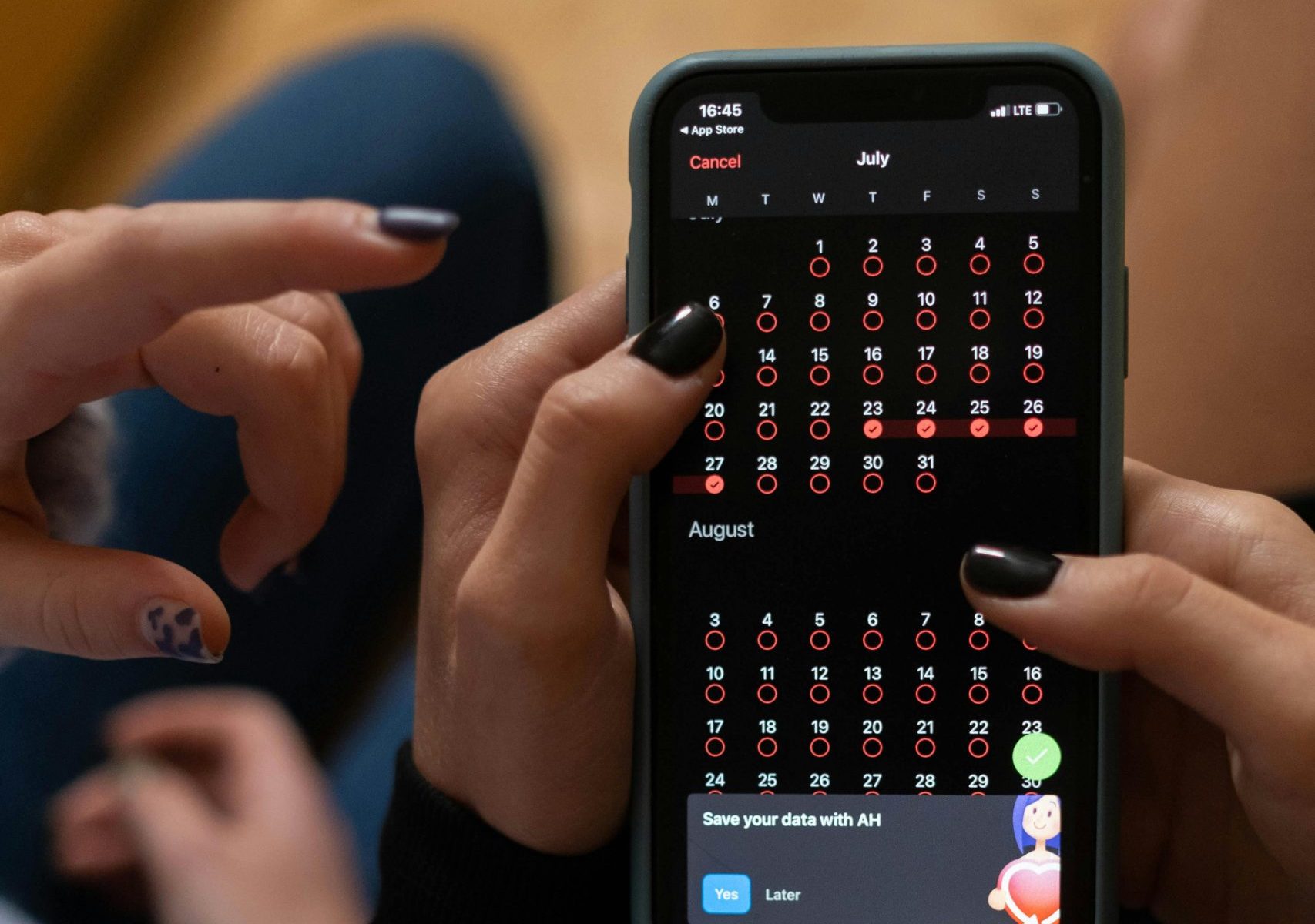
When the whole family is busy with appointments and extracurriculars, it can feel impossible to connect. Creating a shared calendar to keep track of everyone’s schedules can help you carve out free time to spend together. Google has a family calendar that allows both parents and kids to set up and edit events, which makes it easy to coordinate with each other. Once you have an understanding of everyone’s commitments, consider scheduling a weekly family bonding session. Setting up a standing appointment to play board games or grab lunch will help you deepen your relationship with your kids. 

Cherish the Everyday Moments 

Its the little moments that well hold on to forever
Image Source: Pexels

Everyday activities like getting the kids ready for school and cooking dinner can feel rushed and hectic. However, being mindful during these moments and trying to cherish them can help you feel closer to your kids. Even busy mornings and evenings may offer opportunities for family bonding. During long drives to extracurriculars or nightly family dinners, you can ask each child about the high and low moments of their day to connect. 

Getting your kids involved in meal prep and chores in age-appropriate and fun ways can also foster connection. For example, you could create a cleaning playlist to dance to while you all tidy up. Making chores a game by setting a timer and racing to see who can clean up faster can turn mundane household tasks into family bonding time. Cooking is also a great way to bond with your kids, enabling you to pass down treasured family recipes and share your culture. Focusing on being more present in daily life will help you cultivate special moments and family routines that your kids will remember. 

Create Family Traditions

Family traditions can cement your bond and lead to years of joy
Image Source: Pexels

Creating annual or seasonal family traditions will help you mark and celebrate the passage of time together. For example, during the fall you could head to your favorite local pumpkin patch and make a delicious pie afterwards. In the spring, you could observe the equinox and welcome the new season by planting seeds together in the garden. The warm summertime weather provides many opportunities for family bonding. You could take a trip to the beach, go camping, pick strawberries, or even enjoy an annual family picnic. 

Establishing family rituals gives your kids something to look forward to and helps create treasured memories. You can even get your kids involved in choosing which traditions to adopt and repeat.

Leverage Technology

utilize technology to stay connected
Image Source: Pexels

Screen time can sometimes get in the way of family bonding. However, there are ways to leverage technology to improve your relationship with your kids. Playing video games or watching funny viral videos together can help you laugh with and relate to your children. Creating a family group text allows you to check in with each other throughout the day and even share memes or inside jokes. 

You can also use apps to establish shared hobbies. For example, Duolingo and Babbel can help you learn a new language together. Fitness apps like Pokemon Go and Zombies Run can encourage physical activity while fostering family bonding. 

Technology also allows you to bond with relatives who don’t live nearby. Scheduling a regular Zoom call with grandparents, aunts, uncles, and cousins can help your kids feel connected with their extended family. You can also make use of websites that allow you to play board games virtually with loved ones, such as Board Game Arena and PlayingCards.io. 

However, it’s also important to know when to put your devices away. Watching too much TV at night or using phones at the dinner table can stifle conversation and impede connection. Although technology can be leveraged to create family bonding time, kids need face-to-face interactions without screens too. 

Say No More Often

Say no to outside distractions when making time for family
Image Source: Pexels

If there isn’t enough room in everyone’s schedules to slow down and enjoy family bonding, you may need to start saying no to new commitments. Although extracurricular activities teach valuable skills, it’s important for kids to have downtime too. Paring back sports and lessons can prevent your family from feeling overscheduled and disconnected from each other. 

Parents can sometimes stretch themselves too thin as well. To protect family time, you might have to cut back on after-hours work events, PTA meetings, and other nonessential commitments. Although it can be hard to say no, practicing boundaries and making time for rest will set a good example for your kids. 

Communicate Openly 

Prioritize open communication
Image Source: Pexels

Open, loving communication can help you feel connected to your kids even when you can’t be together in person. Sticking an encouraging note in their lunch box or sending them a thoughtful text can go a long way. If you have to travel for business, consider calling or video chatting with your kids at night to maintain bedtime routines. It’s also important to make it clear that your children can talk to you about anything, including struggles they’re facing. Knowing that you support them in good times and bad will help your kids feel closer to you.

How do you promote family bonding even when you’re busy? Share your tips in the comments! 

Vicky Monroe headshot
Vicky Monroe

Vicky Monroe is a freelance personal finance writer who enjoys learning about and discussing the psychology of money. In her free time, she loves to cook and tackle DIY projects.

Filed Under: Parenting Tagged With: family activities, Family bonding, Parenting

Deals and Freebies for Grandparents Day 2024

September 6, 2024 | Leave a Comment

Grandparents Day 2024 is a wonderful opportunity to celebrate and honor the special people who bring wisdom, love, and joy into our lives. This year, many stores and businesses are offering fantastic deals and freebies to make the occasion even more memorable. Whether you’re searching for the perfect gift or looking to plan a special outing, there are plenty of ways to save while treating your grandparents to something special. Discover the best discounts and unique offers available this year to make your celebration truly unforgettable.

Top Discounts to Celebrate Grandparents

Many retailers are providing exclusive discounts to help you celebrate Grandparents Day 2024 in style. From department stores offering markdowns on clothing and accessories to local boutiques with special promotions, there’s something for everyone. Online shops are also joining in with deals on personalized gifts, from photo books to engraved jewelry. Make sure to shop early to take full advantage of these limited-time offers and find the perfect gift at a fraction of the cost.

Amazing Freebies to Grab This Year

For those looking to enjoy Grandparents Day 2024 without spending too much, numerous businesses are giving away fantastic freebies. Some restaurants are offering free meals or desserts to grandparents dining with their families. Entertainment venues like museums and theaters may also have free entry or discounted tickets for seniors. Keep an eye on local listings and social media for surprise offers and giveaways that can make the day even more special.

Unique Gifts at Reduced Prices

Finding a unique gift for your grandparents doesn’t have to be expensive this year. Many stores are providing special deals on thoughtful presents, such as handcrafted items, subscription boxes, and experience gifts. You can find discounted rates on cooking classes, garden tours, or spa days to create lasting memories. Whether your grandparents are tech-savvy or prefer something more traditional, there are plenty of budget-friendly options available.

How to Make the Most of the Offers

To make the most of the deals and freebies for Grandparents Day 2024, it’s important to plan ahead. Start by creating a list of potential gifts or experiences that you think your grandparents would love. Check online and in-store promotions frequently, as some offers may only be available for a limited time. Sign up for newsletters and follow your favorite brands on social media to stay informed about special discounts and freebie alerts.

Celebrate Grandparents Day 2024 with Style and Savings

Grandparents Day 2024 is not just a day to show love and appreciation; it’s also an opportunity to create wonderful memories with your grandparents without breaking the bank. With so many deals and freebies available, you can plan a celebration that’s both meaningful and affordable. From special discounts on gifts to complimentary meals and activities, there are countless ways to make this Grandparents Day unforgettable. Take advantage of these great offers and give your grandparents the celebration they truly deserve.

Latrice Perez

Latrice is a dedicated professional with a rich background in social work, complemented by an Associate Degree in the field. Her journey has been uniquely shaped by the rewarding experience of being a stay-at-home mom to her two children, aged 13 and 5. This role has not only been a testament to her commitment to family but has also provided her with invaluable life lessons and insights.  As a mother, Latrice has embraced the opportunity to educate her children on essential life skills, with a special focus on financial literacy.

Filed Under: holidays Tagged With: celebrations, Deals, Discounts, family activities, freebies, Gift Ideas, Grandparents Day 2024, senior discounts, special offers

12 Cheap Summer Activities for Kids That Will Keep Them Entertained All Season Long!

July 26, 2024 | Leave a Comment

Summer is the perfect time for kids to explore, play, and enjoy outdoor activities. Keeping children entertained doesn’t have to break the bank. Here are 12 cheap summer activities for kids that will keep them busy and happy all season long.

Backyard Camping Adventure

Transform your backyard into a camping site with a tent, sleeping bags, and a campfire setup. Kids can enjoy stargazing, telling stories, and making s’mores. This activity provides an exciting adventure without leaving home, fostering a love for nature and the outdoors.

Water Play Days

Beat the heat with various water activities. Set up a sprinkler, kiddie pool, or slip-and-slide in your yard. Water balloon fights and homemade splash pads are also great ways to keep kids cool and entertained. These activities are inexpensive and provide hours of fun.

DIY Arts and Crafts

Encourage creativity with DIY arts and crafts projects. Use everyday household items like paper, cardboard, and markers to create masterpieces. Activities such as painting rocks, making friendship bracelets, and building cardboard forts are fun and cost-effective ways to spark imagination.

Nature Scavenger Hunts

123rf

Organize a nature scavenger hunt in your local park or backyard. Create a list of items for kids to find, such as leaves, rocks, and flowers. This activity encourages exploration and teaches kids about the environment while providing an engaging outdoor adventure.

Picnic in the Park

Pack a simple picnic and head to your local park. Enjoying a meal outdoors can be a refreshing change of pace. Bring along some outdoor games like frisbee, soccer, or a kite to make the day even more enjoyable.

Storytime and Reading Challenges

Visit your local library for summer reading programs and challenges. Many libraries offer free storytime sessions and incentives for reading books. Encourage your kids to set reading goals and explore new genres, fostering a love for literature and learning.

DIY Obstacle Course

Create a backyard obstacle course using household items like chairs, ropes, and hula hoops. Kids can race against each other, improving their physical fitness and coordination. This activity is not only fun but also helps develop motor skills and teamwork.

Cooking and Baking Together

Get your kids involved in the kitchen by cooking and baking together. Choose simple recipes like cookies, pizzas, or smoothies. This activity teaches valuable life skills, enhances creativity, and provides a delicious reward at the end.

Garden Planting and Care

Start a small garden and involve your kids in planting and caring for it. Choose easy-to-grow plants like herbs, tomatoes, or flowers. Gardening teaches responsibility, patience, and the basics of plant biology, making it both educational and enjoyable.

Bike Rides and Nature Trails

Explore local bike trails and nature paths with your kids. Biking is a great way to exercise and enjoy the outdoors together. Discovering new trails and parks can make each outing an adventure, promoting a healthy lifestyle.

DIY Science Experiments

Conduct simple science experiments at home using household items. Activities like baking soda and vinegar volcanoes, homemade slime, and floating egg experiments can be both fun and educational. These experiments foster curiosity and a love for science.

Movie Nights Under the Stars

Set up an outdoor movie night with a projector and a white sheet. Choose family-friendly movies and create a cozy seating area with blankets and pillows. Add popcorn and snacks for a complete movie theater experience in your backyard.

Keeping Kids Entertained on a Budget

With a little creativity and planning, you can provide endless entertainment for your kids without spending a fortune. These cheap summer activities for kids offer opportunities for learning, creativity, and family bonding. Enjoy a summer filled with fun and memorable moments.

Latrice Perez

Latrice is a dedicated professional with a rich background in social work, complemented by an Associate Degree in the field. Her journey has been uniquely shaped by the rewarding experience of being a stay-at-home mom to her two children, aged 13 and 5. This role has not only been a testament to her commitment to family but has also provided her with invaluable life lessons and insights.  As a mother, Latrice has embraced the opportunity to educate her children on essential life skills, with a special focus on financial literacy.

Filed Under: Money and Finances Tagged With: Budget-Friendly Activities, Cheap Summer Activities for Kids, DIY Crafts, family activities, Outdoor Play, Summer Fun

How to Survive Camping With Young Children

June 1, 2016 | Leave a Comment

Camping with young children isn't always easy but it can still be fun. Here's what you need to know to survive your next camping trip!We love to camp. Four years ago our daughter was born in June and by August we were camping. Some people thought we were crazy but it’s something we genuinely enjoy and wanted to introduce our kids young. Even though we’re avid campers, camping with young children (under the age of five) isn’t exactly easy. There is definitely more planning required than before.

Infants

Camping with an infant is both super easy and super hard. On one hand they’re pretty easy because they’re small and portable, on the other hand they usually need stuff that we don’t normally bring on a camping trip. At two months old it’s not like we could sit her down on the picnic table or camping chair if we needed a second with free hands.

We didn’t want to lug around a whole pack-and-play or baby chair so instead we opted to hold her or place her on the ground on a blanket when needed. When we were walking around, a stroller wasn’t exactly conducive to the rough terrain of a campground so we carried her in a baby carrier and it worked really well.

Though we don’t always set up a screen tent, when camping with an infant it was a necessity. We needed both shade and bug protection. Since little ones can’t have sunscreen or bug spray on them, the screen tent was a huge help as somewhere to sit without needing to worry about much.

Toddlers and Young Children

The required needs of toddlers and young kids goes down a bit, making it a little easier to camp with them but as the list of needs goes down, the list of safety concerns goes up. They’re now very mobile and curious and there can be a number of safety concerns on a campsite if proper precautions aren’t taken. You now have to be much more careful!

For us, camping in a tent, if a little one has to go to the bathroom in the middle of the night, there’s a good chance we’re not going to want to walk to the bathroom which is why bringing a portable potty is ideal. Even for well potty trained children, a portable potty (lined with coffee filters for easy cleanup) makes those potential overnight bathroom runs much easier to handle.

You can never bring too many clothes either since they get super dirty. Extra socks and sweaters for sure. Make sure you bring pants and long sleeves for them to wear in the evening, even if it’s hot, to prevent bug bites. I don’t like putting bug spray on their skin so I usually spray the exterior of a sweater and socks instead.

We got stuck somewhere once with a kid having an allergic reaction and no meds to give her. The bottle we thought we had was forgotten and there were no open pharmacies. Especially with little ones, come prepared with a well-stocked first aid kit which includes child-safe meds.

Kids love camping. It’s quite a little adventure for them. Unlike us adults, they don’t care if they have an air mattress or a comfy place to sleep. They’ll curl up on the ground in their little sleeping bag and be happy with the day’s adventures (best part about camping is all the fresh air- bedtime is always a breeze!).

Have you taken young children camping? Any tips?

Catherine
Catherine

Catherine is a first time momma to a rambunctious toddler. When she isn’t soaking up all that motherhood has to offer, you can find her blogging over at Plunged in Debt where she chronicles her and her husbands journey out of debt. You can also follow her on Twitter.

plungedindebt.com

Filed Under: Family Time Tagged With: camping with young children, family activities, family time

  • Facebook
  • Pinterest
  • RSS
  • Twitter

Basic Principles Of Good Parenting

Here some basic principles for good parenting:

  1. What You Do Matters: Your kids are watching you. So, be purposeful about what you want to accomplish.
  2. You Can’t be Too Loving: Don’t replace love with material possessions, lowered expectations or leniency.
  3. Be Involved Your Kids Life: Arrange your priorities to focus on what your kid’s needs. Be there mentally and physically.
  4. Adapt Your Parenting: Children grow quickly, so keep pace with your child’s development.
  5. Establish and Set Rules: The rules you set for children will establish the rules they set for themselves later.  Avoid harsh discipline and be consistent.
  6. Explain Your Decisions: What is obvious to you may not be evident to your child. They don’t have the experience you do.
  7. Be Respectful To Your Child: How you treat your child is how they will treat others.  Be polite, respectful and make an effort to pay attention.
Best Parenting Blogs

Most Popular

Baby

9 Unusual Baby Names That Sound Like They Belong to Future CEOs

Evan Morgan
Baby

10 Baby Names That Were Once Considered “Grandparent Names” but Feel Cool Again

Evan Morgan
Baby

9 Baby Names Inspired by Fall Without Naming Your Child Autumn

Evan Morgan
Baby

10 Vintage Baby Names That Sound Surprisingly Modern Again

Evan Morgan
Baby names

Teachers Admit: These 6 Baby Names Create Instant Bias in the Classroom

Latrice Perez

All content on Kids Ain’t Cheap is for entertainment purposes only. By reading this blog, you agree that Kids Ain’t Cheap is not responsible for any actions taken after reading this blog. For the full disclaimer, see our privacy policy.

Please note that Kids Ain’t Cheap has financial relationships with some of the merchants mentioned here. Kids Ain’t Cheap is funded by banner advertising, commission sales and search optimization consulting.

Copyright © 2006–2026 | District Media | All Rights Reserved | Privacy Policy

Copyright © 2026 Runway Pro Theme by Viva la Violette