
123rf
In an age where dual-income households are the norm and the balance between work and life seems perpetually off-kilter, it’s increasingly common for grandparents to step in as primary caregivers for their grandchildren. While this arrangement can offer invaluable support and strengthen family bonds, it’s not without its drawbacks. Here, we explore twelve compelling reasons why relying on parents to raise your children might not be the best choice.
1. Different Parenting Philosophies
123rf
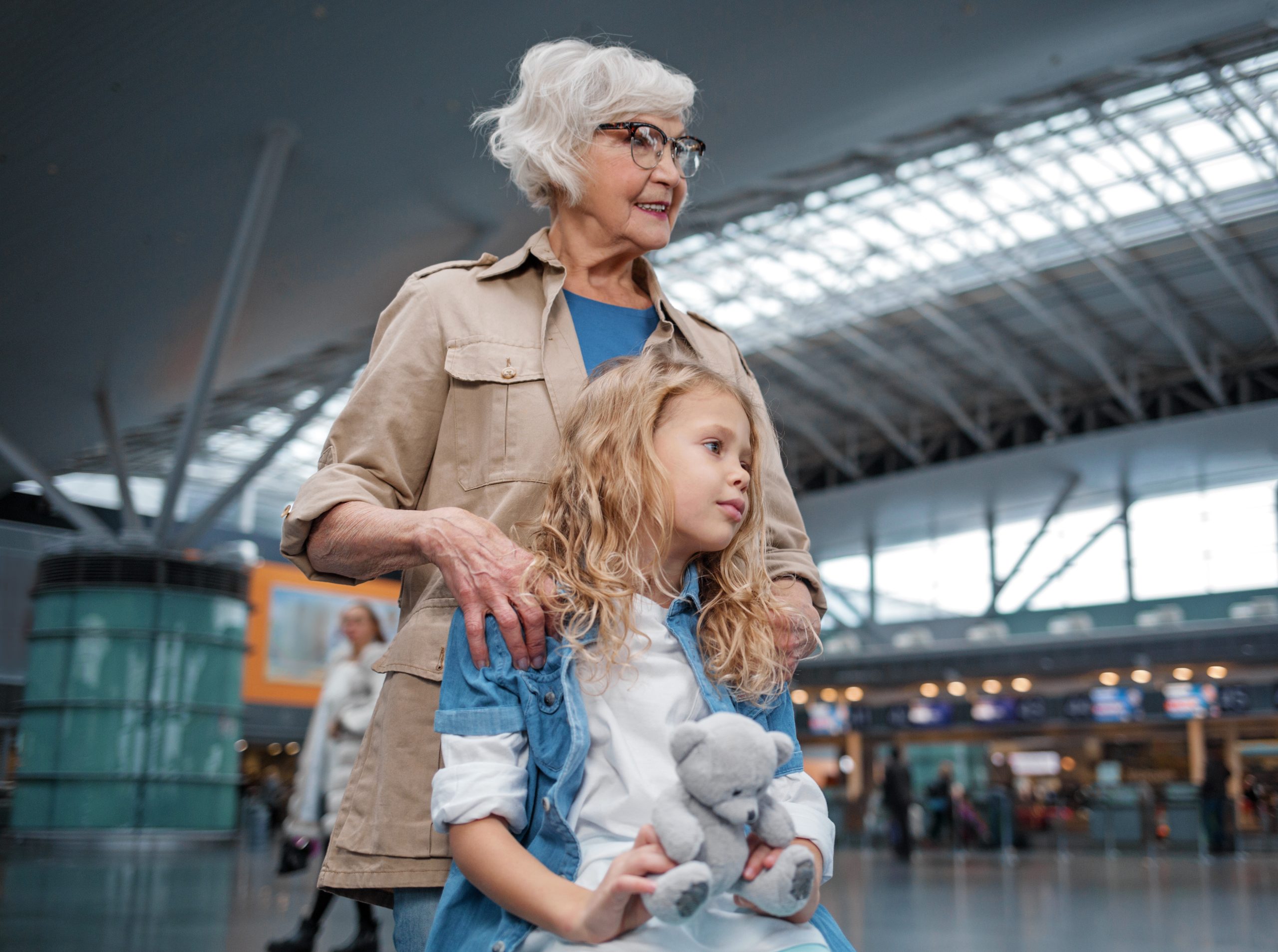
Grandparents often come from a different generation with distinct ideas about child-rearing, discipline, and education. This generational gap can lead to conflicts over parenting styles and educational choices, creating inconsistency for children. Grandparents may also have outdated views on child safety and health, potentially putting children at risk. Additionally, they might emphasize respect and obedience over curiosity and independence, which can stifle a child’s personal growth. The lack of exposure to contemporary parenting techniques could mean missed opportunities for developing crucial emotional intelligence and resilience in children. Ultimately, these philosophical differences can strain family relationships and confuse children about expectations.
2. Overstepping Boundaries
123rf
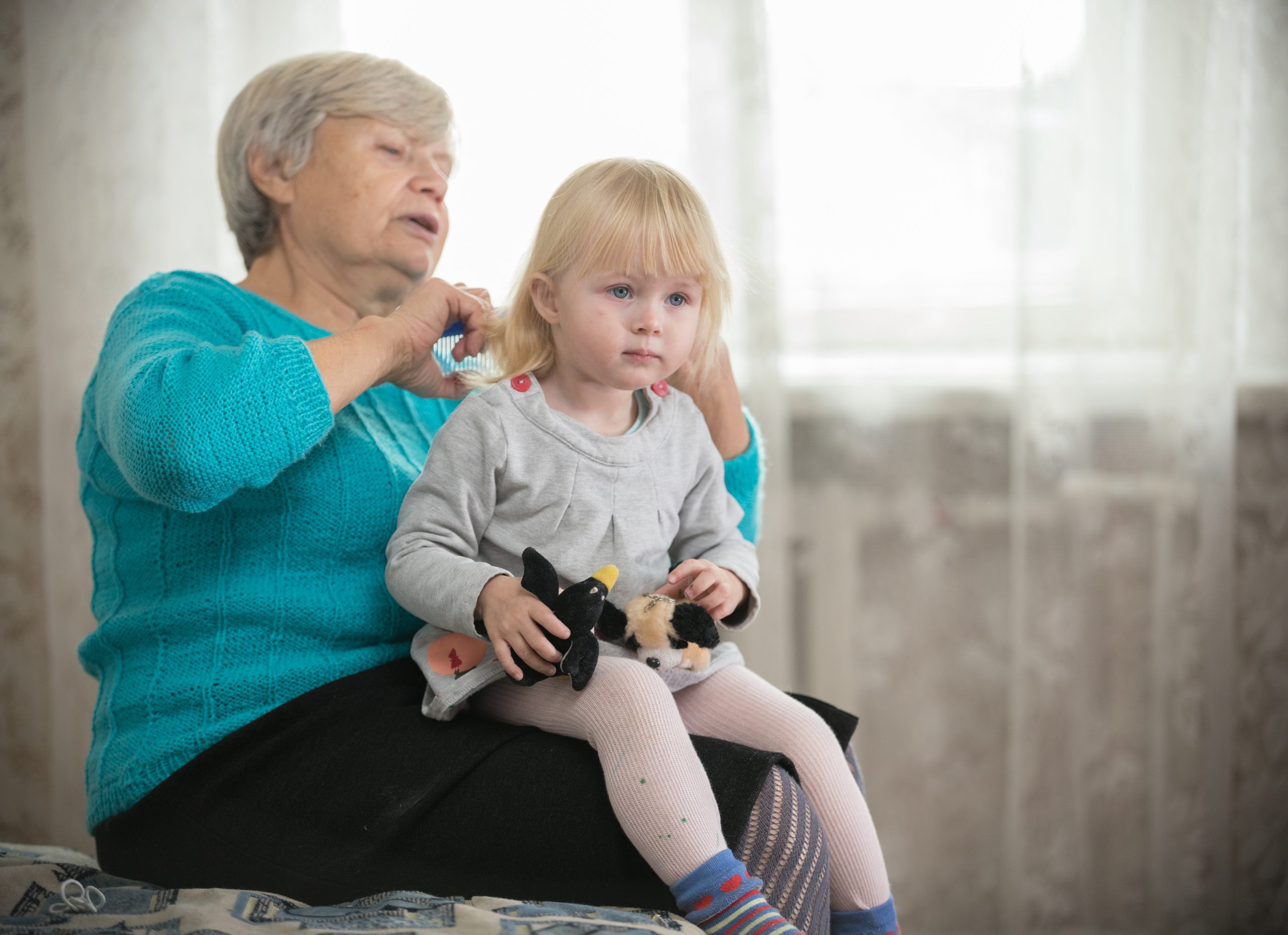
When grandparents take on the role of primary caregivers, it can blur the lines of authority and discipline within the family. Children may struggle to understand the hierarchy or exploit gaps between parental and grandparental expectations. Grandparents, too, may find it challenging to step back when parents are present, leading to power struggles that can confuse or upset the child. This can also undermine the parents’ authority, making it harder for them to enforce rules and discipline when they are around. Overstepping boundaries can lead to resentment in the family, making it difficult to maintain a harmonious living situation. It’s crucial for children to have clear, consistent leadership and boundaries, which can be hard to establish when grandparents are overly involved.
3. Physical Limitations
123rf
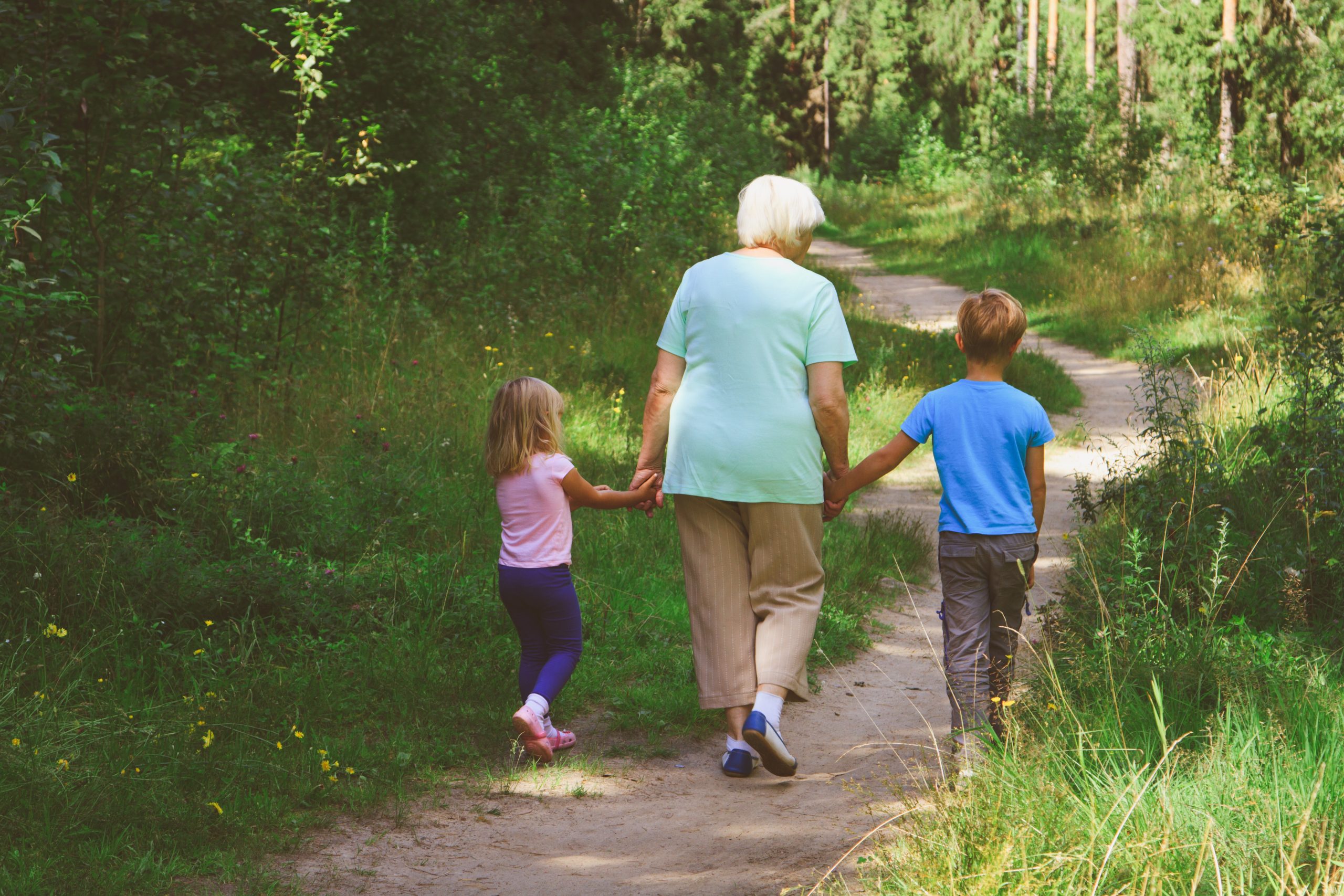
As much as they may want to, grandparents might not always have the physical energy or health to keep up with young, active children. This can lead to a lack of engaging activities and sufficient supervision, which are vital for a child’s development and safety. Grandparents facing health issues may also inadvertently become dependent on older children, reversing caregiving roles and placing undue responsibility on young shoulders. This role reversal can lead to stress and anxiety among children, who are not equipped to manage such situations. Additionally, the physical demands of childcare can exacerbate health problems for the elderly, potentially leading to more serious health issues. It’s important to consider the physical capabilities of grandparents before entrusting them with full-time caregiving duties.
4. Emotional Overload
123rf
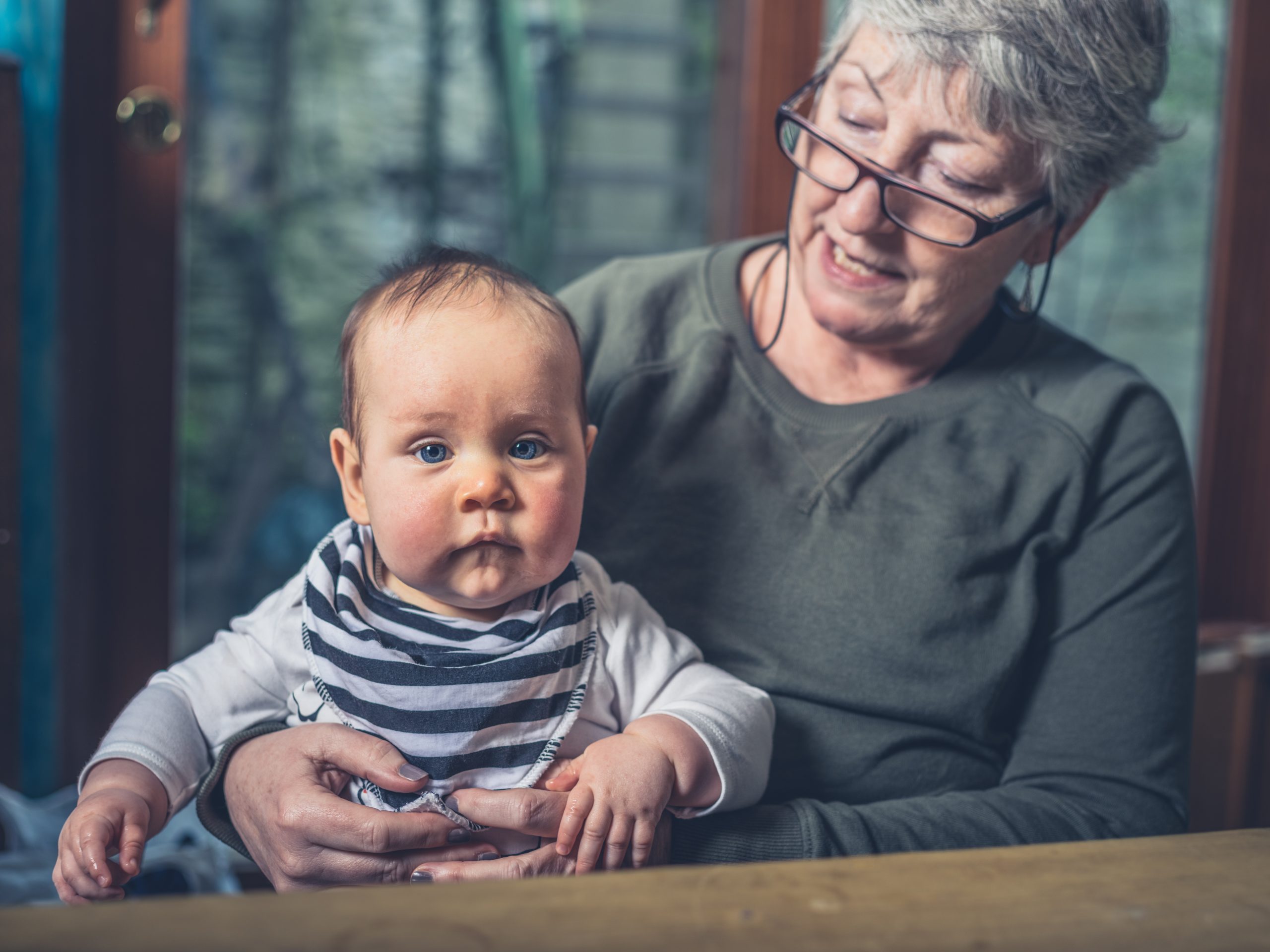
Raising children can be emotionally taxing even for young adults; for seniors, the emotional demands of parenting can be overwhelming. Grandparents might feel obligated to take on this role due to family expectations or their children’s circumstances, leading to stress and resentment. This emotional strain can affect the quality of care they are able to provide, leading to a less nurturing environment for the children. Additionally, grandparents might overcompensate for their own perceived shortcomings or guilt by indulging grandchildren, which can lead to behavioral problems. The emotional burden can also lead to burnout, making grandparents less emotionally available to both their children and grandchildren. Managing these dynamics requires a delicate balance that preserves the emotional well-being of all parties involved.
5. Sacrificing Personal Freedom
123rf
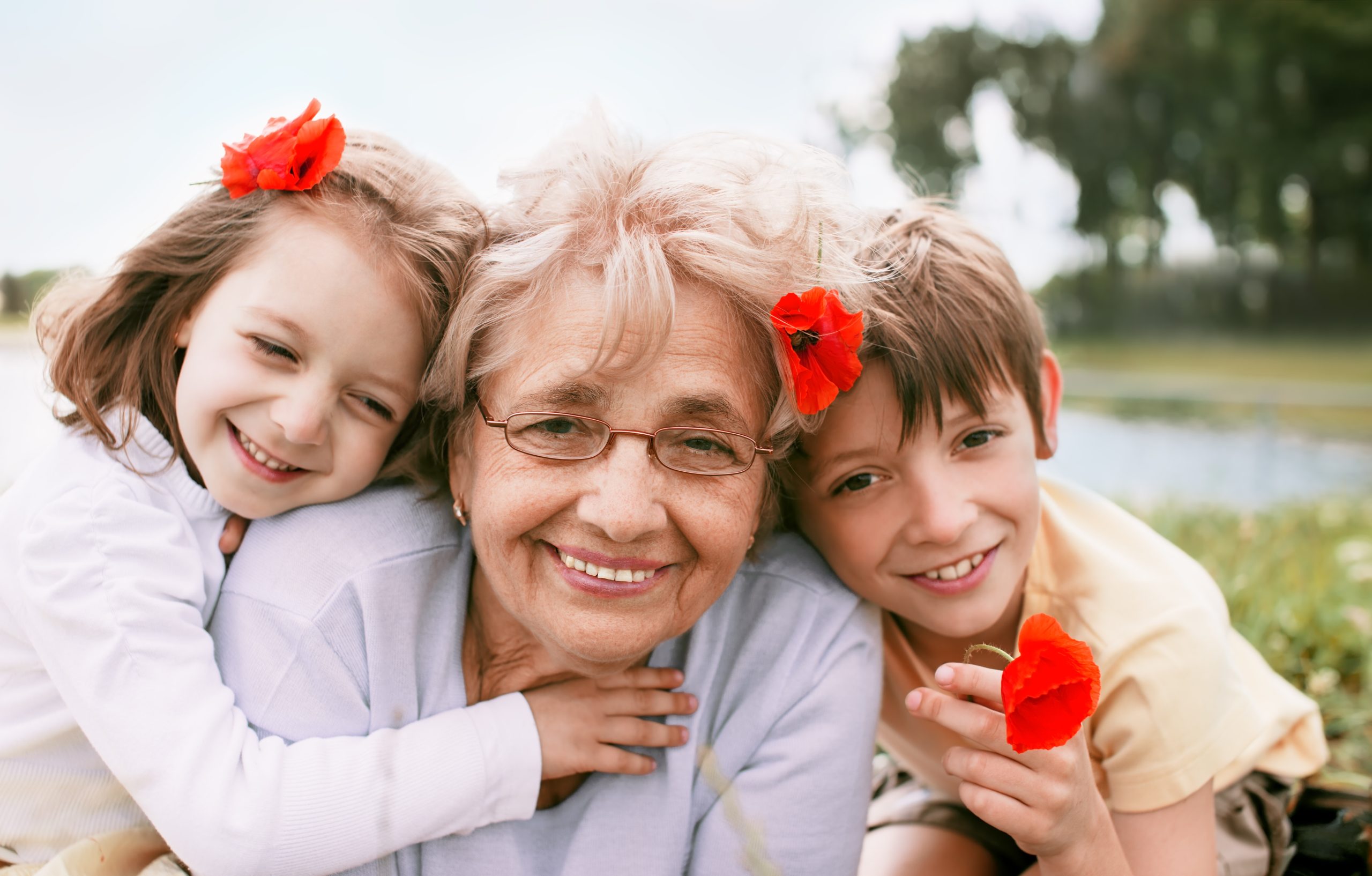
Taking on the role of a primary caregiver in their golden years can lead grandparents to put their own lives and aspirations on hold. This can lead to feelings of regret and resentment, impacting their overall happiness and well-being. The commitment to full-time caregiving can also isolate them from their peers and activities that keep them mentally and physically healthy. This sacrifice of personal freedom isn’t just detrimental to the grandparents; it can also affect the quality of care they provide. Grandparents need their own time to recharge and maintain their health, which is crucial for them to be effective caregivers. The lack of personal time can also prevent them from fully enjoying their retirement years, a period meant for relaxation and self-discovery.
6. Lack of Modern Skills
123rf
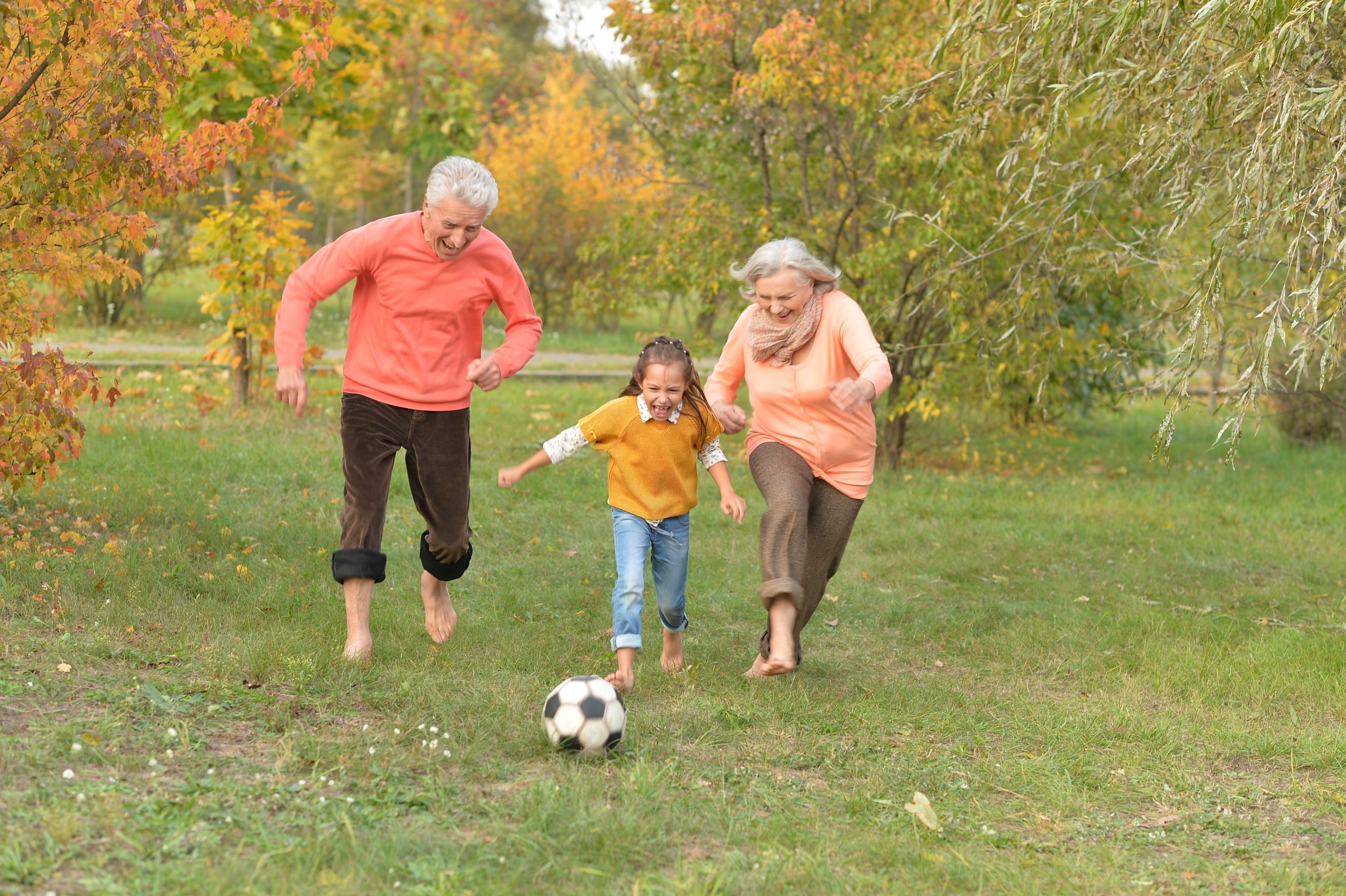
In today’s fast-paced, technology-driven world, there is a vast difference in the educational and social tools used in child-rearing compared to those available decades ago. Grandparents might not be familiar with the latest educational technologies, online safety issues, or modern parenting strategies that emphasize emotional intelligence and problem-solving skills. This gap can hinder a child’s educational development and social interactions. Furthermore, the rapid evolution of social norms and values may lead to conflicts over issues like gender identity and social inclusivity. Grandparents may also struggle with modern healthcare advice, potentially affecting the child’s physical well-being. It’s essential for children to be equipped with contemporary skills and knowledge, which grandparents might not always be able to provide.
7. Conflicting Educational Goals

123rf
Grandparents may hold traditional views on education that clash with modern approaches and expectations. They might prioritize rote learning and discipline over creative and critical thinking skills that are valued today. Additionally, their expectations for academic achievement can either be too lenient or unrealistically high, which can lead to stress and anxiety in children. This misalignment can undermine a child’s educational progress and reduce their competitiveness in today’s global environment. Furthermore, grandparents may not be as engaged with the school community or up-to-date with educational resources and programs, which could impede the child’s full educational potential. Ultimately, such educational discrepancies can hinder children from acquiring the skills needed for future success.
8. Social Disconnect

123rf
There can be a significant gap in the socialization process for children raised primarily by their grandparents. Grandparents might not be as aware of or sensitive to current social norms that affect children, such as trends in social media, peer interaction, and modern societal issues. This can leave children feeling out of step with their peers, which is crucial for their social development and self-esteem. Additionally, grandparents might have a smaller social network, limiting children’s exposure to a broader range of influences and opportunities. The social disconnect can make it harder for children to adapt socially and academically, potentially leading to isolation or bullying. It’s essential for children to navigate and thrive in the social dynamics of their own generation.
9. Technological Gap

123rf
Many grandparents are not as technologically savvy as their younger counterparts, which can be a barrier in today’s digital age. This technological gap can impact children’s access to learning tools, digital literacy, and online safety. Without guidance on navigating the internet, social media, and other digital platforms, children might miss out on educational opportunities or face higher risks online. Additionally, the lack of technological skills can prevent grandparents from effectively supervising and engaging with children’s digital activities, which is increasingly important for their development and safety. Ensuring children are competent and safe in digital environments is crucial, and this often requires more current technological know-how.
10. Reduced Exposure to Multigenerational Perspectives

123rf
While grandparents provide a valuable connection to the past, children also benefit from interacting with multiple generations. Exclusive caregiving by grandparents can limit children’s exposure to varied perspectives, especially from younger adults who may have fresher insights and different life experiences. This can affect children’s ability to understand and adapt to diverse viewpoints and reduce their resilience in changing environments. Exposure to only one generational perspective can also skew a child’s worldview, making it harder for them to engage fully with the world around them. A more balanced interaction with various age groups can enrich a child’s understanding and adaptability.
11. Potential for Spoiling

123rf
Grandparents are often more inclined to indulge their grandchildren, which can lead to issues with discipline and expectations. This tendency to spoil can undermine parental efforts to instill responsibility, self-discipline, and value for money. Children might develop a sense of entitlement or lack motivation to achieve personal goals, expecting easy rewards without effort. Furthermore, inconsistent rules and excessive indulgence can make it difficult for children to accept normal societal limits and challenges, impacting their social and emotional development. Striking a balance between affection and discipline is key to raising well-rounded individuals.
12. Delayed Retirement Plans

123rf
When grandparents commit to raising their grandchildren, they may have to delay or alter their retirement plans, which can have significant personal and financial consequences. This can lead to financial stress if their retirement savings are not sufficient to support extended periods of caregiving. Additionally, the physical and emotional toll of caregiving can impact their health, which might require more medical care and associated costs. Delaying retirement can also reduce their opportunities for travel, leisure, and personal growth activities, potentially leading to regret and decreased quality of life. It’s important for grandparents to consider their own long-term needs alongside the immediate benefits to their grandchildren.
Embracing Change While Honoring Roots

123rf
While grandparents undoubtedly bring wisdom, love, and stability to their grandchildren’s lives, the dynamics of modern parenting require a different approach. Balancing the involvement of grandparents while maintaining the primary educational and disciplinary roles can foster a healthy, supportive environment that honors both the old and the new. This balance ensures that children receive the best possible upbringing equipped with modern skills and traditional values.

Latrice is a dedicated professional with a rich background in social work, complemented by an Associate Degree in the field. Her journey has been uniquely shaped by the rewarding experience of being a stay-at-home mom to her two children, aged 13 and 5. This role has not only been a testament to her commitment to family but has also provided her with invaluable life lessons and insights. As a mother, Latrice has embraced the opportunity to educate her children on essential life skills, with a special focus on financial literacy.
Leave a Reply