• Home
  • About Us
  • Toolkit
  • Archives
  • Advertise
  • Privacy Policy

Kids Ain't Cheap

But They Sure Are Worth It

  • Parenting
    • Baby Stuff
    • Books and Reading
      • Aesops Fables
      • Comic Books
    • Education
    • Family Time
    • Green Living
    • Growing Up
    • Healthy Living & Eating
    • Holidays
    • Parenting
    • Random Musings
    • Shopping
    • Stuff to Do
  • Money
  • Product Reviews
    • Books and Magazines
    • Discount Sites
    • Furniture
    • House Keeping
    • Reviews News
    • Toys and Games
  • Contact Us
  • Our Editorial Commitment
  • Search

6 Babysitter Habits That Can Actually Cause Long-Term Damage

December 17, 2025 | Leave a Comment

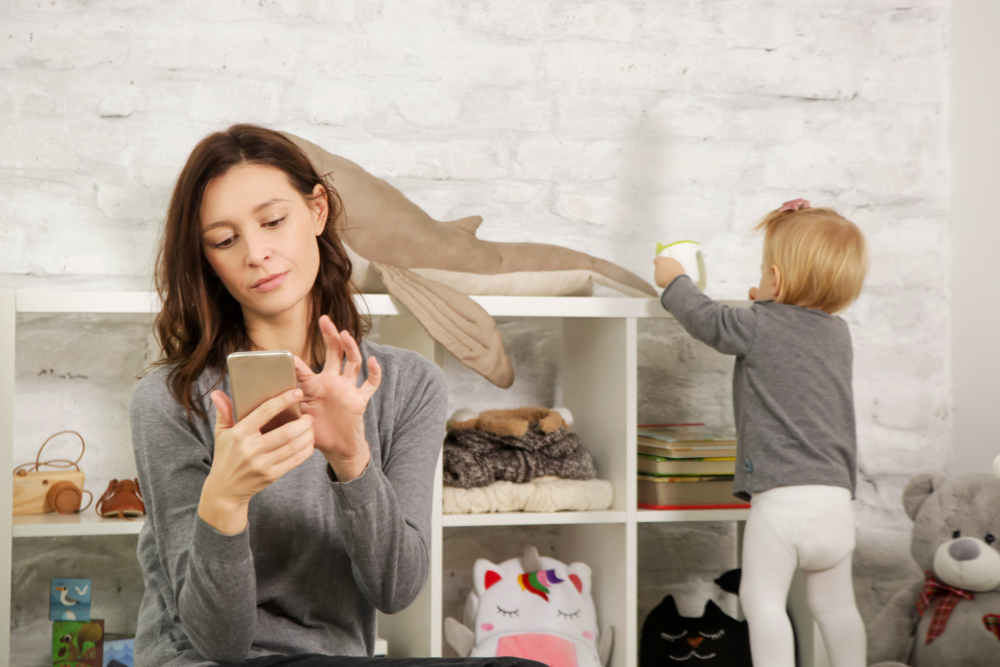
6 Babysitter Habits That Can Actually Cause Long-Term Damage
Image source: shutterstock.com

When you find a babysitter you trust enough to watch your child, it feels like winning the parenting lottery. You want your kid to feel safe, cared for, and maybe even a little spoiled with fun while you’re away. But some patterns that seem harmless in the moment can quietly chip away at routines, boundaries, and your child’s sense of security. The goal isn’t to panic or fire every sitter, but to get clear on which behaviors can lead to problems if they become a pattern. Once you know what to watch for, you can address issues early and protect your child from long-term fallout.

1. Treating Rules As Optional

A sitter who regularly shrugs off your household rules sends a confusing message to your child. When screen limits, snack rules, or bedtime routines suddenly disappear, kids may start to test those limits with you, too. Over time, your child may decide that rules only matter when certain adults are present. That can erode your authority and make everyday parenting battles much harder. Clear expectations and follow-through help prevent this habit from turning into a long-term problem.

2. Babysitter Habits That Ignore Your Rules

Some babysitter habits develop a pattern of “forgetting” the instructions you leave, especially if they think their way is easier. Maybe they let your child stay up way too late because it avoids bedtime protests in the moment. They might offer sugary snacks you’ve limited or skip brushing teeth because they don’t want to push back. When that keeps happening, your child learns that your rules are flexible depending on who’s in charge. That can cause long-term damage to your child’s trust that adults are on the same team and working together.

3. Using Screens As A Stand-In For Attention

Screens can be a useful tool, but problems arise when they become the main way a sitter keeps kids occupied. If your child spends most of the night in front of a tablet instead of playing, reading, or talking, they miss out on important social and emotional connection. Over time, some babysitter habits like this can make kids associate babysitting with zoning out instead of feeling engaged and safe. Too much passive screen time during care can also make transitions back to normal limits tougher once you’re home. You want a sitter who uses screens thoughtfully, not as the default option.

4. Ignoring Emotional Red Flags

A sitter doesn’t have to be a therapist, but they should at least notice and respond when a child seems scared, withdrawn, or unusually clingy. When emotional shifts get brushed off or punished, kids may learn to hide their feelings instead of asking for help. In some cases, repeated dismissals from babysitter habits can make children believe their emotions are “too much” or an inconvenience. That can impact their confidence in speaking up later, even with you. A good sitter will share what they observe and work with you to support your child’s emotional health.

5. Bad-Mouthing Parents Or Other Adults

It can be tempting for a bored sitter to vent about a long day, but your child shouldn’t be the audience. When a caregiver complains about parents, teachers, or siblings, a child may feel stuck choosing sides. They may start to question whether it’s safe to be honest with you or worry that people say hurtful things behind their back. Over time, this type of talk from babysitter habits can quietly damage your child’s sense of trust and stability. You want sitters who speak respectfully about the adults in your child’s life, even when they’re frustrated.

6. Crossing Physical Or Privacy Boundaries

Even when abuse is not happening, smaller boundary issues still matter. A sitter who forces hugs, teases about bodies, or barges into the bathroom without knocking teaches kids that their “no” doesn’t count. When babysitter habits minimize a child’s discomfort, kids may stop trusting their own instincts. They might also have a harder time telling you if something bigger ever feels wrong. Caregivers should model consent, respect, and privacy so children learn they’re allowed to protect their space.

Turning Red Flags Into A Safer Care Plan

The good news is that most issues can be fixed once you recognize them. Start by asking your child open-ended questions about what it feels like when the sitter is there, and listen closely to any hesitations. Then calmly address specific concerns with your babysitter, using examples and reminding them why certain routines and boundaries matter to your family. If patterns don’t change or you see serious red flags, trust your gut and move on, even if finding a replacement feels inconvenient. Protecting your child means choosing caregivers whose everyday choices support your values instead of chipping away at them.

Have you ever noticed babysitter habits that didn’t sit right with you—what did you change after you spotted those red flags?

What to Read Next…

8 Common Babysitting Practices That Can Lead to Legal Trouble

Should Parents Be Required to Disclose Their Kids’ Diagnoses to Babysitters?

5 Silent Red Flags That a Babysitter Isn’t Trustworthy

8 Reasons Your Kids Prefer Babysitters to Their Actual Parents

Spying On The Nanny: Is It Ethical to Use Nanny Cams to Monitor Babysitters?

Catherine Reed
Catherine Reed

Catherine is a tech-savvy writer who has focused on the personal finance space for more than eight years. She has a Bachelor’s in Information Technology and enjoys showcasing how tech can simplify everyday personal finance tasks like budgeting, spending tracking, and planning for the future. Additionally, she’s explored the ins and outs of the world of side hustles and loves to share what she’s learned along the way. When she’s not working, you can find her relaxing at home in the Pacific Northwest with her two cats or enjoying a cup of coffee at her neighborhood cafe.

Filed Under: Parenting Tagged With: Babysitters, childcare safety, family boundaries, kids emotional health, parenting advice, parenting tips, trusted caregivers

Why Dogs Make Horrible Babysitters

January 29, 2011 | 2 Comments

Don't trust this dog to babysit your kids!
Image on DeviantArt

First of all – I would just like to say – that I do not suggest using your dog as a babysitter while you and your spouse go out for a “date night.” If you would like to go and have a pedicure do not leave your dog in charge of the children. It is not even acceptable to leave your kids with the dog while you run to the store really quick. I know this and would never do such a thing because of course — it is illegal! Besides that, dogs are just no good at changing diapers, getting kids to eat their vegetables, or putting children to bed at a descent hour.

What I am talking about instead, are those times when I just needed to leave the room for a moment and thought, “The babies are in their exercisers and the dog is watching them; how much trouble can they really get into?” Oh boy, let me tell you; things can get ugly fast.

Leaving the dogs in charge

One example of this is happened, when I left my dog in charge of the boys, they were about 18 months old — (Yes, I realize how crazy that sounds.) They were in their high chairs, happily eating some cottage cheese – one of their favorite things to eat at the time – they were using their spoons, and everything! It was an idyllic scene; something straight out of a Norman Rockwell calendar.

I had been cleaning, and decided to run the garbage outside really quick. I would be right back and it would take 30 seconds tops!  So there were my sweet little boys and my sweet doggie. I told the dog, “You’re in charge. Mommy will be right back.”

Huge mistake! HUGE!

When I walked back in, it looked like someone had turned on a snow machine as soon as I shut the door – and apparently – they had. The boys were covered in cottage cheese, the dog was covered in cottage cheese, and the kitchen was covered in cottage cheese. Yes – that’s right folks, the kitchen I had just cleaned was now totally cheesy.

The boys were laughing and flinging cheese in the air like it was confetti — and what was my sweet, responsible dog doing you might ask? She was licking the cheese off of everything, as fast as she could.

Since that day, I am totally convinced that dogs and children can communicate! I’m pretty sure the conversation that my dog had with the boys that day, went something like this.

The dog: “Hey, boys! You know what would be really fun?”

The boys: “What?”

The dog: “Wouldn’t it be great to throw the cottage cheese in the air like it’s snowing? That would be really fun and totally hilarious! I bet Mommy will think it’s hilarious too! Do you boys want to do that?”

The boys: “Yeah!”

The dog: “Aren’t I the best babysitter ever?”

The boys: “Yeah!”

When I posted a warning to others via my Facebook page “FYI — Dogs do not make good babysitters” the only thing people wanted to know, was if I had pictures. Pictures? Are you kidding me?

Of course, now I wish I had taken the time to take pictures but all I could think about then was cleaning everything up – that was spotless – only minutes before.

So if you are thinking about leaving your dog in charge of the kids – learn from my mistakes and don’t do it!

Do you have any funny stories like this?

Brian
Brian

Brian is the founder of Kids Ain’t Cheap and is now sharing his journey through parenthood.

 
Email • Google + • Facebook • Twitter

Filed Under: Home and Living, Pets, Random Musings Tagged With: Babysitters, Cleaning, Cottage Cheese, dogs, Funny Stories

  • Facebook
  • Pinterest
  • RSS
  • Twitter

Basic Principles Of Good Parenting

Here some basic principles for good parenting:

  1. What You Do Matters: Your kids are watching you. So, be purposeful about what you want to accomplish.
  2. You Can’t be Too Loving: Don’t replace love with material possessions, lowered expectations or leniency.
  3. Be Involved Your Kids Life: Arrange your priorities to focus on what your kid’s needs. Be there mentally and physically.
  4. Adapt Your Parenting: Children grow quickly, so keep pace with your child’s development.
  5. Establish and Set Rules: The rules you set for children will establish the rules they set for themselves later.  Avoid harsh discipline and be consistent.
  6. Explain Your Decisions: What is obvious to you may not be evident to your child. They don’t have the experience you do.
  7. Be Respectful To Your Child: How you treat your child is how they will treat others.  Be polite, respectful and make an effort to pay attention.
Best Parenting Blogs

Most Popular

Baby

10 Baby Names That Were Once Considered “Grandparent Names” but Feel Cool Again

Evan Morgan
Baby

9 Baby Names Inspired by Fall Without Naming Your Child Autumn

Evan Morgan
Baby

10 Vintage Baby Names That Sound Surprisingly Modern Again

Evan Morgan
Baby names

Teachers Admit: These 6 Baby Names Create Instant Bias in the Classroom

Latrice Perez
6 Baby Names That Sound Cute Now but Cause Problems Later

6 Baby Names That Sound Cute Now but Cause Problems Later

Brandon Marcus

All content on Kids Ain’t Cheap is for entertainment purposes only. By reading this blog, you agree that Kids Ain’t Cheap is not responsible for any actions taken after reading this blog. For the full disclaimer, see our privacy policy.

Please note that Kids Ain’t Cheap has financial relationships with some of the merchants mentioned here. Kids Ain’t Cheap is funded by banner advertising, commission sales and search optimization consulting.

Copyright © 2006–2026 | District Media | All Rights Reserved | Privacy Policy

Copyright © 2026 Runway Pro Theme by Viva la Violette