• Home
  • About Us
  • Toolkit
  • Archives
  • Advertise
  • Privacy Policy

Kids Ain't Cheap

But They Sure Are Worth It

  • Parenting
    • Baby Stuff
    • Books and Reading
      • Aesops Fables
      • Comic Books
    • Education
    • Family Time
    • Green Living
    • Growing Up
    • Healthy Living & Eating
    • Holidays
    • Parenting
    • Random Musings
    • Shopping
    • Stuff to Do
  • Money
  • Product Reviews
    • Books and Magazines
    • Discount Sites
    • Furniture
    • House Keeping
    • Reviews News
    • Toys and Games
  • Contact Us
  • Our Editorial Commitment
  • Search

Experts Say Girls With Autism Are Still Being Missed at Alarming Rates

May 19, 2026 | Leave a Comment

Girl In School
Experts say that many girls get missed in terms of an autism diagnosis – Pexels

For years, autism research and diagnosis patterns centered largely on boys, leaving many families unaware that girls can present very differently. Experts now warn that girls with autism are still being overlooked at troubling rates, often delaying support during critical developmental years. A girl who appears socially engaged, academically capable, or emotionally sensitive may still struggle with sensory overload, anxiety, burnout, or hidden communication challenges. That growing recognition is changing conversations around the diagnosis of girls with autism, but many experts say the system still has work to do.

Why Girls With Autism Often Look Different Than Boys

One major reason girls with autism are missed is that their traits can appear less obvious than traditional diagnostic stereotypes. Instead of repetitive interests involving trains, numbers, or technology, a girl may develop intense interests in books, animals, celebrities, or fictional worlds that seem socially acceptable. Some girls also become skilled at “masking,” meaning they consciously copy social behaviors to blend in with peers. According to research highlighted by the Simons Foundation Autism Research Initiative, this masking behavior can make the diagnosis of girls with autism significantly harder because their struggles remain hidden in plain sight.

The Hidden Cost of Late Diagnosis

A delayed diagnosis for girls with autism can carry real emotional and mental health consequences. Many women diagnosed later in life describe years of confusion, anxiety, depression, or feeling fundamentally different without understanding why. Imagine a teenager who excels academically but comes home exhausted from spending all day rehearsing conversations, suppressing sensory discomfort, and trying to fit in socially. Experts from organizations like the Child Mind Institute note that when autism goes unrecognized, girls are sometimes misdiagnosed with anxiety disorders, ADHD, eating disorders, or personality conditions instead of receiving appropriate autism support.

Parents and Teachers May Miss the Warning Signs

The diagnosis of girls with autism can also be delayed because parents and educators may not recognize less stereotypical signs. A quiet student who follows classroom rules, prefers one close friendship, or seems unusually mature may not raise immediate concerns. Yet that same child might struggle intensely with routine changes, social misunderstandings, sensory sensitivities, or emotional shutdowns after school. Experts encourage adults to look beyond surface behavior and pay closer attention to patterns of exhaustion, rigid thinking, emotional overwhelm, or unusually intense interests that interfere with daily life.

Better Awareness Is Improving Outcomes for Girls

The encouraging news is that awareness around girls with autism has improved dramatically in recent years. More clinicians now recognize that autism can present differently across gender, and newer conversations around neurodiversity are helping families seek evaluations earlier. Research published in autism-focused medical journals continues to challenge outdated assumptions that autism has one recognizable profile. Early identification matters because children who receive tailored support often gain stronger coping skills, better educational accommodations, and a deeper understanding of their own needs.

The Question Families Should Be Asking Now

If a child constantly feels overwhelmed, socially drained, intensely perfectionistic, or chronically misunderstood, families should not dismiss those experiences simply because she does not match an outdated autism stereotype. The diagnosis for girls with autism is evolving, and many experts believe broader awareness could help thousands receive answers earlier. Seeking guidance from clinicians experienced in female autism presentation can make a meaningful difference when concerns persist.

Have you noticed signs in a child, student, or family member that challenged what you thought autism looked like? Share your thoughts or experiences in the comments — your story could help another reader feel seen.

What to Read Next

7 Things Insurance Still Refuses to Cover for Many Autistic Children

Why Some Children Lose SSI Benefits After Turning 18 — Even With an Autism Diagnosis

Why More Families Are Going Into Debt Over Autism Evaluations

Evan Morgan

Evan Morgan has been a full-time freelance writer and editor for 10+ years. When not working, he enjoys catching the latest true crime documentary or getting lost in a good book.


Filed Under: Child behavior Tagged With: autism, autism awareness, autism diagnosis, child development, education, girls with autism, health, Mental Health, neurodiversity, Parenting

8 Silent Symptoms of “Walking Pneumonia” Spiking in Virginia Schools This Week

January 28, 2026 | Leave a Comment

These Are 7 Silent Symptoms of
Image Source: Shutterstock.com

If your kid comes home from school with what seems like a stubborn cold that just won’t quit, it might be more than sniffles — especially this week in Virginia, where walking pneumonia cases may be rising in classrooms. Parents and teachers alike are seeing a mix of lingering coughs and fatigue that feels familiar yet not quite ordinary, and understanding the subtle signs can make all the difference in catching it early.

The tricky thing about walking pneumonia is that kids often look well enough to go about their day — they’re literally “walking” around — while their lungs are quietly inflamed. Being alert to symptoms that stray from a typical cold can help you act fast and get your child the right care before things get worse. Here are eight symptoms that creep up that you should take note of.

1. Persistent Cough That Outstays Its Welcome

One of the first silent signs of walking pneumonia is a cough that sticks around long after a typical cold should have faded, especially when it’s dry and nagging. Unlike a fleeting cough that clears up in a few days, this one can linger for weeks and wear your child down slowly as school days go by. A persistent cough is often the earliest clue that their lungs are irritated beyond ordinary seasonal sniffles, and doctors say this is one of the most common reasons families finally seek care.

Keeping track of how long the cough lasts — especially if it’s worsening or interrupting sleep — helps pediatricians decide if further evaluation is needed. If your child’s cough has lasted more than a week without clear improvement, it’s worthwhile to check in with their healthcare provider.

2. Low-Grade Fever That Comes And Goes

A low-grade fever can be sneaky — mild enough that your child still seems functional but persistent enough to signal infection. In walking pneumonia, fevers often stay below 101°F yet continue for days, blending into the background of everyday sickness.

Fevers often accompany many respiratory bugs. But what makes this one worth noting is its longevity, paired with other symptoms like cough and fatigue.

3. Fatigue That Feels Out Of Proportion

When your child uses up their energy just getting through school and homework, that tired feeling might be more than ordinary exhaustion. Kids with walking pneumonia often appear unusually tired, dragging through activities they usually enjoy without much overt sickness. Fatigue in this context usually persists with other symptoms like cough or sore throat, painting a picture of an immune system working overtime.

These Are 7 Silent Symptoms of
Image Source: Shutterstock.com

4. Headache And Sore Throat That Lingers

While headaches and sore throats often accompany common colds, in the case of walking pneumonia they tend to stick around alongside other respiratory symptoms.

These aches can feel minor but show that the infection is affecting more than just one part of the body. If your child complains repeatedly of discomfort that doesn’t resolve in a day or two, it might be tied to the underlying lung irritation.

5. Sneezing Or Runny Nose That Lingers Too Long

Sneezing and a runny nose can easily be dismissed as seasonal allergies or colds, especially in active kids. But with walking pneumonia, these symptoms may stick around well past the usual duration. Because this illness can mimic cold-like symptoms, it often hides in plain sight until the cough or fatigue becomes unmistakable.

If your child’s cold symptoms don’t begin to improve after a week, or if they’re accompanied by the other signs listed here, it’s important to consider a different diagnosis. Documenting symptom patterns makes conversations with healthcare professionals more productive.

6. Chest Discomfort Or Mild Pain

It might sound dramatic, but mild chest discomfort — especially when coughing — can be a real clue that the infection is deeper than it appears on the surface.

Children with walking pneumonia may complain about their chest hurting, or they might simply protect the area unconsciously by breathing shallowly. This discomfort isn’t always intense, and because it can come and go, parents can easily overlook it.

7. Loss Of Appetite Or Stomach Complaints

Gastrointestinal symptoms like loss of appetite, vomiting, or stomachache can show up with walking pneumonia, especially in younger children. These signs may feel unrelated at first. However, when paired with respiratory symptoms, they help complete the “picture” of an atypical pneumonia infection. Especially noticeable if your child normally eats well or complains more frequently at mealtimes, this symptom deserves a second look.

Keeping an eye on eating patterns alongside cough and fatigue helps parents make informed decisions about next steps. Any troubling changes in appetite should prompt a healthcare check.

8. Symptoms That Don’t Respond To Typical Cold Care

If your usual at-home cold remedies — rest, liquids, time — aren’t making a noticeable difference after several days, it could be a sign that something else is going on. Walking pneumonia often won’t respond to typical over-the-counter treatments in the same way a cold does because the underlying infection is deeper in the lungs.

If symptoms persist, intensify, or spread to include multiple areas like the neck, chest, or stomach, it’s time to reach out to a clinician for further evaluation rather than waiting it out indefinitely. Early medical guidance can make recovery smoother and help prevent the spread to others.

What Parents Should Do Now

Recognizing walking pneumonia early — especially when cases surge in schools — means families can act before symptoms become severe. Keep track of your child’s symptoms day by day. Also, don’t hesitate to call a pediatrician if more than a few signs show up together or persist. Encourage good hygiene, like frequent handwashing and respiratory etiquette, to slow the spread. And always make sure your child gets plenty of rest and fluids while recovering.

What signs have you noticed in your child this school season that made you wonder if it was more than just a common cold?

You May Also Like…

7 Summer Habits That Can Lead to Sickness Fast

9 Warning Signs That Your Child’s Daycare Is Cutting Corners

8 Parenting Rules That Were Invented by Social Media—Not Experts

Parenting Hacks for College Students: 8 Tips to Juggle Studies and Kids

6 Co-Parenting Habits That Breed Quiet Resentment Over Time

Brandon Marcus
Brandon Marcus
Brandon Marcus is a writer who has been sharing the written word since a very young age. His interests include sports, history, pop culture, and so much more. When he isn’t writing, he spends his time jogging, drinking coffee, or attempting to read a long book he may never complete.

Filed Under: Education Tagged With: atypical pneumonia, child health, health, health and wellness, healthcare, kids respiratory infection, pneumonia symptoms, school illness, student behavior, student concerns, student safety, students, Virginia health, walking pneumonia

The ‘January Fever’ Warning: 3 Pediatric Symptoms Parents are Dismissing as ‘Just a Cold’—Until It’s Too Late.

January 23, 2026 | Leave a Comment

The 'January Fever' Warning: 3 Pediatric Symptoms Parents are Dismissing as 'Just a Cold'—Until It’s Too Late.
Image Source: Shutterstock.com

Fayetteville, GA parents are swapping notes in carpool lines. Volusia County, Florida administrators are quietly updating attendance guidance. Something unprecedented shifted for the 2025–2026 season, and most families missed the memo.

Pediatricians now track a “January Fever” pattern through a quiet rollout of school health policies and reporting thresholds. This hidden reality sits inside a legal loophole that treats early warning signs as routine absences—until the window to act slams shut.

The Quiet Policy Shift You Didn’t Read

Georgia’s 2026 school environment changed under HB 268 and HB 340, laws that expanded behavioral monitoring and tightened distraction controls in classrooms. Schools now flag patterns earlier, but parents still shrug off symptoms at home, especially because it seems like there are always so many of them.

Florida districts, including Volusia County, aligned with Florida Statute 39’s mandated reporting framework, which escalates concerns faster when health issues intersect with attendance. Translation: what parents dismiss as “just a cold” now triggers institutional scrutiny sooner—and consequences cascade.

The Three Symptoms Everyone Minimizes

  1. Low-grade fever with morning lethargy. Parents send kids anyway. Schools log it as a pattern. Pediatricians see viral-to-inflammatory pivots that demand early labs.
  2. Persistent cough plus headaches. Parents call it seasonal. Clinicians flag post-viral complications that spike in January after winter breaks.
  3. Stomach pain with irritability. Parents chalk it up to stress. Mandated reporters see a red flag when absences cluster under O.C.G.A. § 19-7-5 obligations.

These symptoms don’t look dramatic. That’s the trap. The 2026 School Policy environment treats patterns—not drama—as the trigger.

The Authority Parents Can’t Outrun

Doctors and districts now share thresholds. Georgia HB 268 normalized monitoring. Florida Statute 39 accelerated reporting timelines. Parents no longer control the clock once schools document patterns.

The popular Authoritative 2.0 movement calls this friction-maxxing: fewer excuses, more intervention. Burnout didn’t loosen standards; it hardened them.

The 'January Fever' Warning: 3 Pediatric Symptoms Parents are Dismissing as 'Just a Cold'—Until It’s Too Late.
Image Source: Shutterstock.com

The Hidden Costs That Empty Your Wallet

Ignore the January fever and pay the price. Parents lose money to urgent care roulette, duplicate copays, and last-minute childcare. Credit scores take hits when medical bills stack before deductibles reset.

Social capital erodes when schools escalate and families scramble to explain gaps. The hidden costs of kids in 2026 don’t whisper—they compound. Delay steals privacy as records spread across systems. Delay steals futures when absences harden into labels.

What High-Stakes Parenting Demands Now

Act early. Document symptoms. Demand same-week pediatric evaluation. Coordinate with schools before patterns form. This isn’t panic. This is arithmetic.

Pick a Side

Do you choose safety through early intervention or liberty through delay—and which bill are you willing to pay when the system decides for you?

You May Also Like…

7 Summer Habits That Can Lead to Sickness Fast

8 Parent-Teacher Conversations That Can Hurt a Child’s Mental Health

8 Health Fads Parents Are Pushing on Their Kids Without Science

Do Modern Parenting Hacks Leave Out Crucial Emotional Support?

7 Old-School Parenting Habits That Still Save Families Money

Brandon Marcus
Brandon Marcus
Brandon Marcus is a writer who has been sharing the written word since a very young age. His interests include sports, history, pop culture, and so much more. When he isn’t writing, he spends his time jogging, drinking coffee, or attempting to read a long book he may never complete.

Filed Under: healthcare Tagged With: children, cold, Florida, Georgia, health, Health and Safety, health and wellness, healthcare, January, Kids, Parenting, parenting tips, Parents, sick children, sickness, Weather

Why Pediatricians are Quietly Flagging These 5 Household Items as Toxic

January 19, 2026 | Leave a Comment

Why Pediatricians are Quietly Flagging These 5 Household Items as Toxic
Image Source: Shutterstock.com

From kitchen counters in Fayetteville to daycare centers in Volusia County, FL, pediatricians are sounding the unprecedented alarm: five everyday household items are now flagged as toxic threats for the 2025‑2026 season. What was once dismissed as a minor irritation has erupted into a hidden reality affecting local‑to‑national child health. This quiet rollout of concern has not been televised, but pediatric clinics report a surge in exposure cases tied to products parents assumed were safe.

Medical professionals are not speculating. In 2026 pediatric case reports, toxic exposure to itemized household goods increased by double digits compared to 2024 figures, according to district health records in Florida’s Marion County. Pediatric hospitals documented acute reactions from substances historically labeled “benign.” This spike correlates with a toxicology dashboard update in early 2026 that reclassified common compounds previously cleared in older safety reviews.

Georgia’s mandated reporting statute, O.C.G.A. § 19‑7‑5, now requires pediatricians to file immediate risk notifications when household toxin cases surpass specific thresholds. Clinics across north Georgia confirmed they are doing just that. These are not low‑grade warnings — these are reportable incidents that now populate state health intelligence feeds.

The 5 Items Pediatricians Are Flagging

Clinics in both Georgia and Florida list the following as repeat exposure culprits:

1. Decorative Resin Figurines — Leach cadmium and lead under normal handling.
2. DIY Scent Warmers — Volatile organic compounds spike in enclosed rooms.
3. “Plant‑Based” Cleaning Sprays — Misleading labels mask allergenic compounds.
4. Foam Play Mats — Off‑gassing brominated flame retardants in new batches.
5. Repurposed Food Containers — Not all are BPA‑free despite claims.

Each item was tested and confirmed in pediatric toxicology panels this year. These are not hypothetical risks; pediatricians in Fayetteville and Volusia are seeing physical reactions.

Why Pediatricians are Quietly Flagging These 5 Household Items as Toxic
Image Source: Shutterstock.com

What Parents Are Losing

Parents are facing real losses. This isn’t academic. The financial fallout is direct: emergency room co‑pays, specialist visits, follow‑up testing, and out‑of‑network consultants are draining bank accounts faster than college savings can accumulate. Credit scores are dipping under the weight of medical bills. Social capital erodes when parents must cancel work obligations to manage acute child health crises. The hidden costs of kids now include what once was invisible: avoidable toxic exposures that force families into debt and anxiety loops.

These exposures carry high‑stakes parenting consequences. Your child’s future cognitive and physical development is the asset at stake — not a budget line item you can easily cut or postpone.

Is Your Household Safe?

Now it’s your turn: Do we prioritize safety at all costs — even if it means restricting products and family routines? Or do we defend liberty and consumer choice even if it risks our children’s health? Choose one: Safety vs. Liberty. Reply and defend your stance.

You May Also Like…

Is Your Little One’s DIY Costume a Potential Safety Hazard?

A Parent’s Guide to Safe Heating at Home

Digital Safety: 6 Steps to Safeguard Your Child’s Online Identity

Behavioral Red Flags: How Kids Silently Signal They Don’t Feel Safe at Home

Are Parents Ignoring Early Signs of Anxiety in Elementary Kids?

Brandon Marcus
Brandon Marcus
Brandon Marcus is a writer who has been sharing the written word since a very young age. His interests include sports, history, pop culture, and so much more. When he isn’t writing, he spends his time jogging, drinking coffee, or attempting to read a long book he may never complete.

Filed Under: Household Tagged With: child safety, family safety, health, Health and Safety, health and wellness, healthy household, household hazards, household items, Safety, toxic household products, toxic ingredients

10 Diet Fads of the Past That Doctors Now Warn Against

May 20, 2024 | Leave a Comment

10 Diet Fads of the Past That Doctors Now Warn Against

Diet fads come and go, promising quick weight loss and improved health, but many fail to deliver sustainable results. Worse, some can be downright harmful. Over the years, numerous diet fads have gained popularity, but medical professionals later debunk them. Here are ten diet fads of the past that doctors now warn against.

1. The Grapefruit Diet

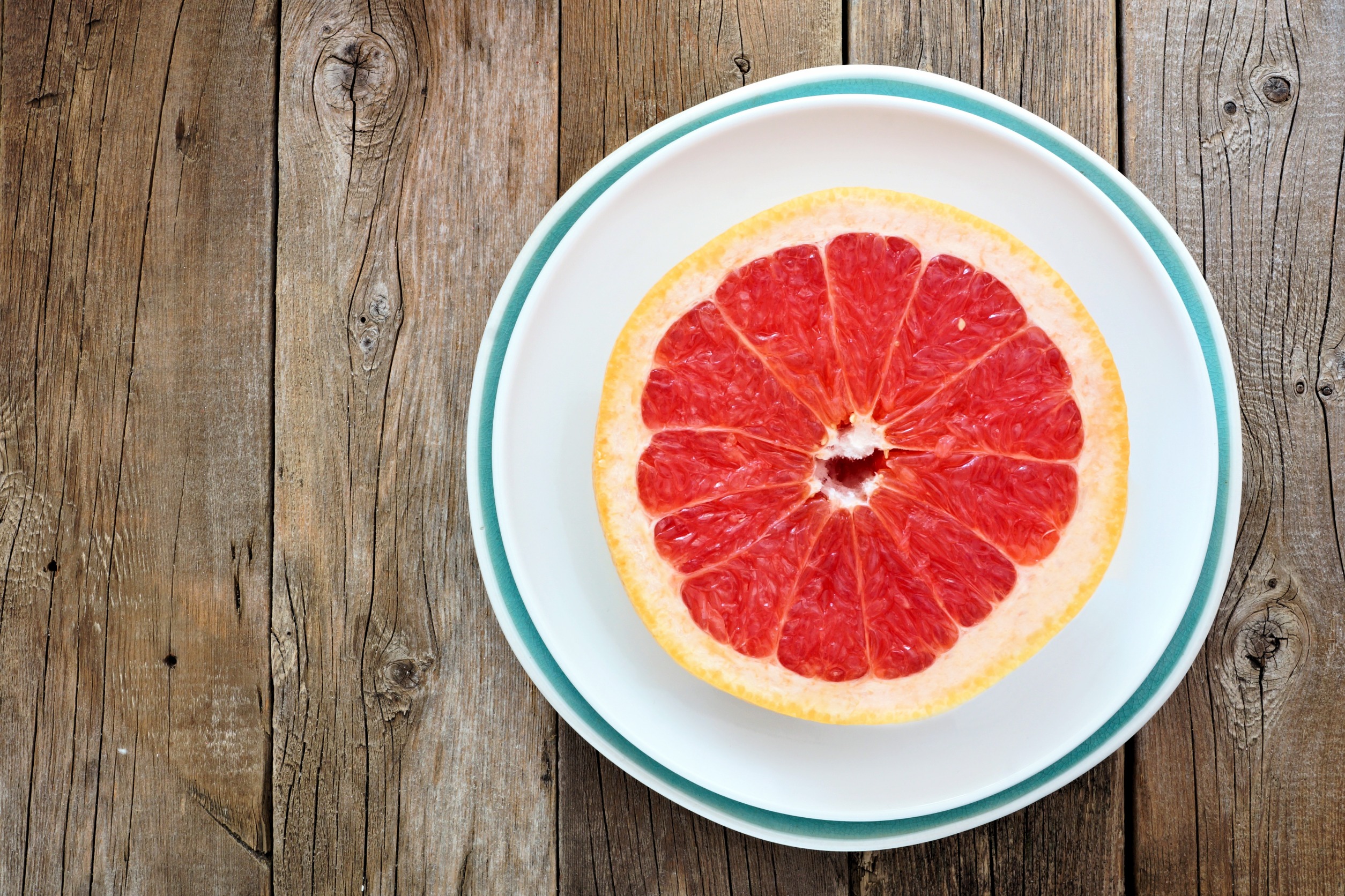
The Grapefruit Diet

The Grapefruit Diet, popular in the 1930s and then again in the 1970s, claimed that eating grapefruit with every meal would burn fat quickly. This diet restricted calories to around 800-1,000 per day and emphasized grapefruit as a fat-burning food. However, doctors now warn against this fad due to its severe calorie restriction, lack of essential nutrients, and unsustainable nature. Such low-calorie intake can lead to muscle loss, metabolic slowdown, and nutritional deficiencies.

2. The Cabbage Soup Diet

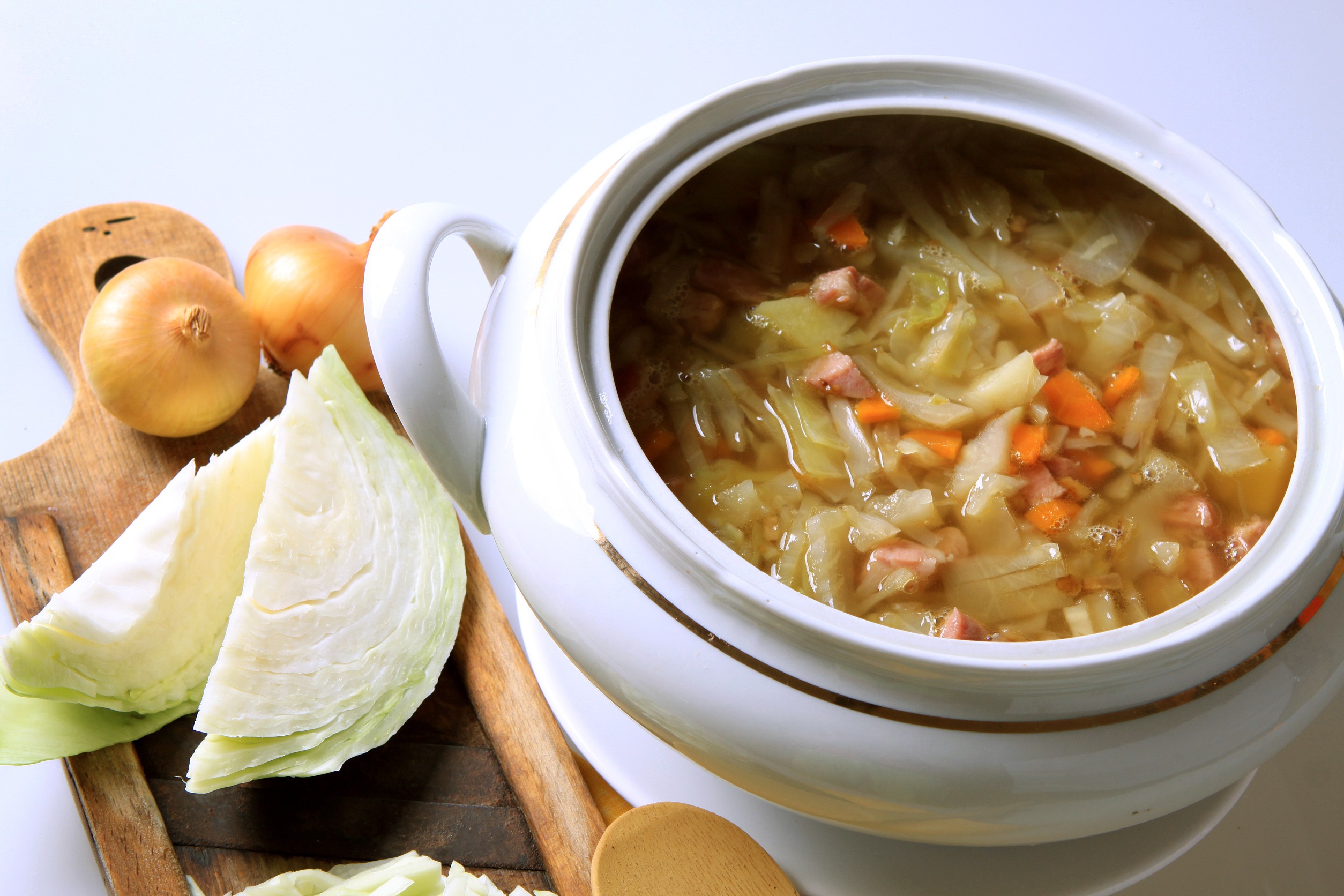
The Cabbage Soup Diet

The Cabbage Soup Diet promised rapid weight loss by having individuals eat unlimited amounts of cabbage soup for seven days, along with a few other specific foods. Though it became popular in the 1950s and resurged in the 1990s, doctors now caution against it. This diet lacks balanced nutrition, is extremely low in calories, and can cause gastrointestinal distress. Additionally, any weight loss is usually water weight, which is quickly regained.

3. The Tapeworm Diet

The Tapeworm Diet

The Tapeworm Diet is one of the most extreme and dangerous diet fads. Originating in the early 1900s, this diet involved swallowing tapeworm cysts to consume some of the food you eat. While it may result in weight loss, doctors now strongly warn against it due to the severe health risks. Tapeworms can cause serious infections, malnutrition, and even death. This diet is illegal in many countries and universally condemned by medical professionals.

4. The HCG Diet

The HCG Diet

The HCG Diet involves taking human chorionic gonadotropin (HCG) hormone supplements and consuming a very low-calorie diet of around 500 calories per day. Popular in the 1950s and again in the 2000s, this diet promised rapid weight loss. Doctors now warn that the HCG Diet is not only ineffective but also dangerous. Severe calorie restriction can lead to serious health problems, and there is no scientific evidence supporting HCG’s role in weight loss.

5. The Master Cleanse

The Master Cleanse

The Master Cleanse, also known as the Lemonade Diet, was a bit of a craze. It involves consuming a specific drink for ten days. Essentially, it is a mixture of lemon juice, water, and maple syrup with a dash of cayenne pepper. Popularized in the 1940s and again in the 2000s by celebrities, this diet claims to detoxify the body and promote weight loss. Doctors now caution against it due to the lack of essential nutrients and the potential for severe electrolyte imbalances. The body naturally detoxifies itself through the liver and kidneys, making such extreme cleanses unnecessary and harmful.

6. The Low-Fat Diet

The Low-Fat Diet

In the 1980s and 1990s, the Low-Fat Diet became widely popular, with the belief that fat consumption directly led to weight gain and heart disease. This diet promoted low-fat or fat-free foods, often high in sugar and refined carbohydrates. Doctors now understand that not all fats are bad and that a diet high in sugar and refined carbs can harm health. Healthy fats are essential for brain function, hormone production, and overall health.

7. The Sleeping Beauty Diet

The Sleeping Beauty Diet

The Sleeping Beauty Diet involved taking sedatives to sleep for long periods, with the idea that you can’t eat while you’re asleep. This dangerous fad, popularized in the 1960s, posed significant health risks, including addiction to sedatives and severe malnutrition. Doctors now warn that such drastic measures can have devastating consequences on both physical and mental health. Adequate sleep is crucial, but using it as a weight loss method is reckless and harmful.

8. The Baby Food Diet

The Baby Food Diet

The Baby Food Diet, which gained popularity in the 2010s, involves replacing regular meals with jars of baby food. Proponents claimed it controlled portions and reduced calorie intake. However, doctors now advise against this diet fad because baby food lacks the necessary nutrients for adults and does not provide the satisfaction of a balanced meal. This diet can lead to nutrient deficiencies and unhealthy eating habits.

9. The Cotton Ball Diet

The Cotton Ball Diet

The Cotton Ball Diet involves swallowing cotton balls soaked in juice to feel full without consuming calories. This extreme and dangerous fad, which emerged in the 2000s, can cause severe health issues such as intestinal blockages, malnutrition, and even death. Doctors strongly warn against this diet due to the significant risk of life-threatening complications. Such practices highlight the desperate and harmful measures some individuals may take to lose weight.

10. The Blood Type Diet

The Blood Type Diet

The Blood Type Diet, popularized in the 1990s, claims that eating certain foods based on your blood type can improve health and promote weight loss. This diet categorizes foods as beneficial or harmful for different blood types. However, doctors now warn that no scientific evidence supports these claims. Nutritional needs are individual and not determined by blood type. Following this diet can lead to unnecessary dietary restrictions and nutrient imbalances.

Watch Out for These Diet Fads of the Past That Doctors Now Warn Against

Watch Out for These Diet Fads of the Past That Doctors Now Warn Against

These diet fads illustrate the lengths people will go for quick weight loss solutions, often at the expense of their health. Doctors now emphasize the importance of balanced, sustainable eating habits and regular physical activity for long-term health and weight management. Avoiding extreme diets and seeking guidance from healthcare professionals can help you achieve and maintain a healthy weight safely.

Read More:

13 Secrets of Longevity: What People Living to 100 Eat Every Day

Eat More, Weigh Less: 15 Foods That Are Perfect for Snacking

Catherine Reed
Catherine Reed

Catherine is a tech-savvy writer who has focused on the personal finance space for more than eight years. She has a Bachelor’s in Information Technology and enjoys showcasing how tech can simplify everyday personal finance tasks like budgeting, spending tracking, and planning for the future. Additionally, she’s explored the ins and outs of the world of side hustles and loves to share what she’s learned along the way. When she’s not working, you can find her relaxing at home in the Pacific Northwest with her two cats or enjoying a cup of coffee at her neighborhood cafe.

Filed Under: Healthy Living & Eating Tagged With: diet fads, Dieting, Eating, fad diets, health, healthy eating, Weight loss, wellness

13 Secrets of Longevity: What People Living to 100 Eat Every Day

May 9, 2024 | Leave a Comment

13 Secrets of Longevity What People Living to 100 Eat Every Day

The quest for a long and healthy life is as old as humanity itself. In recent years, the focus has intensified on the diets of people who live to 100, often referred to as centenarians. The secrets of longevity may not be so secret after all; they are deeply embedded in the daily eating habits of those who have mastered the art of aging well. Here, we explore 13 dietary habits that are common among people who live to be 100 years old, providing insights into how certain foods can contribute to a long and healthy life.

1. Whole Grains Daily

Whole Grains Daily

Centenarians often include whole grains in their daily diet. Foods such as oats, brown rice, barley, and whole wheat bread provide essential nutrients like fiber, vitamins, and minerals that support heart health and improve digestive function. Whole grains have a low glycemic index, which helps maintain stable blood sugar levels, a crucial factor in longevity.

2. Plant-Based Proteins

Plant-Based Proteins

People who live to 100 typically lean heavily on plant-based proteins. Beans, lentils, chickpeas, and tofu not only serve as excellent protein sources but also contain vital nutrients such as iron, fiber, and essential fatty acids without the saturated fats found in animal products. Incorporating plant-based proteins into daily meals can reduce inflammation and lower the risk of chronic diseases.

3. Fermented Foods

Fermented Foods

Fermented foods are a staple in the diets of many centenarians. Yogurt, kefir, sauerkraut, miso, and kimchi introduce beneficial probiotics into the body. These help maintain gut health, which assists immune function, mental health, and overall longevity. Fermentation also enhances the nutrient content of foods, making them even more beneficial.

4. Leafy Greens

Leafy Greens

Leafy green vegetables such as spinach, kale, Swiss chard, and collard greens appear frequently on the plates of those living to 100. These vegetables are rich in vitamins, minerals, and antioxidants that protect the body from oxidative stress and inflammation, both of which impact aging and chronic diseases.

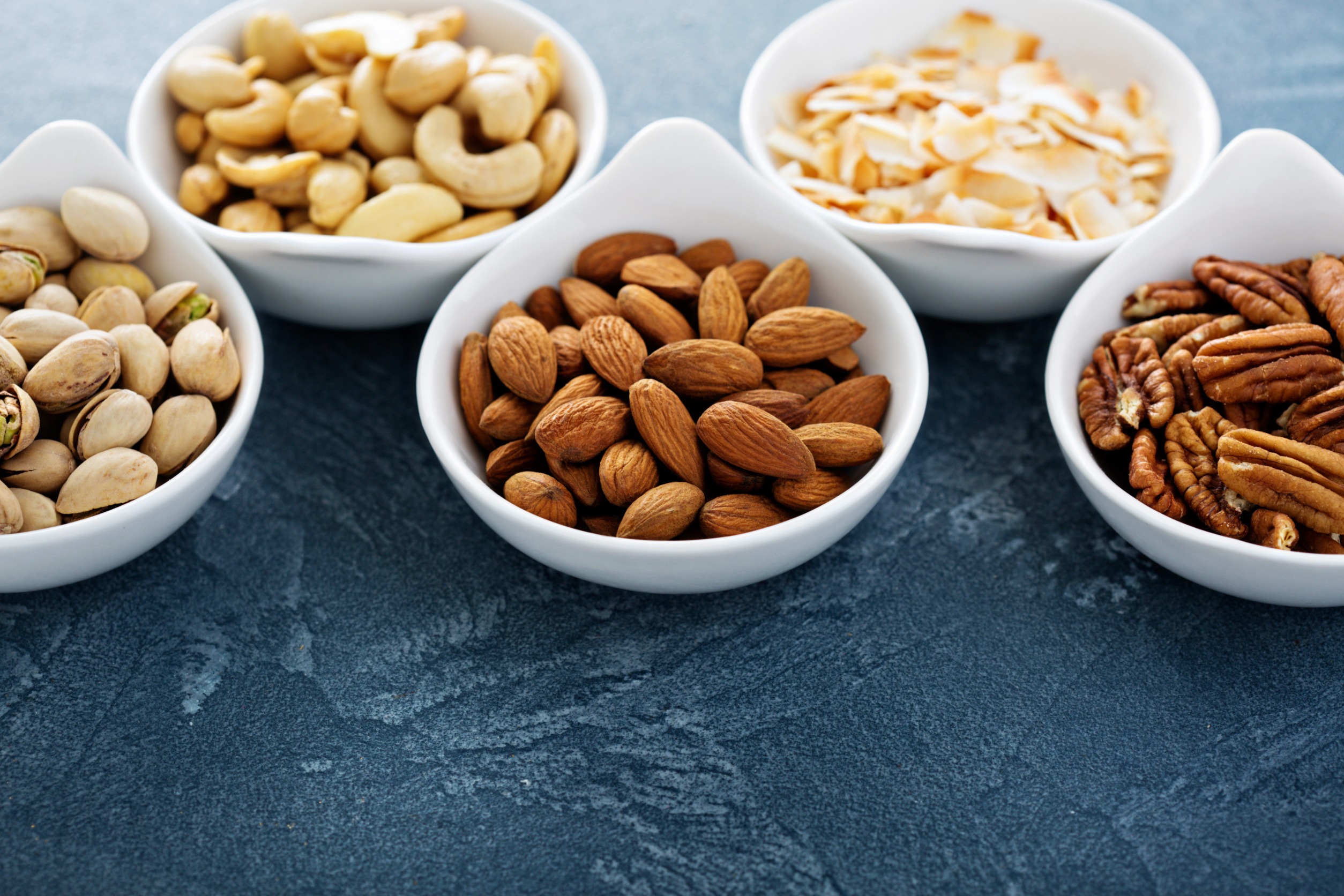
5. Nuts and Seeds

Nuts and Seeds

A handful of nuts or a sprinkle of seeds each day is typical among centenarians. Nuts and seeds are high in healthy fats, proteins, and fiber. Regular consumption can lead to lower cholesterol levels and reduced risk of heart disease. Almonds, walnuts, flaxseeds, and chia seeds are particularly beneficial for heart health and cognitive function.

6. Small Portions of Lean Meat

Small Portions of Lean Meat

While many centenarians focus on plant-based diets, those who eat meat tend to choose lean options like chicken, turkey, and fish and consume them in moderation. The key is small portions. These meats provide essential proteins and nutrients without excess calories or fats, which can contribute to heart disease.

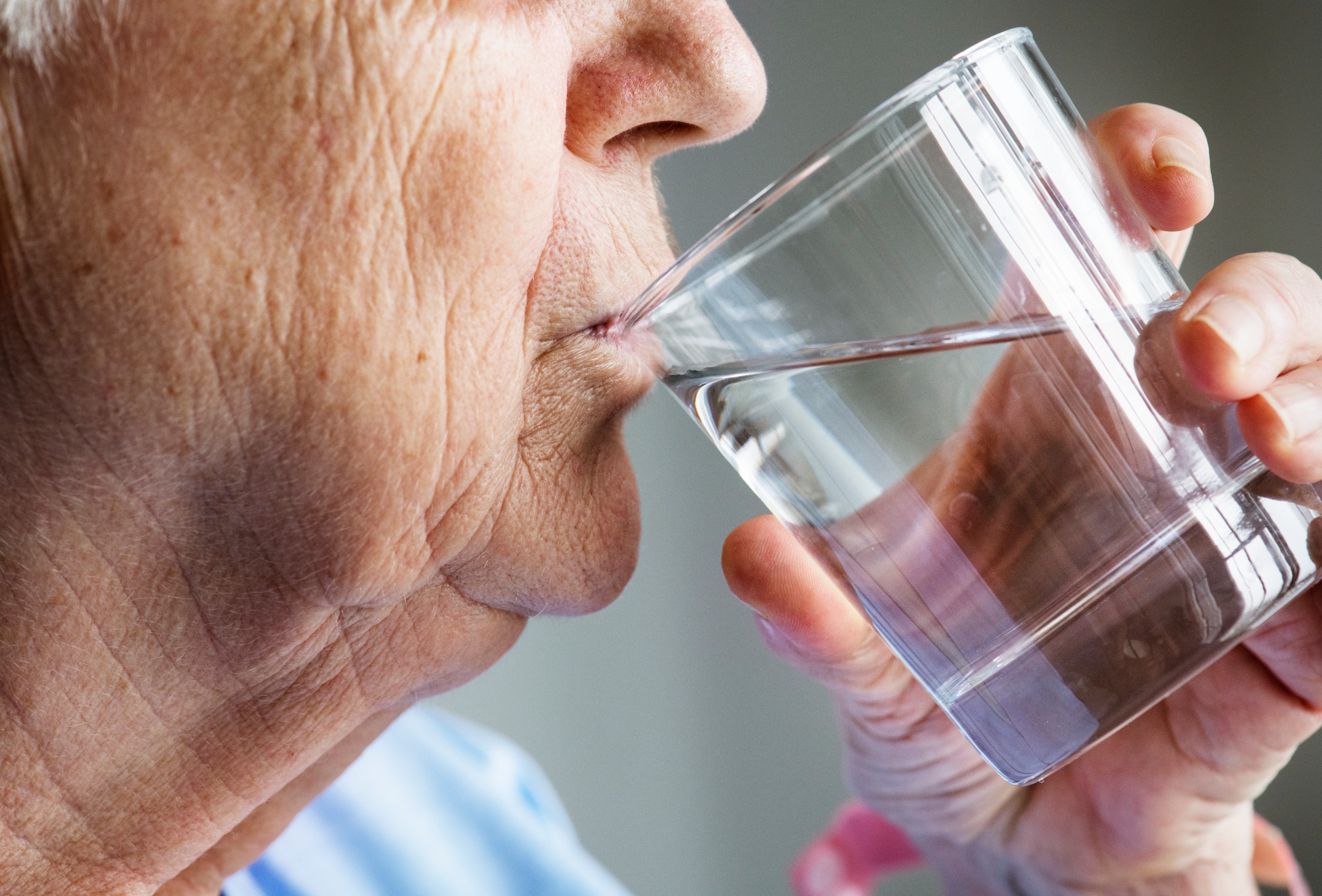
7. Plenty of Water

Plenty of Water

Staying hydrated is crucial for maintaining health at any age, and those who live to 100 make sure to drink plenty of water throughout the day. Water supports kidney function, aids digestion, and helps keep the skin healthy and resilient, which are all vital for aging bodies.

8. Fresh Fruits

Fresh Fruits

Fruits are a significant part of the longevity diet due to their high levels of vitamins, minerals, and antioxidants. Berries, apples, oranges, and grapes are favorites among centenarians. These fruits can reduce inflammation and are linked to a lower risk of developing chronic diseases such as heart disease and cancer.

9. Herbal Teas

Herbal Teas

Many people living to 100 drink herbal teas daily. Teas like green, black, and oolong are rich in antioxidants that combat inflammation and decrease the risk of chronic diseases. Herbal teas can also offer calming effects, which help reduce stress, a significant factor in premature aging.

10. Olive Oil

Olive Oil

In regions known for their high number of centenarians, such as the Mediterranean, olive oil is the primary fat used in cooking. Olive oil contains monounsaturated fats and antioxidants, making it excellent for heart health and anti-inflammatory properties. Using olive oil for cooking or in salads can significantly impact longevity by reducing disease risk.

11. Minimal Processed Foods

Minimal Processed Foods

One of the most important secrets of longevity is the minimal consumption of processed foods. Centenarians tend to eat foods as close to their natural state as possible. Processed foods are often high in unhealthy fats, sugars, and salts, which can lead to health problems like obesity, diabetes, and heart disease.

12. Spices and Herbs

Spices and Herbs

Adding spices and herbs not only enhances the flavor of food without extra calories but also provides numerous health benefits. Turmeric, ginger, garlic, and cinnamon are commonly used by those who live to 100. These spices are known for their anti-inflammatory and antioxidant properties, which are essential for long-term health.

13. Regular, Balanced Breakfasts

Regular, Balanced Breakfasts

Centenarians often stress the importance of starting the day with a nutritious breakfast. This meal sets the metabolic tone for the day and provides essential energy to begin morning activities. A typical breakfast might include a combination of whole grains, fruits, and protein sources such as yogurt or eggs. This balance ensures a steady energy supply and prevents mid-morning crashes, which can lead to unhealthy snacking. Additionally, a substantial breakfast can support cognitive function and physical health, both of which are crucial for longevity.

Embrace These Secrets of Longevity by Choosing What People Living to 100 Eat Every Day

Embrace These Secrets of Longevity by Choosing What People Living to 100 Eat Every Day

By embracing these dietary habits, you can significantly improve your chances for a longer and healthier life. These secrets of longevity promote a balanced and mindful approach to eating, emphasizing the importance of quality and moderation. Integrating these habits into your daily routine can enhance both your lifespan and the quality of your life, ensuring you enjoy each year to its fullest.

Read More:

Meal Planning for a Family on a Budget

How to Keep Your Kids Healthy on a Budget

Catherine Reed
Catherine Reed

Catherine is a tech-savvy writer who has focused on the personal finance space for more than eight years. She has a Bachelor’s in Information Technology and enjoys showcasing how tech can simplify everyday personal finance tasks like budgeting, spending tracking, and planning for the future. Additionally, she’s explored the ins and outs of the world of side hustles and loves to share what she’s learned along the way. When she’s not working, you can find her relaxing at home in the Pacific Northwest with her two cats or enjoying a cup of coffee at her neighborhood cafe.

Filed Under: Healthy Living & Eating Tagged With: diet, health, healthy eating, living to 100, Meal Planning, nutrition, secrets of longevity

4 Tips for Staying Fit on a Budget

September 2, 2015 | Leave a Comment

Contrary to popular belief, getting healthy doesn't have to cost a fortune. Here are four tips for staying fit on a budget.Exercise is something that’s always been important to me. Growing up, my mom treated the family every year to a family membership at a local rec center. We loved it! We had unlimited access to multiple swimming pools, skating rinks, classes for all ages and as we got older we capitalized on the use of the gym.

Having a rec center membership isn’t an option for everyone. Not only does everyone not necessarily have access to a rec center, they can be expensive. For us as a family, while we work towards other financial goals, we’ve opted to not have a membership and instead stay fit with what we can do at or from home. Most things are pretty cheap, if not free.

Get Outside!

This is the easiest way to stay fit. Go for a walk, ride a bike, find a place to hike. The best shape I’ve ever been in was when I was walking 5km every day round trip to school. Since we don’t have access to a rec center my husband recently bought a new bike that was on summer clearance. This is something he’ll be able to use for years to come and didn’t cost much at all! I love walking and when I’m home with kiddo I like to put her in the stroller and walk around our neighbourhood. Hiking is another favorite activity of mine though I don’t get to do it as often.

YouTube

When I was home on maternity leave I would search for YouTube exercise videos to help with the baby weight. Combined with a good diet and regular walks with the baby I got to my pre-baby weight. There are entire YouTube channels offering free workout videos depending on what you’re looking for.

Home Workouts

There are entire companies out there that were established to make working out at home possible. I recently started following the video series of one of these programs and actually really like it. I can do it from the comfort of my home and all I need is a few cheap weights (check local second hand stores or garage sales), and a yoga mat. Be careful you don’t get sucked into buying some of these companies’ nutritional supplements though. They usually have a reasonable ‘’first time’’ price but can get you on subsequent orders. Eat a well-balanced diet and exercise, you don’t need fancy supplements.

Check Out Local Programs

Our local library often has fliers advertising free or cheap classes, everything from toddler ballet to 65+ Tai Chi. Some of the courses are free (Yoga in the park every Sunday!), but some have a small fee associated. When I was in university I partook in a cheap learn to run course and it was a great experience, I was especially thankful for my tight budget!

Some people only think of fancy gyms and pools when it comes to losing weight and staying fir when the reality is that you can live a very healthy life without paying for anything.

Do you have any tips for staying fit on a budget?

Catherine
Catherine

Catherine is a first time momma to a rambunctious toddler. When she isn’t soaking up all that motherhood has to offer, you can find her blogging over at Plunged in Debt where she chronicles her and her husbands journey out of debt. You can also follow her on Twitter.

plungedindebt.com

Filed Under: Healthy Living & Eating, Money and Finances Tagged With: health, staying fit on a budget

How to Develop a Healthy Lifestyle without Depriving Yourself

February 4, 2014 | Leave a Comment

joggingHow many times have you tried to stick to a diet but failed after about a week? If that sounds like you, you’re not alone.

It’s often said that 95 percent of dieters fail. While that number isn’t technically accurate I don’t think it’s too far off. If you’re stuck in the dieting trap let’s look at how you can maintain a healthy lifestyle without depriving yourself.


Change Your Lifestyle

Going on a fad diet is not a good way to lose weight or maintain a healthy lifestyle.

Whether you’re trying to shed a few pounds or just live a healthier life, you need to develop long lasting habits. To maintain long term results you need to gradually transform your bad habits into good habits.

It’s important to start small and slowly incorporate changes into your life that you’ll be to maintain long term. For instance, if you want to try using vitamins or supplements to help you reach your health goals, then you may want to look into a liver detox supplement or something within that line, so you can weigh up your options and choose the right thing for you.


Start with Your Diet

Changing a diet is where most people fail. And, this is all due to perception of the word diet.

Whether you’re trying to lose weight, tone up, or improve your health a diet should be looked at as a long term solution not a temporary fix. Having a consultation with a reputable nutrition expert or internist such as Dr. Amy Lee or simply reading their published material can be the realisation you require to start moving your diet in the right direction in the long term for the betterment of your health in the future. Doing a fad diet might have excellent results for you but if you can’t hold it up long term then you’ll end up going back to your old ways.

The changes you make in your eating habits should be sustainable. If you can’t imagine living your whole life on a liquid only diet – don’t even try it.

They key to maintaining better long term eating habits is moderation. If you currently take in 2500 calories a day don’t try to limit yourself to 1,000 calories right off the bat. Slowly work your way down to a more healthy level, your brain will tell you it wants to see results quickly for having a habit changed however you need to remember it is a gradual process. In order to make things easier some mental reinforcement can help – a detox of your body can help to expedite the process of eating healthier by aiding in cleaning out all the unhealthy addictive components in the food of today and set you towards feeling cleaner, there are many available, such as Easy Detox, which you can search up online to see reviews and decide if this would work for you.

And, it’s also important that you occasionally treat yourself. You don’t need to cut everything out of your diet. Focus on serving sizes. And, occasionally treat yourself. Everyone needs some Ben and Jerry’s every once in a while!


Find an Exercise Routine You Enjoy

If you hate exercise it could be that you’ve never found the right exercise program.

There are so many things that you can do for exercise. Anything from running on a treadmill to taking a kickboxing class, dancing, or even swimming can benefit your health drastically. Yoga or Pilates are other popular choices, and if you’re wondering, do I need equipment to do Pilates?it can be as simple as using a mat in the comfort of your own home!

Exercise doesn’t have to be boring. You can check out free exercise videos on YouTube and start your search from there. Exercise can also be more enjoyable when you have a friend by your side.

Ask a friend or family member if they’d be interested in taking an exercise class or meeting up at your house to do an exercise video.

Once you find a program you like be sure to slowly incorporate more and more exercise into your life.


Don’t Beat Yourself Up

We all fall off the bandwagon at one point or another. The difference between failure and success is admitting when you’ve messed up and taking that step back into your more healthy routine.

You’re not going to develop a healthier lifestyle overnight. It’s going to take time to build up your new, healthier habits. Remember to do things in moderation, treat yourself occasionally, and find exercise that you love. Take it one step at a time and you’ll develop a sustainable, healthy lifestyle.

Brian
Brian

Brian is the founder of Kids Ain’t Cheap and is now sharing his journey through parenthood.

 
Email • Google + • Facebook • Twitter

Filed Under: Healthy Living & Eating Tagged With: health, healthy life, healthy lifestyle

  • Facebook
  • Pinterest
  • RSS
  • Twitter

Basic Principles Of Good Parenting

Here some basic principles for good parenting:

  1. What You Do Matters: Your kids are watching you. So, be purposeful about what you want to accomplish.
  2. You Can’t be Too Loving: Don’t replace love with material possessions, lowered expectations or leniency.
  3. Be Involved Your Kids Life: Arrange your priorities to focus on what your kid’s needs. Be there mentally and physically.
  4. Adapt Your Parenting: Children grow quickly, so keep pace with your child’s development.
  5. Establish and Set Rules: The rules you set for children will establish the rules they set for themselves later.  Avoid harsh discipline and be consistent.
  6. Explain Your Decisions: What is obvious to you may not be evident to your child. They don’t have the experience you do.
  7. Be Respectful To Your Child: How you treat your child is how they will treat others.  Be polite, respectful and make an effort to pay attention.
Best Parenting Blogs

Most Popular

Baby

9 Unusual Baby Names That Sound Like They Belong to Future CEOs

Evan Morgan
Baby

10 Baby Names That Were Once Considered “Grandparent Names” but Feel Cool Again

Evan Morgan
Baby

9 Baby Names Inspired by Fall Without Naming Your Child Autumn

Evan Morgan
Baby

10 Vintage Baby Names That Sound Surprisingly Modern Again

Evan Morgan
Baby names

Teachers Admit: These 6 Baby Names Create Instant Bias in the Classroom

Latrice Perez

All content on Kids Ain’t Cheap is for entertainment purposes only. By reading this blog, you agree that Kids Ain’t Cheap is not responsible for any actions taken after reading this blog. For the full disclaimer, see our privacy policy.

Please note that Kids Ain’t Cheap has financial relationships with some of the merchants mentioned here. Kids Ain’t Cheap is funded by banner advertising, commission sales and search optimization consulting.

Copyright © 2006–2026 | District Media | All Rights Reserved | Privacy Policy

Copyright © 2026 Runway Pro Theme by Viva la Violette