• Home
  • About Us
  • Toolkit
  • Archives
  • Advertise
  • Privacy Policy

Kids Ain't Cheap

But They Sure Are Worth It

  • Parenting
    • Baby Stuff
    • Books and Reading
      • Aesops Fables
      • Comic Books
    • Education
    • Family Time
    • Green Living
    • Growing Up
    • Healthy Living & Eating
    • Holidays
    • Parenting
    • Random Musings
    • Shopping
    • Stuff to Do
  • Money
  • Product Reviews
    • Books and Magazines
    • Discount Sites
    • Furniture
    • House Keeping
    • Reviews News
    • Toys and Games
  • Contact Us
  • Our Editorial Commitment
  • Search

7 “Cheap” Kids’ Activities That Can Become Surprisingly Expensive

September 21, 2026 | Leave a Comment

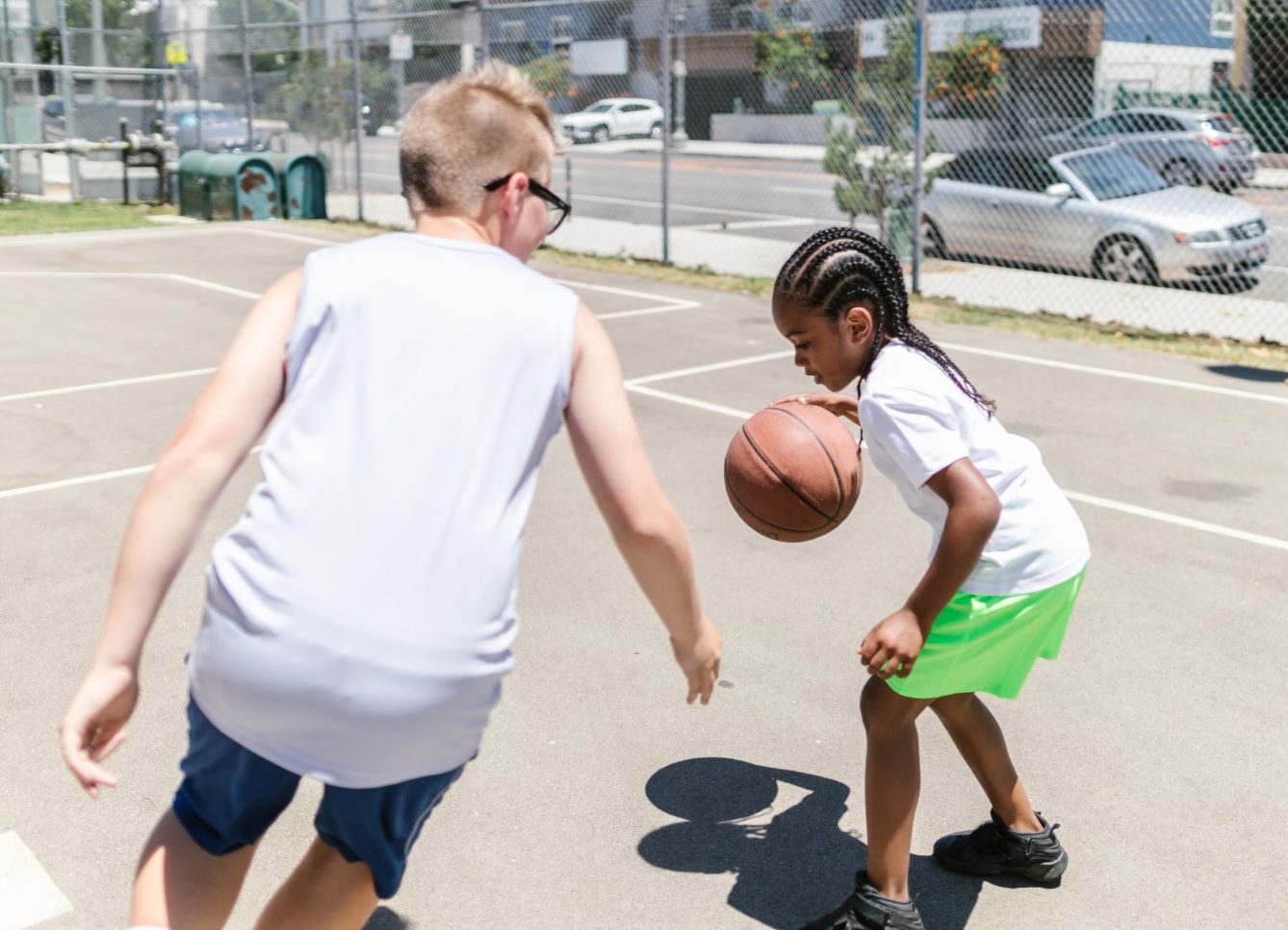
Kids Playing Basketball
Activities that look inexpensive at signup can become costly once families add equipment, supplies, travel, costumes, and recurring fees. Asking for the full annual cost upfront can help parents avoid budget surprises. (Pexels).

Parents are always looking for cheap kids’ activities that keep children busy without wrecking the household budget. The problem is that an activity advertised as free, inexpensive, or just a few dollars can carry costs that do not appear until later. Equipment, uniforms, transportation, supplies, tickets, and upgrades can transform an affordable pastime into a recurring expense. A $20 registration fee matters less than what a family ultimately spends over six or nine months. Before signing up, parents should calculate the full-season cost rather than focusing only on the advertised price.

1. Recreational Sports Can Become A Four-Figure Commitment

A neighborhood soccer or basketball league may look inexpensive until equipment, uniforms, tournaments, camps, and travel enter the picture. The Aspen Institute’s Project Play research found that families spent an average of $1,016 on a child’s primary sport in 2024, up 46% from 2019. Spending on that child’s additional sports averaged another $475, pushing total annual spending close to $1,500. A $125 league registration can therefore be a poor estimate of what the season will actually cost. Ask coaches about required equipment, tournaments, travel, private instruction, and future team fees before registering.

2. Dance Lessons Have Costs Beyond Tuition

Dance is another classic example of activities becoming more expensive as children progress. One real-world example comes from Generation Dance Company’s 2025–2026 pricing, where one weekly class costs $50 per month during its nine-month season. However, the studio also lists a $70 costume fee per class and recital tickets costing roughly $17 to $20 each. Add dance shoes, tights, leotards, photos, and transportation, and a family can easily spend hundreds beyond the advertised tuition. Parents should request an all-in estimate that includes costumes and performances before committing to a season.

3. Music Lessons May Lead To An Instrument Upgrade

Learning guitar, piano, or drums can start simply, especially when a child borrows or rents an instrument. But ongoing instruction can quickly become the biggest expense, with School of Rock Arlington listing 30-minute lessons at $220 per month. A child who sticks with music may eventually need a better instrument, replacement strings, reeds, books, accessories, repairs, or performance fees. At $220 monthly, nine months of lessons alone would total $1,980 before buying any equipment. Before purchasing an expensive instrument, ask whether rentals, used equipment, group lessons, or shorter trial programs are available.

4. “Free” Craft Projects Still Require Supplies

Crafting sounds like one of the safest cheap activities because families can often find free tutorials and classes. Yet free instruction does not necessarily mean free participation, particularly when every project requires another set of materials. For example, a Michaels Kids Club class is listed as free online, but the page lists seven suggested supply items totaling $66.93. Families who already own beads, glue, pipe cleaners, and other materials would spend much less, which makes checking the supply list important. Build a reusable craft box, substitute materials already at home, and avoid treating every project as a shopping trip.

5. Summer Day Camp Adds Up By The Week

A reasonably priced day camp can sound like a bargain when compared with overnight camp or full-time child care. According to Care.com’s updated 2026 camp cost guide, average U.S. day-camp fees run approximately $73 to $87 per day, based on American Camp Association figures. At $80 per day, five days cost $400, while six weeks would reach $2,400 before transportation, extended care, lunches, or activity fees. That makes camp one of those cheap kids’ activities where the length of participation matters as much as the daily price. Compare weekly rates, sibling discounts, financial aid, cancellation policies, and before or after-care charges before reserving multiple weeks.

6. Zoo Trips Can Encourage Extra Spending

A zoo outing may begin with admission, but food, souvenirs, parking, special attractions, and repeat visits can change the math. The Houston Zoo’s current membership page lists its family membership at $239 per year for two adults and up to three children and says membership can pay for itself in as few as two visits. That does not automatically make a membership worthwhile because separately ticketed events and discretionary purchases may still cost extra. Families should compare the membership price with what they realistically expect to spend on individual visits rather than assuming unlimited admission guarantees savings. Bringing permitted essentials and setting a souvenir budget can also prevent a modest outing from becoming an expensive day.

7. Scouting Can Carry Costs Beyond Registration

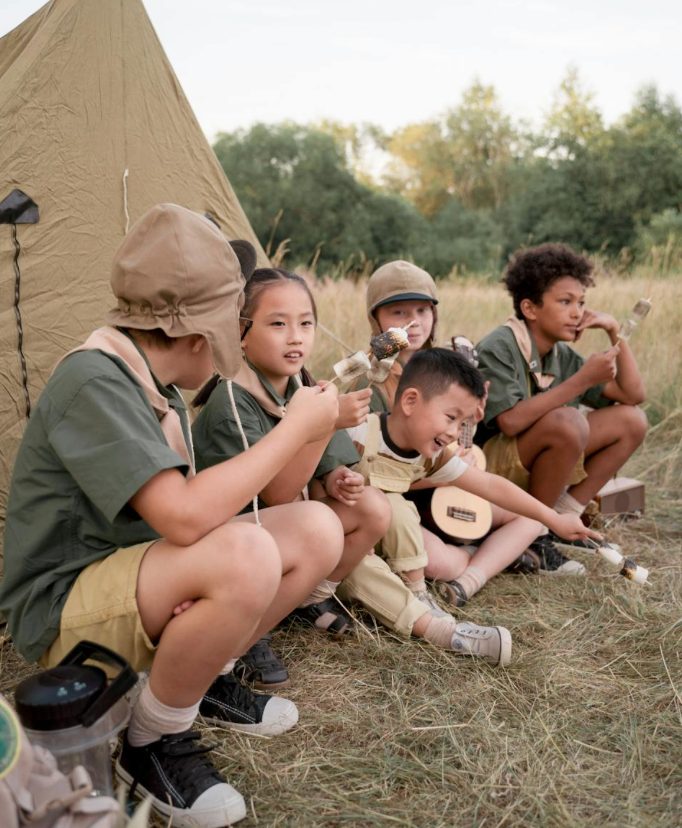
Scouting can provide outdoor activities, skill-building, and social experiences for what initially appears to be a manageable enrollment fee. However, local dues, uniforms, camping gear, trips, and activity charges can raise the actual annual cost. One Houston-area Scouting America Cub Scout pack listing currently shows a $91 cost to join plus $100 in unit dues, while noting that fundraising helps cover expenses. That means the listed starting cost is already $191 before considering camping equipment or other activities. Ask specifically what families typically spend during an entire year and whether used uniforms, shared gear, scholarships, or fundraising credits are available.

The Cheapest Price Is Not Always The Real Price

The common thread behind these activities is that the headline price rarely tells the whole financial story. Parents can protect their budgets by asking for a written list of mandatory and optional expenses before their child becomes committed to an activity. For example, three activities that appear to cost $50 each could eventually consume $1,000 or more once equipment, performances, transportation, and recurring fees accumulate. Setting an annual activities budget also makes it easier to decide which extras genuinely add value for the child.

Which supposedly inexpensive kids’ activity has surprised you most with hidden costs, and what would you warn other parents about? Share your experience in the comments.

What to Read Next

Youth Sports Cost Families $1,016 a Year on Average — 8 Expenses New Parents Don’t Expect

The New Pay-to-Play Rules in Youth Sports That Are Ruining the Game

8 After-School Activities That Can Cost Far More Than Parents Expect

Evan Morgan

Evan Morgan has been a full-time freelance writer and editor for 10+ years. When not working, he enjoys catching the latest true crime documentary or getting lost in a good book.

Filed Under: Parenting Tagged With: cheap kids activities, dance lessons, Family Budget, family finances, kids activities, Parenting, Saving Money, Summer Camp, youth sports

Your Child’s Social Life May Be One of the Most Expensive Parts of Parenting

September 18, 2026 | Leave a Comment

Teens At The Mall
Birthday parties, extracurricular activities, gifts, meals and transportation can turn a child’s busy social calendar into a four-figure annual expense. Setting a dedicated social budget can help families protect both friendships and household finances. (Pexels).

Your child’s social calendar may look harmless one event at a time: a birthday party Saturday, soccer practice Tuesday, a movie with friends Friday. But add registration fees, gifts, uniforms, restaurant meals, rides, clothes and last-minute spending, and the cost of kids’ social activities can quietly become a serious household expense. Unlike rent or groceries, these costs are unpredictable, which makes them particularly difficult to budget for. Parents may also feel pressure to say yes because turning down an invitation can feel like limiting a child’s friendships. The challenge is finding a way to support a healthy social life without allowing social spending to control the family budget.

Social Spending Is Bigger Than It Looks

The cost of kids’ social activities extends far beyond admission prices and activity fees. Deloitte’s 2025 Back-to-School Survey found that 90% of surveyed parents planned to enroll their children in extracurricular activities, with average planned spending of $532 per child on fees and equipment. Meanwhile, an April 2026 LendingTree survey found that 55% of parents with children under 18 spend at least $1,000 per month on child-related expenses overall, while 82% said raising children had become more expensive during the previous year. Extracurriculars alone were named the biggest financial strain by 9% of respondents, behind education savings and food. Those figures help explain why expenses that individually seem manageable can become painful when they repeatedly hit the same monthly budget.

The Hidden Costs Can Hurt Most

A $150 sports registration fee rarely tells parents what a season will actually cost because equipment, uniforms, tournament travel, meals and team events can follow. The same applies to dance, theater, clubs, and birthday parties, where photos, costumes, gifts or transportation may effectively become part of the price of participation. Consider a family spending $532 on one child’s extracurriculars, plus eight $30 birthday gifts, four $25 social outings and $300 for extra clothing, transportation and meals: that is $1,172 before an expensive trip or summer program appears. The pressure is real, as a 2024 LendingTree parenting survey found that 45% of parents overall had felt a need to overspend on their children to keep up with other parents or peers. A useful budgeting question, therefore, is not simply “Can we afford the registration?” but “What will saying yes probably cost us from beginning to end?”

Friendship Has Value But Spending Has Limits

Cutting every social expense is not necessarily the answer because friendships themselves can play an important developmental role. A systematic review published in BMC Public Health examined 43 studies and found that better friendship quality was generally associated with favorable measures including life satisfaction, happiness, self-esteem, and lower loneliness, although much of the evidence was cross-sectional and does not prove causation. That distinction matters because paying for more activities does not automatically create better friendships. Parents can support relationships through inexpensive opportunities such as neighborhood get-togethers, library programs, school clubs, home movie nights and shared outdoor activities. Managing the cost of kids’ social activities should therefore focus on preserving meaningful connections rather than trying to purchase every available social opportunity.

Summer Can Create Another Spending Surge

The school year is not the only time social and activity costs can strain a family budget. A 2025 LendingTree summer survey found parents who required summer child care spent an average of $893 per child on activities and care, while 66% said they struggled to afford those expenses. Nearly half, 48%, said they cut nonessential spending such as dining and entertainment to compensate, while 19% reduced spending on essentials including groceries or utilities. Summer camps can provide child care, friendship and enrichment simultaneously, but families should separate expenses they truly need for work coverage from optional programs driven mainly by social pressure. Asking about sibling discounts, scholarships, early registration rates, community recreation programs, and used equipment can reduce the cost of kids’ social activities without automatically removing the experience.

The Goal Is Connection Not Keeping Up

Parents do not need to choose between financial stability and giving children a meaningful social life. The smarter approach is recognizing the cost of kids’ social activities as a genuine budget category instead of treating every invitation, registration and outing as an isolated surprise. Decide what your family can comfortably spend, talk openly with older children about tradeoffs, and reserve money for the experiences they value most. Children can still build friendships and memorable experiences without attending every party, joining every travel team or matching what another family spends.

Where would you draw the line when supporting your child’s social life starts competing with your family’s financial goals, and have you found a strategy that works? Share your experience in the comments.

What to Read Next

Are Family Photo Days Becoming Another Expensive Parenting Obligation?

Some Parents Are Spending Nearly $1,000 Getting One Child Back to School

The Grandparent Spending Problem: What to Do When They Keep Buying Your Kids Everything

Evan Morgan

Evan Morgan has been a full-time freelance writer and editor for 10+ years. When not working, he enjoys catching the latest true crime documentary or getting lost in a good book.

Filed Under: Parenting Tagged With: children, extracurricular activities, Family Budget, family finances, kids activities, Parenting, parenting costs, Saving Money, social activities

8 After-School Activities That Can Cost Far More Than Parents Expect

September 15, 2026 | Leave a Comment

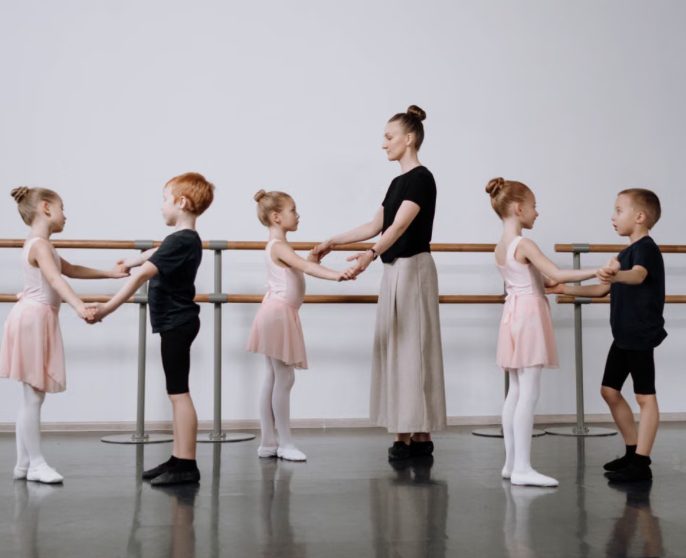
Dance Lessons
Sports, dance, tutoring, music, and other after-school programs can cost much more than their advertised registration fees. Parents should calculate equipment, travel, lessons, and other extras before committing. (Pexels).

After-school activities can help kids build confidence, friendships, discipline, and skills that extend well beyond the classroom. But an activity that looks affordable on a registration page can become surprisingly expensive once parents add equipment, uniforms, travel, private instruction, and event fees. Recent research from the Aspen Institute found that the average sports family spent $1,016 on a child’s primary sport in 2024, up 46% from 2019. Understanding after-school activity costs before signing up can prevent an exciting opportunity from turning into a financial strain.

1. Travel And Club Sports

Youth sports can become particularly expensive when a child moves from a recreational league to a competitive club or travel team. Registration may be only the beginning, with families also paying for uniforms, equipment, tournament admission, hotels, meals, and transportation. Aspen Institute research estimates families spent nearly $1,500 annually on one child’s combined sports experiences in 2024, on average. Families with teenagers in competitive club programs can spend considerably more, especially when overnight travel becomes routine. Before accepting a roster spot, request an estimated full-season budget rather than focusing solely on registration.

2. Competitive Dance

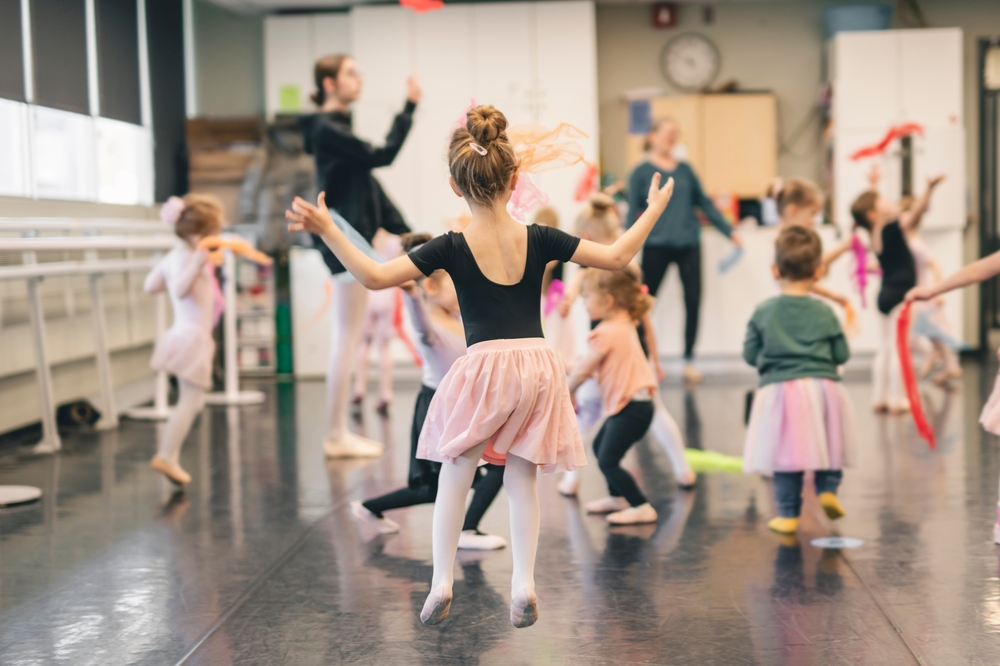
Weekly dance lessons may initially appear manageable, but competitive programs introduce expenses that basic recreational classes often do not. Kids’ group dance classes typically run about $60 to $200 per month, according to Lessons.com, before considering other expenses. Costumes, shoes, recital fees, competition entry fees, photographs, makeup, and travel can increase after-school activity costs considerably. A dancer taking several styles, such as ballet, jazz, and hip-hop, may also need separate clothing and footwear for each. Parents should ask studios for last season’s typical all-in spending before committing.

3. Private Music Lessons

Learning piano, violin, guitar, or another instrument can become a long-term investment rather than a simple weekly expense. Beyond lessons, families may need an instrument, maintenance, sheet music, accessories, recital clothing, and performance fees. Renting an instrument can reduce the initial hit, but recurring rental payments can accumulate over several school years. Advanced students may eventually want longer lessons, specialized instructors, or higher-quality instruments, increasing after-school activity costs again. Ask instructors what expenses students typically encounter as they progress over the next two or three years.

4. Academic Tutoring And Test Prep

Tutoring can start as occasional homework assistance and quickly become a significant monthly bill when sessions occur every week. Care.com reported average posted starting rates around $24 an hour for elementary, middle, and high school tutors in its September 2025 data. Specialized private tutors can charge considerably more, while SAT and ACT preparation may start around $100 per hour. Two $50 sessions each week, for example, would cost roughly $400 during a four-week month. Families can control after-school activity costs by investigating school-based tutoring, group sessions, and online alternatives first.

5. Robotics And STEM Teams

Robotics can give students valuable hands-on experience with engineering, coding, problem-solving, and teamwork, but sophisticated programs require real resources. FIRST lists its current FIRST Robotics Competition season registration at $6,500 per team, illustrating the scale of funding advanced teams may need. Schools and sponsors frequently absorb much of that expense, yet families could still encounter team dues, travel, meals, apparel, and fundraising expectations. National competitions can create additional transportation and lodging expenses if a team advances. Parents should ask exactly which expenses the school, sponsors, and participating families are expected to cover.

6. Martial Arts

The advertised monthly tuition for karate, taekwondo, judo, or another martial art may not represent the complete financial commitment. Uniforms, protective equipment, belt-testing fees, tournament entries, association memberships, and private lessons can appear as students advance. A child who becomes serious about competition may also require specialized gear and travel to regional events. That makes it important to distinguish required expenses from optional upgrades before joining a school. When comparing programs, request a written annual estimate covering tuition, testing, uniforms, and competitions.

7. Scouting Programs

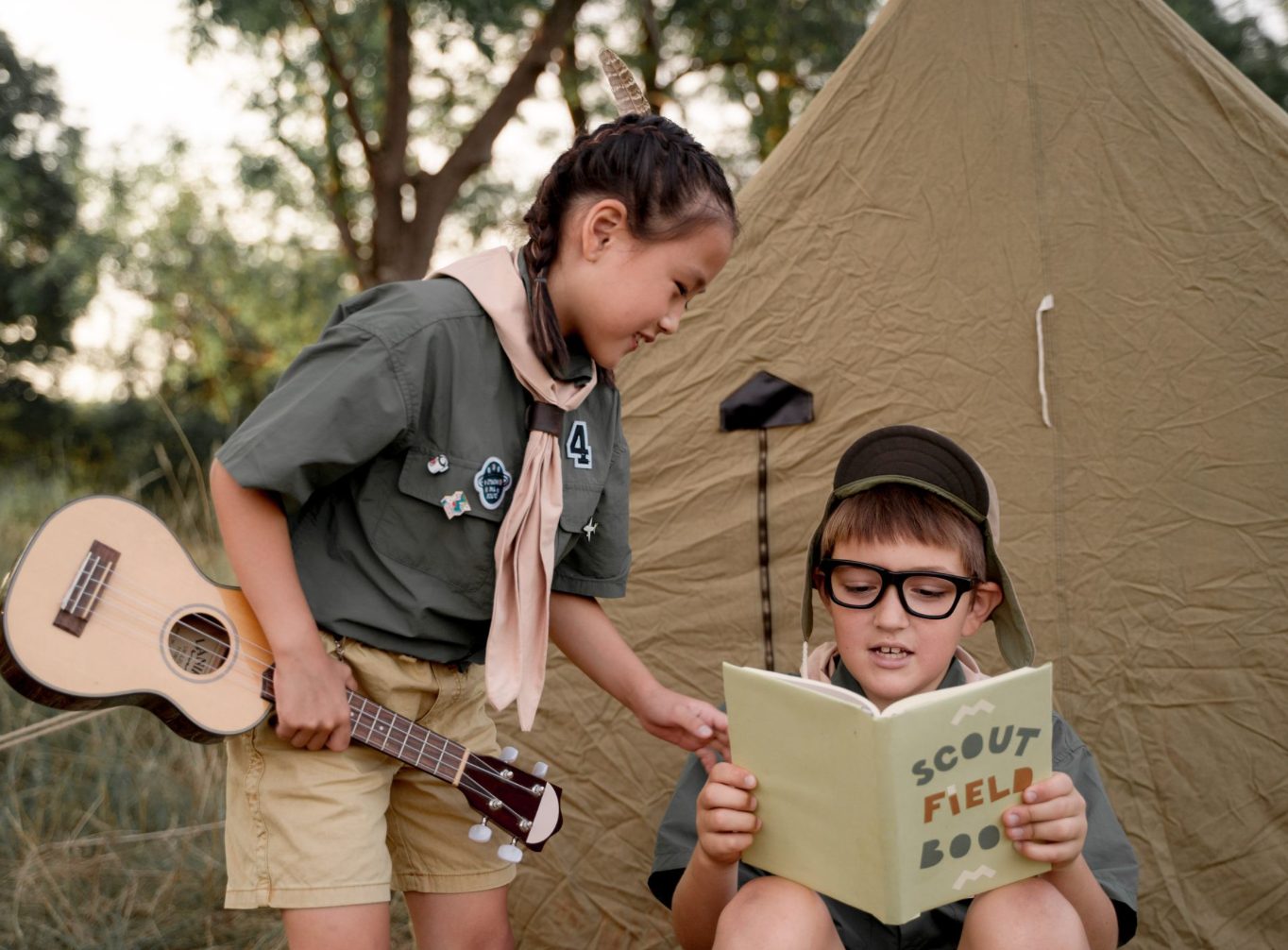
Scouting is often viewed as a relatively affordable activity, but camping and outdoor adventures can create additional costs. Scouting America lists the annual Scouts BSA registration fee at $85, while noting that local councils and individual units may charge additional fees. Uniform pieces, camping equipment, activity fees, transportation, and summer camp can add to the family’s total. Fortunately, troops may have shared equipment or fundraising opportunities that reduce after-school activity costs for families. Ask troop leaders which equipment can be borrowed before buying everything new.

8. Theater And Performing Arts

A school play can seem inexpensive until rehearsals, costumes, specialized instruction, and performances start filling the calendar. Community and private theater programs may charge tuition or production fees, while ambitious performers might add acting, singing, or dance lessons. Families can also encounter expenses for headshots, audition materials, transportation, and performance clothing. None of those extras guarantees a leading role, so parents should be cautious about spending driven by competitive pressure. Decide on a seasonal budget with your child before optional lessons and extras begin multiplying.

Budget For The Whole Experience, Not The Sign-Up Fee

Parents do not have to eliminate enrichment activities simply because costs are rising. Instead, ask providers for realistic annual expenses, investigate scholarships, borrow or buy used equipment, and distinguish necessities from optional upgrades. Setting an activity budget before registration also gives children an opportunity to help decide which interests matter most to them. Tracking total after-school activity costs throughout the year can reveal whether one activity is quietly consuming more of the family budget than expected.

Which after-school activity has surprised you most with its true cost, and what did you do about it? Share your experience in the comments.

What to Read Next

Therapists Warn More Kids Are Showing Signs of “Masking Fatigue” After School

7 Reasons Kids Are Getting Hurt in After-School Programs

The $1,000 School Trip Question: When Should Parents Just Say No?

Evan Morgan

Evan Morgan has been a full-time freelance writer and editor for 10+ years. When not working, he enjoys catching the latest true crime documentary or getting lost in a good book.
Filed Under: Parenting Tagged With: after school activities, budgeting, education, extracurricular activities, family finances, kids activities, Parenting, Saving Money, youth sports

Should Grandparents Be Expected to Help Pay for Kids’ Activities?

September 9, 2026 | Leave a Comment

Grandparents And Family
Kids’ sports, camps and lessons can cost families thousands of dollars a year, making grandparents’ financial help tempting. Clear boundaries can keep that generosity from becoming an expectation. (Pexels).

Soccer registration is $400. The uniform is another $150. Then come tournament fees, hotels, gas, team photos and the inevitable new pair of cleats halfway through the season.

For parents already juggling groceries, housing, childcare and other household expenses, asking Grandma or Grandpa to help may not sound unreasonable—especially when grandparents are financially comfortable and eager to be involved.

But when does a generous gift turn into an expectation?

That’s becoming a more consequential family-finance question as organized children’s activities get more expensive and grandparents provide enormous amounts of financial and caregiving support to younger generations. New AARP research estimates grandparents collectively provide about $172 billion in direct financial assistance to grandchildren every year, on top of hundreds of billions of dollars worth of unpaid care.

There’s nothing wrong with a grandparent wanting to pay for soccer, dance or summer camp. The financial danger begins when parents build recurring expenses around money Grandma and Grandpa never actually promised.

Kids’ Activities Are Getting More Expensive

The cost of organized activities makes it easy to understand why parents might welcome another source of financial help. The Aspen Institute’s Project Play found that the average U.S. sports family spent $1,016 on a child’s primary sport in 2024, up 46% from $693 in 2019, with families spending another $475 on average for that child’s additional sports.

Those aren’t merely inconvenient expenses: Project Play has warned that rising costs contribute to significant participation gaps between children from higher- and lower-income households. And registration may only be the beginning when a sport requires specialized equipment, private instruction, tournament travel, hotels or repeated uniform purchases. When one child’s activity begins costing four figures a year, asking whether grandparents might want to contribute becomes understandable—but affordability for the parents doesn’t automatically establish a financial obligation for the grandparents.

Grandparents May Already Be Contributing More Than Anyone Realizes

Before asking grandparents to pick up another bill, families may want to consider the financial value of help they’re already receiving. AARP’s 2026 research found that 90% of grandparents provide financial support to grandchildren, spending an average of $2,654 annually across all their grandchildren, while 69% provide childcare.

When researchers put a value on both forms of support, the numbers became enormous: an estimated $172 billion in direct financial assistance plus $731 billion worth of unpaid care each year. That works out to a roughly $903 billion “grandparent economy,” with support ranging from birthday gifts and camps to clothing, school supplies, childcare, basic necessities and healthcare. A grandparent already providing weekly childcare, school pickups, meals and occasional financial help may therefore be contributing substantially to the household even if they never write a check for soccer registration.

Helping Should Not Become An Expectation

There is a significant difference between a grandparent volunteering to pay for piano lessons and a parent sending a $900 travel-team invoice expecting reimbursement. Grandparents may have mortgages, medical expenses, insurance premiums, long-term care concerns and retirement goals that are not obvious to younger family members. Fidelity’s 2026 retirement research found that 74% of Americans surveyed had a plan for reaching their retirement goals, underscoring the importance many households place on maintaining long-term financial security. A grandparent should not have to weaken that security simply because a child wants an expensive extracurricular opportunity. Grandparents paying for activities works best as voluntary generosity rather than an unwritten family obligation.

Families Can Find A Middle Ground

Financial support does not have to be an all-or-nothing arrangement. A grandparent who cannot comfortably cover a $1,500 sports season might offer $200 toward registration, buy equipment for a birthday or pay for several music lessons instead. Another practical approach is choosing one activity each year that grandparents want to support, creating a predictable boundary for both generations. Parents can also ask whether grandparents would rather contribute time by driving children to practices, attending performances or helping with childcare, support that can be valuable without requiring another check. When discussing grandparents paying for activities, specific limits can prevent a generous gesture from quietly turning into a recurring financial commitment.

Parents And Grandparents Need An Honest Conversation

Money becomes especially uncomfortable when family members make assumptions instead of discussing expectations directly. Parents can start by explaining the activity, its total cost and why it matters to the child, then asking whether the grandparent would be interested in contributing rather than implying that help is required. Grandparents should feel equally comfortable saying, “I can contribute $300 this year,” or declining altogether without being made to feel less supportive. Fidelity’s 2025 Family and Finance Study emphasized that ongoing family conversations about money and responsibilities can create greater clarity, a principle that applies to smaller financial decisions as well as major estate planning. Clear communication around grandparents paying for activities can protect relationships while ensuring everyone understands who is responsible for future bills.

Ask One Question Before Saying Yes

A useful question for grandparents isn’t simply, “Can I afford the $800?” but “Can I afford for the family to expect this $800 again next year?” Paying one season of travel soccer from surplus cash is different from creating a recurring commitment that continues for several grandchildren over many years. Grandparents should consider whether the gift competes with retirement contributions, emergency savings, debt repayment, medical expenses, insurance premiums or money they may eventually need for long-term care. They should also think about fairness if several grandchildren participate in activities with dramatically different price tags, because paying $2,000 for one child’s travel team can create expectations elsewhere in the family. If the answer is yes only because the grandparent would need to carry a credit-card balance, withdraw retirement money unexpectedly or reduce money reserved for their own necessities, the activity probably doesn’t fit their budget.

The Best Support Respects Everyone’s Budget

Grandparents can play an extraordinary role in a child’s life without becoming a second set of parents financially. If they genuinely want to fund soccer, ballet, robotics camp or another experience and can comfortably afford it, their contribution can create memories and opportunities that last far beyond the season. But parents should generally build children’s activities around their own household budget first rather than treating grandparents’ money as guaranteed income. Grandparents paying for activities should be viewed as a gift, not a requirement, and no extracurricular program is worth creating resentment or threatening someone’s retirement security.

Would you expect grandparents to help pay for their grandchildren’s activities, or should those expenses remain entirely the parents’ responsibility? Share your thoughts and experiences in the comments.

What to Read Next

The Grandparent Spending Problem: What to Do When They Keep Buying Your Kids Everything

8 Things Grandparents Buy Kids That Parents Secretly Wish They Wouldn’t

6 Budgeting Hacks from Depression Era Grandmothers

Evan Morgan

Evan Morgan has been a full-time freelance writer and editor for 10+ years. When not working, he enjoys catching the latest true crime documentary or getting lost in a good book.
Filed Under: Parenting Tagged With: extracurricular activities, Family Budgeting, family finances, grandparents, kids activities, Parenting, Retirement, youth sports

7 Summer Programs That Fill Up Before Most Parents Even Start Looking

June 5, 2026 | Leave a Comment

Kids At Camp
Popular summer programs such as STEM camps, sports camps, and leadership academies often reach capacity months before summer begins. Parents who register early typically have the widest selection of opportunities. Pexels.

Finding the right summer program for your child can feel like a race against the clock. Many parents assume they have until spring to start researching, only to discover that some of the most popular options have already filled up. From STEM academies to specialty sports camps, demand continues to rise as families look for programs that combine fun, learning, and skill development. Knowing which summer programs tend to sell out first can help parents avoid waitlists and secure opportunities that align with their child’s interests and future goals. For families planning ahead, understanding the landscape of summer programs can make all the difference.

1. STEM and Coding Camps

STEM-focused summer programs are among the fastest to fill because they combine hands-on learning with skills that many parents view as essential for the future. Popular camps now offer robotics, coding, artificial intelligence, engineering, and game design experiences for students as young as elementary school age. Programs such as iD Tech, university-sponsored STEM academies, and local coding camps often have limited class sizes to ensure personalized instruction. Many locations report strong demand as families seek opportunities that build problem-solving and technology skills. Waiting until late spring can leave parents with few options or none at all.

2. University-Based Academic Programs

University summer programs attract students who want to explore subjects ranging from science and engineering to creative writing and business. These summer programs often provide access to college campuses, faculty mentors, and advanced learning experiences that are not available during the school year. For middle and high school students, participation can also help them explore future academic interests. Many universities cap enrollment to maintain quality instruction and hands-on engagement. As a result, parents frequently find that registration opens months before summer begins and fills quickly.

3. Museum and Science Center Camps

Science museums have become major destinations for educational summer programs that blend discovery with entertainment. Programs often include themes such as paleontology, robotics, coding, engineering challenges, and space exploration. Children benefit from access to exhibits, laboratories, and specialized instructors that create memorable learning experiences. These camps are especially attractive because they provide educational enrichment without feeling like school. Early registration is often recommended because many sessions reach capacity well before summer starts.

4. Competitive Sports Camps

Sports-focused summer programs remain a top choice for families with active children. Camps centered on basketball, soccer, baseball, swimming, and other sports often feature professional coaching, skill development, and team-building activities. For young athletes hoping to improve performance before the next season, these programs can offer a significant advantage. Parents frequently underestimate how quickly the most respected sports camps fill, particularly those associated with professional teams or elite trainers. Limited coach-to-player ratios mean available spots can disappear surprisingly fast.

5. Traditional Day Camps

Traditional day camps continue to be among the most sought-after summer programs because they provide a balanced mix of recreation, learning, and social development. Activities often include arts and crafts, sports, swimming, outdoor adventures, and team challenges. Organizations such as the YMCA have expanded offerings to include STEM projects, creative arts, and leadership development opportunities. These camps appeal to working parents because they typically provide full-day schedules and structured supervision. High demand and affordable pricing often contribute to early registration surges.

6. Specialized Arts and Creative Camps

Creative children often thrive in summer programs focused on music, theater, filmmaking, visual arts, dance, or animation. These programs allow students to explore their talents while working alongside peers who share similar interests. Many camps culminate in performances, exhibitions, or portfolio projects that showcase participants’ achievements. Because instructors are often industry professionals or experienced educators, enrollment is usually limited. Parents who wait too long may find that the most reputable arts programs already have lengthy waitlists.

7. Leadership and Career Exploration Programs

Leadership-focused summer programs have grown in popularity as parents seek opportunities that prepare children for future academic and professional success. These camps often include public speaking, teamwork, entrepreneurship, community service, and career exploration activities. Some programs even introduce students to fields such as healthcare, engineering, or business through hands-on projects and mentorship. For older students, these experiences can strengthen confidence while helping them identify long-term interests. Since many leadership camps intentionally maintain small cohorts, spaces often disappear shortly after registration opens.

The Early Planning Advantage Every Parent Should Know

The biggest mistake many families make is assuming all summer programs remain available until a few weeks before school ends. In reality, the most popular options often begin accepting registrations months in advance and can reach capacity long before summer arrives. Parents who create a short list of preferred programs early and monitor registration dates significantly improve their chances of securing a spot. Even if plans change later, having a reservation can provide flexibility and peace of mind.

Which type of summer programs would be the best fit for your child this year, and have you ever missed out on a camp because registration filled too quickly? Share your experience in the comments and join the conversation.

What to Read Next

5 Free Summer Camps In The U.S.: Here’s How You Qualify

5 Summer Camps That You Should NEVER Allow Your Children to Attend

Parents Say Summer Is Financially Brutal for Families With Special Needs Children

Evan Morgan

Evan Morgan has been a full-time freelance writer and editor for 10+ years. When not working, he enjoys catching the latest true crime documentary or getting lost in a good book.
Filed Under: Parenting Tagged With: child development, education, family activities, kids activities, Parenting, parenting tips, sports camps, STEM camps, summer camps, summer learning, summer programs, youth programs

5 Summer Camps That You Should NEVER Allow Your Children to Attend

May 23, 2026 | Leave a Comment

Children Camping
Not every summer camp is going to be ideal for your child – Pexels

Summer camp can be a life-changing experience for kids, offering friendship, confidence, and outdoor adventure. But not every camp delivers the safe, enriching environment parents expect. In recent years, reports involving poor supervision, unsafe activities, and inadequate staff training have raised serious concerns about summer camp safety. Knowing the warning signs can help parents avoid costly mistakes and protect their children from preventable risks.

1. Camps With Poor Staff Screening and Training

One of the biggest threats to summer camp safety is poorly vetted staff. A quality camp should conduct background checks, verify references, and train counselors in emergency response, child supervision, and conflict resolution. If a camp avoids questions about hiring practices or gives vague answers, that is a major red flag. Imagine sending your child to a camp where a teenage counselor is supervising a lake activity without CPR certification. Parents should never assume training standards are automatic; they should ask directly.

2. Camps That Ignore Safety Protocols

Some camps prioritize fun while treating safety rules like optional paperwork. Missing lifeguards, outdated medical forms, broken equipment, or unclear emergency procedures can put children in real danger. According to youth safety experts, structured risk management is one of the strongest indicators of a well-run camp. A trustworthy camp should clearly explain how it handles injuries, severe weather, allergies, and emergencies. If staff members seem irritated by safety questions, that alone tells parents a lot about the camp’s culture.

3. Camps With Extremely Low Transparency

Parents should be cautious of camps that share little information about schedules, policies, or daily operations. Hidden fees, unclear disciplinary policies, and poor communication often signal deeper organizational problems. For example, if a camp refuses tours, limits parent communication, or dodges questions about supervision ratios, there may be something they do not want families to see. Transparency matters because parents are placing their children in someone else’s care for hours, days, or even weeks. Strong summer camp safety starts with open communication and accountability.

4. Camps Focused More on Profit Than Child Experience

Not every expensive camp is high quality, and not every affordable camp is unsafe. However, camps that aggressively market luxury perks while neglecting staffing levels, cleanliness, or program quality deserve extra scrutiny. Some parents discover too late that flashy brochures hid overcrowded cabins, exhausted counselors, or poorly maintained facilities. A healthy camp environment should balance memorable activities with emotional support, safety oversight, and age-appropriate programming. Parents should look beyond glossy marketing and read independent reviews, parent feedback, and accreditation information.

5. Camps That Tolerate Bullying or Emotional Harm

Physical safety is only one part of summer camp safety; emotional well-being matters just as much. Children who experience bullying, humiliation, or harsh disciplinary tactics can carry those memories long after camp ends. A responsible camp should have clear anti-bullying policies, trained staff intervention procedures, and a culture that encourages inclusion and respect. Consider the child who comes home withdrawn, anxious, or suddenly afraid to attend group activities; those behavioral shifts should never be dismissed as “part of growing up.” Parents should ask camps exactly how they handle peer conflict and emotional support before enrollment.

The Smart Parent’s Summer Camp Checklist

Choosing a safe camp does not mean eliminating adventure or fun. It means doing the same level of research you would do before choosing a school, caregiver, or healthcare provider. Look for camps accredited by respected organizations, ask detailed questions about supervision and emergency planning, and trust your instincts if something feels off. Summer camp safety depends on preparation, transparency, and leadership that values children over convenience or image. A few extra questions today could spare your child from a harmful experience tomorrow.

Before You Sign That Camp Registration Form

Parents face countless decisions every summer, but few carry as much trust as choosing a camp for their child. Doing your homework, asking uncomfortable questions, and reviewing safety policies can make all the difference. The best camps welcome parent concerns because they understand that trust must be earned. Summer camp safety is not about being overly cautious; it is about making informed choices that protect your child’s well-being.

Would you trust a camp that looked amazing online but could not clearly explain its safety policies? Share your thoughts and experiences in the comments below.

What to Read Next

The Viral Free Summer Camp Link That’s Actually a Phishing Trap

5 Cheap Summer Camp Alternatives That Kids Actually Love

Why 2026 Tax Refunds Won’t Cover the Cost of Summer Camp This Year

Evan Morgan

Evan Morgan has been a full-time freelance writer and editor for 10+ years. When not working, he enjoys catching the latest true crime documentary or getting lost in a good book.

Filed Under: Parenting Tagged With: child development, child safety, family advice, kids activities, Parenting, parenting tips, summer camp safety, summer camps

6 Toddler Classes Parents Quit Before the First Month Ends

February 10, 2026 | Leave a Comment

These Are 6 Toddler Classes Parents Quit Before the First Month Ends
Image Source: Shutterstock.com

Signing up for toddler classes can feel downright magical. In that moment, you’re convinced you’re about to unlock your child’s hidden genius, meet other parents who “get it,” and maybe even enjoy a peaceful hour where no one is trying to lick an electrical outlet. But reality has a way of showing up with a juice box in one hand and a meltdown in the other.

The truth is, some toddler classes are simply not built for long-term survival — not for the kids, and definitely not for the adults who signed up with the best intentions. Whether it’s the schedule, the chaos, or the fact that toddlers have the attention span of a goldfish in a disco, certain programs see more early dropouts than a New Year’s gym membership.

1. The “Mini Music Makers” Class That Turns Into a Percussion Riot

Music classes sound wholesome and enriching, but once you’re in the room, it becomes clear that toddlers don’t want to sing — they want to wield instruments like they’re leading a marching band through a thunderstorm. The teacher may be strumming a gentle tune, but half the class is banging on drums with the intensity of someone trying to summon ancient spirits.

Parents often start strong, imagining their child developing rhythm and coordination. By week three, they’re reconsidering everything as they dodge flying maracas and try to prevent their toddler from stealing another kid’s tambourine. It’s fun, yes, but it’s also loud enough to make you question your life choices. If you do stick with it, bring earplugs and a sense of humor.

2. The Gymnastics Class Where Toddlers Discover Gravity the Hard Way

Toddler gymnastics is adorable in theory — tiny humans learning balance, coordination, and how to follow instructions. But toddlers have a unique interpretation of “follow the teacher,” which usually means sprinting in the opposite direction while the instructor tries to maintain order with the optimism of someone who has never met a toddler before.

Parents often quit early because the class becomes less about structured activity and more about preventing their child from launching themselves off foam blocks like a stunt performer. The equipment is safe, but toddlers are creative, and they will find new ways to terrify you. If you’re considering this class, wear comfortable shoes. You’ll be running.

3. The Art Class That Requires a Hazmat-Level Cleanup

Art classes promise creativity, sensory exploration, and adorable keepsakes. What they don’t mention is that toddlers treat paint like it’s a full-body experience. Within minutes, someone is finger-painting the table, another child is eating the crayons, and your toddler is somehow covered in glitter that will remain on your furniture until the end of time.

Parents often bow out early because the cleanup feels like a second job. Even when the studio handles most of the mess, you still end up scrubbing paint out of your child’s hair for days. If you’re brave enough to continue, pack extra clothes, for both of you.

These Are 6 Toddler Classes Parents Quit Before the First Month Ends
Image Source: Shutterstock.com

4. The Dance Class Where No One Actually Dances

Toddler dance classes are marketed as a sweet introduction to movement and rhythm. In reality, it’s a room full of tiny people wandering in circles while the instructor tries to demonstrate basic steps. Some toddlers sit on the floor and refuse to participate. Others spin until they fall over. A few decide the mirrors are more interesting than anything else happening.

Parents often quit because the class feels less like dance and more like herding butterflies. It’s cute, but it’s also chaotic, and if your toddler isn’t into it, you’ll spend most of the session trying to coax them off the floor. If you want to stick with it, choose a studio that embraces the unpredictability.

5. The Swim Class That Tests Every Parent’s Nerves

Swim lessons are important, but they’re also one of the most stressful toddler classes to survive. The water is cold, the pool is loud, and toddlers have strong opinions about being wet. Some cling to their parents like they’re being rescued from a shipwreck. Others splash with the enthusiasm of a dolphin who just discovered joy.

Parents often quit early because the emotional roller coaster is exhausting. Between the crying, the slippery surfaces, and the pressure to help your child feel comfortable, it can feel like a weekly endurance test. If you want to keep going, choose a class with warm water and instructors who understand that toddlers need time.

6. The Language Class That Turns Into Snack Time

Language classes for toddlers are a wonderful idea — exposure to new sounds, new words, and new cultures. But toddlers don’t care about conjugation or vocabulary. They care about snacks, toys, and whatever is happening outside the window.

Parents often drop out because the class becomes a rotating cycle of distraction management. The teacher may be introducing simple phrases, but half the toddlers are crawling under chairs while the others are asking for crackers. If you want to continue, keep expectations low and celebrate the small wins, like your toddler learning one new word or simply staying in the room.

When the Best Class Is the One That Fits Your Family

The truth is, quitting a toddler class doesn’t mean you failed — it means you figured out what works for your child and your sanity. Every toddler is different, and what feels chaotic for one family might be the highlight of the week for another. The goal isn’t to force a perfect schedule; it’s to find activities that bring joy, connection, and maybe even a few peaceful minutes.

If you’re exploring classes, try a few, stay flexible, and remember that toddlers are unpredictable by nature. The right fit is out there — even if it’s just a weekly trip to the park where your child can run free and you can breathe.

What toddler class did you try that didn’t last long? Share your parenting tales for brave people starting their own journeys!

You May Also Like…

9 Times a Toddler’s Behavior Was a Sign of Something Medical

8 DIY Projects at Home That Put Curious Toddlers at Risk

What Happens If Your Toddler Gets Hurt at a Friend’s House?

Why Are So Many Dads Pulling Away During the Toddler Years?

Why Parents Are Boycotting the Class Party Fund This February

Brandon Marcus
Brandon Marcus
Brandon Marcus is a writer who has been sharing the written word since a very young age. His interests include sports, history, pop culture, and so much more. When he isn’t writing, he spends his time jogging, drinking coffee, or attempting to read a long book he may never complete.

Filed Under: Parenting Tagged With: child development, classes for toddlers, dad life, early childhood, family life, kids activities, mom life, Parenting, parenting challenges, parenting humor, toddlers

7 Winter “Boredom Busters” Under $10 That Teachers Recommend Over Tablets

February 8, 2026 | Leave a Comment

These Are 7 Winter
Image Source: Shutterstock.com

Winter has a special talent for turning even the most energetic kids into tiny, restless tornadoes. The cold weather keeps them indoors, the days feel shorter, and suddenly every parent hears the same phrase on repeat: “There’s nothing to do.”

Tablets and TVs are tempting solutions, but teachers say there are better, cheaper, and far more creative ways to bust boredom. And you don’t need to spend a fortune. In fact, many of the activities teachers swear by cost less than $10 and deliver way more value than another hour of screen time.

These boredom busters build fine‑motor skills, spark imagination, strengthen focus, and give kids something to do that doesn’t involve arguing over whose turn it is on the tablet.

1. Play‑Dough: The Classic That Never Stops Working

Teachers love play‑dough for a reason: it’s endlessly versatile, surprisingly calming, and perfect for kids of all ages. For under $10, you can grab a small set or even make your own with flour, salt, and water. Kids can sculpt animals, build pretend food, create letters, or simply squish it around to release pent‑up winter energy.

Play‑dough also strengthens fine‑motor muscles, which teachers say helps with handwriting, cutting skills, and overall coordination. Add a few cookie cutters or plastic utensils, and suddenly you’ve got an entire afternoon of imaginative play. If you want to stretch the activity even further, challenge kids to create a winter scene or sculpt something that represents their day.

2. Painter’s Tape: The Cheapest Indoor Adventure Tool

Painter’s tape might be the most underrated boredom buster on the planet. Teachers use it constantly because it’s inexpensive, easy to remove, and wildly adaptable. With a single roll, you can create indoor hopscotch, race tracks for toy cars, obstacle courses, alphabet mazes, or pretend “roads” that wind through the living room.

Kids love the novelty of transforming the floor into a playground, and parents love that cleanup takes about ten seconds. Teachers say painter’s tape activities also encourage problem‑solving and gross‑motor movement — two things kids desperately need during long winter days indoors. If you want to level it up, let your child design the course themselves.

3. Sticker Books: Quiet Time Gold

Teachers know that stickers are basically magic. They’re inexpensive, easy to store, and capable of keeping kids focused longer than almost any other low‑cost activity. Sticker books, especially the reusable kind, give kids a chance to create scenes, tell stories, and practice fine‑motor control.

Stickers also offer a sneaky educational bonus: peeling and placing them strengthens the small muscles in the hands. Teachers often use sticker activities to help kids develop precision and patience — two skills that tablets don’t always encourage. For under $10, you can pick up themed sticker books that match your child’s interests, from animals to space to winter scenes.

4. Pipe Cleaners and Beads: Crafting That Builds Real Skills

Teachers love pipe cleaners and beads because they’re affordable, colorful, and endlessly customizable. Kids can make bracelets, snowflakes, animals, letters, or even 3D sculptures. The combination of bending, threading, and shaping helps develop hand‑eye coordination and creativity.

This activity also encourages focus, which teachers say is especially valuable during winter months when kids tend to bounce between activities quickly. If you want to add an educational twist, ask kids to create patterns, count beads, or spell their name.

5. Puzzle Books: Brain Boosters in Disguise

Crossword puzzles, word searches, mazes, and logic games are teacher favorites because they challenge kids’ brains without feeling like homework. Puzzle books under $10 are easy to find and come in a wide range of difficulty levels, making them perfect for siblings of different ages.

Teachers say puzzles help strengthen problem‑solving skills, attention to detail, and perseverance — all essential for academic success. They’re also great for quiet time, travel days, or those moments when you need something engaging that doesn’t involve noise or mess. If you want to make it more interactive, solve a puzzle together and talk through the strategies you use.

6. Flashlight Games: Indoor Fun With a Twist

Teachers often use flashlight activities during indoor recess or power‑free playtime because they feel exciting without requiring any special equipment. You can pick up a flashlight and turn off the lights for shadow puppets, “find the shape” games, or flashlight tag in a darkened hallway.

Kids love the novelty of playing with light and shadow, and teachers say these activities encourage imagination, storytelling, and movement. You can also hide small objects around the room and let kids search for them with the flashlight — a winter‑friendly version of a scavenger hunt. Just be sure to set boundaries so the flashlight doesn’t become a strobe light aimed at your face.

7. Coloring Books: The Underrated Winter Lifesaver

Coloring books may seem simple, but teachers swear by them for building focus, creativity, and emotional regulation. Coloring slows kids down, encourages mindfulness, and gives them a chance to express themselves without pressure. For under $10, you can find themed books that match your child’s interests — dinosaurs, animals, winter scenes, superheroes, and more.

Teachers say coloring is especially helpful during winter because it provides a calm, screen‑free activity that kids can return to again and again – and it supports mental health. If you want to make it more engaging, set up a “coloring station” with crayons, markers, and stickers. You can even hang finished pages on the wall to create a winter art gallery.

These Are 7 Winter
Image Source: Shutterstock.com

Kids Don’t Need Expensive Entertainment to Stay Engaged

Teachers know something that parents sometimes forget: kids don’t need elaborate toys or endless screen time to stay entertained. They need creativity, movement, and opportunities to explore — all of which can be done on a budget. These boredom busters prove that a little imagination goes a long way, especially during long winter days when everyone is stuck inside.

Have any of these worked well for your family? Which boredom busters would your kids love most, or do you have your own under‑$10 favorites? Make sure to make your suggestions in the comments below.

You May Also Like…

Speech Therapists Beg: Throw Away These 5 “Talking” Toys (They Kill Conversation)

Beyond The Game: 9 Online Games Kids Are Playing That Expose Them To Predators

How Much Are You Really Paying for Developmental Toys?

7 Digital Toys That Let Strangers Communicate With Your Kids

Quick Fixes for Parents to Avoid the “I’m Bored” Meltdown at Home

Brandon Marcus
Brandon Marcus
Brandon Marcus is a writer who has been sharing the written word since a very young age. His interests include sports, history, pop culture, and so much more. When he isn’t writing, he spends his time jogging, drinking coffee, or attempting to read a long book he may never complete.

Filed Under: Toys and Games Tagged With: budget ideas, child development, Creativity, education, family life, indoor play, kids activities, Parenting, screen-free fun, teacher tips, winter activities

6 Ways Parents Are Quiet Quitting Expensive School Spirit Days

February 7, 2026 | Leave a Comment

These Are 6 Ways Parents Are Quiet Quitting Expensive School Spirit Days
Image Source: Shutterstock.com

There was a time when school spirit days were simple. Pajama Day? Easy. Hat Day? Done. Crazy Hair Day? A can of gel and a prayer. But somewhere along the way, spirit days evolved into full‑blown productions requiring themed outfits, accessories, props, and sometimes even last‑minute craft projects that mysteriously appear on the calendar the night before. And parents — already juggling work, schedules, and the rising cost of everything — have quietly decided they’re over it.

Families are feeling the financial and mental load of constant themed days, and many are choosing a gentler, more realistic approach. They’re not opting out entirely; they’re simply participating in ways that don’t require a shopping trip, a glue gun, or a second mortgage.

1. The “Use What We Already Have” Method Is Becoming the New Normal

Parents everywhere are embracing the radical idea that spirit day doesn’t require buying anything new. Instead of hunting down neon socks for “Glow Day” or a full safari outfit for “Explorer Day,” families are digging through closets, toy bins, and the mysterious drawer where random costume pieces go to retire.

Kids don’t need a brand‑new outfit to feel included. A mismatched pair of socks works just fine for Wacky Wednesday. A stuffed animal becomes a “wildlife companion” for Animal Day. And that old Halloween costume? Suddenly perfect for Superhero Day. Parents are discovering that creativity beats consumerism every time, and kids often enjoy the challenge of making something out of what they already own.

2. Parents Are Setting Boundaries With the “One Spirit Day Per Month” Rule

Some families are quietly implementing a new household policy: participate in one spirit day per month, and the rest are optional. This gives kids a sense of choice and prevents parents from feeling overwhelmed by a never‑ending parade of themed events.

This strategy also teaches kids something valuable — that it’s okay to prioritize. Not every event requires full participation, and not every themed day needs to be a production. Parents who use this method often find that their kids naturally gravitate toward the days that genuinely excite them, rather than feeling obligated to do them all. It’s a win for mental health, schedules, and budgets.

3. The “Low‑Effort Version Counts” Philosophy Is Taking Over

Quiet quitting doesn’t mean skipping spirit days entirely. It means redefining what participation looks like. Instead of elaborate costumes, parents are opting for simple, doable versions of the theme. Pajama Day? Great — just wear pajamas. Crazy Hair Day? A ponytail with a ribbon counts. Sports Day? A T‑shirt with a number on it is perfectly acceptable.

This approach removes the pressure to go above and beyond. Kids still feel included, and parents avoid the stress of trying to outdo last year’s effort. It’s a reminder that spirit days were never meant to be competitions — they were meant to be fun. And fun doesn’t require a shopping cart full of supplies.

4. Parents Are Teaming Up to Share Costumes and Supplies

Another quiet trend gaining traction is the rise of the “spirit day swap.” Parents are sharing costumes, accessories, and props with friends, neighbors, and classmates. Why buy a cowboy hat for Western Day when someone down the street has one sitting in a closet? Why purchase a lab coat for Scientist Day when another family has one from last year’s Halloween?

This community‑minded approach saves money, reduces waste, and builds connections between families. It also teaches kids that sharing is normal and that not everything needs to be brand‑new. Parents who participate in swaps often say it’s one of the easiest ways to reduce the financial burden of spirit days without sacrificing the fun.

5. Families Are Pushing Back on Last‑Minute Announcements

One of the biggest frustrations parents face is the dreaded last‑minute spirit day email. You know the one — it arrives at 8 p.m. announcing that tomorrow is “Dress Like a Historical Figure Day,” and suddenly you’re scrambling to turn a bedsheet into a toga. Many parents are quietly deciding that if the school doesn’t give enough notice, participation is optional.

Families have busy schedules, and not every household can pivot on a dime. By setting this boundary, parents reduce stress and send a gentle message that communication matters. And honestly, most kids are perfectly happy showing up in regular clothes if the alternative is a rushed, chaotic morning.

These Are 6 Ways Parents Are Quiet Quitting Expensive School Spirit Days
Image Source: Shutterstock.com

6. Parents Are Choosing Experiences Over Outfits

Perhaps the most meaningful shift is that families are focusing less on themed outfits and more on the spirit behind spirit days. Instead of spending money on costumes, parents are using the opportunity to talk with their kids about school pride, creativity, and community. A child might not have the perfect outfit for Book Character Day, but they can bring their favorite book and share why they love it.

This approach keeps the heart of spirit days alive without the financial strain. It reminds kids that participation is always important, but isn’t about perfection — it’s about enthusiasm. And it gives parents permission to step back from the pressure to perform.

Parents Aren’t Opting Out — They’re Opting for Sanity

Quiet quitting school spirit days isn’t about being anti‑fun or anti‑school. It’s about recognizing that modern parenting comes with enough demands already. Families are choosing balance, creativity, and practicality over pressure, expense, and last‑minute chaos. And in many ways, this shift is bringing spirit days back to what they were always meant to be: simple, joyful, and inclusive.

What is going on with your family? Are you quietly quitting spirit days, too, or do you still go all‑in when the calendar hits Wacky Wednesday? Let’s hear about it below.

You May Also Like…

6 After-School Activities Parents Regret Paying For (Because the “Benefits” Don’t Show Up)

Nutritionists Warn: 6 “Healthy” Lunchbox Staples That Spike Sugar Crashes at School

Teachers Beg Parents: Stop Buying These 7 Expensive School Supplies

10 Innocent Behaviors That Could Get Your Child Suspended in 2026

8 Budget Cuts in Education That Directly Impact Your Kids

Brandon Marcus
Brandon Marcus
Brandon Marcus is a writer who has been sharing the written word since a very young age. His interests include sports, history, pop culture, and so much more. When he isn’t writing, he spends his time jogging, drinking coffee, or attempting to read a long book he may never complete.

Filed Under: Parenting Tagged With: education trends, Family Budgeting, kids activities, modern parenting, money-saving tips, parent life, Parenting, quiet quitting, school culture, school events, school spirit days

Teachers Share the 5 Valentine’s Gifts That End Up in the Trash Immediately

February 6, 2026 | Leave a Comment

Teachers Share the 5 Valentine’s Gifts That End Up in the Trash Immediately
Image Source: Shutterstock.com

Every February, classrooms across the country transform into a sea of pink construction paper, glitter explosions, and tiny folded cards that smell faintly of fruit punch. Kids love it, teachers embrace it, and parents do their best to keep up with whatever the classroom newsletter demands.

But behind the scenes, teachers say there are a few Valentine’s gifts that don’t just miss the mark—they go straight into the trash before the final bell rings. Not because teachers are ungrateful, but because some items simply can’t be reused, stored, or safely kept in a classroom full of energetic children.

1. The Glitter Bomb Creations That Shed for Eternity

Teachers love creativity, but glitter is their sworn enemy. When a child hands over a Valentine coated in loose glitter, teachers know exactly what’s coming: a week of sparkling floors, shimmering desks, and students who look like they’ve been dipped in fairy dust. Glitter doesn’t stay put, no matter how much glue was used or how carefully the card was crafted. It transfers to clothing, carpets, and even the teacher’s lunch.

Many teachers say these cards are admired briefly and then tossed because they simply can’t risk the glitter spreading any further. If your child loves sparkle, consider glitter stickers or metallic paper instead. They offer the shine without the classroom chaos.

2. Oversized Stuffed Animals That Have Nowhere to Live

Kids adore stuffed animals, but teachers have no place to store them—and no way to manage the drama that follows when one child gets a giant plush bear and another gets a paper card. Oversized stuffed animals take up valuable classroom space, collect dust, and often become distractions during lessons. Teachers say they usually end up quietly discarding them because they can’t send them home on the bus, can’t keep them in the classroom, and can’t donate them without permission.

If your child wants to give something soft and cute, try small Valentine‑themed erasers or stickers. They’re adorable, affordable, and won’t require a storage plan.

Teachers Share the 5 Valentine’s Gifts That End Up in the Trash Immediately
Image Source: Shutterstock.com

3. Homemade Baked Goods That Can’t Be Shared

Teachers appreciate the effort behind homemade treats, but most schools have strict rules about food safety and allergies. That means cupcakes, cookies, and chocolate‑covered anything—no matter how delicious—usually can’t be distributed. Teachers often have to throw them away immediately, even if they feel guilty doing it. They simply can’t risk serving food without ingredient labels or allergen information.

If you want to send something edible, stick to prepackaged items with clear labeling. It keeps everyone safe and ensures your thoughtful gesture doesn’t end up in the trash.

4. Scented Lotions and Bath Products That Trigger Allergies

Scented gifts may seem like a sweet idea, but teachers say they’re one of the most commonly discarded Valentine’s items. Many classrooms have students with fragrance sensitivities, asthma, or skin allergies, which means teachers can’t keep or use heavily scented lotions, sprays, or bath products. Even mild scents can cause headaches or reactions in a closed classroom environment.

Teachers often toss these items immediately to avoid any issues. If you want to give a small self‑care gift, consider unscented hand wipes or a simple handwritten note of appreciation. It’s thoughtful without being risky.

5. Tiny Plastic Toys That Break Before Lunch

Teachers say the number one Valentine’s gift that ends up in the trash is tiny plastic toys—think mini slinkies, plastic rings, tiny figurines, or novelty gadgets. These items break easily, become choking hazards, or get lost within minutes. They clutter desks, distract students, and often cause arguments when one child’s toy breaks and another’s doesn’t.

Teachers usually sweep them into the trash during cleanup because they can’t store them, fix them, or send them home safely. If you want to give something fun, try small activity sheets, bookmarks, or stickers. They’re still exciting for kids but far more classroom‑friendly.

Teachers Aren’t Ungrateful—They’re Just Trying to Survive the Day

It’s important to remember that teachers genuinely appreciate the thought behind every Valentine’s gift, even the ones they can’t keep. Their goal isn’t to discourage generosity but to help families choose items that are safe, practical, and classroom‑appropriate. When you pick gifts that won’t shed glitter, trigger allergies, or break instantly, you’re making the day easier for everyone—especially the teacher who has to manage 20 or more excited kids on a sugar‑fueled holiday. A simple card, a small treat, or a heartfelt note can mean far more than any elaborate gift.

What about you—have you ever sent a Valentine’s gift only to realize later it probably didn’t survive the school day? Tell us about it in the comments below.

You May Also Like…

The 5 “Educational” Apps That Teachers Say Are Actually Hurting Grades

6 Valentine’s Cards That Parents Regret Sending for Years

6 After-School Activities Parents Regret Paying For (Because the “Benefits” Don’t Show Up)

Nutritionists Warn: 6 “Healthy” Lunchbox Staples That Spike Sugar Crashes at School

8 Parent-Teacher Conversations That Can Hurt a Child’s Mental Health

Brandon Marcus
Brandon Marcus
Brandon Marcus is a writer who has been sharing the written word since a very young age. His interests include sports, history, pop culture, and so much more. When he isn’t writing, he spends his time jogging, drinking coffee, or attempting to read a long book he may never complete.

Filed Under: Education Tagged With: 2026 holidays, classroom gifts, classroom parties, family life, holiday trends, kids activities, parenting tips, school events, teacher advice, teacher insights, Valentines Day

8 Classroom Valentine’s Trends That Parents Are Refusing to Buy in 2026

February 6, 2026 | Leave a Comment

These Are 8 Classroom Valentine's Trends That Parents Are Refusing to Buy in 2026
Image Source: Shutterstock.com

If you’ve ever opened a classroom newsletter and felt your soul leave your body at the words “Please prepare 28 themed Valentines,” you’re in good company. Valentine’s Day used to be a sweet, low‑pressure holiday—kids exchanged tiny cards, maybe a lollipop, and everyone went home happy. But in 2026, many parents say the holiday has transformed into a full‑scale production that demands time, money, creativity, and sometimes even power tools.

Families are tired, budgets are tight, and the idea of spending an entire weekend crafting a glitter‑covered mailbox shaped like a fire‑breathing dragon is losing its charm. If you’re wondering whether you’re the only one refusing to participate in the Valentine’s Olympics this year, rest assured: you are absolutely not alone.

1. The Pinterest-Perfect Valentine Expectation Has Officially Gone Too Far

Handmade Valentines started as a wholesome idea—something simple, something personal, something that let kids express themselves. But somewhere along the way, the trend spiraled into a competitive crafting arena where parents feel pressured to produce miniature masterpieces. Families report spending hours cutting intricate shapes, assembling themed puns, and hot‑gluing tiny accessories that will be ripped off and lost within minutes.

Many parents say the expectation feels unrealistic, especially for those juggling work, multiple kids, or limited crafting supplies. If you still want a personal touch without the stress, try letting your child decorate store‑bought cards with stickers or drawings.

2. The No-Candy Rule Is Creating More Stress Than Solutions

Schools have been tightening food guidelines for years, often to protect students with allergies or to promote healthier habits. But the 2026 version of the “no candy” rule has left many parents scrambling for alternatives that are fun, affordable, and classroom‑friendly. Instead of tossing a bag of heart‑shaped treats into the cart, families are now searching for non-food items like pencils, stickers, or tiny toys—items that can quickly add up in cost when multiplied by 20 or 30 classmates.

Parents say the rule is well‑intentioned but burdensome, especially when they’re already navigating busy schedules. If your school has this policy, consider no-sweets options like paper bookmarks or small coloring sheets.

3. Gift Bags Are Starting to Look Like Party Favors, and Parents Are Tapping Out

What used to be a simple exchange of cards has evolved into full-blown gift bags in some classrooms. Parents say they’ve seen bags filled with toys, slime packets, bracelets, and even small plushies—items that go far beyond the spirit of a casual holiday exchange. While generous, these bags create an unspoken expectation that every family should contribute at the same level, which can be financially and emotionally draining.

Many parents are pushing back, saying the holiday shouldn’t feel like a birthday party for an entire class. If you enjoy giving a little extra, consider choosing one thoughtful item instead of a bag full of trinkets.

4. Valentine’s Boxes Have Become Weekend-Long Engineering Projects

Decorating a Valentine’s box used to be a fun, low‑pressure activity involving construction paper and maybe a few pipe cleaners. But in 2026, some families are building elaborate creations that look like they belong in a design competition. Think giant cardboard robots, LED‑lit castles, and full-scale animal sculptures. Parents say these projects often require multiple trips to the store and hours of assembly, turning what should be a simple craft into a stressful obligation.

If your child’s school allows it, encourage them to decorate a plain shoebox with markers, stickers, or whatever you already have at home. It’s festive, fun, and doesn’t require a blueprint.

5. Themed Classroom Photo Sessions Are Becoming Too Much for Busy Families

Some classrooms or parent groups have introduced themed Valentine’s photo shoots, complete with props, coordinated outfits, and decorative backdrops. While undeniably adorable, these sessions can be time-consuming and expensive, especially for families juggling multiple kids or tight schedules.

Parents say they feel pressured to participate so their child doesn’t feel left out, even if the logistics are challenging. A simple alternative is taking a quick photo at home with a plain background or a few paper hearts taped to the wall. Kids care far more about the moment than the aesthetic, and you’ll save yourself a lot of stress.

These Are 8 Classroom Valentine's Trends That Parents Are Refusing to Buy in 2026
Image Source: Shutterstock.com

6. Personalized Gifts for Every Classmate Are Becoming Unrealistic

Personalized items—custom pencils, name-labeled stickers, monogrammed trinkets—have become increasingly popular in recent years. But in 2026, many parents are saying enough is enough. Customizing gifts for an entire class can be expensive and time-consuming, and it sets a standard that not every family can meet.

Kids don’t need personalized items to feel included; they just want to participate and have fun. If you enjoy adding a personal touch, consider writing a short note on each Valentine instead. It’s heartfelt without being overwhelming.

7. Classroom Parties Are Becoming Too Elaborate for Working Parents

Some schools have turned Valentine’s Day into a full-scale event with themed stations, craft tables, games, and coordinated snacks. While fun, these parties often require parents to donate supplies, volunteer time, or contribute homemade items. Many families appreciate the celebration but feel the expectations have grown too large.

Teachers and parent groups can help by simplifying the event and focusing on activities that are easy to set up and clean up. A single craft, a simple snack, and a quick game can still make the day memorable without exhausting everyone involved.

Parents Want Valentine’s Day to Be Sweet Again—Not Stressful

At the heart of the pushback is a simple truth: parents want Valentine’s Day to feel joyful, not overwhelming. Families are craving traditions that are fun, manageable, and meaningful, not ones that require hours of preparation or a small financial investment.

By setting boundaries, choosing simpler options, and encouraging schools to do the same, parents can help bring the holiday back to what it’s meant to be. And honestly, that’s what kids remember most.

What about you—are there any Valentine’s trends you’re officially done with this year? Tell us about your child’s Valentine’s Day woes in the comments section below.

You May Also Like…

6 Valentine’s Cards That Parents Regret Sending for Years

Why Saying ‘I Love You’ Every Day Changes Your Child’s Brain

How Your Child’s Cell Phone Could Now Ruin Them In School

7 Old-School Parenting Habits That Still Save Families Money

When Childcare Eats Your Entire Paycheck—What Do You Do Next?

Brandon Marcus
Brandon Marcus
Brandon Marcus is a writer who has been sharing the written word since a very young age. His interests include sports, history, pop culture, and so much more. When he isn’t writing, he spends his time jogging, drinking coffee, or attempting to read a long book he may never complete.

Filed Under: Parenting Tagged With: 2026 trends, classroom parties, family life, holiday ideas, kids activities, modern parenting, parent opinions, Parenting, school events, school trends, Valentines Day

6 After-School Activities Parents Regret Paying For (Because the “Benefits” Don’t Show Up)

February 4, 2026 | Leave a Comment

These Are 6 After-School Activities Parents Regret Paying For (Because the “Benefits” Don’t Show Up)
Image Source: Shutterstock.com

Every parent wants to give their kid “the best.” The best opportunities. The best experiences. The best possible start in life. That’s how we end up swiping credit cards for uniforms, lessons, registration fees, equipment, travel costs, and monthly memberships that promise confidence, discipline, focus, leadership, and future success — all wrapped in glossy brochures and inspirational slogans.

But here’s the uncomfortable truth: not every after-school activity delivers what it promises, and some of them quietly become expensive habits with very little payoff. Not because kids are failing — but because the activity itself just doesn’t live up to the hype. These are the programs parents often regret paying for, not out of bitterness, but out of hard-earned wisdom, empty wallets, and a deep realization that “busy” doesn’t always mean “beneficial.”

1. Travel Sports Teams That Drain Bank Accounts and Burn Out Families

Travel sports look amazing on paper: elite coaching, top-tier competition, exposure opportunities, and a fast track to scholarships or college recruitment. In reality, many families discover they’ve signed up for a lifestyle, not just a sport. Weekend travel, hotel stays, tournament fees, equipment upgrades, private training sessions, and “mandatory extras” quietly balloon into thousands of dollars a year. For most kids, the actual skill development isn’t dramatically better than local leagues, especially at younger ages where fundamentals matter more than competition.

The pressure can also drain the joy out of the game, turning something kids once loved into a source of stress and performance anxiety. Parents often realize too late that they weren’t paying for growth — they were paying for access, status, and a very expensive schedule.

2. Hyper-Competitive Academic Enrichment Programs That Promise Genius-Level Results

From coding bootcamps to elite math academies to accelerated reading programs, these classes often promise to unlock hidden brilliance and future success. The reality is that learning doesn’t thrive under pressure, especially when kids are overloaded with structured demands all day long. Many parents notice their kids becoming exhausted, anxious, or disengaged rather than inspired and curious. The material can feel forced, overly rigid, or disconnected from how kids naturally learn and explore.

Instead of nurturing creativity and curiosity, these programs sometimes turn education into a grind. Families walk away realizing that curiosity grows better through exploration, play, and meaningful experiences — not pressure-packed enrichment schedules.

These Are 6 After-School Activities Parents Regret Paying For (Because the “Benefits” Don’t Show Up)
Image Source: Shutterstock.com

3. Music Lessons That Never Turn Into Music Lovers

Music education is powerful, but only when it’s driven by genuine interest. Many parents pay for years of piano, violin, or guitar lessons hoping for discipline, confidence, and lifelong appreciation of music.

What often happens instead is weekly battles over practice, forced recitals, and kids who associate music with stress instead of joy. The structure can become rigid, transactional, and performance-focused rather than expressive and creative. When the child isn’t internally motivated, the “benefits” never really land. Parents eventually realize they weren’t building musicians. Instead, they were maintaining a routine that nobody actually enjoyed.

4. Activity Overload That Leaves Kids Tired Instead of Thriving

Sometimes the regret isn’t one specific activity — it’s the sheer volume of them. Soccer on Mondays, tutoring on Tuesdays, dance on Wednesdays, robotics on Thursdays, games on weekends. The schedule looks impressive, but the kids are exhausted, irritable, and overstimulated. There’s no room for rest, boredom, creativity, or unstructured play, which are essential for emotional regulation and brain development.

Parents often recognize that their child isn’t actually benefiting from the activities because they’re too tired to engage meaningfully. Busy doesn’t equal healthy, and full calendars don’t automatically build better humans.

5. Character-Building Programs That Teach Rules, Not Real-Life Skills

Programs built around discipline, leadership, or “character development” often sound incredible in theory. But many end up being rigid, hierarchical, and rule-heavy rather than emotionally supportive or developmentally appropriate. Kids may learn obedience, but not empathy. Structure, but not communication. Compliance, but not confidence.

Parents start noticing that their child isn’t becoming more secure or emotionally aware. They’re just becoming more conditioned to follow instructions. True character growth comes from relationships, trust, modeling, and emotional safety, not just structured authority and rigid systems.

6. Prestige Programs That Feel More About Appearances Than Growth

Some activities exist less for child development and more for optics. Elite academies, exclusive programs, invite-only clubs, and branded enrichment experiences often sell a powerful image of success and status. Parents pay for the name, the reputation, and the “impressive” factor, not necessarily the impact.

Eventually, many realize their child isn’t gaining meaningful skills, confidence, or joy — just a logo and a label. The regret comes from recognizing that image doesn’t equal impact, and prestige doesn’t equal growth. Kids don’t need impressive résumés, they need meaningful experiences.

The Quiet Realization That “Less” Often Works Better

Parents who’ve been through this cycle often come to the same conclusion: fewer activities, chosen intentionally, create more growth than packed schedules and expensive programs. Kids thrive when they feel safe, supported, rested, and internally motivated.

Growth happens through play, relationships, curiosity, autonomy, and emotional connection and not just structured instruction. The most powerful investments aren’t always financial; they’re time, presence, and flexibility. Sometimes the best after-school activity is space to breathe, explore, imagine, and just be a kid.

What after-school activities have you found actually helped your child grow — and which ones just weren’t worth it? Share your experience in the comments.

You May Also Like…

Nutritionists Warn: 6 “Healthy” Lunchbox Staples That Spike Sugar Crashes at School

Teachers Beg Parents: Stop Buying These 7 Expensive School Supplies

The 5 “Educational” Apps That Teachers Say Are Actually Hurting Grades

8 Silent Symptoms of “Walking Pneumonia” Spiking in Virginia Schools This Week

How Your Child’s Cell Phone Could Now Ruin Them In School

Brandon Marcus
Brandon Marcus
Brandon Marcus is a writer who has been sharing the written word since a very young age. His interests include sports, history, pop culture, and so much more. When he isn’t writing, he spends his time jogging, drinking coffee, or attempting to read a long book he may never complete.

Filed Under: Education Tagged With: after school activities, child development, childhood learning, education, extracurriculars, Family Budget, family life, kids activities, modern parenting, Parenting, parenting advice

Next Page »
  • Facebook
  • Pinterest
  • RSS
  • Twitter

Basic Principles Of Good Parenting

Here some basic principles for good parenting:

  1. What You Do Matters: Your kids are watching you. So, be purposeful about what you want to accomplish.
  2. You Can’t be Too Loving: Don’t replace love with material possessions, lowered expectations or leniency.
  3. Be Involved Your Kids Life: Arrange your priorities to focus on what your kid’s needs. Be there mentally and physically.
  4. Adapt Your Parenting: Children grow quickly, so keep pace with your child’s development.
  5. Establish and Set Rules: The rules you set for children will establish the rules they set for themselves later.  Avoid harsh discipline and be consistent.
  6. Explain Your Decisions: What is obvious to you may not be evident to your child. They don’t have the experience you do.
  7. Be Respectful To Your Child: How you treat your child is how they will treat others.  Be polite, respectful and make an effort to pay attention.
Best Parenting Blogs

Most Popular

Baby

10 Baby Names That Were Once Considered “Grandparent Names” but Feel Cool Again

Evan Morgan
Baby

9 Baby Names Inspired by Fall Without Naming Your Child Autumn

Evan Morgan
Baby

10 Vintage Baby Names That Sound Surprisingly Modern Again

Evan Morgan
Baby names

Teachers Admit: These 6 Baby Names Create Instant Bias in the Classroom

Latrice Perez
6 Baby Names That Sound Cute Now but Cause Problems Later

6 Baby Names That Sound Cute Now but Cause Problems Later

Brandon Marcus

All content on Kids Ain’t Cheap is for entertainment purposes only. By reading this blog, you agree that Kids Ain’t Cheap is not responsible for any actions taken after reading this blog. For the full disclaimer, see our privacy policy.

Please note that Kids Ain’t Cheap has financial relationships with some of the merchants mentioned here. Kids Ain’t Cheap is funded by banner advertising, commission sales and search optimization consulting.

Copyright © 2006–2026 | District Media | All Rights Reserved | Privacy Policy

Copyright © 2026 Runway Pro Theme by Viva la Violette