• Home
  • About Us
  • Toolkit
  • Archives
  • Advertise
  • Privacy Policy

Kids Ain't Cheap

But They Sure Are Worth It

  • Parenting
    • Baby Stuff
    • Books and Reading
      • Aesops Fables
      • Comic Books
    • Education
    • Family Time
    • Green Living
    • Growing Up
    • Healthy Living & Eating
    • Holidays
    • Parenting
    • Random Musings
    • Shopping
    • Stuff to Do
  • Money
  • Product Reviews
    • Books and Magazines
    • Discount Sites
    • Furniture
    • House Keeping
    • Reviews News
    • Toys and Games
  • Contact Us
  • Our Editorial Commitment
  • Search

7 “Cheap” Kids’ Activities That Can Become Surprisingly Expensive

September 21, 2026 | Leave a Comment

Kids Playing Basketball
Activities that look inexpensive at signup can become costly once families add equipment, supplies, travel, costumes, and recurring fees. Asking for the full annual cost upfront can help parents avoid budget surprises. (Pexels).

Parents are always looking for cheap kids’ activities that keep children busy without wrecking the household budget. The problem is that an activity advertised as free, inexpensive, or just a few dollars can carry costs that do not appear until later. Equipment, uniforms, transportation, supplies, tickets, and upgrades can transform an affordable pastime into a recurring expense. A $20 registration fee matters less than what a family ultimately spends over six or nine months. Before signing up, parents should calculate the full-season cost rather than focusing only on the advertised price.

1. Recreational Sports Can Become A Four-Figure Commitment

A neighborhood soccer or basketball league may look inexpensive until equipment, uniforms, tournaments, camps, and travel enter the picture. The Aspen Institute’s Project Play research found that families spent an average of $1,016 on a child’s primary sport in 2024, up 46% from 2019. Spending on that child’s additional sports averaged another $475, pushing total annual spending close to $1,500. A $125 league registration can therefore be a poor estimate of what the season will actually cost. Ask coaches about required equipment, tournaments, travel, private instruction, and future team fees before registering.

2. Dance Lessons Have Costs Beyond Tuition

Dance is another classic example of activities becoming more expensive as children progress. One real-world example comes from Generation Dance Company’s 2025–2026 pricing, where one weekly class costs $50 per month during its nine-month season. However, the studio also lists a $70 costume fee per class and recital tickets costing roughly $17 to $20 each. Add dance shoes, tights, leotards, photos, and transportation, and a family can easily spend hundreds beyond the advertised tuition. Parents should request an all-in estimate that includes costumes and performances before committing to a season.

3. Music Lessons May Lead To An Instrument Upgrade

Learning guitar, piano, or drums can start simply, especially when a child borrows or rents an instrument. But ongoing instruction can quickly become the biggest expense, with School of Rock Arlington listing 30-minute lessons at $220 per month. A child who sticks with music may eventually need a better instrument, replacement strings, reeds, books, accessories, repairs, or performance fees. At $220 monthly, nine months of lessons alone would total $1,980 before buying any equipment. Before purchasing an expensive instrument, ask whether rentals, used equipment, group lessons, or shorter trial programs are available.

4. “Free” Craft Projects Still Require Supplies

Crafting sounds like one of the safest cheap activities because families can often find free tutorials and classes. Yet free instruction does not necessarily mean free participation, particularly when every project requires another set of materials. For example, a Michaels Kids Club class is listed as free online, but the page lists seven suggested supply items totaling $66.93. Families who already own beads, glue, pipe cleaners, and other materials would spend much less, which makes checking the supply list important. Build a reusable craft box, substitute materials already at home, and avoid treating every project as a shopping trip.

5. Summer Day Camp Adds Up By The Week

A reasonably priced day camp can sound like a bargain when compared with overnight camp or full-time child care. According to Care.com’s updated 2026 camp cost guide, average U.S. day-camp fees run approximately $73 to $87 per day, based on American Camp Association figures. At $80 per day, five days cost $400, while six weeks would reach $2,400 before transportation, extended care, lunches, or activity fees. That makes camp one of those cheap kids’ activities where the length of participation matters as much as the daily price. Compare weekly rates, sibling discounts, financial aid, cancellation policies, and before or after-care charges before reserving multiple weeks.

6. Zoo Trips Can Encourage Extra Spending

A zoo outing may begin with admission, but food, souvenirs, parking, special attractions, and repeat visits can change the math. The Houston Zoo’s current membership page lists its family membership at $239 per year for two adults and up to three children and says membership can pay for itself in as few as two visits. That does not automatically make a membership worthwhile because separately ticketed events and discretionary purchases may still cost extra. Families should compare the membership price with what they realistically expect to spend on individual visits rather than assuming unlimited admission guarantees savings. Bringing permitted essentials and setting a souvenir budget can also prevent a modest outing from becoming an expensive day.

7. Scouting Can Carry Costs Beyond Registration

Scouting can provide outdoor activities, skill-building, and social experiences for what initially appears to be a manageable enrollment fee. However, local dues, uniforms, camping gear, trips, and activity charges can raise the actual annual cost. One Houston-area Scouting America Cub Scout pack listing currently shows a $91 cost to join plus $100 in unit dues, while noting that fundraising helps cover expenses. That means the listed starting cost is already $191 before considering camping equipment or other activities. Ask specifically what families typically spend during an entire year and whether used uniforms, shared gear, scholarships, or fundraising credits are available.

The Cheapest Price Is Not Always The Real Price

The common thread behind these activities is that the headline price rarely tells the whole financial story. Parents can protect their budgets by asking for a written list of mandatory and optional expenses before their child becomes committed to an activity. For example, three activities that appear to cost $50 each could eventually consume $1,000 or more once equipment, performances, transportation, and recurring fees accumulate. Setting an annual activities budget also makes it easier to decide which extras genuinely add value for the child.

Which supposedly inexpensive kids’ activity has surprised you most with hidden costs, and what would you warn other parents about? Share your experience in the comments.

What to Read Next

Youth Sports Cost Families $1,016 a Year on Average — 8 Expenses New Parents Don’t Expect

The New Pay-to-Play Rules in Youth Sports That Are Ruining the Game

8 After-School Activities That Can Cost Far More Than Parents Expect

Evan Morgan

Evan Morgan has been a full-time freelance writer and editor for 10+ years. When not working, he enjoys catching the latest true crime documentary or getting lost in a good book.

Filed Under: Parenting Tagged With: cheap kids activities, dance lessons, Family Budget, family finances, kids activities, Parenting, Saving Money, Summer Camp, youth sports

5 Questions Parents Should Ask Before Enrolling a Child With Autism in Camp

June 9, 2026 | Leave a Comment

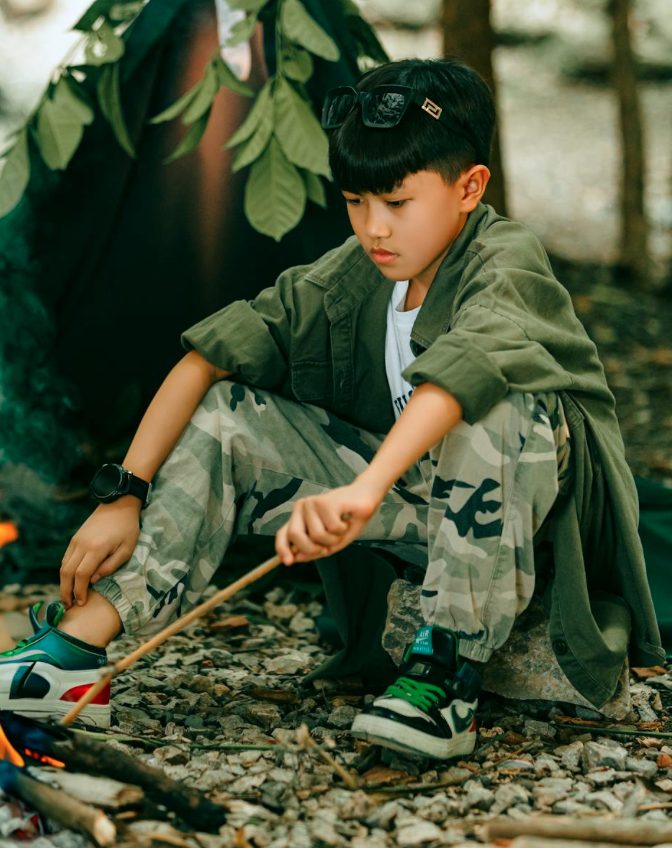
Young Boy Camping
A parent should speak with camp staff about structured outdoor activity, highlighting the importance of staff training, sensory support, and individualized care. Choosing the right autism summer camp starts with asking the right questions. (Pexels).

Summer camp can be a rewarding experience for children with autism, offering opportunities to build friendships, develop independence, and explore new interests in a structured environment. However, not every camp is equipped to meet the unique needs of autistic children. According to the CDC, autism spectrum disorder affects approximately 1 in 31 children in the United States, making inclusive and supportive recreational programs more important than ever. Before signing registration forms, parents should ask key questions that go beyond brochures and marketing materials. The answers can help determine whether a camp will be a positive, safe, and enriching experience for their child.

1. What Training Do Staff Members Have in Supporting Children With Autism?

The quality of staff training can significantly impact a child’s camp experience. Parents should ask whether counselors receive specific instruction on autism, sensory sensitivities, communication differences, and emotional regulation strategies. A counselor who understands how to recognize signs of overwhelm can often prevent a challenging situation from escalating. For example, a child struggling with a noisy dining hall may benefit from simple accommodations such as noise-reducing headphones or a quieter seating area. Camps with autism-specific training often create more supportive and inclusive environments for all campers.

2. How Does the Camp Handle Sensory Needs and Overstimulation?

Many autistic children experience sensory sensitivities that can make certain camp activities overwhelming. Parents should ask whether the camp provides quiet spaces, sensory breaks, or accommodations for children who become overstimulated. A well-prepared camp understands that bright lights, loud sounds, or crowded activities may require adjustments. Some camps allow children to use sensory tools such as headphones, fidget devices, or weighted items when needed. Understanding these policies beforehand helps families avoid surprises and ensures the camp can support their child’s comfort and well-being.

3. What Is the Staff-to-Camper Ratio?

Staff-to-camper ratios are one of the most important indicators of how much individualized attention a child will receive. Lower ratios often allow counselors to respond more effectively to behavioral, communication, or social challenges. For instance, a child who needs help transitioning between activities may require more direct support than a typical camp setting provides. Some specialized camps offer ratios as low as one counselor per camper, while others may have five to ten campers for every staff member. Knowing the ratio can help parents determine whether the level of supervision matches their child’s needs.

4. How Are Behavioral Challenges and Unexpected Situations Managed?

Every child has difficult moments, especially when adjusting to a new environment. Parents should ask how staff respond to meltdowns, anxiety, conflicts with peers, or unexpected schedule changes. Experts recommend looking for camps that emphasize de-escalation techniques and supportive interventions rather than punitive discipline. A child who becomes distressed because an activity was canceled due to weather may need reassurance, visual supports, or extra transition time. Clear policies and compassionate responses often indicate a camp that understands the diverse needs of autistic children.

5. How Will the Camp Communicate With Parents?

Strong communication between families and camp staff helps create a successful experience. Parents should ask how often updates are provided and who serves as the primary point of contact if concerns arise. Some camps offer daily reports, photos, emails, or scheduled check-ins to keep families informed. Open communication can be especially valuable during the first few days when a child is adjusting to a new routine. When parents and staff work as partners, it becomes easier to address challenges quickly and celebrate successes together.

The Question That Matters Most: Is This Camp the Right Fit for My Child?

The best camp for a child with autism is not necessarily the most expensive or the most popular. It is the one who understands the child’s individual strengths, challenges, interests, and support needs. Taking the time to ask detailed questions can help parents identify programs that prioritize safety, inclusion, and personal growth. A well-matched camp can help children build confidence, practice social skills, and create lasting memories. By focusing on fit rather than convenience, families can greatly increase the chances of a positive and successful camp experience.

What qualities do you think are most important when choosing a summer camp for a child with autism? Share your experiences, tips, or concerns in the comments and join the conversation.

What to Read Next

Parents Are Shocked by the Cost of Special Needs Summer Camps in 2026

5 Free Summer Camps In The U.S.: Here’s How You Qualify

5 Summer Camps That You Should NEVER Allow Your Children to Attend

Evan Morgan

Evan Morgan has been a full-time freelance writer and editor for 10+ years. When not working, he enjoys catching the latest true crime documentary or getting lost in a good book.

Filed Under: Parenting Tagged With: autism, autism awareness, autism summer camp, child development, family life, Parenting, parenting tips, special education, special needs parenting, Summer Camp

5 Cheap Summer Camp Alternatives That Kids Actually Love

April 1, 2026 | Leave a Comment

cheap summer camp alternatives
Image source: shutterstock.com

Finding affordable childcare during the summer months feels like a second mortgage for most families. You likely stare at registration fees and wonder how a simple day of crafts costs several hundred dollars. High prices are not a reflection of your parenting or your budget skills. Instead, a predatory system of seasonal markups has turned basic supervised play into a luxury commodity. Fortunately, families are reclaiming their summers by stepping outside the traditional camp industrial complex. These cheap summer camp alternatives provide better engagement without draining your savings account before the school year even begins.

1. Neighborhood Co-Op Trading

Parents often overlook the collective power of their own social circles. By forming a childcare swap, you eliminate the need for expensive professional counselors entirely. One parent manages a group of four children for a single day while others work. Consequently, everyone receives four days of free care in exchange for one day of hosting. This model fosters deep local friendships and keeps kids in a familiar, safe environment. Surprisingly, children often prefer the relaxed pace of a backyard over the rigid scheduling of a corporate camp facility.

2. Junior Library Apprenticeships

Local libraries have evolved far beyond quiet reading rooms and dusty shelves. Many branches now offer structured volunteer programs designed specifically for middle school students. These positions offer a sense of responsibility that paid camps rarely provide to younger participants. Your child learns organizational skills and digital literacy while assisting with community events. Since these programs are public services, they typically cost nothing to join. On the other hand, the value of professional exposure is truly immeasurable for a developing mind.

3. DIY Specialized Skill Intensives

Commercial camps often charge a premium for niche activities like coding or filmmaking. You can replicate these experiences at home using free online curriculum and low-cost supplies. Set a specific theme for the week and let your child lead the discovery process. This approach allows for a personalized pace that prevents the burnout common in overcrowded summer programs. Furthermore, the focus remains on genuine interest rather than just passing time until pickup. Kids find immense satisfaction in mastering a complex skill through their own initiative.

4. Community Center Micro-Clinics

Municipal recreation departments frequently host short-duration workshops that fly under the radar. These micro-clinics focus on specific sports or arts for just a few hours a day. By stitching these sessions together, you create a customized schedule that fits your specific needs. The overhead for these programs stays low because they utilize existing public infrastructure. Therefore, you pay for the instruction rather than the marketing and administrative bloat of private franchises. Check your city website early to snag these limited spots.

5. Teen-Led Adventure Pods

Responsible local teenagers often seek summer income but lack the resources to start a formal business. Hiring a high schooler to lead a small group of neighborhood kids on local outings is a brilliant compromise. These pods can visit public parks, splash pads, or nature trails for a fraction of camp tuition. You provide a job for a local youth while giving your kids a cool older mentor to look up to. Additionally, the small group size ensures every child receives individual attention and stays safe during excursions.

The Real Cost of Summer Fun

Breaking away from the traditional camp model requires a shift in perspective. You are not depriving your children by avoiding the most expensive options on the market. Instead, you are teaching them that community and creativity are more valuable than a branded t-shirt. These cheap summer camp alternatives offer a path to a stress-free season for everyone involved. Investing your time into these systems pays dividends in both your bank account and your family’s happiness. Learn about childcare subsidies and check developmental standards to ensure your plan meets every need.

What do you think is the biggest barrier to trying an alternative summer program this year? Please leave a comment and let me know your thoughts.

What to Read Next…

  • Why 2026 Tax Refunds Won’t Cover the Cost of Summer Camp This Year
  • 7 Summer Habits That Can Lead to Sickness Fast
  • 10 Foods That Spoil Faster Than You Think in Summer
Latrice Perez

Latrice is a dedicated professional with a rich background in social work, complemented by an Associate Degree in the field. Her journey has been uniquely shaped by the rewarding experience of being a stay-at-home mom to her two children, aged 13 and 5. This role has not only been a testament to her commitment to family but has also provided her with invaluable life lessons and insights.  As a mother, Latrice has embraced the opportunity to educate her children on essential life skills, with a special focus on financial literacy.

Filed Under: Summer Camp Tagged With: budget parenting, cheap summer camp alternatives, childcare hacks, frugal living, parenting tips, Summer Activities, Summer Camp

Why 2026 Tax Refunds Won’t Cover the Cost of Summer Camp This Year

February 7, 2026 | Leave a Comment

Why 2026 Tax Refunds Won’t Cover the Cost of Summer Camp This Year
Image Source: Shutterstock.com

If you’ve ever used your tax refund as the unofficial kickoff to summer planning, you’re not alone. For years, families have relied on that springtime cash boost to cover everything from camp deposits to sunscreen. But 2026 is shaping up to be a rude awakening. Tax refunds are smaller for many households this year, while summer camp prices are marching upward like they’re training for a marathon.

This isn’t about bad budgeting or overspending. It’s about two major trends colliding at the worst possible moment: shrinking refunds and rising childcare costs. And if you’re wondering why your refund doesn’t stretch the way it used to—or why day camp suddenly costs as much as a weekend getaway—you’re in the right place.

Refund Reality Check: Why Many Households Are Getting Less Back in 2026

Tax refunds fluctuate from year to year, but 2026 is delivering a noticeable dip for many families. Several factors are contributing to smaller refunds, and none of them have anything to do with how well you filled out your forms.

One major reason is that many taxpayers had less withheld from their paychecks throughout 2025. When withholding decreases, take‑home pay rises—but refunds shrink. It’s not a penalty; it’s just math. Another factor is that some temporary tax provisions from previous years have fully phased out, meaning fewer credits and smaller totals for families who had grown used to more generous returns.

Additionally, inflation adjustments to tax brackets can shift how much taxpayers owe versus how much they expect to get back. Even if your income didn’t change dramatically, the way it’s taxed might have.

Meanwhile, Summer Camp Costs Are Rising Faster Than Your Refund

If you’ve looked at summer camp prices lately, you may have wondered whether they accidentally added an extra zero. Camps across the country have raised prices due to higher staffing costs, increased insurance premiums, rising food expenses, and expanded safety requirements. These aren’t luxury upgrades—just the cost of running a program in 2026.

Day camps, overnight camps, specialty camps, and even half‑day programs have all seen price increases. Some camps cite higher wages for counselors and support staff, which is good news for workers but tough on family budgets. Others point to increased demand; after several years of fluctuating schedules and limited availability, parents are eager to secure spots early, and camps know it.

Why 2026 Tax Refunds Won’t Cover the Cost of Summer Camp This Year
Image Source: Shutterstock.com

The Child and Dependent Care Tax Credit Isn’t the Lifeline It Used to Be

Many parents rely on the Child and Dependent Care Tax Credit to offset summer camp costs, since day camps often qualify as childcare expenses. But the expanded version of this credit that temporarily boosted refunds in past years is no longer in effect. The credit has reverted to its pre‑expansion structure, which means lower maximum amounts and more limited eligibility.

This doesn’t mean the credit is gone—it’s still available, and it still helps. But it’s not the substantial refund‑booster it once was. Families who grew accustomed to the expanded credit may be surprised to find that their refund is smaller even though their childcare expenses haven’t changed.

Why the Timing Makes Everything Feel Worse

Tax refunds typically arrive in late winter or early spring—the exact moment when summer camp deposits are due. This timing has always made refunds feel like a natural funding source. But when refunds shrink and camp costs rise simultaneously, families feel the squeeze months before summer even begins.

The psychological effect is real. When you expect a certain refund amount and it comes in lower, it feels like losing money—even though technically, it was your money all along. Combine that with rising camp prices, and it’s easy to feel like the financial rug has been pulled out from under you.

How Families Can Navigate the 2026 Refund‑Camp Gap

You’re not powerless. While you can’t control tax policy or camp pricing, you can take steps to make summer more manageable.

Start by comparing camp options early. Prices vary widely, and some community‑based programs offer more affordable alternatives. Consider mixing lower‑cost weeks with specialty camps to balance the budget. If your schedule allows, look into part‑time programs or shorter sessions.

Also, revisit your tax withholding for the year ahead. If your refund was smaller than expected, adjusting your withholding can help you avoid surprises next spring. It won’t change what you owe overall, but it can help you plan more effectively.

Summer Isn’t Cancelled—But It Does Require a New Strategy

Summer camp is still possible in 2026. It just requires more planning, more comparison‑shopping, and a little more creativity than in years past. Smaller refunds don’t mean you’ve done anything wrong—they’re simply the result of shifting tax rules and economic realities. And rising camp costs aren’t a sign that camps are trying to gouge families; they’re responding to the same inflation pressures affecting everyone else.

What’s your take? Did your refund fall short of your summer plans, or did you find a creative workaround? Share your thoughts in the comments.

You May Also Like…

The Unexpected Tax: 11 Unexpected Taxes For New Parents

Child Savings: 11 Unexpected Taxes That Destroy Child Savings

Why So Many Parents Feel Financially Behind Every January

Tax Shock: 11 Unexpected Taxes for New Parents

How to Use Kids’ Holiday Gift Money to Start a Savings Habit Before They Spend

Brandon Marcus
Brandon Marcus
Brandon Marcus is a writer who has been sharing the written word since a very young age. His interests include sports, history, pop culture, and so much more. When he isn’t writing, he spends his time jogging, drinking coffee, or attempting to read a long book he may never complete.

Filed Under: taxes Tagged With: 2026 economy, childcare costs, Family Budgeting, inflation, IRS, money tips, personal finance, Summer Camp, tax credits, tax refunds, taxes

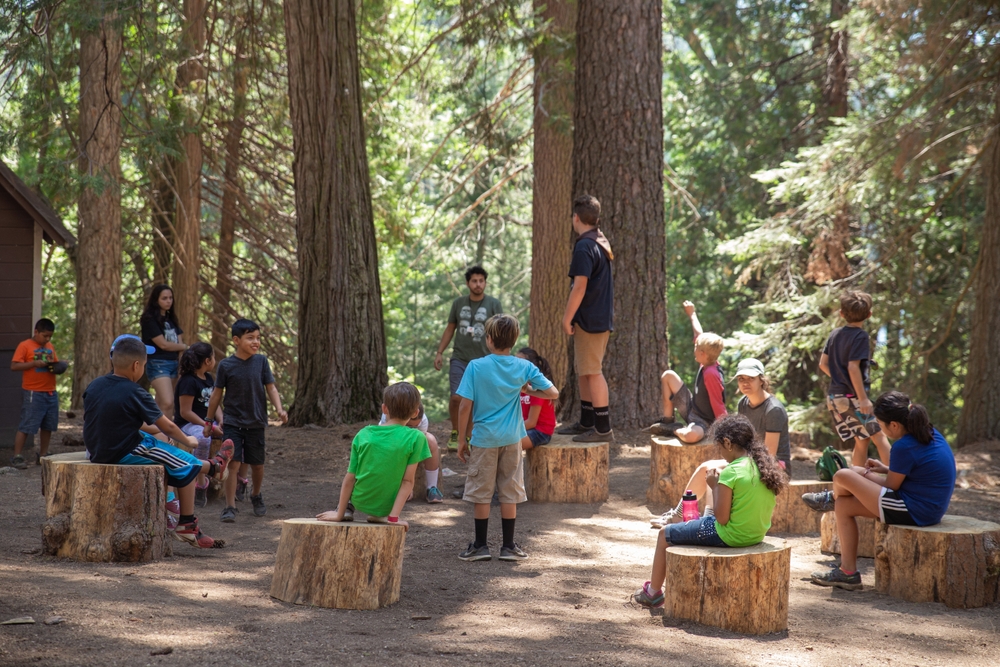
Dinosaur Summer Camp

July 18, 2011 | Leave a Comment

What boy doesn't love dinosaurs?
(via Pixabay)

I am sure you have heard me ramble on about how much my oldest son loves dinosaurs.  He is only 5 years old but he is so passionate about them.  He reminds me a lot of how I was as a kid.  I used to get super passionate about everything I got into and it just took over my world.

At the start of Summer, we saw an ad in our paper for a Summer day camp that we could not pass up.  It’s put on by a company based in New Jersey called Roving Nature Center Day Camp and they offer a few different options.  The one we signed Harrison up for is called Jurassic in the Park.  How perfect is that.  A week long Summer camp (half days) for 4 – 6 year olds that focuses entirely on dinosaur fun.  Today was his first day and he was just so freaking excited to tell us about it at.  I can’t wait to hear about how much fun he has the rest of this week.  Best $100 we spent so far this Summer.

Have your children ever gone to day camp? How did they like it?

Brian
Brian

Brian is the founder of Kids Ain’t Cheap and is now sharing his journey through parenthood.

 
Email • Google + • Facebook • Twitter

Filed Under: Random Musings, Stuff to Do Tagged With: Day Camp, Dinosaur Camp, Jurassic in the Park, Summer Camp

  • Facebook
  • Pinterest
  • RSS
  • Twitter

Basic Principles Of Good Parenting

Here some basic principles for good parenting:

  1. What You Do Matters: Your kids are watching you. So, be purposeful about what you want to accomplish.
  2. You Can’t be Too Loving: Don’t replace love with material possessions, lowered expectations or leniency.
  3. Be Involved Your Kids Life: Arrange your priorities to focus on what your kid’s needs. Be there mentally and physically.
  4. Adapt Your Parenting: Children grow quickly, so keep pace with your child’s development.
  5. Establish and Set Rules: The rules you set for children will establish the rules they set for themselves later.  Avoid harsh discipline and be consistent.
  6. Explain Your Decisions: What is obvious to you may not be evident to your child. They don’t have the experience you do.
  7. Be Respectful To Your Child: How you treat your child is how they will treat others.  Be polite, respectful and make an effort to pay attention.
Best Parenting Blogs

Most Popular

Baby

9 Unusual Baby Names That Sound Like They Belong to Future CEOs

Evan Morgan
Baby

10 Baby Names That Were Once Considered “Grandparent Names” but Feel Cool Again

Evan Morgan
Baby

9 Baby Names Inspired by Fall Without Naming Your Child Autumn

Evan Morgan
Target Store

Choking Incident Prompts Recall of 49,000 Target Gigglescape “Under the Sea” Popping Toys

Evan Morgan
Frustrated Girl

Why Some Students on the Spectrum Are Labeled With ODD

Evan Morgan

All content on Kids Ain’t Cheap is for entertainment purposes only. By reading this blog, you agree that Kids Ain’t Cheap is not responsible for any actions taken after reading this blog. For the full disclaimer, see our privacy policy.

Please note that Kids Ain’t Cheap has financial relationships with some of the merchants mentioned here. Kids Ain’t Cheap is funded by banner advertising, commission sales and search optimization consulting.

Copyright © 2006–2026 | District Media | All Rights Reserved | Privacy Policy

Copyright © 2026 Runway Pro Theme by Viva la Violette