• Home
  • About Us
  • Toolkit
  • Archives
  • Advertise
  • Privacy Policy

Kids Ain't Cheap

But They Sure Are Worth It

  • Parenting
    • Baby Stuff
    • Books and Reading
      • Aesops Fables
      • Comic Books
    • Education
    • Family Time
    • Green Living
    • Growing Up
    • Healthy Living & Eating
    • Holidays
    • Parenting
    • Random Musings
    • Shopping
    • Stuff to Do
  • Money
  • Product Reviews
    • Books and Magazines
    • Discount Sites
    • Furniture
    • House Keeping
    • Reviews News
    • Toys and Games
  • Contact Us
  • Our Editorial Commitment
  • Search

7 School Lunch Payment Fees Quietly Raising Parents’ Costs

July 31, 2026 | Leave a Comment

Kids Eating Lunch
A parent should review a school lunch payment app while comparing deposit options, highlighting how transaction fees can quietly increase back-to-school costs. Understanding local payment policies may help families reduce unnecessary expenses. (Pexels).

Back-to-school shopping isn’t the only expense catching families off guard. Across the country, some parents are discovering that simply adding money to a child’s cafeteria account can come with extra costs that slowly add up over the school year. While many districts offer free ways to pay for school meals, others rely on third-party payment platforms that may charge convenience or processing fees for certain payment methods. Because policies vary by district, understanding these school lunch payment fees can help parents avoid unnecessary expenses and stretch their education budget further.

1. Convenience Fees for Online Deposits

Many school districts partner with third-party payment companies that allow parents to fund lunch accounts online or through mobile apps. Some platforms charge a flat convenience fee each time money is added, regardless of the deposit amount. The Consumer Financial Protection Bureau found average transaction fees of about $2.37, or roughly 4.4% of a deposit, in many districts it reviewed, though fees differ by provider and district. A parent making small weekly deposits could spend noticeably more over an entire school year than someone making fewer, larger deposits. Not every district passes these costs to families, so checking local payment policies is worthwhile.

2. Small Deposits Can Mean Bigger Annual Costs

Families often add $10 or $20 at a time because that fits their weekly budget. Unfortunately, when a flat fee applies to every transaction, frequent deposits can increase total costs. The CFPB estimated that parents making biweekly online deposits could pay more than $40 in fees over a school year, while those making only a few larger deposits would pay far less. These examples are estimates rather than guarantees, since every district operates differently. If your budget allows, fewer deposits may reduce the impact of school lunch payment fees.

3. Credit and Debit Card Processing Charges

Some payment platforms apply fees only when parents use a credit or debit card. Others may waive fees for electronic bank transfers or have different pricing structures depending on the payment method selected. Before completing a transaction, it is worth reviewing all available payment options on the platform. Even a quick glance at the payment screen can reveal a lower-cost alternative. Spending an extra minute comparing methods may save money throughout the school year.

4. Refund Fees or Balance Policies

When a student changes schools or graduates, families sometimes request a refund of unused lunch account balances. Depending on district policy or the payment processor, refunds may take time or involve administrative requirements. Some districts encourage families to transfer remaining balances to another student or leave funds for future use instead of requesting a refund. Since these policies vary widely, parents should review their district’s nutrition services information before making assumptions. Knowing the rules early helps avoid surprises later.

5. Automatic Reload Features

Many online payment systems offer automatic account reloading whenever a balance falls below a certain amount. While convenient, each automatic reload could trigger another processing fee if the platform charges per transaction. Parents who do not review these settings may unknowingly pay multiple fees throughout the semester. Checking account preferences once or twice a year can help ensure automatic payments still fit the family’s budget and spending habits. A larger reload amount may reduce estimated annual fees, but families should avoid depositing more than they can comfortably leave in the account.

6. Limited Awareness of Free Payment Options

Schools participating in the National School Lunch Program are expected to provide families with a fee-free way to add money to meal accounts. However, those options are not always the most visible or convenient, especially if online payment portals are promoted more prominently. In many districts, paying by cash, check, or another approved method may avoid transaction charges entirely. Families should remember that not every school charges online fees, and many districts absorb these costs on behalf of parents. Asking the school nutrition office about available payment methods can uncover options that save money.

7. Fees That Seem Small but Add Up

A single $2 fee may not seem significant during a busy school week. Over several months, however, repeated charges can quietly increase a family’s annual education expenses, especially for households with multiple children. Between school meals, activity fees, and other back-to-school costs, even modest savings can make a meaningful difference. Reviewing payment habits once each semester is a practical way to keep school lunch payment fees under control without making major lifestyle changes. A few small adjustments today could leave more room in the family budget tomorrow.

A Smarter Way to Manage School Lunch Costs

The convenience of online lunch payments has made life easier for millions of parents, but convenience sometimes comes at a price. Since every school district handles payment systems differently, families should review local policies before assuming every online deposit carries a fee. Looking for fee-free payment methods, making fewer deposits when practical, and understanding refund and reload policies can help reduce unnecessary costs. Staying informed is one of the easiest ways to protect your household budget while ensuring children have reliable access to school meals.

What strategies have helped you save money on school-related expenses, and should districts do more to make fee-free options easier to find? Share your experience or tips in the comments to help other parents navigate school lunch payment fees more confidently.

What to Read Next

Why “Back to School” Shopping Feels Like a Mortgage Payment Now

Teachers Beg Parents: Stop Buying These 7 High-Sugar Snacks for School Lunches

8 Reasons Your Kids Prefer School Lunches to What You Pack

Evan Morgan

Evan Morgan has been a full-time freelance writer and editor for 10+ years. When not working, he enjoys catching the latest true crime documentary or getting lost in a good book.
Filed Under: Parenting Tagged With: Back to School, education costs, Family Budget, household budgeting, Parenting, personal finance, Saving Money, school lunch payment fees, school lunches, School Nutrition

The Lunchbox Items Kids Are Most Likely to Bring Home Uneaten

July 31, 2026 | Leave a Comment

Lunchbox
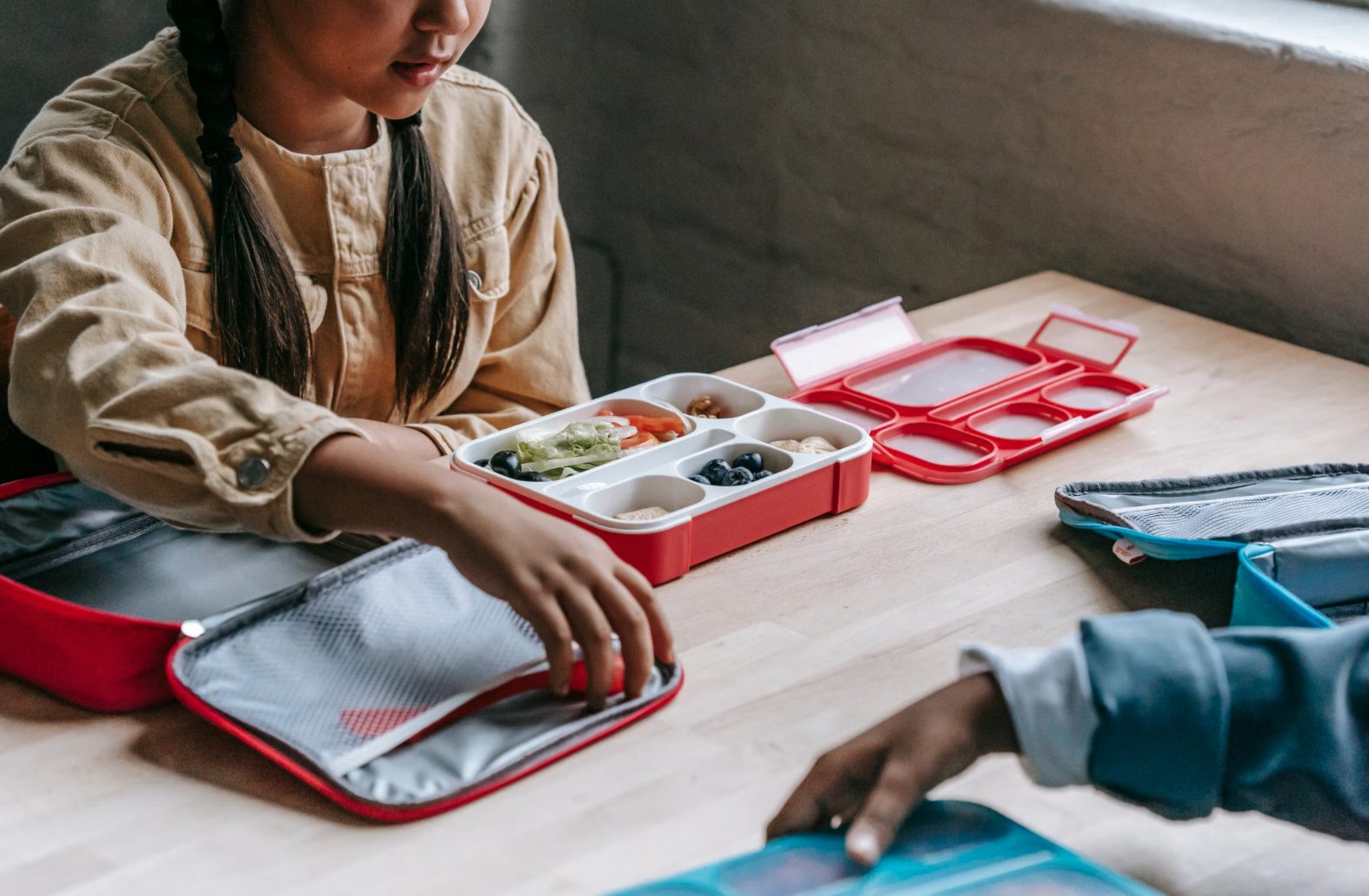
A child’s lunchbox with untouched vegetables, fruit, and half a sandwich highlights the foods that often return home after school. Small portion changes and familiar favorites can help reduce waste. (Pexels).

Packing a school lunch can feel like a daily guessing game. One day your child happily eats sliced cucumbers, and the next day they come home untouched. Parents often assume they’re doing something wrong, but research shows that food preferences, short lunch periods, distractions, and changing tastes all play a role. Understanding which lunchbox items are most likely to return home uneaten can help families reduce food waste, save money, and make school lunches more enjoyable.

Raw Vegetables Often End Up Back at Home

Raw vegetables are one of the most commonly uneaten lunchbox items, especially when they’re packed without a dip or paired with unfamiliar foods. Recent research has found that children with picky eating habits are significantly less likely to eat vegetables or salads during school lunches than their peers. Fresh carrots, celery, cucumber slices, and bell peppers may be nutritious, but many children simply run out of time or choose foods they enjoy more first. Instead of eliminating vegetables, try offering smaller portions with hummus or ranch dressing. Many parents also find that rotating vegetables instead of packing the same ones every day improves acceptance over time.

Whole Fruit Can Be More Trouble Than It’s Worth

Whole apples, oranges, and pears often come home untouched because they take longer to eat during limited lunch breaks. Younger children may also struggle to peel fruit or bite into larger pieces comfortably. Cutting fruit into bite-sized portions or packing berries, grapes, or melon cubes can make healthy choices easier to finish. Studies of school lunches have consistently found that fruit is one of the foods picky eaters skip more frequently than other children. Convenience matters just as much as nutrition when the lunch bell only lasts 20 to 30 minutes.

Large Sandwiches Frequently Go Half-Eaten

A full-size sandwich may look like the perfect lunch, but many kids simply don’t have the appetite or time to finish it. Parents often discover that only a few bites disappear before the sandwich heads back home. Packing half sandwiches, sliders, or pinwheel wraps can reduce waste while still providing enough protein and whole grains. School lunch researchers have noted that portion size plays a significant role in what children actually eat. Smaller servings can always be followed by easy-to-eat snacks if your child is still hungry later in the day.

Yogurt and Dairy Items Can Be Hit or Miss

Yogurt tubes, cottage cheese, and cheese cubes are nutritious options, but they aren’t always finished. Texture changes as foods warm up, even when packed with ice packs, which can make dairy products less appealing by lunchtime. Some children also avoid dairy because they’re focused on socializing rather than eating slowly. Insulated lunch containers and frozen yogurt tubes can help maintain a better texture throughout the morning. Watching which dairy products consistently come back untouched is a better guide than assuming every healthy choice is a favorite.

New or Unfamiliar Foods Usually Stay Untouched

Parents naturally want to introduce variety, but school lunch is rarely the best place to experiment. Children tend to choose familiar foods in busy cafeteria settings where distractions are everywhere. Researchers have also found that social influences and familiarity affect children’s willingness to eat certain lunchbox foods. Introducing new foods at home first, where there’s less pressure and more time, gives kids a better chance to accept them before they appear in a lunchbox. Once a food becomes familiar, it’s much more likely to be eaten at school.

Smart Lunch Packing Starts with Observation

The best lunchbox isn’t the one that looks perfect in a social media photo—it’s the one that comes home nearly empty. Pay attention to what consistently returns and treat those leftovers as useful feedback rather than frustration. Involving children in grocery shopping and lunch planning often increases the chances they’ll actually eat what they helped choose. Packing slightly smaller portions, rotating favorite foods, and keeping meals simple can reduce both food waste and grocery costs. Small adjustments based on your child’s habits usually produce better results than constantly searching for the perfect lunch.

Every child has different tastes, and finding the right lunchbox combination often takes patience and trial and error. Paying attention to what comes home uneaten can help you build lunches your child actually enjoys while cutting down on wasted food. Small changes, such as serving bite-sized fruit or smaller sandwiches, can make a surprisingly big difference over time.

What lunchbox item does your child bring home untouched most often, and what trick has helped you cut down on food waste? Share your experience in the comments—we’d love to hear your ideas.

What to Read Next

Teachers Beg Parents: Stop Buying These 7 High-Sugar Snacks for School Lunches

6 Smart Ways Parents Are Cutting School Lunch Costs Right Now

Nutritionists Warn: 6 “Healthy” Lunchbox Staples That Spike Sugar Crashes at School

Evan Morgan

Evan Morgan has been a full-time freelance writer and editor for 10+ years. When not working, he enjoys catching the latest true crime documentary or getting lost in a good book.
Filed Under: Parenting Tagged With: Back to School, food waste, healthy eating, kids nutrition, lunchbox ideas, Parenting, picky eaters, school lunches

Nutritionists Warn: 6 “Healthy” Lunchbox Staples That Spike Sugar Crashes at School

February 2, 2026 | Leave a Comment

Nutritionists Warn: 6 “Healthy” Lunchbox Staples That Spike Sugar Crashes at School
Image Source: Shutterstock.com

Every parent knows the lunchbox pressure. You want foods that look healthy, sound healthy, and won’t come home untouched at the end of the day. Grocery aisles don’t make it easier, with labels shouting “natural,” “whole grain,” and “low fat” like nutritional confetti.

But here’s the truth nutritionists keep repeating: some of the most common “healthy” lunchbox staples cause massive blood sugar spikes followed by energy crashes, mood swings, and afternoon brain fog in kids. That post-lunch slump, crankiness, and total loss of focus in class often have less to do with sleep and more to do with what’s in the lunchbox.

1. Flavored Yogurt Cups That Act Like Dessert In Disguise

Flavored yogurt sounds like a nutrition win until you read the sugar label. Many popular kids’ yogurts contain as much added sugar as a small candy bar, even when they’re marketed as “low fat” or “made with real fruit.” The sugar spikes blood glucose quickly, especially when there’s not enough fiber or protein to slow digestion. That rush of energy feels great for about 30 minutes, then crashes hard into fatigue and irritability.

Nutritionists recommend switching to plain Greek yogurt and adding fresh fruit or a drizzle of honey, so you control the sugar instead of letting the packaging decide. Protein-rich yogurt paired with real fiber helps stabilize energy instead of turning lunch into a sugar roller coaster.

2. Granola Bars That Behave Like Candy Bars

Granola bars live in lunchboxes like royalty because they’re easy, portable, and labeled “whole grain.” The problem is that many of them are loaded with syrups, refined sugars, and processed carbs that digest fast and spike blood sugar quickly. Kids get a burst of energy followed by a steep crash that hits right in the middle of afternoon classes. Even bars with oats and seeds often contain more sugar than protein, which flips their nutrition profile upside down.

Nutritionists suggest choosing bars with visible nuts, seeds, and at least 6–8 grams of protein, or swapping them for a trail mix made with nuts and low-sugar dried fruit. Real fats and protein slow digestion and keep energy steady instead of spiky.

3. Fruit Snacks And Fruit Leathers That Aren’t Really Fruit

Fruit snacks look wholesome, especially when they say “made with real fruit” or show pictures of strawberries and apples on the package. In reality, most fruit snacks are concentrated sugar sources with very little fiber, which is what actually makes fruit filling and stabilizing. Without fiber, sugar hits the bloodstream fast and burns out just as quickly. Kids often feel hungry again shortly after eating them, which leads to more snacking and more sugar swings.

Experts recommend whole fruit instead, because fiber, water, and natural sugars work together to regulate digestion and energy. Pairing fruit with nuts or cheese adds protein and fat that prevent energy crashes.

4. White Bread Sandwiches Masquerading As Balanced Meals

A sandwich feels like a complete lunch, but white bread breaks down into glucose almost as fast as straight sugar. Even with turkey or peanut butter inside, refined bread creates a quick blood sugar spike followed by a drop that affects focus and mood. Kids may feel sleepy, foggy, or irritable long before the school day ends. Whole-grain labels don’t always mean whole-grain nutrition, especially when refined flours still dominate the ingredient list.

Try truly whole-grain bread with visible grains or use wraps made from high-fiber grains. Adding healthy fats like avocado or hummus also slows digestion and stabilizes energy levels.

5. Juice Boxes That Pretend To Be Hydration

Juice feels like a healthier option than soda, but nutritionally, it behaves very similarly. Most juice boxes lack fiber and deliver concentrated sugar straight into the bloodstream. This creates fast energy spikes followed by fast crashes, especially in kids who are already sensitive to blood sugar swings. Even 100% juice can cause these effects when it’s not balanced with protein or fat.

It’s better to use water as the primary drink and whole fruit instead of juice for sweetness. If juice is included, pairing it with protein and fiber can reduce the crash effect.

Nutritionists Warn: 6 “Healthy” Lunchbox Staples That Spike Sugar Crashes at School
Image Source: Shutterstock.com

6. Low-Fat Crackers That Spike Hunger Instead Of Solving It

Low-fat crackers often look like a smart lunchbox filler, but removing fat usually means adding refined carbs. These crackers digest quickly, spike blood sugar, and fail to keep kids full for long. Hunger returns fast, energy drops, and concentration follows. Many kids end up snacking constantly through the afternoon because their lunch didn’t actually stabilize their blood sugar.

Choose to pack crackers with whole grains, seeds, and healthy fats, or replace them with nuts, cheese, or hummus and veggies. Balanced snacks create lasting energy instead of short-lived fullness.

Lunchbox Energy Starts With Balance, Not Buzzwords

Real energy doesn’t come from labels, packaging, or clever marketing language. It comes from balanced meals that combine protein, fiber, and healthy fats to slow digestion and stabilize blood sugar. When lunchboxes rely too heavily on refined carbs and hidden sugars, kids pay the price with crashes, mood swings, and poor focus.

Small swaps create massive changes in energy, behavior, and learning. Better lunchboxes don’t need perfection, just a smarter balance.

What “healthy” lunchbox food shocked you the most on this list, and what are you going to swap it for first? Share your stories in the comments.

You May Also Like…

Virginia Baby Food Ban: 5 Specific Brands Just Prohibited Under New Safety Laws

7 Signs Your Child Has a Healthy Friendship—and 3 Red Flags to Watch

Food Hacks to Turn Leftovers Into Kids’ Lunches That Beat Store Prices

7 Lunch Foods That Make Kids a Target for Teasing

Teachers Beg Parents: Stop Buying These 7 Expensive School Supplies

Brandon Marcus
Brandon Marcus
Brandon Marcus is a writer who has been sharing the written word since a very young age. His interests include sports, history, pop culture, and so much more. When he isn’t writing, he spends his time jogging, drinking coffee, or attempting to read a long book he may never complete.

Filed Under: Family Tagged With: balanced meals, blood sugar crashes, child focus, healthy kids, healthy lunchbox, kids nutrition, nutrition education, parenting tips, school energy, school lunches, sugar spikes

6 Kid-Friendly Foods That Were Quietly Recalled This Month

January 10, 2026 | Leave a Comment

6 Kid-Friendly Foods That Were Quietly Recalled This Month
Image source: shutterstock.com

Food recalls don’t always show up as a big headline, especially when they’re limited to certain states, certain lots, or a single packaging mistake. That’s why families can miss items that were quietly recalled even though they’re common in lunchboxes, after-school snacks, and quick weekend treats. As of January 7, 2026, the recalls below were announced within the past month, and they’re the kind that can slip past even careful shoppers. The goal isn’t panic—it’s a simple routine for checking packages, lot codes, and “best by” dates before kids grab a bite.

1. A Multi-Brand Distributor Recall That Can Reach Everyday Snacks

This one stands out because it isn’t a single brand—it’s a distributor recall tied to storage conditions, which can affect many familiar pantry items at once. The notice involves a large list of products held at a facility, and it includes human foods alongside other FDA-regulated items. Families who shop in the affected areas should treat this as a pantry audit, because the products can look totally normal on the outside. If something in the house matches the listed items, the safest move is to discard it and sanitize any shelves or bins where it sat. This is the type of quietly recalled situation where the “check the list” step matters more than guessing.

2. Choceur Holiday Bark With Undeclared Allergens

Seasonal candy and snack mixes often get shared at parties and tucked into treat bags, which is why allergen recalls can spread fast in schools and friend groups. In this case, Choceur Holiday Bark was recalled because certain packages may contain undeclared allergens due to a packaging mix-up. That means a child with a wheat or pecan allergy could be at risk even if the label looks safe at a glance. Families should check for the specific lot information and “best by” dates in the recall notice, then discard the product rather than “picking around” pieces. If a child ate it and shows allergy symptoms, caregivers should follow the child’s action plan and seek medical help when needed.

3. Quietly Recalled Frozen Cookie Dough Mix-Ups

Frozen cookie dough feels like an easy win for birthdays, sleepovers, and quick dessert nights, so it tends to linger in freezers for months. This recall involved “Bag Full of Cookies” White Chocolate Macadamia Nut frozen cookie dough that may contain undeclared peanuts because a peanut-containing dough could end up in the wrong bag. The key clue is that the dough appearance may not match the label, so families should avoid “taste testing” to confirm what’s inside. When a product is quietly recalled for allergens, the safest choice is to return it or discard it, even if nobody in the house has reacted before. A good household rule is to keep peanut-allergen items in a separate freezer bin to reduce mix-ups during busy weeks.

4. Cookie Tins With Undeclared Tree Nuts

Cookie tins are a classic “grab-and-go” snack, which makes labeling accuracy a big deal for kids who trade snacks or eat at activities. In this recall, certain cookie tins were flagged because the products contained tree nut allergens that weren’t properly declared. This can be especially tricky because tins often get opened, moved to a counter, and served without the original purchase receipt nearby. Families should check any gifted tins too, since holiday food swaps can bring these into the house without anyone remembering the brand. If there’s any match to the recall details, the safest move is to stop serving them and remove them from shared snack areas. This is another quietly recalled scenario where preventing a single accidental bite is the whole point.

5. H-E-B Dairy-Free Coconut Yogurt With Undeclared Almond

“Dairy-free” labels can feel reassuring, but allergen recalls remind families that dairy-free doesn’t automatically mean nut-free. This recall involved a strawberry-flavored dairy-free coconut yogurt sold under an H-E-B brand label because it may contain undeclared almond. That’s a big issue for families relying on it as a safe option for school breakfast, snack time, or sensory-friendly foods. If the product is in the fridge, families should check the recall details and avoid serving it until they confirm it’s not part of the affected lot. It also helps to teach kids a simple habit: when a label says “dairy-free,” it still needs a quick allergen scan before eating.

6. Ritz Peanut Butter Crackers With a Labeling Risk

Cracker sandwiches are a lunchbox staple, and labeling mix-ups are one of the easiest ways allergens sneak into a child’s day. This recall was limited and focused on certain cartons where individual packs could be incorrectly labeled as cheese even though the product may be peanut butter. That matters because a child with a peanut allergy might trust the individual wrapper when eating away from home. Families should match the “best when used by” dates and product identifiers listed in the notice, then discard affected packages rather than sending them to school. It’s worth reminding kids to bring any “mystery snack” wrapper back home instead of eating it if the label seems odd.

The Pantry Check That Turns Recalls Into a 2-Minute Fix

A recall routine works best when it’s short enough to actually happen, like a weekly “snack sweep” while putting groceries away. Families can set one bin for items kids can grab anytime and one bin for foods that require an adult check first, especially for allergens. Saving outer cartons for a day or two helps because UPCs and codes are often easier to find there than on tiny wrappers. A simple photo album on a phone for “current snacks” can help caregivers quickly compare labels without digging through trash or recycling. When something is quietly recalled, the fastest win is spotting it early and removing it before it becomes part of the weekly routine.

What’s one simple system that helps families in the house catch recalls before kids grab a snack—bin labels, weekly checks, or something else?

What to Read Next…

10 Children’s Medications That Were Recently Recalled

Silent Danger: 8 Common Foods That Are Choking Hazards For Young Children

7 Popular Lunch Snacks That Were Quietly Recalled

Stop Buying This: 6 Food Items That We Think Are Healthy but Are Bad for Our Children

Gear Safety: 6 Urgent Safety Checks for Baby Gear

Catherine Reed
Catherine Reed

Catherine is a tech-savvy writer who has focused on the personal finance space for more than eight years. She has a Bachelor’s in Information Technology and enjoys showcasing how tech can simplify everyday personal finance tasks like budgeting, spending tracking, and planning for the future. Additionally, she’s explored the ins and outs of the world of side hustles and loves to share what she’s learned along the way. When she’s not working, you can find her relaxing at home in the Pacific Northwest with her two cats or enjoying a cup of coffee at her neighborhood cafe.

Filed Under: Safety Tagged With: allergy safety, food labeling, food recalls, Grocery Shopping, kids snacks, pantry organization, parenting tips, school lunches

6 Popular Kids’ Snacks That Were Just Banned in Other Countries

January 8, 2026 | Leave a Comment

6 Popular Kids’ Snacks That Were Just Banned in Other Countries
Image source: shutterstock.com

If the pantry looks like a mini snack aisle, it’s worth knowing that some products (or U.S. versions of them) don’t meet rules in other places. In several countries, bans and restrictions focus on specific additives, colors, or safety risks that show up in brightly packaged treats. That doesn’t automatically make every item “dangerous,” but it does explain why parents overseas sometimes see different ingredient standards on the same kinds of foods. Here are six real examples, plus what those decisions can teach families shopping at home.

1. Skittles

Skittles became a headline example among popular kids’ snacks because the European Union banned titanium dioxide as a food additive in 2022, which meant products using it couldn’t be sold there in the same formulation. That matters because titanium dioxide had been used in candy for color/opacity, and it’s one of the additives that triggered “this can’t be sold here” rules. In the U.S., Mars later removed titanium dioxide from Skittles, but older packages may still show it while inventory works through stores. This is a good reminder that “same brand” doesn’t always mean “same ingredients” across countries. When a candy’s look is the selling point, it’s often the color additives that run into the strictest rules first.

2. Jelly Mini-Cup Candies (Konjac “Mini Jelly” Cups)

Mini jelly cups made with konjac have been banned in the EU because of choking concerns, especially for children. The issue isn’t “sugar vs. no sugar,” but the gel texture and shape that can lodge in the throat. These popular kids’ snacks products are often marketed in bright fruit flavors that look child-friendly, which is part of why they draw extra attention from regulators. If these cups show up in international markets or online listings, the same product type may be legal in one place and banned in another. For a similar “sweet and fruity” vibe without the mini-cup risk, shelf-stable fruit leathers or dried fruit are easier to portion and pack.

3. Peeps Marshmallow Chicks (Certain Pink or Purple Varieties)

Some Peeps colors have used Red Dye No. 3 (erythrosine), and that dye has been restricted in the EU for decades. In the EU, erythrosine has been authorized only for very limited uses (not as a general candy color), which means many products using it would need reformulation to be sold there. That’s why a treat can feel “normal” in one country but functionally off-limits in another. Even in the U.S., Red 3 is being phased out under the FDA’s 2025 ban timetable, which is pushing more companies to switch colors. When marshmallow snacks are on the list, it’s usually the dye doing the heavy lifting, not the marshmallow itself.

4. Brach’s Conversation Hearts and Brach’s Candy Corn

Brach’s Conversation Hearts and Brach’s Candy Corn are examples of popular kids’ snacks that has shown up in reporting about Red Dye No. 3 in U.S. foods. Because Red 3 has long been restricted in the EU, products relying on it don’t translate cleanly into overseas shelves without ingredient changes. That doesn’t mean every heart or candy-corn piece everywhere uses it, but it shows how a single dye can decide whether a product crosses borders. If a family tries to reduce dye exposure, this is one of those “read the color line” moments on the ingredient list. A simple swap is choosing a chocolate-based seasonal candy, since many mini chocolate bars don’t rely on bright synthetic colors for their look.

5. Dubble Bubble Original Twist Bubble Gum

Dubble Bubble Original bubble gum has ingredient lists that include FD&C Red 3 on some product packaging and retailer ingredient pages. That matters because Red 3 restrictions differ widely, and the EU’s limits make “brightly colored candy gum” a common reformulation target. Gum is a classic lunchbox add-on, but the colorants are often doing more than the flavor when it comes to regulatory attention. If a family wants gum without the same dye concerns, uncolored mint gums or “white” bubble gums are usually easier to find. This is also a good moment to check serving size, because it’s easy for gum to turn into multiple pieces a day without anyone noticing.

6. Pez Candy Refills

Pez is another of the popular kids’ snacks that has been cited by consumer advocates as showing up in Red 3 discussions alongside other brightly colored sweets. Because countries regulate dyes differently, a candy that’s easy to buy in one place may need a different recipe to be sold elsewhere. That’s why the “banned overseas” conversation often boils down to a tiny line on the label where certified colors are listed. If a family keeps novelty candies around, treating them like an occasional treat instead of a daily habit is the simplest risk-reducer.
For a similar “fun factor,” sticker treats, novelty toothpicks, or small toys can replace the dispenser habit without becoming a food routine.

What Parents Can Learn From These Snack Bans

International bans don’t mean a pantry has to be purged overnight, but they do show how much rules can differ depending on additives and safety concerns. When popular kids’ snacks are the issue, the deciding factor is often colorants or a specific ingredient that other countries restrict more tightly. A practical habit is checking the ingredient list for certified colors and noticing when a product is “bright” mainly because of dyes. Another smart move is buying single servings first, because reformulations (or “new versions”) can taste different than the snack a family remembers. Over time, swapping in less brightly colored options a few days a week can reduce additive exposure without turning snacks into a daily battle.

Which of these popular kids’ snacks bans surprised families the most, and what swaps have actually worked without causing snack-time drama?

What to Read Next…

Ways to Make After-School Snacks That Are Cheap, Nutritious and Kid-Approved

7 Popular Lunch Snacks That Were Quietly Recalled

Silent Danger: 8 Common Foods That Are Choking Hazards For Young Children

Stop Buying This: 6 Food Items That We Think Are Healthy but Are Bad for Our Children

7 Lunch Foods That Make Kids a Target for Teasing

Catherine Reed
Catherine Reed

Catherine is a tech-savvy writer who has focused on the personal finance space for more than eight years. She has a Bachelor’s in Information Technology and enjoys showcasing how tech can simplify everyday personal finance tasks like budgeting, spending tracking, and planning for the future. Additionally, she’s explored the ins and outs of the world of side hustles and loves to share what she’s learned along the way. When she’s not working, you can find her relaxing at home in the Pacific Northwest with her two cats or enjoying a cup of coffee at her neighborhood cafe.

Filed Under: Healthy Living & Eating Tagged With: children’s nutrition, food safety, healthy eating, international bans, kids snacks, parenting tips, school lunches

7 Lunch Foods That Make Kids a Target for Teasing

October 25, 2025 | Leave a Comment

7 Lunch Foods That Make Kids a Target for Teasing
Image source: shutterstock.com

School lunchrooms can be surprisingly high-pressure environments where even small differences can attract unwanted attention. While parents pack meals with love and nutrition in mind, children often see their food through a social lens shaped by what their peers consider “normal.” The wrong lunch can quickly make a child feel singled out, embarrassed, or even teased. Understanding which items might cause issues can help parents strike a balance between healthy, cultural, and socially comfortable choices. Here are seven lunch foods that make kids a target for teasing—and what you can do instead.

1. Strong-Smelling Foods That Fill the Room

One of the most common lunch foods that makes kids a target for teasing is those with strong odors. Items like tuna salad, hard-boiled eggs, or leftover fish can quickly draw attention once the container is opened. While these options are healthy and protein-rich, their scent can linger in the air and invite comments from classmates. Kids might hear jokes or exaggerated reactions that make them feel self-conscious about their meal. Opting for milder-smelling proteins like turkey, chicken, or nut-free spreads can help avoid lunchtime embarrassment without sacrificing nutrition.

2. Cultural Dishes That Look “Different”

Cultural diversity is something to celebrate, but it can sometimes make kids feel vulnerable in settings where familiarity rules. Foods like curries, kimchi, or dumplings are delicious and meaningful, yet they may look or smell unusual to peers who aren’t used to them. Unfortunately, some children may mock what they don’t understand. It’s heartbreaking when a child begins to reject their cultural foods just to fit in. Parents can help by discussing cultural pride at home and coordinating with teachers or schools that encourage inclusivity during mealtimes.

3. Overly “Healthy” or Unfamiliar Snacks

Some lunch foods that make kids a target for teasing include overly health-conscious options that stand out against the usual chips and cookies. Kale chips, seaweed snacks, or green smoothies, while nutritious, can lead to teasing if peers see them as “weird” or “gross.” Children may start hiding or avoiding these foods altogether, even if they liked them before. A good approach is to balance healthy items with familiar ones so kids feel confident opening their lunch. Pairing carrot sticks with a small treat, for example, can make a meal both healthy and socially comfortable.

4. Messy or Hard-to-Eat Meals

Difficult-to-handle foods can make lunchtime awkward. Spaghetti, soups, or saucy leftovers might spill easily or require utensils that younger kids struggle with. If a child gets messy or takes longer to eat, it can attract teasing from classmates who finish quickly. These lunch foods that make kids a target for teasing often cause stress that takes away from the fun of lunchtime. Simpler, bite-sized meals—like wraps, sandwiches, or fruit cups—tend to be easier to manage and less likely to draw attention.

5. Lunches That Seem “Too Fancy”

A perfectly curated lunch with bento boxes, neatly cut fruit, and decorative toothpicks can sometimes backfire in social settings. What’s meant as a thoughtful gesture can make a child stand out among peers with standard sandwiches and chips. Kids may face lighthearted jokes about being “spoiled” or “trying too hard,” which can sting more than parents realize. While these meals look beautiful on social media, practicality often matters more at school. Keeping lunches simple yet nutritious can help kids blend in comfortably without sacrificing parental care.

6. Cold or Leftover Dinners Packed for Lunch

While repurposing leftovers is a great way to save money and reduce waste, some dishes just don’t translate well in a school lunchbox. Cold pasta, stir-fry, or casserole can taste fine but look unappealing compared to freshly packed sandwiches. Peers might react negatively or joke about “weird leftovers,” even if the meal is delicious. These types of lunch foods that make kids a target for teasing can make them reluctant to eat what’s packed. To keep leftovers appealing, repack them creatively—like turning last night’s chicken into a wrap or quesadilla.

7. Foods That Trigger Allergies or Restrictions in Others

In today’s classrooms, where food allergies and dietary restrictions are common, bringing peanut butter sandwiches or dairy-heavy meals can sometimes cause issues. While not inherently “teasable,” these foods can make a child feel singled out if their meal is restricted or swapped due to safety rules. Other kids might also make comments about why certain foods aren’t allowed nearby. Encouraging empathy and awareness at home can help children understand these situations and handle them confidently. When in doubt, choose allergy-safe alternatives that keep everyone comfortable.

Helping Kids Feel Confident About What’s in Their Lunchbox

Lunch should be a time for kids to relax and refuel—not worry about judgment from their peers. Parents can help by discussing what happens at school and adjusting lunches based on feedback rather than fear. Encouraging kids to embrace their favorite meals while respecting social dynamics teaches both confidence and awareness. The goal isn’t to avoid individuality but to make sure children feel comfortable being themselves. With a little balance and open conversation, parents can protect both their child’s nutrition and their self-esteem.

Have you ever seen teasing happen over school lunches, or had to adjust what your child brings? Share your experiences in the comments below!

What to Read Next…

  • 8 Financial Decisions Parents Make That Kids Remember Forever
  • 7 “Harmless” Nicknames That Kids Secretly Hate
  • 8 Ways Children Are Hiding Cyberbullying From Adults
  • When Teasing Between Friends Becomes Bullying
  • 8 Health Fads Parents Are Pushing on Their Kids Without Science
Catherine Reed
Catherine Reed

Catherine is a tech-savvy writer who has focused on the personal finance space for more than eight years. She has a Bachelor’s in Information Technology and enjoys showcasing how tech can simplify everyday personal finance tasks like budgeting, spending tracking, and planning for the future. Additionally, she’s explored the ins and outs of the world of side hustles and loves to share what she’s learned along the way. When she’s not working, you can find her relaxing at home in the Pacific Northwest with her two cats or enjoying a cup of coffee at her neighborhood cafe.

Filed Under: Parenting Tagged With: child confidence, Family Budgeting, kids nutrition, parenting advice, school lunch tips, school lunches, teasing at school

8 Reasons Your Kids Prefer School Lunches to What You Pack

May 11, 2025 | Leave a Comment

8 Reasons Your Kids Prefer School Lunches to What You Pack

You lovingly pack sandwiches, snacks, and fruit, only to find them untouched, traded, or tossed. So what gives? If your child keeps choosing school lunches over the meals you send from home, you’re not alone. Despite your best efforts to offer healthy, well-balanced options, the cafeteria might still be winning their hearts (and taste buds). Kids view lunchtime as more than just food—it’s a social, sensory, and emotional experience. Here are eight surprising reasons your kids may be choosing school lunches over your carefully packed alternatives—and what you can do about it.

1. They Want to Eat What Their Friends Are Eating

Lunchtime is social; most kids don’t want to feel like the odd one out. If their friends are all eating pizza, nachos, or chicken nuggets from the cafeteria, your quinoa salad or turkey wrap might not stand a chance. Kids crave belonging, and food can quickly become a part of group identity. Even if they like what’s in their lunchbox, they may feel self-conscious eating something different. Sometimes it’s not about the food—it’s about fitting in.

2. The School Menu Feels Like a Treat

School lunches often feature foods your kids aren’t allowed to have at home regularly. Think French toast sticks, chocolate milk, or cheesy breadsticks. When kids see those items on the menu, it can feel like a treat, even if the nutritional value isn’t ideal. The cafeteria sometimes serves up comfort food that hits a nostalgic sweet spot, especially if you limit sugar or processed foods at home. That novelty alone can make school lunch more appealing than your well-balanced Bento box.

3. Variety Beats Repetition

Let’s be honest—most of us fall into lunch-packing routines that involve rotating the same few items. Peanut butter sandwiches, cheese sticks, and baby carrots can get old fast. Meanwhile, the school lunch menu offers variety, even if it’s not always healthy. Tacos on Tuesday, pasta on Wednesday, and breakfast for lunch on Friday? That’s exciting in kid terms. Mixing things up at home—even once a week—can make your packed lunches feel fresher and more fun.

4. They Don’t Like the Temperature or Texture of Packed Food

That lovingly packed grilled cheese is cold when lunch rolls around, and the apple slices might be brown. Many kids are sensitive to food texture and temperature, and what was delicious at 7:30 a.m. just doesn’t hold up by noon. School lunches are often served hot, and cafeteria staff are trained to present food in a way that’s more appealing at the moment it’s eaten. Consider using a thermos for warm options or packing frozen fruit that thaws by lunchtime. A little temperature control can make a big difference.

5. They Want to Feel Independent

When kids choose school lunch, it’s one of the few daily decisions they get to make entirely on their own. It gives them a sense of independence and control, especially in environments where rules dominate most of the day. Choosing a meal—even from a limited menu—can feel empowering. While you might feel frustrated by their choice, honoring their input can go a long way. Involve them in planning and packing lunch at home so they feel more ownership over the meal.

6. Packaging and Presentation Matter

School lunches are usually served on trays or in neatly organized compartments, and that structure makes food more visually appealing. If your packed lunch looks squished, soggy, or all shoved together, it may not get the attention it deserves. Kids often eat with their eyes first, and presentation counts—even at age eight. Investing in a quality lunchbox with separate compartments or colorful silicone cups can make a homemade meal look more fun and appetizing. The better it looks, the more likely they’ll eat it.

7. The Cafeteria Has More Options for Picky Eaters

Picky eaters love the ability to pick and choose. Cafeterias often have options for customizing meals—choosing fruit instead of veggies, skipping a side, or doubling up on their favorite part. That flexibility can feel more appealing than a pre-packed lunch that they have no say in. If your child tends to skip most of their packed lunch, it could be a sign they want more control over what goes in it. Offering them a few build-your-own lunch components can mimic the cafeteria experience positively.

8. There’s Less Pressure and More Fun

Sometimes, eating a packed lunch feels like an extension of home routines and parental expectations. School lunch, on the other hand, feels casual and carefree. No one’s watching to see if they eat their vegetables or finish their sandwich. This mental break can make the whole meal more enjoyable for your child. Reducing pressure around packed lunches and making room for flexibility may help even the playing field.

Packed Lunches Can Compete—If You Get Strategic

It’s not about beating the cafeteria—it’s about making home-packed meals feel just as fun, satisfying, and empowering. With a few tweaks—more variety, better presentation, and a little input from your child—you can turn their lunchbox into something they actually look forward to. And even if they choose the school lunch once in a while, that’s okay too. What matters most is fueling them with food they’ll eat and enjoy, wherever it comes from. Keep it creative and light, and involve them in the process.

Do your kids prefer school lunches or packed ones, and what tips have helped you make your lunches more appealing? Share your ideas in the comments!

Read More:

School Success Starts at Home—Here’s How to Prep Your Kids

5 Ways to Help Change a Child’s Bad Behavior at School

Catherine Reed
Catherine Reed

Catherine is a tech-savvy writer who has focused on the personal finance space for more than eight years. She has a Bachelor’s in Information Technology and enjoys showcasing how tech can simplify everyday personal finance tasks like budgeting, spending tracking, and planning for the future. Additionally, she’s explored the ins and outs of the world of side hustles and loves to share what she’s learned along the way. When she’s not working, you can find her relaxing at home in the Pacific Northwest with her two cats or enjoying a cup of coffee at her neighborhood cafe.

Filed Under: Healthy Living & Eating Tagged With: healthy kids meals, kids lunch tips, lunchbox ideas, packed lunches, parenting advice, parenting hacks, picky eaters, school cafeteria, school food, school lunches

Are School Lunches Healthier Than What You Pack? The Answer May Surprise You

April 22, 2025 | Leave a Comment

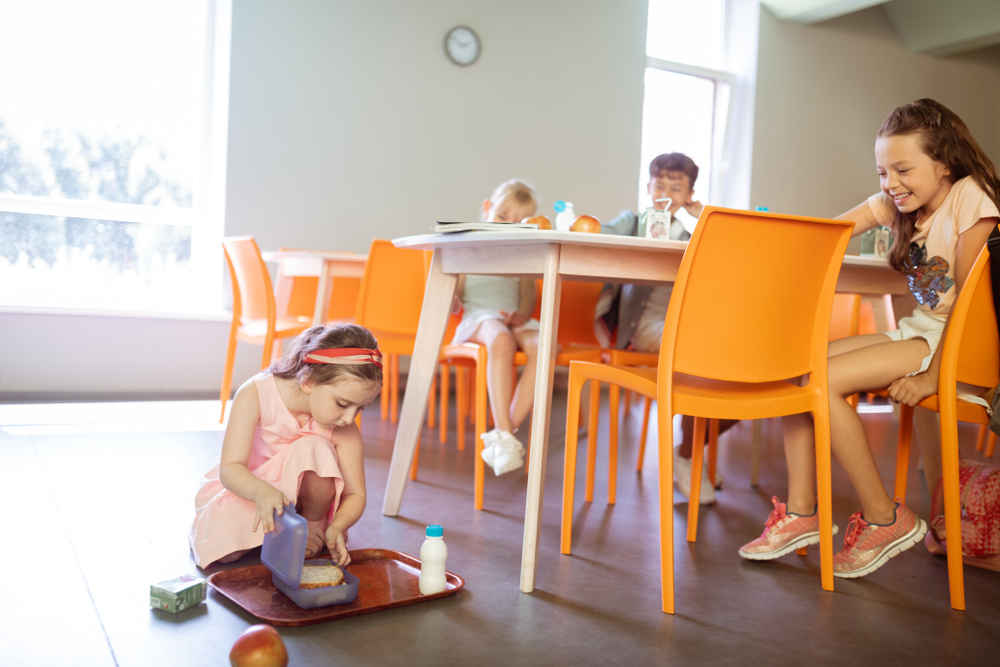
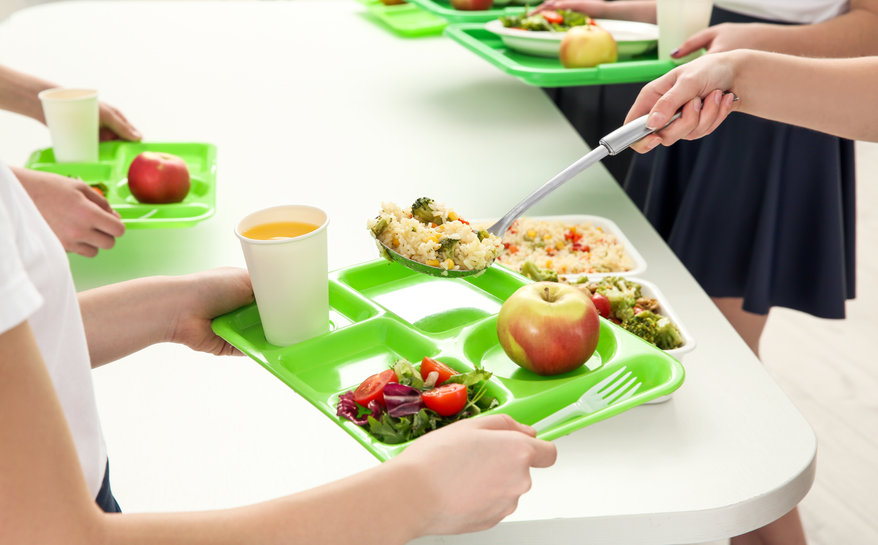
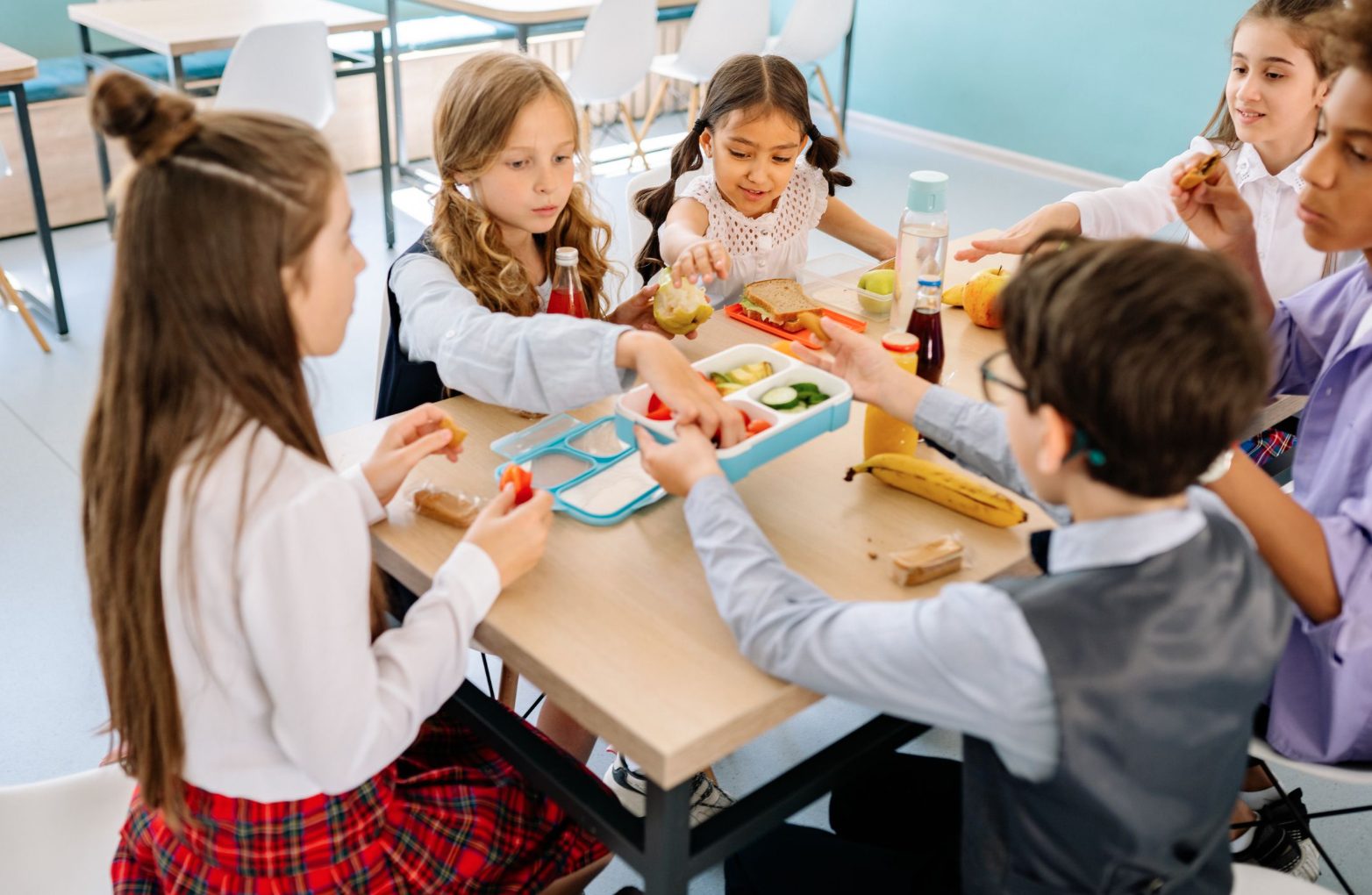
Schoolchildren eating lunch, illustrating the debate on healthy meal choices.
Image Source: Unsplash

If you’ve ever hesitated between packing lunch or letting your child eat in the cafeteria, you’re not alone. Many parents assume a homemade meal is always healthier—but today’s federally regulated school lunches sometimes come out ahead. Here’s a look at why the cafeteria tray may beat the lunchbox more often than you’d guess.

School Lunches Follow Strict Nutrition Standards

Meals served through the National School Lunch Program are designed to cover roughly one‑third of a child’s daily nutrient requirements. Regulations mandate a minimum amount of fruits, vegetables, whole grains, and lean proteins while capping sodium and saturated fat. Cafeterias must also rotate colorful produce and offer low‑fat or fat‑free milk.

By contrast, a packed meal is limited only by parental diligence and morning time constraints. If you’re running late, it’s easy to default to cheese crackers, processed deli meat, or a single piece of fruit—choices that rarely meet the comprehensive standards set for school kitchens.

Packed Lunches Often Contain More Sugar

Convenience items like juice boxes, cookies, and fruit snacks slip into lunch bags easily. In one large study comparing cafeteria and home‑brought meals, researchers found packed lunches averaged significantly higher amounts of added sugar and dessert items—a difference linked to increased overall calorie intake.

Fruits and Vegetables: Cafeterias Have the Edge

Most districts require students to put at least one fruit or vegetable on the tray. That simple rule works: students who regularly choose school meals eat more produce than peers with packed lunches, according to peer‑reviewed data published in the Journal of Nutrition Education and Behavior.

Many districts employ a simple but effective rule: every student must select at least one fruit or vegetable before reaching the cashier.

That policy, combined with eye‑catching salad bars and pre‑cut produce cups, significantly increases the odds that kids will actually eat their greens (or reds, oranges, and purples). In contrast, the carrot sticks nestled beside a homemade sandwich often come back home untouched, wilted by afternoon. Over time, the cafeteria’s mandatory produce approach adds up to a greater overall intake of fiber, vitamins, and disease‑fighting antioxidants.

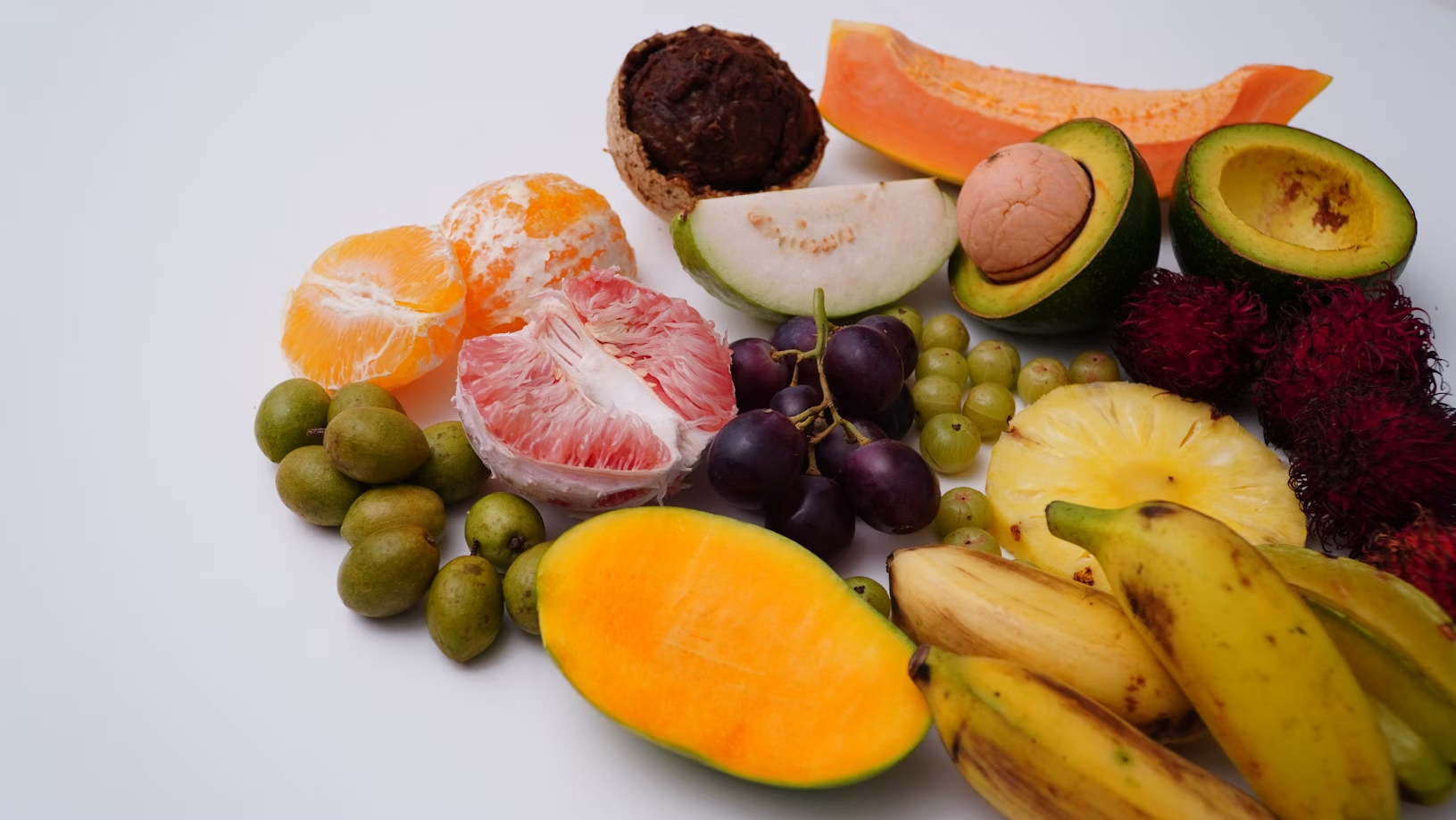
Colorful fruits providing fiber, vitamins, and fats.
Image Source: Unsplash

Fiber, Vitamins, and Fat: A Nutrient Check

On average, school lunches deliver more fiber, calcium, and vitamin A while containing less saturated fat than the typical packed alternative. Unless parents plan carefully—think whole‑grain bread, fresh produce, and low‑fat dairy—lunchbox nutrition can fall short.

Cost Isn’t Always What It Seems

At first glance, packing may look cheaper, but rising grocery prices narrow the gap. When researchers at the School Nutrition Association compared actual ingredient costs and container expenses, they found the price difference was minimal—and school meals offered higher nutrient density per dollar.

Many parents assume packing saves money, but rising grocery costs, single‑serve packaging, and the hidden expense of reusable containers can quickly erode perceived savings. Analyses that factor in both ingredients and packaging reveal a surprisingly narrow price gap, and in some cases, school lunches actually offer more nutrients per dollar. For families eligible for free or reduced‑price meals, the cafeteria option can be markedly cheaper without sacrificing quality.

How to Decide What’s Best for Your Family

  1. Mix and match. Let kids buy lunch on days the menu features balanced favorites, and pack when you want more control.
  2. Upgrade the lunchbox. If you do pack, aim for at least one fruit, one vegetable, and a whole‑grain main item each day.
  3. Check the menu together. Reviewing options with your child encourages mindful choices—whether from home or school.

The bottom line: school lunches are often, but not always, the healthier option. A quick look at what’s on the tray—and what’s going in the lunchbox—can help you make the best call for your child.

What are your thoughts regarding your child nutriotional habits? Let us know in the comments below!

Read More

  • 15 Nostalgic Snacks and Treats We Wish Would Make a Comeback
  • 4 Strategies to Encourage Healthy Eating Habits in Kids
Samantha Warren
Samantha

Samantha Warren is a holistic marketing strategist with 8+ years of experience partnering with startups, Fortune 500 companies, and everything in between. With an entrepreneurial mindset, she excels at shaping brand narratives through data-driven, creative content. When she’s not working, Samantha loves to travel and draws inspiration from her trips to Thailand, Spain, Costa Rica, and beyond.

Filed Under: Parenting Tagged With: child nutrition, healthy eating at school, lunch tips for parents, packed lunch comparison, parenting strategies | Parenting, school lunches

Where to Find Food If Your Children Are Going Hungry

July 22, 2021 | Leave a Comment

Find Food If Your Child Is Hungry

More than 10 million children a year go hungry in the United States. These hungry children have trouble focusing in school, which puts them at an academic disadvantage. In addition, summer is often a difficult time for them because they don’t get regular meals from the schools as they do during the school year. During the pandemic, more children struggled to get an adequate amount of food. If this is a problem your family is facing, several agencies can help you find food if your children are going hungry.

Where to Find Food If Your Children Are Going Hungry

Many different agencies offer programs that can help your children if you know where to look.

Local Food Bank

If you’re experiencing a temporary food shortage, consider visiting your local food bank. You should receive enough food for a week or two, which should be enough to get you by until your next paycheck. However, if you are facing long-term food scarcity, consider some of these other programs.

Supplemental Nutrition Assistance Program (SNAP)

The SNAP program (formerly food stamps) has rigid qualification requirements. Namely, your income cannot be more than 130% of the poverty level and your assets need to be limited. However, if you qualify, you can receive several hundred dollars a month to buy food, depending on your family size.

Special Supplemental Nutrition Program for Women, Infants, and Children (WIC)

The WIC program provides supplemental food to pregnant and nursing women as well as their children ages five and under. To qualify for WIC, you must meet several qualifications. However, you’re automatically qualified if you already receive SNAP benefits or if you’re on Medicaid.

National School Lunch Program (NSLP)

Find Food If Your Children Are Hungry
Young woman serving lunch to school girl at canteen

There are two tiers to qualify for the NSLP. If your family income is under 130% of the poverty level, your child qualifies for free school lunches. If your family income is between 130% and 185% of the poverty level, your child qualifies for reduced-price school lunches.

Summer Food Service Program

During the summer, your children can receive free food to make up for the food they are not receiving because school isn’t in session. The summer food service program requires no documentation of eligibility. You can call, text, or contact your local food bank to find locations distributing food during the summer.

Backpack Program

The Backpack Program fills the need for food on the weekend when kids aren’t getting free school meals. This food bank locator can help connect you with a local food bank that may be participating in the Backpack Program.

Final Thoughts

No child should go hungry. These programs can help ensure your children get enough food so they can grow strong and focus on their school work. In addition, if your money is stretched tight, these programs offer a bit of leeway so you can focus on other expenses such as housing and utility expenses.

Read More

Where to Get Free Cloth Diapers for Low-Income Families

Free Diapers for Low-Income Families

13 Healthy Snack Ideas for Kids (Help Them to Avoid the Snack Machine)

Cheap, Fun Ways to Stay Cool This Summer

Melissa Batai
Melissa Batai

Melissa is a writer and virtual assistant. She earned her Master’s from Southern Illinois University, and her Bachelor’s in English from the University of Michigan. When she’s not working, you can find her homeschooling her kids, reading a good book, or cooking. She resides in Arizona where she dislikes the summer heat but loves the natural beauty of the area.

Filed Under: Money and Finances, Parenting Tagged With: Food, save money on food, school lunches, SNAP, WIC

  • Facebook
  • Pinterest
  • RSS
  • Twitter

Basic Principles Of Good Parenting

Here some basic principles for good parenting:

  1. What You Do Matters: Your kids are watching you. So, be purposeful about what you want to accomplish.
  2. You Can’t be Too Loving: Don’t replace love with material possessions, lowered expectations or leniency.
  3. Be Involved Your Kids Life: Arrange your priorities to focus on what your kid’s needs. Be there mentally and physically.
  4. Adapt Your Parenting: Children grow quickly, so keep pace with your child’s development.
  5. Establish and Set Rules: The rules you set for children will establish the rules they set for themselves later.  Avoid harsh discipline and be consistent.
  6. Explain Your Decisions: What is obvious to you may not be evident to your child. They don’t have the experience you do.
  7. Be Respectful To Your Child: How you treat your child is how they will treat others.  Be polite, respectful and make an effort to pay attention.
Best Parenting Blogs

Most Popular

Baby

10 Baby Names That Were Once Considered “Grandparent Names” but Feel Cool Again

Evan Morgan
Baby

9 Baby Names Inspired by Fall Without Naming Your Child Autumn

Evan Morgan
Baby

9 Baby Names That Sound Expensive Even Though Naming Your Baby Is Still Free

Evan Morgan
Baby names

Teachers Admit: These 6 Baby Names Create Instant Bias in the Classroom

Latrice Perez
6 Baby Names That Sound Cute Now but Cause Problems Later

6 Baby Names That Sound Cute Now but Cause Problems Later

Brandon Marcus

All content on Kids Ain’t Cheap is for entertainment purposes only. By reading this blog, you agree that Kids Ain’t Cheap is not responsible for any actions taken after reading this blog. For the full disclaimer, see our privacy policy.

Please note that Kids Ain’t Cheap has financial relationships with some of the merchants mentioned here. Kids Ain’t Cheap is funded by banner advertising, commission sales and search optimization consulting.

Copyright © 2006–2026 | District Media | All Rights Reserved | Privacy Policy

Copyright © 2026 Runway Pro Theme by Viva la Violette