• Home
  • About Us
  • Toolkit
  • Archives
  • Advertise
  • Privacy Policy

Kids Ain't Cheap

But They Sure Are Worth It

  • Parenting
    • Baby Stuff
    • Books and Reading
      • Aesops Fables
      • Comic Books
    • Education
    • Family Time
    • Green Living
    • Growing Up
    • Healthy Living & Eating
    • Holidays
    • Parenting
    • Random Musings
    • Shopping
    • Stuff to Do
  • Money
  • Product Reviews
    • Books and Magazines
    • Discount Sites
    • Furniture
    • House Keeping
    • Reviews News
    • Toys and Games
  • Contact Us
  • Our Editorial Commitment
  • Search

Summer EBT Facts That Could Put $120 on Your Grocery Card

July 21, 2026 | Leave a Comment

Groceries
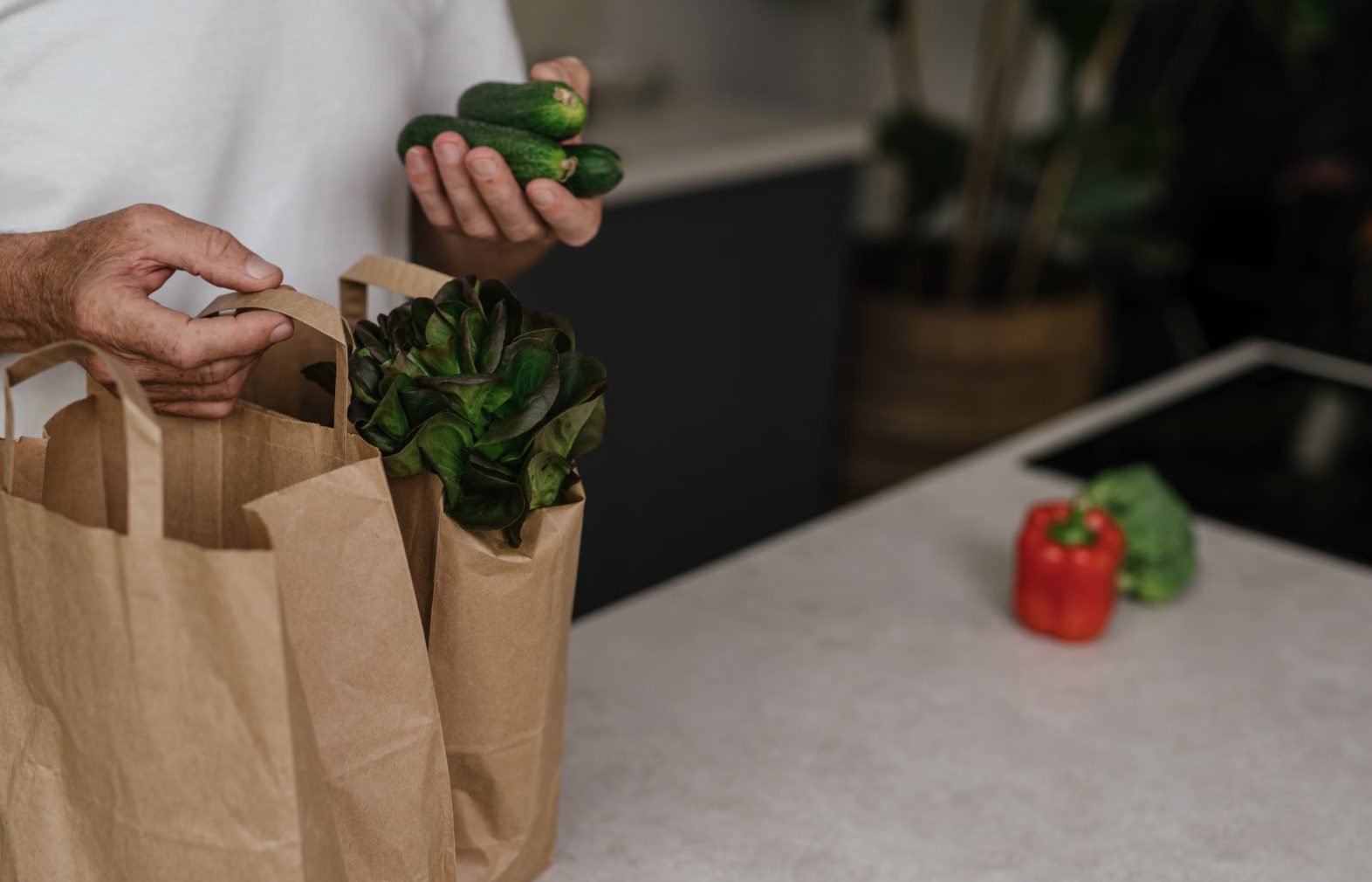
A parent shops for fresh groceries using a Summer EBT card, highlighting how the $120 benefit can help eligible families cover nutritious food costs while school is out. (Pexels).

Families often face higher grocery bills when school cafeterias close for summer, making it harder to stretch a monthly budget. The Summer EBT program, also known as SUN Bucks in many states, was created to help bridge that gap with grocery assistance for eligible children. In most participating states, eligible families can receive a one-time $120 grocery benefit per child for the summer. But is it too late to be eligible? Here’s wht you need to know.

Not Every Family Has to Apply for Summer EBT

One of the biggest misconceptions about Summer EBT is that every family must complete an application. In many participating states, children who already receive benefits through SNAP, TANF, FDPIR, or who qualify for free or reduced-price school meals through income are automatically enrolled. That means eligible families may receive benefits without taking additional steps if their information is already current. However, families who are not automatically enrolled may still qualify and should check with their state’s Summer EBT program before application deadlines pass. Taking a few minutes to verify your status could prevent missing a valuable benefit.

The $120 Benefit Can Make a Real Difference

The standard Summer EBT benefit is $120 per eligible child in the 48 contiguous states and Washington, D.C., although benefit amounts differ in Alaska, Hawaii, and certain U.S. territories because of higher food costs. While $120 may not cover an entire summer’s groceries, it can significantly offset expenses for essentials like milk, fresh produce, bread, eggs, and lean protein. For a family with three eligible children, that could mean up to $360 toward groceries during school break. Many parents use the funds to stock healthy snacks and lunch ingredients that replace meals normally served at school. With grocery prices remaining elevated, every dollar can help reduce financial pressure.

Summer EBT Works Like a Regular Grocery Card

Summer EBT benefits are loaded onto an existing EBT card for many families or mailed on a separate card if one is needed. The funds can generally be used at authorized grocery stores, participating farmers markets, convenience stores, and many online retailers that accept SNAP benefits. Eligible purchases include fruits, vegetables, dairy products, meat, poultry, cereals, and other qualifying grocery items. Like SNAP, the benefit cannot be used for hot prepared foods, household supplies, alcohol, tobacco, or personal care products. Knowing these rules ahead of time helps families avoid confusion at checkout.

Participation Depends on Where You Live

Although Summer EBT is a federal program, each state decides whether to participate. That means eligibility alone does not guarantee benefits if your state has chosen not to operate the program for a particular year. Families should always confirm whether their state is participating instead of assuming the benefit is available nationwide. Checking early is especially important for families that recently moved or whose children changed schools.

It should also be noted that there are deadlines for applying for Sun Bucks. The deadline will depend on where you live. In North Carolina, for example, the deadline to apply for Sun Bucks is August 15. So, it’s important to check what the rules are where you are.

Making the Most of Your Summer Grocery Benefit

A little planning can make Summer EBT stretch much further than many families expect. Shopping weekly sales, buying frozen fruits and vegetables, and choosing store-brand staples often allows the benefit to cover more meals. Parents also combine Summer EBT with local summer meal sites, food pantries, and farmers market incentive programs to maximize their food budget. Keeping your mailing address and school records current also helps ensure benefit cards arrive without delays. Small planning decisions today can translate into more nutritious meals throughout the summer.

The Bottom Line for Families This Summer

Summer EBT offers meaningful grocery assistance for millions of eligible children when school meals are unavailable. The key is understanding whether your family qualifies, whether your state participates, and whether you need to submit an application. Spending just a few minutes reviewing your eligibility could result in $120 per child that helps ease summer grocery costs. Even families already receiving other benefits should verify their information remains up to date.

Have you received Summer EBT before, or do you have questions about qualifying? Share your experience in the comments to help other readers navigate the program.

What to Read Next

SUN Bucks 2026: How Families of Special Needs Students Can Claim Summer EBT Grocery Benefits

Texas & Florida SNAP: April 1 “High‑Sugar” EBT Ban Explained

Why Some Parents Are Going Into Debt to Hide Financial Struggles from Their Kids

Evan Morgan

Evan Morgan has been a full-time freelance writer and editor for 10+ years. When not working, he enjoys catching the latest true crime documentary or getting lost in a good book.

Filed Under: Finance Tagged With: child nutrition, EBT Benefits, family finances, Food Assistance, grocery assistance, school meals, SNAP, Summer EBT, summer grocery card, SUN Bucks

Where to Find Financial Support for Single Dads?

October 21, 2023 | Leave a Comment

Financial Support for Single Dads

When you think of single parents, you likely think of single moms struggling to raise their children and working full-time to support their families. While it’s true there are more single mothers than single fathers in the United States, the number of single fathers is growing. According to Statista, “In 2020, there were about 15.31 million children living with a single mother in the United States and about 3.27 million children living with a single father.” Yet, many of the support programs such as WIC are dedicated solely to women and their children. What financial support for single dads is available?

Where to Find Financial Support for Single Dads

Unfortunately, single dads don’t have specific financial programs for them as women do. Yet, 25% of single dads live in poverty and need financial assistance (Fatherhood). Thankfully, resources are available for any parent living at or below the poverty line.

Food Assistance

One of the most important needs for single parents is providing their kids with enough nourishing food.  These programs can help.

National School Lunch Program

You can sign up for the National School Lunch Program at your child’s school. If your household income is below 130% of the poverty level or you receive SNAP or TANF (more on those later in this post), your child qualifies for a free lunch every day. If your household income is 130% to 185% of the federal poverty line, your child qualifies for a reduced-priced lunch.

Summer Food Service Program

This program is run during the summer when school is out and children no longer have access to free lunches. ANY child 18 and under can receive a free meal. No registration is required. Food distribution sites are typically at your local school district. You can go here to find a location near you.

Supplemental Nutrition Assistance Program (SNAP)

SNAP provides money for low-income families to purchase approved foods. To qualify, you must apply at your local state office. Generally, SNAP qualification is based on your income (gross income must be below 130% of the poverty level), your assets, and the number of people in the family.

The Emergency Food Assistance Program (TEFAP)

TEFAP is another safety net that provides food at no cost to eligible recipients. If you qualify for and receive SNAP, you automatically qualify for TEFAP. If your gross income does not exceed 185% of the federal poverty level, you also qualify.

To apply, you must go to your local TEFAP distribution site, bring your driver’s license, and answer a few basic questions.

Food Pantries

Financial Support for Single Dads
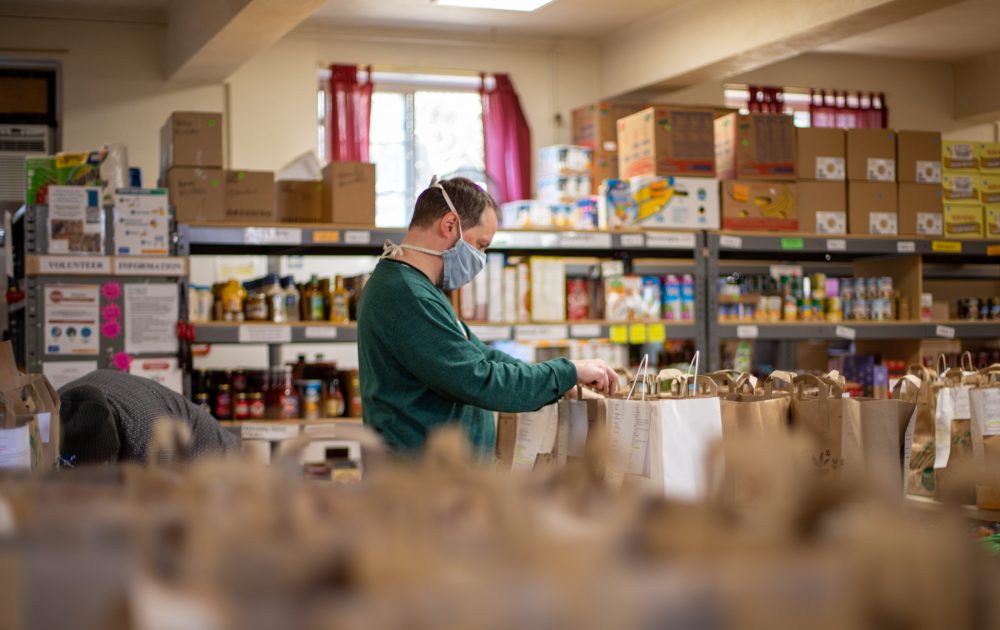
Photo by Aaron Doucett on Unsplash

Another place to go when you’re having trouble providing food for your family is a local food pantry. Most food pantries are allowed to give one family food once a month or sometimes twice a month. Many families take advantage of this when they have a week or so left before they get their next month’s SNAP benefits and they are running low on food at home.

Soup Kitchens

Don’t forget that you can also get a hot meal at your local soup kitchen.  Incidentally

Medical Assistance

Medical care is expensive but should not be neglected. These agencies can help provide financial support for single dads when it comes to medical costs.

Medicare

Medicare is typically for individuals 65 and older, but if you have a disability or your child has a disability, you or your child may qualify for Medicare. (You can learn more about qualifying here.) If you are under 65 and receive Social Security Disability, you are qualified for Medicare.

Medicaid

Eligibility for Medicaid varies based on which state you live in. Medicaid provides coverage for low-income families, qualified pregnant women and children, and people who receive Supplemental Security Income (SSI). To learn more, go to your state’s Medicaid website.

Other Assistance

Besides food and insurance expenses, a single father may have other financial needs depending on his income and family size. These programs are also available to eligible recipients.

Low Income Home Energy Assistance Program (LIHEAP)

Depending on your location, winter heating bills or summer air conditioning bills can cause financial hardship. The Low Income Home Energy Assistance Program tries to fill that need. However, the earlier you can apply, the better. When the program runs out of money for the year, even qualified applicants do not receive funds. On average, 20% of the people who qualify receive the funds.

The applications are accepted and reviewed through your local LIHEAP office. Some offices automatically qualify people who receive SNAP, TANF, or SSI. Others do not, so you’ll need to contact your local office to determine what you need to qualify and how much relief funds you may receive. Some offices also set aside funds to help you with weatherization, so you’ll pay less in the future.

Child Care Subsidies

Child care can be a family’s most expensive bill, often even more expensive than monthly rent or mortgage payments. To assist with this need, the federal government gives each state money to subsidize child care. Go here to see what your state offers.

This program mainly helps low-income families where the parent works full-time but earns less than 165% of the federal poverty level, teen parents enrolled in high school or GED programs, people currently living in a homeless shelter, and those who are unable to work due to a disability.

Final Thoughts

Being a single parent isn’t easy! Thankfully, there is financial support for single dads, but you will have to apply to many different agencies to get the variety of aid available. Educate yourself about what is available and apply as early as possible, so you have the best chance of getting aid. Also, don’t be afraid or embarrassed to take advantage of the available services. Remember, your financial situation may be temporary. In another few years, you may have a much better-paying job and be able to pay for more of your needs on your own.

Read More

Single Parenting and Home Schooling

5 Ways to Buy Legos at a Discount

13 Healthy Snack Ideas for Kids (Help Them Avoid the Snack Machine)

Where to Get Free Cloth Diapers for Low-Income Families

Melissa Batai
Melissa Batai

Melissa is a writer and virtual assistant. She earned her Master’s from Southern Illinois University, and her Bachelor’s in English from the University of Michigan. When she’s not working, you can find her homeschooling her kids, reading a good book, or cooking. She resides in Arizona where she dislikes the summer heat but loves the natural beauty of the area.

Filed Under: Money and Finances, Parenting, Parenting Blog at KidsAintCheap Tagged With: Medicaid, medicare, school lunch program, single dad, single parents, SNAP, welfare

Where to Find Food If Your Children Are Going Hungry

July 22, 2021 | Leave a Comment

Find Food If Your Child Is Hungry

More than 10 million children a year go hungry in the United States. These hungry children have trouble focusing in school, which puts them at an academic disadvantage. In addition, summer is often a difficult time for them because they don’t get regular meals from the schools as they do during the school year. During the pandemic, more children struggled to get an adequate amount of food. If this is a problem your family is facing, several agencies can help you find food if your children are going hungry.

Where to Find Food If Your Children Are Going Hungry

Many different agencies offer programs that can help your children if you know where to look.

Local Food Bank

If you’re experiencing a temporary food shortage, consider visiting your local food bank. You should receive enough food for a week or two, which should be enough to get you by until your next paycheck. However, if you are facing long-term food scarcity, consider some of these other programs.

Supplemental Nutrition Assistance Program (SNAP)

The SNAP program (formerly food stamps) has rigid qualification requirements. Namely, your income cannot be more than 130% of the poverty level and your assets need to be limited. However, if you qualify, you can receive several hundred dollars a month to buy food, depending on your family size.

Special Supplemental Nutrition Program for Women, Infants, and Children (WIC)

The WIC program provides supplemental food to pregnant and nursing women as well as their children ages five and under. To qualify for WIC, you must meet several qualifications. However, you’re automatically qualified if you already receive SNAP benefits or if you’re on Medicaid.

National School Lunch Program (NSLP)

Find Food If Your Children Are Hungry
Young woman serving lunch to school girl at canteen

There are two tiers to qualify for the NSLP. If your family income is under 130% of the poverty level, your child qualifies for free school lunches. If your family income is between 130% and 185% of the poverty level, your child qualifies for reduced-price school lunches.

Summer Food Service Program

During the summer, your children can receive free food to make up for the food they are not receiving because school isn’t in session. The summer food service program requires no documentation of eligibility. You can call, text, or contact your local food bank to find locations distributing food during the summer.

Backpack Program

The Backpack Program fills the need for food on the weekend when kids aren’t getting free school meals. This food bank locator can help connect you with a local food bank that may be participating in the Backpack Program.

Final Thoughts

No child should go hungry. These programs can help ensure your children get enough food so they can grow strong and focus on their school work. In addition, if your money is stretched tight, these programs offer a bit of leeway so you can focus on other expenses such as housing and utility expenses.

Read More

Where to Get Free Cloth Diapers for Low-Income Families

Free Diapers for Low-Income Families

13 Healthy Snack Ideas for Kids (Help Them to Avoid the Snack Machine)

Cheap, Fun Ways to Stay Cool This Summer

Melissa Batai
Melissa Batai

Melissa is a writer and virtual assistant. She earned her Master’s from Southern Illinois University, and her Bachelor’s in English from the University of Michigan. When she’s not working, you can find her homeschooling her kids, reading a good book, or cooking. She resides in Arizona where she dislikes the summer heat but loves the natural beauty of the area.

Filed Under: Money and Finances, Parenting Tagged With: Food, save money on food, school lunches, SNAP, WIC

  • Facebook
  • Pinterest
  • RSS
  • Twitter

Basic Principles Of Good Parenting

Here some basic principles for good parenting:

  1. What You Do Matters: Your kids are watching you. So, be purposeful about what you want to accomplish.
  2. You Can’t be Too Loving: Don’t replace love with material possessions, lowered expectations or leniency.
  3. Be Involved Your Kids Life: Arrange your priorities to focus on what your kid’s needs. Be there mentally and physically.
  4. Adapt Your Parenting: Children grow quickly, so keep pace with your child’s development.
  5. Establish and Set Rules: The rules you set for children will establish the rules they set for themselves later.  Avoid harsh discipline and be consistent.
  6. Explain Your Decisions: What is obvious to you may not be evident to your child. They don’t have the experience you do.
  7. Be Respectful To Your Child: How you treat your child is how they will treat others.  Be polite, respectful and make an effort to pay attention.
Best Parenting Blogs

Most Popular

Baby

10 Baby Names That Were Once Considered “Grandparent Names” but Feel Cool Again

Evan Morgan
Baby

9 Baby Names Inspired by Fall Without Naming Your Child Autumn

Evan Morgan
Baby

10 Vintage Baby Names That Sound Surprisingly Modern Again

Evan Morgan
Baby names

Teachers Admit: These 6 Baby Names Create Instant Bias in the Classroom

Latrice Perez
6 Baby Names That Sound Cute Now but Cause Problems Later

6 Baby Names That Sound Cute Now but Cause Problems Later

Brandon Marcus

All content on Kids Ain’t Cheap is for entertainment purposes only. By reading this blog, you agree that Kids Ain’t Cheap is not responsible for any actions taken after reading this blog. For the full disclaimer, see our privacy policy.

Please note that Kids Ain’t Cheap has financial relationships with some of the merchants mentioned here. Kids Ain’t Cheap is funded by banner advertising, commission sales and search optimization consulting.

Copyright © 2006–2026 | District Media | All Rights Reserved | Privacy Policy

Copyright © 2026 Runway Pro Theme by Viva la Violette